
How to Define Stable Production Capacity in Bottled Water Line Acceptance Testing
Objective: What "Stable Capacity" Actually Means for Your Line
When procuring a bottled or barrelled water filling line, the rated capacity on the equipment datasheet — for example, 200 to 1,800 bottles per hour for an 18.9 L format — represents a mechanical upper bound under ideal conditions. Acceptance testing must answer a different question: what output can this line sustain over a full shift, with your actual water source, your container mix, and your facility constraints?
Stable production capacity is the throughput at which the line operates without accumulating unplanned stoppages, buffer overflows, or quality deviations over a defined observation window. It is the number that determines whether your investment meets the business case, not the brochure figure.
Alternatives: Three Ways Buyers Typically Define Capacity
1. Nameplate Capacity (Supplier Default)
This is the maximum mechanical speed of the filling host — the wash-fill-cap unit running empty or with a single bottle format. It ignores upstream water treatment delivery, downstream packaging bottlenecks, and changeover losses. Relying on nameplate capacity for acceptance creates a gap between contracted performance and daily reality.
2. Line-Balanced Capacity (Engineering Approach)
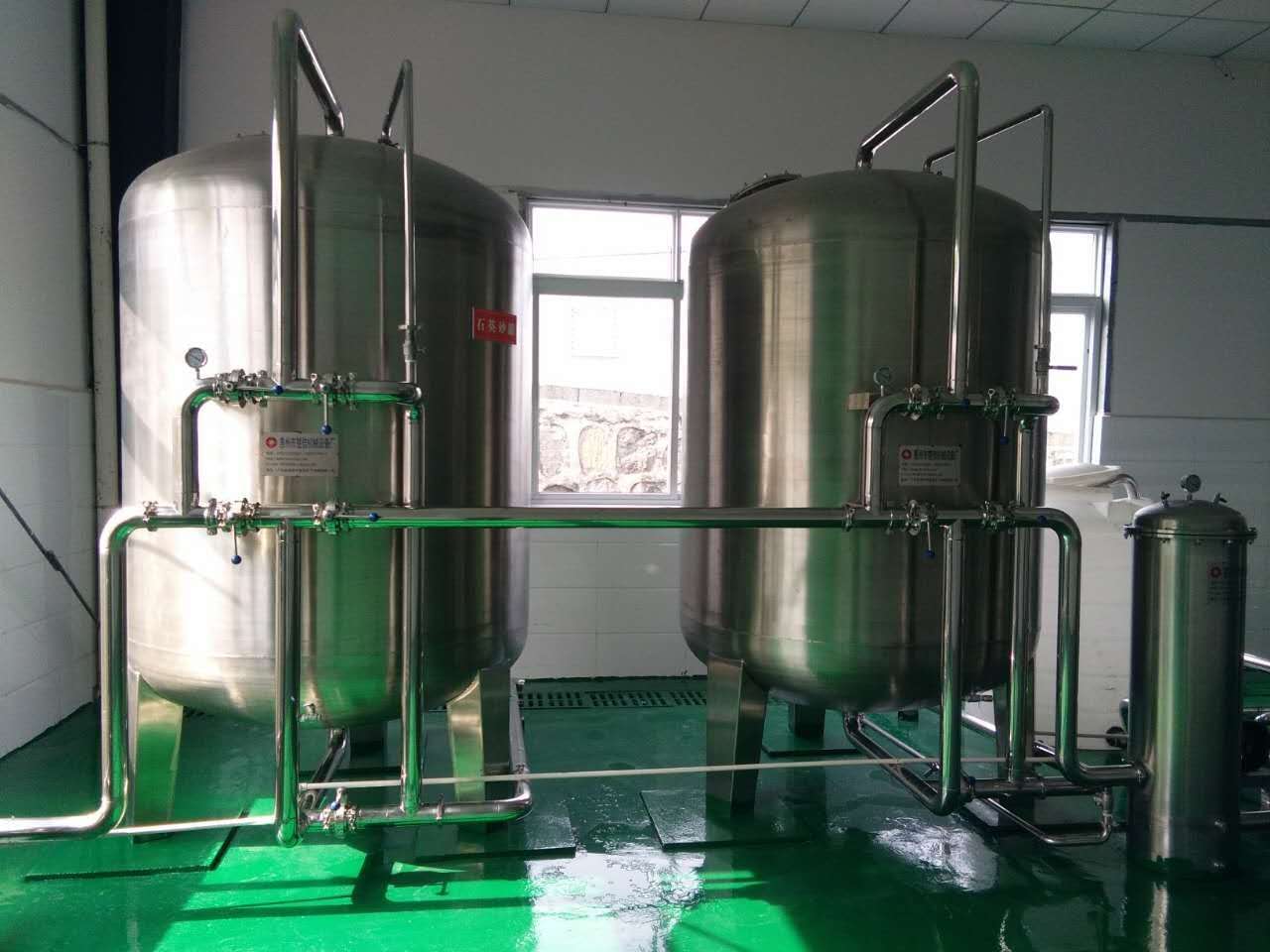
This method calculates throughput based on the slowest linked unit in the production chain. As noted in industry practice, the overall line capacity must be calculated against the slowest equipment node, because mismatched speeds between the water treatment system, filling host, and downstream packaging create waiting, bottle accumulation, or forced stoppages. For a bottled purified water line, this means verifying that the dual-stage RO system delivers treated water at a rate that matches filling consumption — including water used for bottle washing, CIP cycles, and process losses.
3. Sustained Shift Capacity (Operational Reality)
This is the output measured over a continuous 4- to 8-hour run under normal operating conditions, including scheduled changeovers, container feed interruptions, and routine quality checks. It is the most conservative and most useful metric for acceptance sign-off.
Evidence: What to Measure During Acceptance Testing
Prerequisites Before Testing Begins
- Water quality validation. The raw water report is the starting point for any water treatment equipment selection. Suspended solids, residual chlorine, hardness, TDS, and microbial load all affect whether the pretreatment and membrane systems can deliver consistent permeate flow during the test window.
- Container specification lock. Bottle diameter, height, cap type, and material (PET, PC, or ABS for barrelled formats) must be confirmed. Changing PET bottle formats on a wash-fill-cap unit is not simply a touchscreen parameter update — mechanical adjustments to guide rails, star wheels, and cap chutes are required, and each changeover consumes measurable time.
- Utility readiness. Compressed air, cooling water, electrical supply, and drainage must all be commissioned before the integrated trial.
Key Measurement Points
| Metric | How to Measure | Acceptance Threshold |
|---|---|---|
| Filling accuracy | Sample 50+ bottles at intervals across the test run | Deviation within ±2 mL for volumetric filling |
| Capping pass rate | Inspect cap seal integrity over 500+ consecutive units | ≥99.6% first-pass acceptance |
| Sustained hourly output | Count finished, capped, and inspected units per hour over 4+ hours | Within 85–90% of line-balanced capacity |
| Changeover time | Measure elapsed time from last bottle of Format A to first acceptable bottle of Format B | Documented and repeatable; typically 20–45 minutes depending on format gap |
| Water treatment delivery | Monitor permeate flow rate and conductivity at the point of use | Consistent with design specification; no flow starvation at the filler inlet |
| Unplanned stoppages | Log all stops exceeding 60 seconds with root cause | Total downtime under 5% of test duration |
The Role of Buffer Conveyors
Buffer conveyors between the filling host and downstream units (labeling, packaging, palletizing) absorb micro-stoppages and prevent cascade shutdowns. A line without adequate buffer logic will show artificially low sustained capacity even if every individual machine meets its nameplate speed. During acceptance, verify that buffer accumulation zones are sized for at least 2–3 minutes of downstream stoppage without starving the filler.
Recommendation: Structure Your Acceptance Protocol in Three Phases
Phase 1 — Single-Unit Commissioning
Each module — water treatment, bottle unscrambler or barrel decapper, wash-fill-cap host, labeling, packaging — is tested independently against its own specification. This phase confirms that individual equipment meets mechanical and electrical design criteria.
Phase 2 — Integrated Dry Run
The full line runs with containers but without product water. This validates conveyor synchronization, sensor logic, PLC interlocks, alarm responses, and no-bottle-no-fill functions. For barrelled water lines, this phase also tests the internal wash and disinfection sequence — including ozone and UV stages — to confirm cycle times match the target barrel-per-hour rate.
Phase 3 — Sustained Production Trial
The line runs with actual treated water and saleable containers for a minimum of one full shift. Data is collected against the metrics table above. The acceptance certificate is signed only when sustained shift capacity meets the agreed threshold, and all documentation — material certifications, SOPs, process flow diagrams, and SC-compliance records — is handed over.
Boundaries and Risks to Acknowledge
- Water source variability. If the raw water quality changes seasonally, the treatment system may require pretreatment adjustments that affect permeate flow and, consequently, filling line throughput. Acceptance testing should note the water quality conditions under which the test was conducted.
- Container quality. Deformed preforms, out-of-spec barrel mouths, or inconsistent cap dimensions will reduce capping pass rates and inflate stoppage frequency. These are container supply issues, not equipment defects, but they must be distinguished during testing.
- Multi-format lines. A line configured for both 5 L and 18.9 L bottles will have different sustained capacities for each format. Acceptance should test each committed format separately.
- Cleanroom dependency. For barrelled water sterilization and filling lines operating in ISO Class 8 environments, the clean air system's airflow balance and pressure zoning must be validated before the production trial begins. Air filtration commissioning is a prerequisite, not a parallel activity.
Next Steps
If you are preparing to specify or accept a bottled or barrelled water filling line, start by documenting your actual water source report, target container mix, daily volume requirement, and facility layout. These four inputs determine whether the line-balanced capacity you negotiate is achievable in practice. Share these details with your equipment partner to receive a site-specific proposal that maps treatment capacity, filling configuration, and packaging integration to your real operating conditions.