
CIP Cleaning Validation: Industrial Applications and Boundary Considerations
CIP Cleaning Validation: Industrial Applications and Boundary Considerations
Introduction
In industrial settings such as beverage and pharmaceutical production, Clean-In-Place (CIP) systems are vital for maintaining hygiene without dismantling equipment. This article targets procurement managers, operations leads, and digital project teams in various sectors evaluating or upgrading their CIP systems.
Understanding CIP Systems
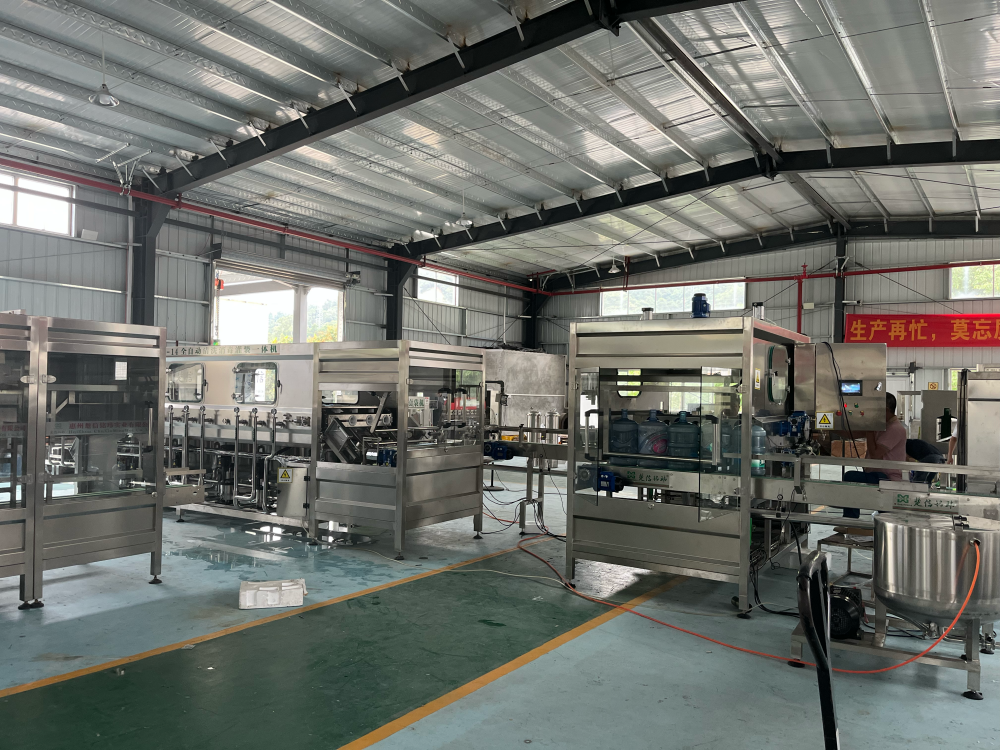
CIP systems automate the cleaning process for production equipment like tanks, pipes, and filling machines. Having a CIP interface does not guarantee full coverage; it depends on the design of the cleaning loop, valve groups, and flow rates. For instance, custom-engineered bottled purified water filling lines integrate advanced purification methods ensuring comprehensive cleaning efficacy.
Key Components and Functions
- Cleaning Loops: Ensure all critical parts are covered by the cleaning solution.
- Valve Groups: Control the direction and volume of the cleaning fluid.
- Flow Rates: Maintain optimal velocity for effective cleaning.
Use Cases and Scenarios
CIP systems are crucial in industries where hygiene is paramount, such as beverage bottling and pharmaceutical manufacturing. For example, a customized bottled spring water filling line uses advanced filtration balancing purification efficiency with mineral retention, ensuring consistent water quality while minimizing downtime.
Practical Examples
- Beverage Production: Ensures bottles are filled with clean, safe water.
- Pharmaceuticals: Maintains sterile conditions for drug manufacturing.
Implementation Boundaries and Considerations
While CIP systems offer significant advantages, they have limitations. Not all components may be suitable for automated cleaning. Some parts may still require manual disassembly and cleaning, especially if they are complex or intricately designed. Additionally, the effectiveness of CIP depends on factors like cleaning solution concentration, temperature, and contact time.
Common Challenges
- Coverage Gaps: Certain areas might not receive adequate cleaning.
- Chemical Compatibility: Ensure the cleaning agents do not damage the equipment.
Step-by-Step Implementation Path
- Assessment: Evaluate your current system’s needs and identify which parts require CIP.
- Design: Plan the cleaning loops and valve configurations based on the equipment layout.
- Execution: Implement the CIP system and conduct initial tests to ensure coverage.
- Validation: Perform regular checks to confirm the system’s effectiveness.
Conclusion and Next Steps
For organizations looking to optimize their CIP processes, understanding these boundaries and steps is crucial. Custom-engineered solutions tailored to specific operational contexts ensure long-term maintainability and stability.
Call to Action
To learn more about implementing an efficient CIP system, contact us today. We provide end-to-end engineering services including design, manufacturing, installation, commissioning, operator training, and after-sales support.