
How to Compare Water Filling Line Quotations Without Being Misled by Capacity Numbers
How to Compare Water Filling Line Quotations Without Being Misled by Capacity Numbers
In the beverage and food industries, selecting the right water filling line is crucial for ensuring product quality and operational efficiency. However, many procurement managers find themselves misled by capacity numbers alone when comparing quotations. Here's a step-by-step guide to help you make an informed decision.
Understanding Real-World Operational Context
When evaluating water filling lines, it's essential to consider the entire production process, not just the hourly output. For instance, Chuxin Mingwei’s Bottled Spring Water Filling Production Line uses a dual-membrane NF + UF process that balances purification efficiency with mineral retention. The system integrates bottle washing, filling, and capping units, achieving high filling accuracy and a reliable capping pass rate.
Key Considerations:
- Purification Process: Look beyond the advertised capacity and examine the core purification process. Does it meet your specific water quality standards?
- Operational Efficiency: Evaluate the end-to-end workflow, including synchronized bottle washing, filling, capping, and inspection.
Service Scope and Delivery Workflow
Understanding the service scope and delivery workflow is critical for avoiding post-installation issues. Chuxin Mingwei provides comprehensive engineering services, including design, manufacturing, installation, commissioning, operator training, and after-sales support. When comparing quotes, ensure the following are clearly defined:
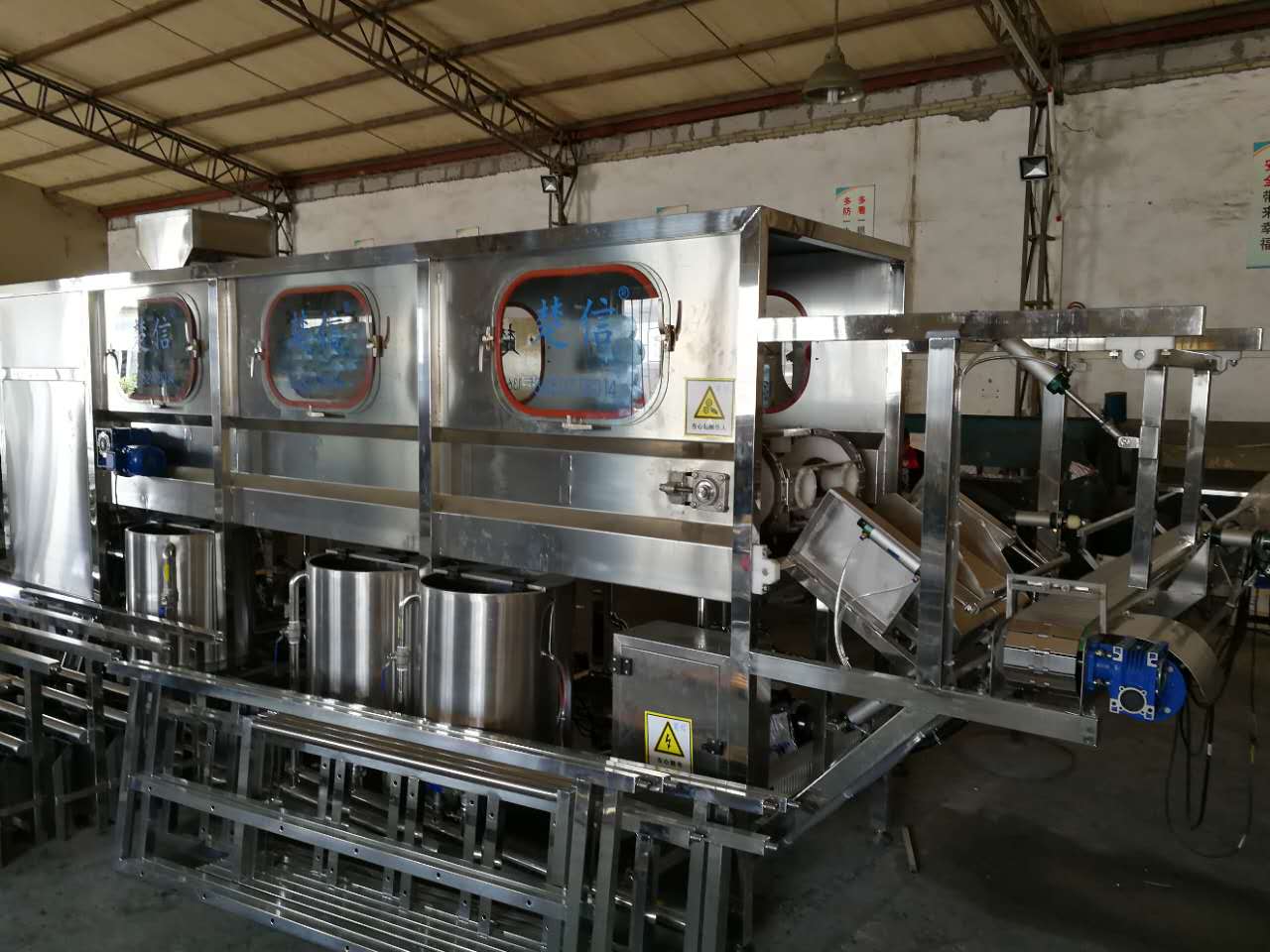
- Design and Manufacturing: Confirm the customization options available based on your facility constraints.
- Installation and Commissioning: Check if the supplier offers on-site installation and testing.
- After-Sales Support: Long-term maintainability should be prioritized, including regular maintenance and troubleshooting services.
Implementation Boundaries and Risk Management
It's important to set clear boundaries and understand potential risks before finalizing a quotation. Here are some practical steps:
- Capacity Verification: Don't rely solely on the quoted capacity. Factor in additional water usage for bottle rinsing, cleaning, and peak buffering.
- Material Compatibility: Ensure the equipment can handle your specific bottle materials and formats.
- Environmental Control: Verify the air purification systems meet necessary standards, especially for cleanrooms.
Next Steps for Decision-Makers
Once you have gathered all necessary information, follow these steps to finalize your decision:
- Request Detailed Specifications: Obtain detailed technical specifications from each supplier, focusing on purification processes, operational efficiency, and service scope.
- Conduct Site Visits: If possible, visit the supplier's facilities or request virtual tours to assess their capabilities.
- Engage Stakeholders: Involve key stakeholders, including operations leads and project teams, to ensure alignment with your overall production goals.
Conclusion
Comparing water filling line quotations requires a holistic approach that goes beyond capacity numbers. By understanding the real-world operational context, service scope, and implementation boundaries, procurement managers can make well-informed decisions that prioritize stability, applicability, and long-term maintainability.