
Understanding Small Bottled Water Line Equipment Scope and 3-in-1 Machine Limits
Understanding Small Bottled Water Line Equipment Scope and 3-in-1 Machine Limits
Introduction
Chuxin Mingwei specializes in designing and manufacturing custom water treatment systems, bottled/barrelled water filling lines, automated packaging, and clean air solutions. This article focuses on the specific scope of small bottled water line equipment and the operational boundaries of 3-in-1 machines.
Target Audience and Use Cases
The primary audience for this content includes procurement managers, operations leads, and digital project teams in the beverage, food, pharmaceutical, electronics, and industrial sectors. These professionals require detailed insights into equipment capabilities to ensure optimal production efficiency and compliance with regulatory standards.
Real-world Operational Contexts
For instance, Chuxin Mingwei’s customized bottled spring water filling production line is engineered specifically for the natural characteristics of spring water, covering raw water purification, empty bottle handling, precise filling, and more. The dual-membrane NF + UF process balances purification efficiency with mineral retention, ensuring high-quality output.
Equipment Scope and Boundaries
Small Bottled Water Line Equipment
A typical small bottled water line may include:
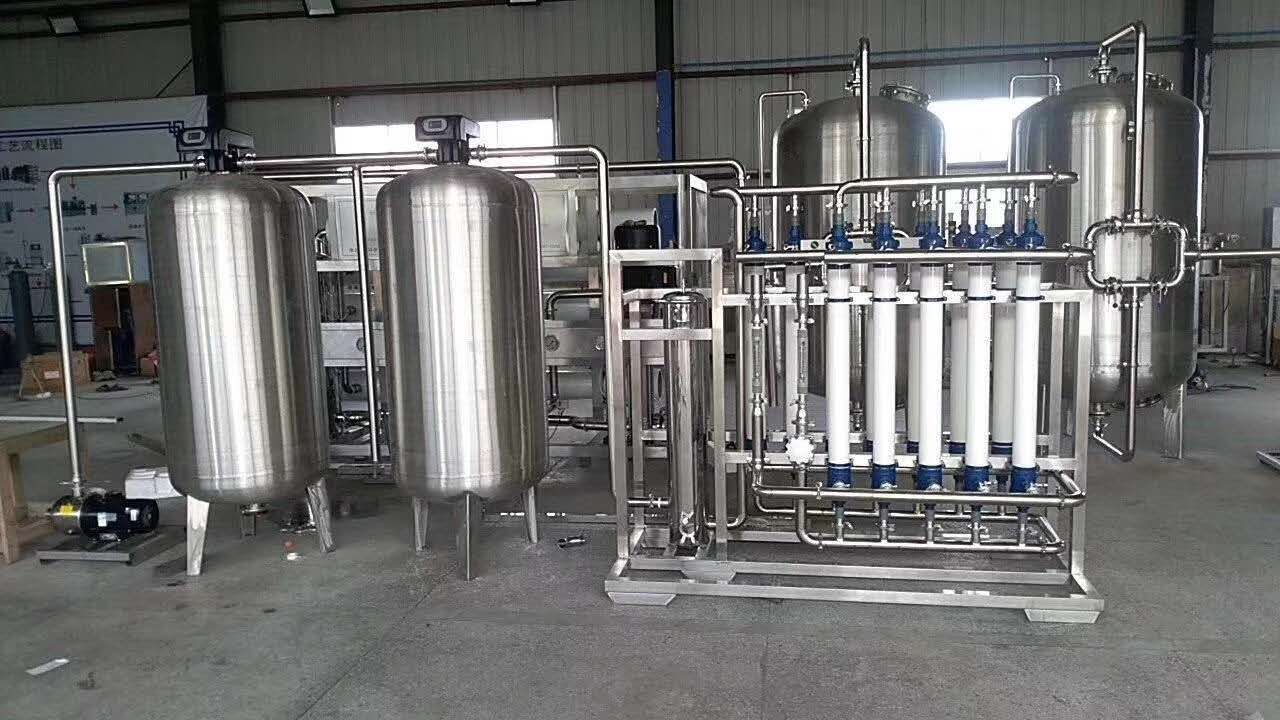
- Water Treatment: Multi-stage filtration processes such as RO reverse osmosis, activated carbon filters, and UV sterilization.
- Bottle Handling: Systems for washing, filling, capping, and inspecting bottles.
- Automation: PLC-based intelligent control systems for synchronized operations.
3-in-1 Machine Limitations
The 3-in-1 machine integrates bottle washing, filling, and capping into a single unit. However, it has certain limitations:
- Capacity Constraints: Typically rated between 200–2,500 bottles/hour depending on bottle size and configuration.
- Material Compatibility: Primarily suitable for PET bottles; other materials may require additional adjustments.
- Hygiene Standards: Must meet ISO Class 8 (100,000) or higher standards for cleanroom environments.
Implementation Steps and Risk Management
To implement these systems effectively, consider the following steps:
- Assess Production Needs: Determine your target capacity, bottle sizes, and material requirements.
- Select Appropriate Equipment: Choose machines that match your specific needs while considering their limitations.
- Installation and Commissioning: Ensure proper installation by trained technicians and thorough commissioning tests.
- Operator Training: Provide comprehensive training to operators to maintain system performance.
Boundary Considerations
It's crucial to understand the operational boundaries of each component. For example, the core purification process must align with actual source water quality and target water standards. Additionally, the integration of air purification systems ensures a controlled environment, minimizing contamination risks.
Next Steps
For further assistance, we recommend contacting our technical team to discuss your specific requirements. They can provide tailored advice based on your facility constraints and production goals.
Key Points
- Understand the scope of small bottled water line equipment.
- Recognize the limitations of 3-in-1 machines.
- Follow structured implementation steps for optimal results.
Conclusion
By understanding the scope and limitations of small bottled water line equipment and 3-in-1 machines, procurement managers can make informed decisions that enhance production efficiency and product quality.
CTA Text
Contact us today to learn how Chuxin Mingwei can help you optimize your water treatment and filling systems.