
Optimize Utility Conditions for Industrial Water Treatment Systems
Optimize Utility Conditions for Industrial Water Treatment Systems
Introduction
Optimizing utility conditions is crucial for ensuring the optimal performance and longevity of industrial water treatment systems. This guide provides a comprehensive overview tailored for procurement managers and operations leads in beverage, food, pharmaceutical, electronics, and heavy industries.
Understanding Utility Conditions
Utility conditions refer to the environmental and operational parameters that affect the performance of water treatment systems. These include:
- Water Quality: Source water characteristics such as hardness, pH, and contaminant levels.
- Temperature: Operating temperatures that impact system efficiency and material compatibility.
- Pressure: System pressure requirements for effective filtration and purification processes.
- Energy Consumption: Power requirements for pumps, compressors, and other equipment.
Key Considerations for Optimization
1. Water Quality Assessment
Accurate assessment of source water quality is essential for designing an effective treatment system. For example, Chuxin Mingwei’s bottled spring water filling production line uses a dual-membrane NF + UF process to balance purification efficiency with mineral retention.
2. Temperature Control
Maintaining optimal operating temperatures ensures efficient operation and prevents damage to sensitive components. The Clean Air Purification Systems by Chuxin Mingwei are designed to meet ISO Class 8 standards, providing controlled environments for water bottling and barrelled water filling cleanrooms.
3. Pressure Management
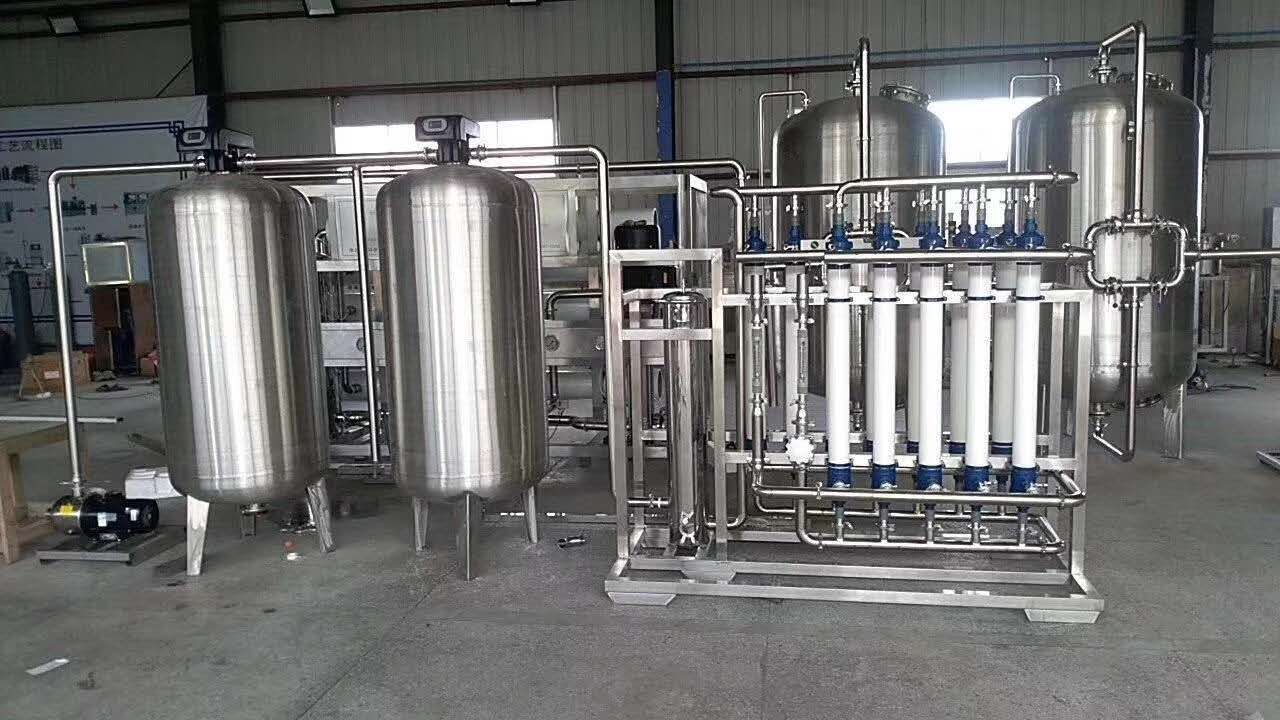
Proper pressure management is critical for consistent flow rates and filtration efficiency. The fully automatic bottled purified water filling production line integrates dual-stage RO deep purification combined with ozone and UV sterilization, ensuring high-quality output.
4. Energy Efficiency
Minimizing energy consumption not only reduces operational costs but also enhances sustainability. Chuxin Mingwei’s systems incorporate PLC-based intelligent control systems, optimizing energy use while maintaining high performance.
Practical Steps for Implementation
- Conduct a Comprehensive Site Survey: Assess existing utility conditions and identify areas for improvement.
- Select Appropriate Equipment: Choose systems that match your specific utility conditions, such as the JR-COMBI-01 machine for PET bottles.
- Implement Monitoring Systems: Use real-time diagnostics and remote-ready interfaces to continuously monitor and adjust utility conditions.
- Train Operators: Ensure staff are trained on best practices for maintaining optimal utility conditions.
Boundaries and Risks
While optimizing utility conditions can significantly enhance system performance, it is important to be aware of potential risks:
- Over-Specification: Avoid over-engineering systems beyond necessary requirements.
- Maintenance Overload: Regular maintenance schedules should be balanced to prevent excessive downtime.
- Cost Implications: Evaluate the cost-benefit ratio of proposed optimizations.
Next Steps
For further assistance in optimizing utility conditions for your water treatment systems, consider the following steps:
- Contact Chuxin Mingwei: Our team of experts can provide tailored solutions based on your specific needs.
- Review Case Studies: Explore our mineral water filling machine maintenance and repair guides for practical insights.
- Schedule a Consultation: Arrange a consultation to discuss your unique requirements and receive personalized recommendations.
Conclusion
By carefully assessing and optimizing utility conditions, you can ensure the long-term reliability and efficiency of your industrial water treatment systems. Contact Chuxin Mingwei today to learn more about how we can support your optimization efforts.