
Establishing a Decision Tree for 3-Gallon vs 5-Gallon Line Configuration
Establishing a Decision Tree for 3-Gallon vs 5-Gallon Line Configuration
When designing a bottled water production line, selecting between a 3-gallon and 5-gallon configuration is crucial. This article provides practical insights into making an informed decision based on your production needs, facility layout, and long-term maintainability.
Key Considerations for Selection
Capacity and Output
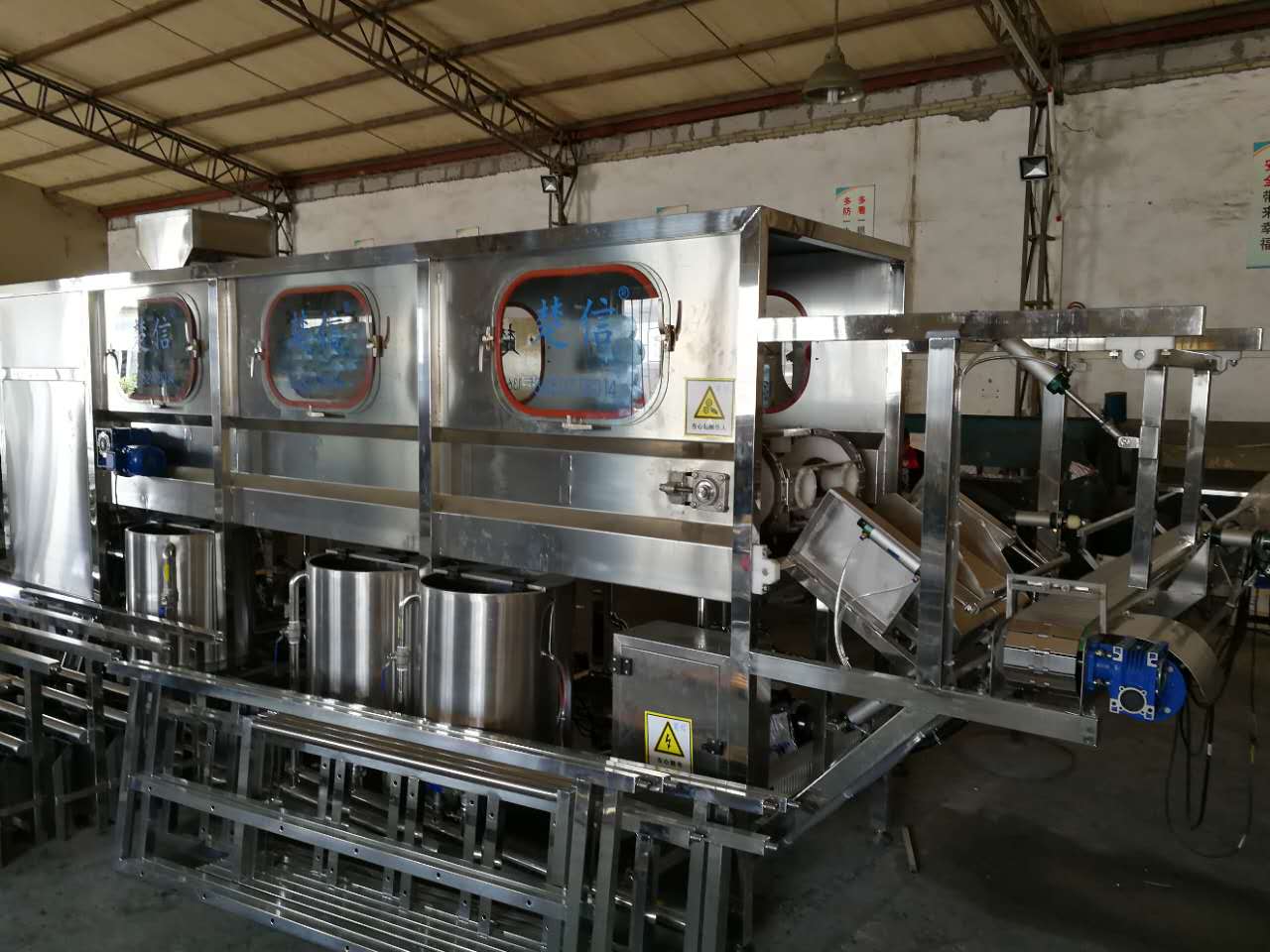
Your production capacity needs are paramount. A 5-gallon line generally supports higher output rates compared to a 3-gallon line. For instance, our fully automatic bottled purified water filling production line can handle capacities ranging from 200 to 2,500 bottles per hour for 5-gallon bottles.
Efficiency and Automation
Automation levels significantly impact the efficiency of your production line. Both configurations offer fully automated workflows, but 5-gallon systems often include advanced features such as dual-stage RO purification combined with ozone and UV sterilization.
Facility Constraints
Consider your facility's layout and available space. Larger formats like 5-gallon may require more floor space and specialized handling equipment. Ensure that your facility can accommodate these requirements without compromising workflow efficiency.
Operational Contexts
Real-world operational contexts must be considered. Water treatment processes, packaging formats, and facility constraints all play a role in determining the most suitable configuration. Tailored solutions ensure stability and applicability.
Implementation Steps
- Assess Market Demand: Determine the demand for different bottle sizes in your target market. This will help you decide which configuration best suits your needs.
- Evaluate Current Infrastructure: Check if your existing infrastructure supports the chosen configuration. Upgrades might be necessary for certain components.
- Consult Industry Experts: Engage with industry experts to get tailored advice based on your specific requirements.
Boundaries and Risks
While both configurations have their advantages, there are some limitations:
- Initial Investment: Larger capacity lines (5-gallon) generally involve higher initial costs due to increased automation and larger machinery.
- Maintenance Requirements: More complex systems may require more frequent maintenance checks to ensure optimal performance.
Conclusion
Choosing between a 3-gallon and 5-gallon line configuration depends on various factors including capacity needs, automation levels, facility constraints, and operational contexts. By carefully evaluating these aspects, you can make an informed decision that aligns with your business goals. For further assistance, contact our team to discuss your specific requirements and receive personalized recommendations.