
Procurement Guide: Consolidating Technical FAQs for Water Filling Line Selection
Procurement Guide: Consolidating Technical FAQs for Water Filling Line Selection
For procurement managers and operations leads in the beverage, food, and pharmaceutical sectors, evaluating industrial water treatment and filling equipment often involves navigating fragmented technical questions. Common inquiries range from purification process suitability to capacity validation and cleanroom integration. Rather than addressing these as isolated issues, this guide consolidates critical decision points into a unified framework. It focuses on matching your specific operational context with Chuxin Mingwei's engineered solutions, ensuring stability, applicability, and maintainability.
1. Matching Source Water to Purification Technology
The most frequent technical ambiguity arises from selecting the wrong purification process for the intended product type. The choice between retaining natural minerals or achieving deep purification dictates the entire front-end system design.
Spring Water Applications (NF + UF)
If your project targets bottled spring water, the goal is to remove impurities while preserving beneficial mineral content. Chuxin Mingwei's Bottled Spring Water Filling Production Line utilizes a Dual-membrane NF (Nanofiltration) + UF (Ultrafiltration) process. This configuration balances purification efficiency with mineral retention, unlike aggressive reverse osmosis which strips most dissolved solids.
- Decision Check:*
- Confirm your raw water analysis. If the objective is "natural spring water" certification, verify that the proposed system includes NF membranes rather than standard RO.
- System Integration:*
- This process feeds directly into an integrated bottle washing-filling-capping unit, designed to handle the specific viscosity and flow characteristics of mineral-rich water.
Purified Water Applications (Dual-Stage RO)
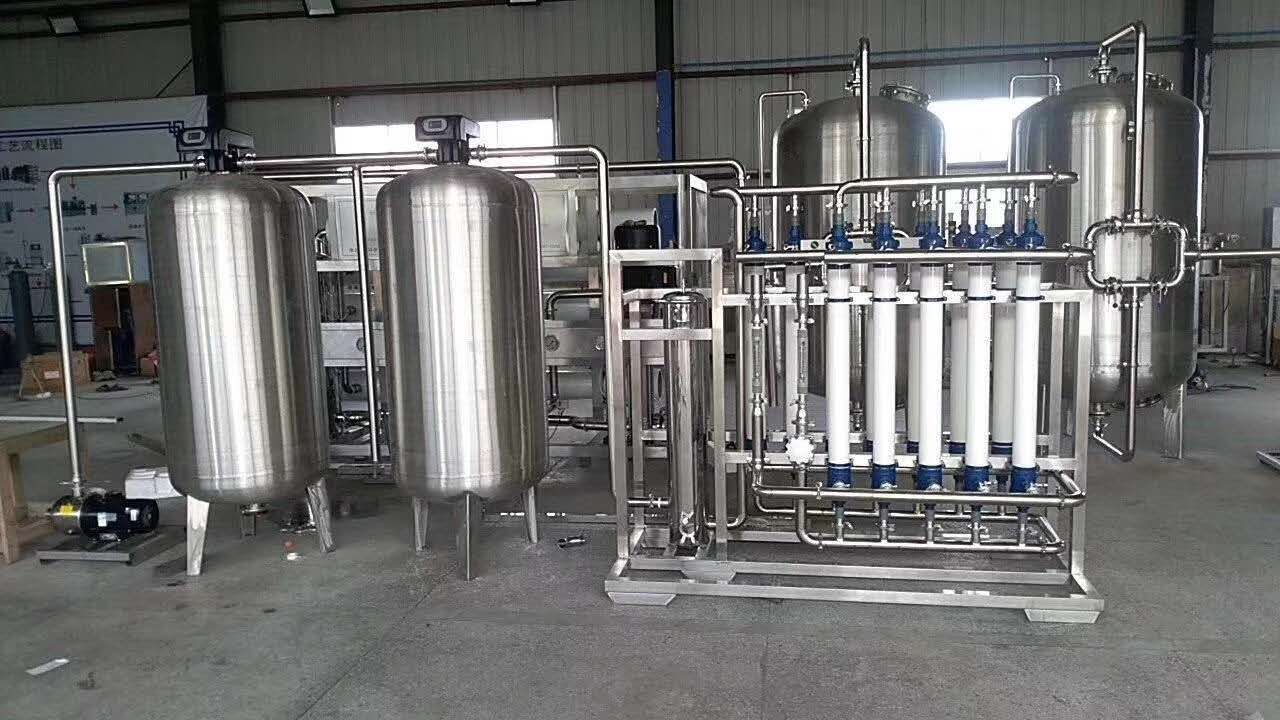
For bottled purified water, strict removal of contaminants is paramount. The Fully Automatic Bottled Purified Water Filling Production Line employs a two-stage RO (Reverse Osmosis) deep purification process.
- Sterilization Protocol:*
- To ensure biological stability, this system combines RO with ozone and UV (254 nm) dual sterilization.
- Process Flow:*
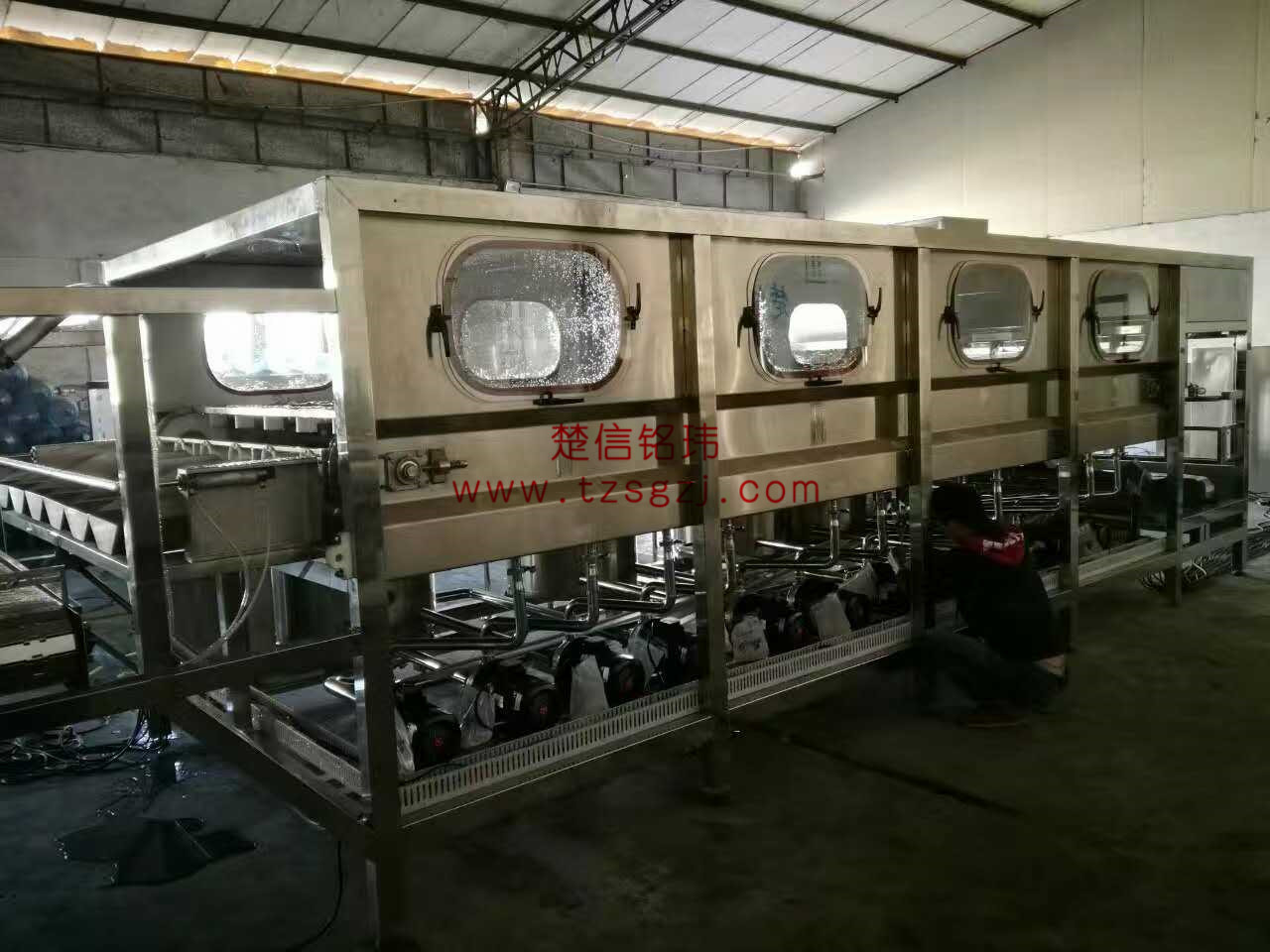
- The workflow is fully automated, synchronizing bottle washing, filling, capping, and inspection with minimal manual intervention. This reduces contamination risks inherent in semi-automatic transitions.
2. Validating Capacity Against Packaging Formats
Capacity claims in equipment brochures often cite maximum theoretical throughput under ideal conditions. However, real-world production depends heavily on bottle format and size. A line rated for high speed with 500mL PET bottles will perform differently with large-format containers.
Throughput Realities
Chuxin Mingwei's systems are engineered for flexibility across standard drinking water bottles, including 18.9 L, 11.3 L, and 5 L formats.
- Rated Output Context:*
- For example, the barrelled water filling lines offer a rated output capacity of 200–1,800 bottles/hour specifically when based on 18.9 L bottles. Similarly, purified water lines can reach 200–2,500 bottles/hour, but this figure is customizable and contingent on the specific bottle diameter and height being processed.
- Filling Precision:*
- High speed must not compromise accuracy. Our integrated units maintain a filling accuracy of ≤ ±2 mL and achieve a capping pass rate of ≥99.6%. When reviewing vendor proposals, demand clarity on whether the quoted capacity refers to your largest or smallest bottle SKU.
3. Integrating Clean Air Support Systems
A common oversight in procurement is treating air purification as an afterthought. In reality, the cleanroom environment is integral to the filling line's compliance and product safety, particularly for pharmaceutical and high-standard beverage applications.
Facility Constraints and Compliance
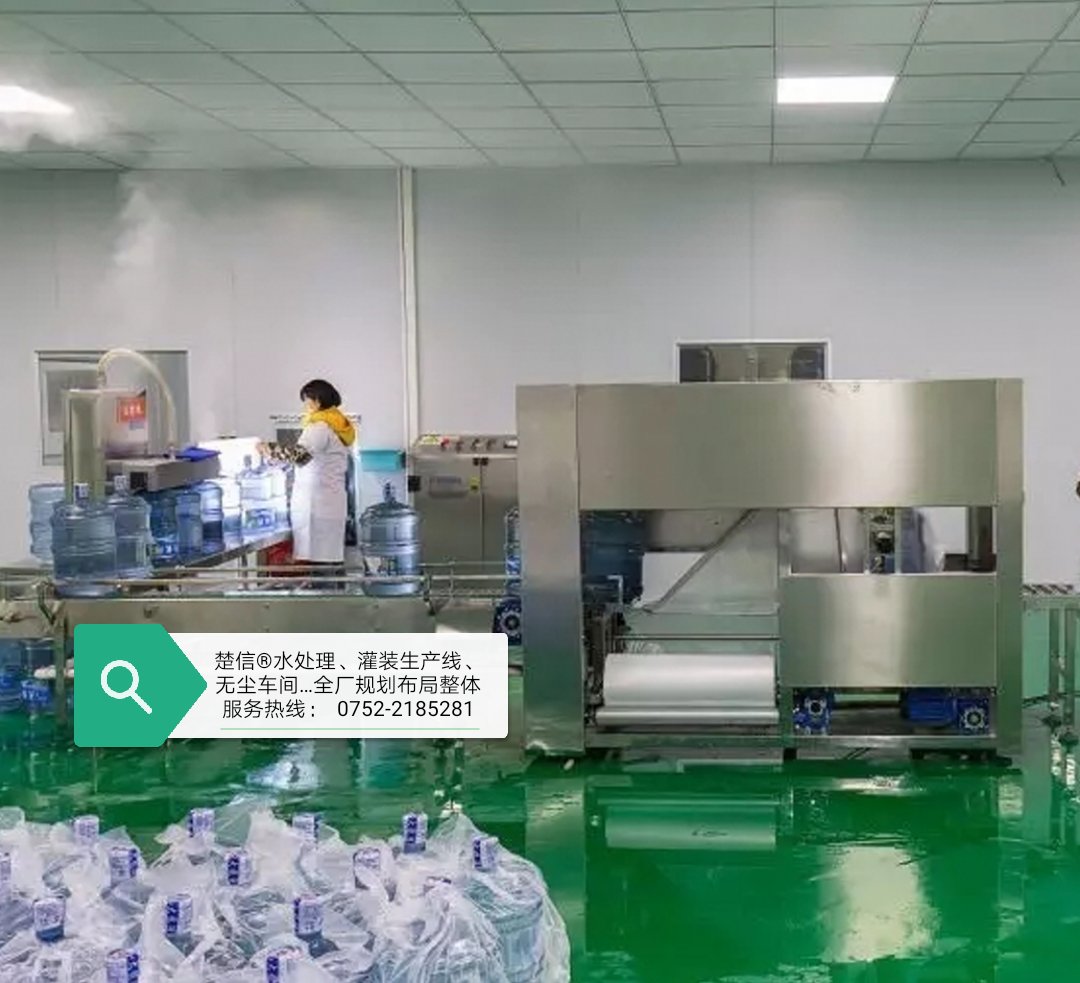
Chuxin Mingwei provides Custom-engineered Air Purification Systems designed to integrate seamlessly with your water treatment and filling line operations.
- Standards:*
- These systems are designed to meet ISO Class 8 (100,000) standards, with upgradability to Class 7 (10,000) depending on your regulatory requirements.
- Site-Specific Engineering:*
- Airflow, duct routing, and pressure zoning are not off-the-shelf components. They are calculated based on your facility's layout. The systems feature H13 HEPA filtration with airflow ranges from 1,500 – 20,000 m³/h, selected specifically for the project volume.
- Control Integration:*
- Equipped with PLC + HMI control, these systems offer real-time diagnostics and remote-ready interfaces, ensuring that air quality data is accessible alongside production metrics.
4. Defining Service Scope and Delivery Boundaries
Finally, clear procurement requires understanding the full lifecycle of the equipment delivery. Chuxin Mingwei operates as an end-to-end engineering service provider, not just a hardware vendor.
The Delivery Workflow
Our engagement model prioritizes execution and sustained support:
- Design: Engineering solutions based on actual source water quality, target standards, and facility constraints.
- Manufacturing: Fabrication of non-standard, site-specific components.
- Installation & Commissioning: On-site setup to ensure all subsystems (water, air, filling) operate in harmony.
- Operator Training: Ensuring your team can manage the PLC-based intelligent control systems effectively.
- After-Sales Support: Long-term maintainability is a core differentiator, with clear boundaries defined for spare parts, remote diagnostics, and on-site service visits.
Conclusion and Next Steps
Consolidating these technical FAQs reveals that successful equipment procurement relies on precise scenario matching. Whether it is selecting the correct membrane technology for your water source, validating throughput for 18.9L barrels, or designing an ISO-compliant cleanroom, generic specifications are insufficient.
To move from evaluation to implementation, we recommend preparing your raw water quality report and target production capacity details. Chuxin Mingwei's engineering team can then provide a configuration review that aligns with your specific operational goals and facility constraints.
Ready to define your project specifications? Contact our technical team to initiate a site-specific consultation and receive a preliminary configuration proposal tailored to your water quality and production needs.
Recommended
Bottled Spring Water Filling Production Line
Chuxin Mingwei’s customized bottled spring water filling production line is specifically...
Fully Automatic Bottled Purified Water Filling Production Line
Chuxin Mingwei’s customized fully automatic bottled purified water filling production li...
Clean Air Purification Systems
Custom-engineered air purification systems for water bottling and barrelled water fillin...