
New Utility Infrastructure Confirmation: A Practical Guide for Water Filling Line Projects
New Utility Infrastructure Confirmation: A Practical Guide for Water Filling Line Projects
For procurement managers and digital project teams in the beverage, food, and pharmaceutical sectors, the success of a new production line often hinges on decisions made before the first machine arrives. "New utility infrastructure confirmation" is not merely a checklist; it is the critical process of validating that your facility's foundational systems—water source, electrical supply, air quality, and spatial layout—can support the specific technical requirements of custom water treatment and filling equipment.
At Chuxin Mingwei, we engineer non-standard solutions based on actual site conditions. This guide outlines the essential verification steps required to ensure your new utility infrastructure aligns with our engineered delivery scope, minimizing commissioning risks and ensuring long-term operational stability.
Who Needs This Verification?
This confirmation process is essential for:
- Procurement Managers
- defining tender requirements for turnkey water plants.
- Operations Leads
- planning facility upgrades for bottled or barrelled water production.
- Project Teams
- responsible for integrating clean air systems with existing manufacturing floors.
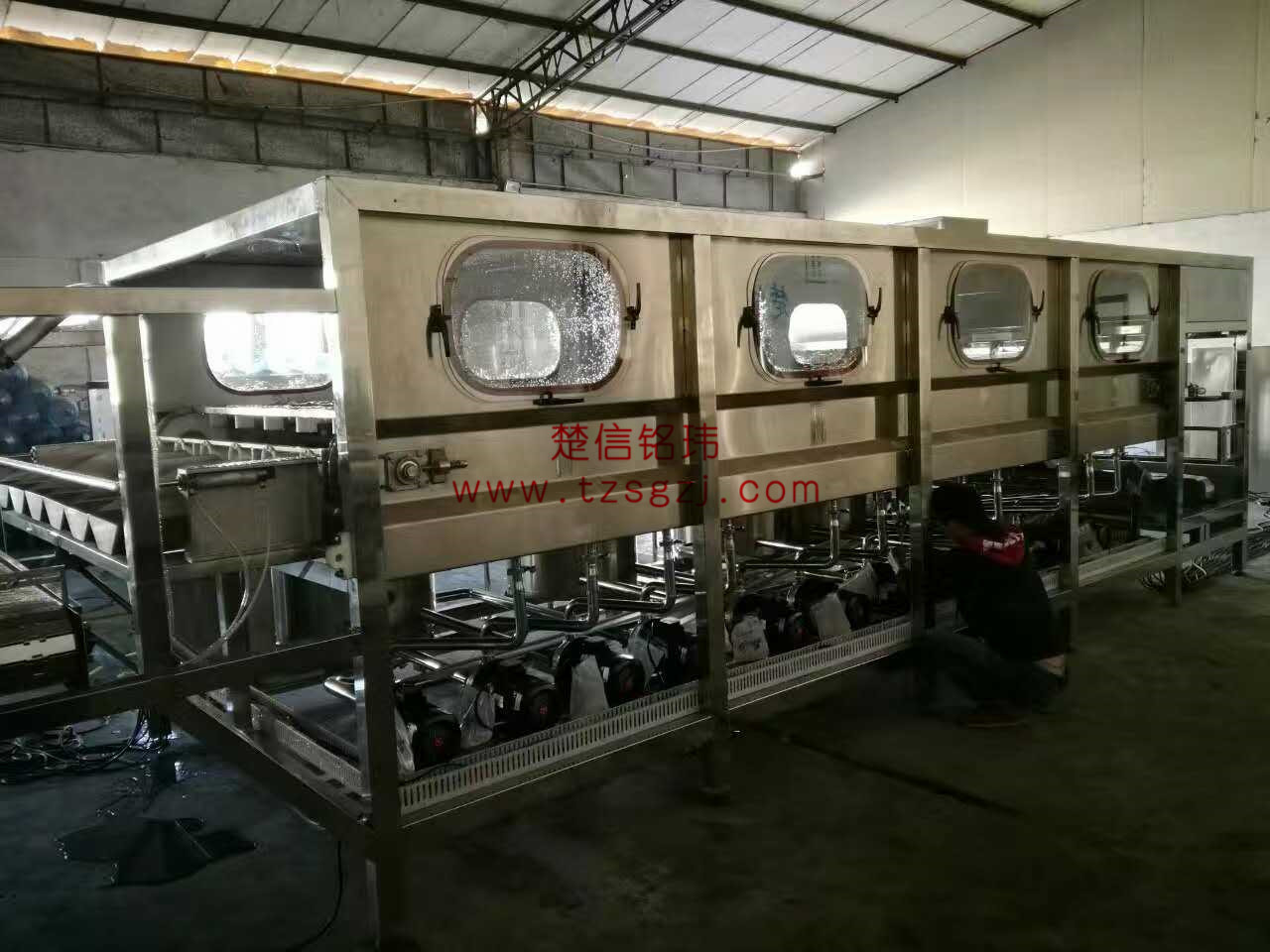
Whether you are deploying a Fully Automatic Bottled Purified Water Filling Production Line or installing an Industrial Clean Air Solution, the underlying utilities must match the equipment's design parameters.
Core Verification Dimensions
1. Source Water Quality vs. Treatment Process Design
The most common bottleneck in new projects is a mismatch between raw water characteristics and the selected purification technology.
- Action:*
- Conduct a comprehensive raw water analysis before finalizing equipment specifications.
- Technical Context:*
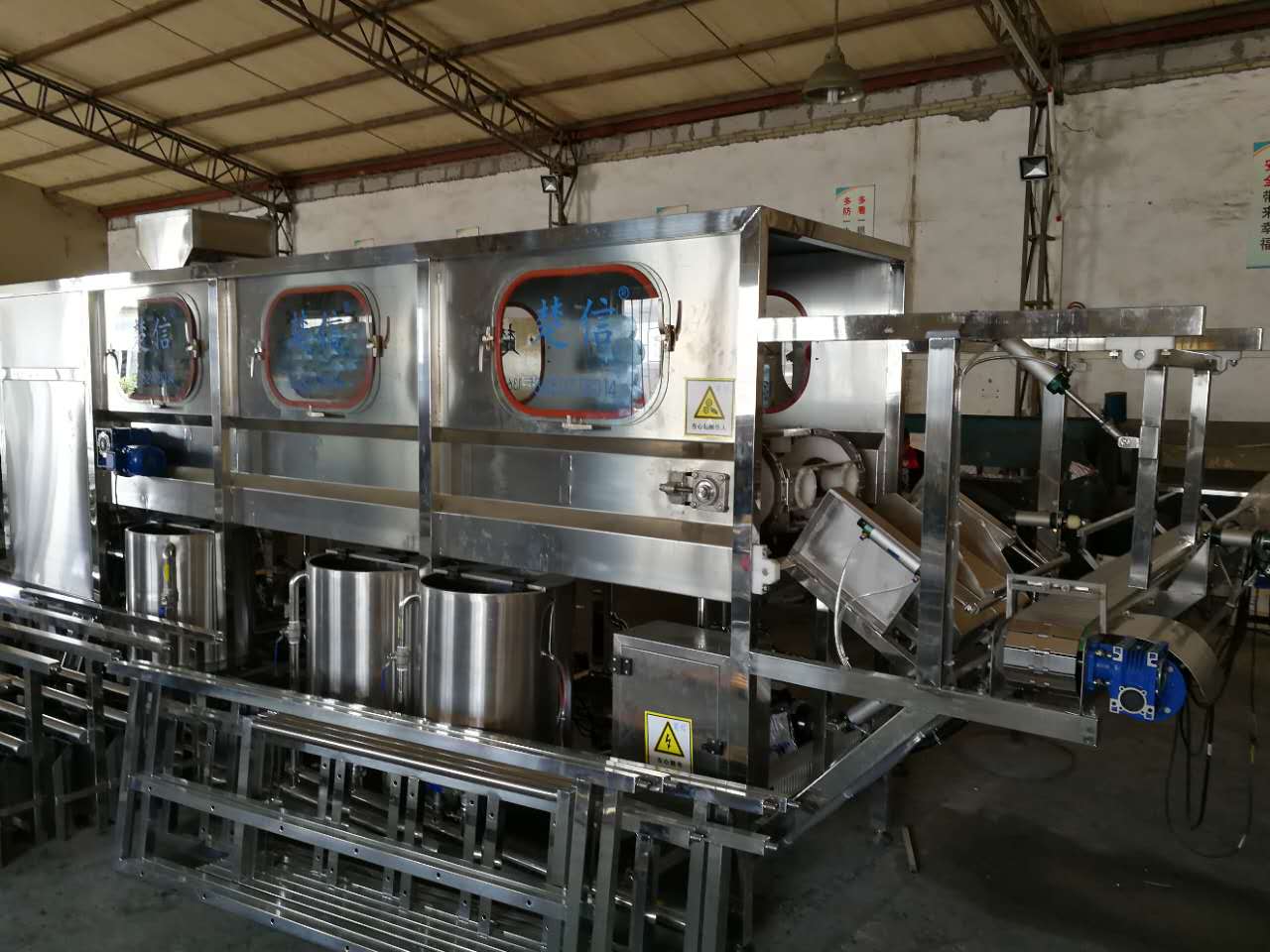
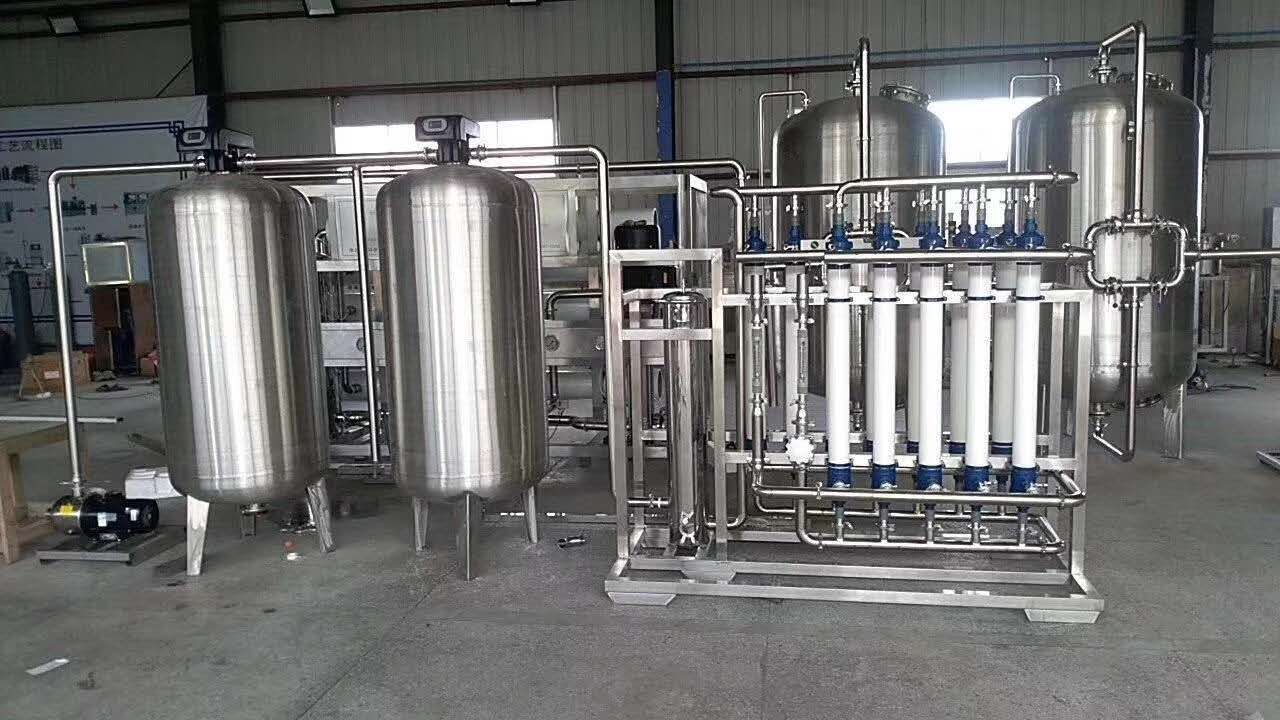
- If your target is purified water, our systems typically utilize a dual-stage RO (Reverse Osmosis) process combined with ozone and UV sterilization. However, if you are producing spring water where mineral retention is mandatory, a Dual-membrane NF (Nanofiltration) + UF (Ultrafiltration) process is required.
- Verification Point:*
- Confirm that your raw water TDS, hardness, and organic content fall within the operating range of the proposed membrane system. Failure to validate this can lead to premature membrane fouling or inability to meet target output capacity (e.g., 200–2,500 bottles/hour).
2. Clean Air Standards and Zoning
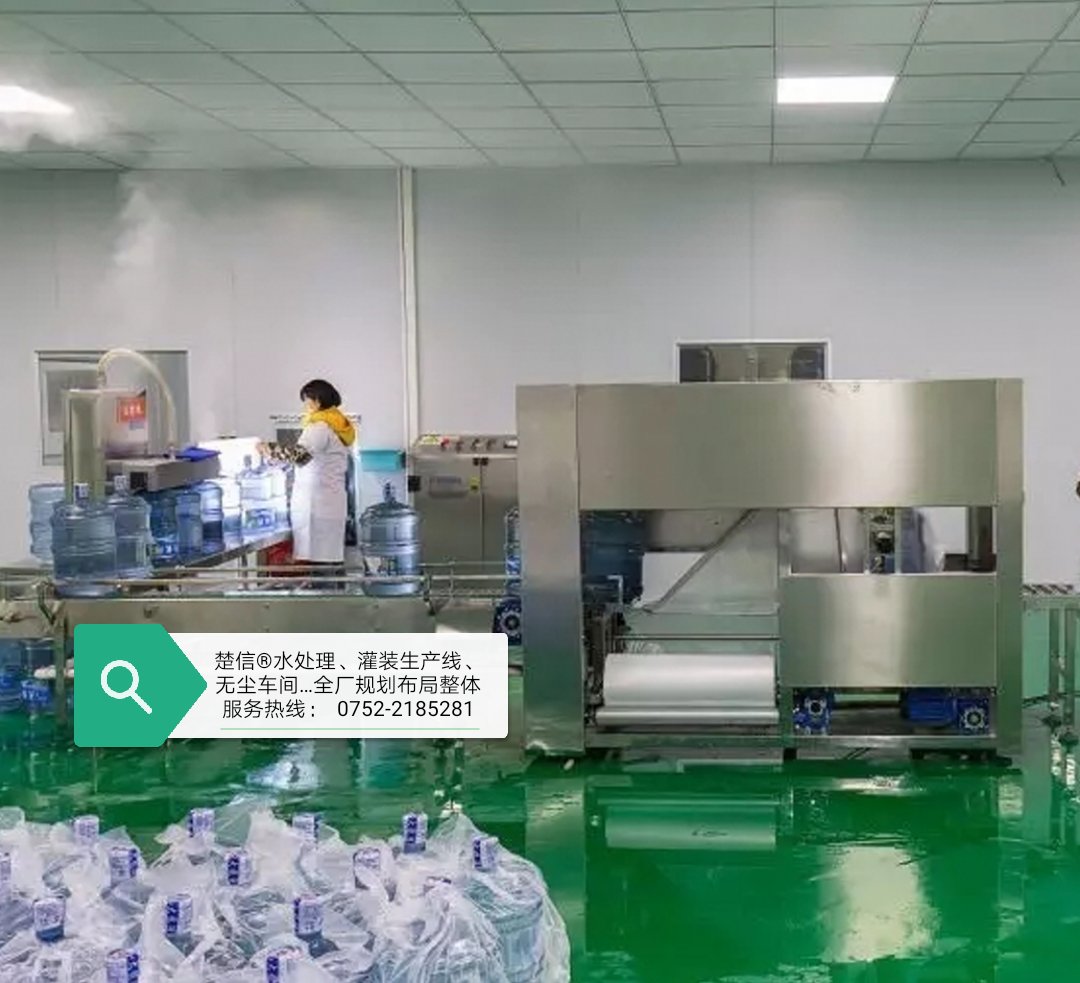
For beverage and pharmaceutical applications, the filling environment is as critical as the water quality. Our Clean Air Purification Systems are engineered to meet ISO Class 8 (100,000) standards, with options to upgrade to Class 7 (10,000).
- Action:*
- Map out airflow routing, pressure zoning, and duct installation paths prior to equipment arrival.
- Technical Context:*
- The system relies on H13 HEPA filtration efficiency and precise airflow ranges (1,500 – 20,000 m³/h) tailored to the specific room volume.
- Verification Point:*
- Ensure the facility structure can support the required positive pressure differentials between the washing, filling, and capping zones. The PLC-based control interface requires stable network connectivity for real-time diagnostics; verify IT infrastructure readiness in the cleanroom zone.
3. Capacity Planning and Hydraulic Balance
A frequent error in utility planning is calculating power and water demand based solely on nominal bottle output, ignoring auxiliary consumption.
- Action:*
- Perform a material and energy balance calculation that includes bottle rinsing, CIP (Clean-in-Place) cycles, and peak buffer requirements.
- Technical Context:*
- For a line handling 18.9L barrels or 500mL PET bottles, the instantaneous water demand during the rinsing phase can exceed the steady-state filling rate.
- Verification Point:*
- Verify that raw water tanks and finished product tanks have sufficient volume to balance short-term fluctuations. Check that electrical supply supports the synchronized start-up of the bottle washing-filling-capping unit without voltage drops that could affect the PLC intelligent control system.
Implementation Boundaries and Risks
While Chuxin Mingwei provides end-to-end engineering services including design, manufacturing, and installation, certain boundaries define the scope of new utility confirmation:
- Site-Specific Constraints:*
- Our solutions are customized based on facility constraints. If the existing building height cannot accommodate the vertical profile of the integrated bottle handling unit, structural modifications are the client's responsibility prior to installation.
- Utility Interfaces:*
- We define the connection points for water, electricity, and air. The infrastructure extending from the municipal grid or source well to these connection points must be prepared by the client according to our provided utility load sheet.
- Regulatory Compliance:*
- While our equipment is designed to support ISO 14644-1 Class 8 compliance, local environmental discharge permits for wastewater and construction approvals for cleanroom modifications remain the client's regulatory obligation.
Next Steps for Project Validation
To move from planning to execution with confidence:
- Submit Raw Water Report: Provide a recent water quality analysis to our engineering team to validate the purification process selection.
- Share Facility Layout: Submit CAD drawings of the intended production area to verify airflow dynamics and equipment footprint compatibility.
- Define Output Targets: Clarify your required capacity (e.g., bottles per hour) and packaging formats (5L, 11.3L, 18.9L) to finalize the configuration of the filling line.
By rigorously confirming these utility parameters early, you ensure that the subsequent phases of manufacturing, commissioning, and operator training proceed without costly delays.
Conclusion
New utility infrastructure confirmation is the bridge between theoretical capacity and actual production stability. By aligning your site's water, air, and power realities with Chuxin Mingwei's engineered specifications, you prioritize applicability and long-term maintainability. Do not guess on parameters; validate them against your specific source water and facility constraints before breaking ground.
Ready to validate your project requirements? Contact our technical team to review your water quality data and facility layout. We will provide a preliminary feasibility assessment to ensure your new utility infrastructure supports a stable, high-efficiency production line.
Recommended
Bottled Spring Water Filling Production Line
Chuxin Mingwei’s customized bottled spring water filling production line is specifically...
Fully Automatic Bottled Purified Water Filling Production Line
Chuxin Mingwei’s customized fully automatic bottled purified water filling production li...
Clean Air Purification Systems
Custom-engineered air purification systems for water bottling and barrelled water fillin...