
Enterprise
Water Treatment Technologies

Practical guidance for better product and service decisions.

Determining RO Pretreatment Sequence from Raw Water Quality: Process Positioning, Working Principles & Field Control Poi

Published: 2026-07-25

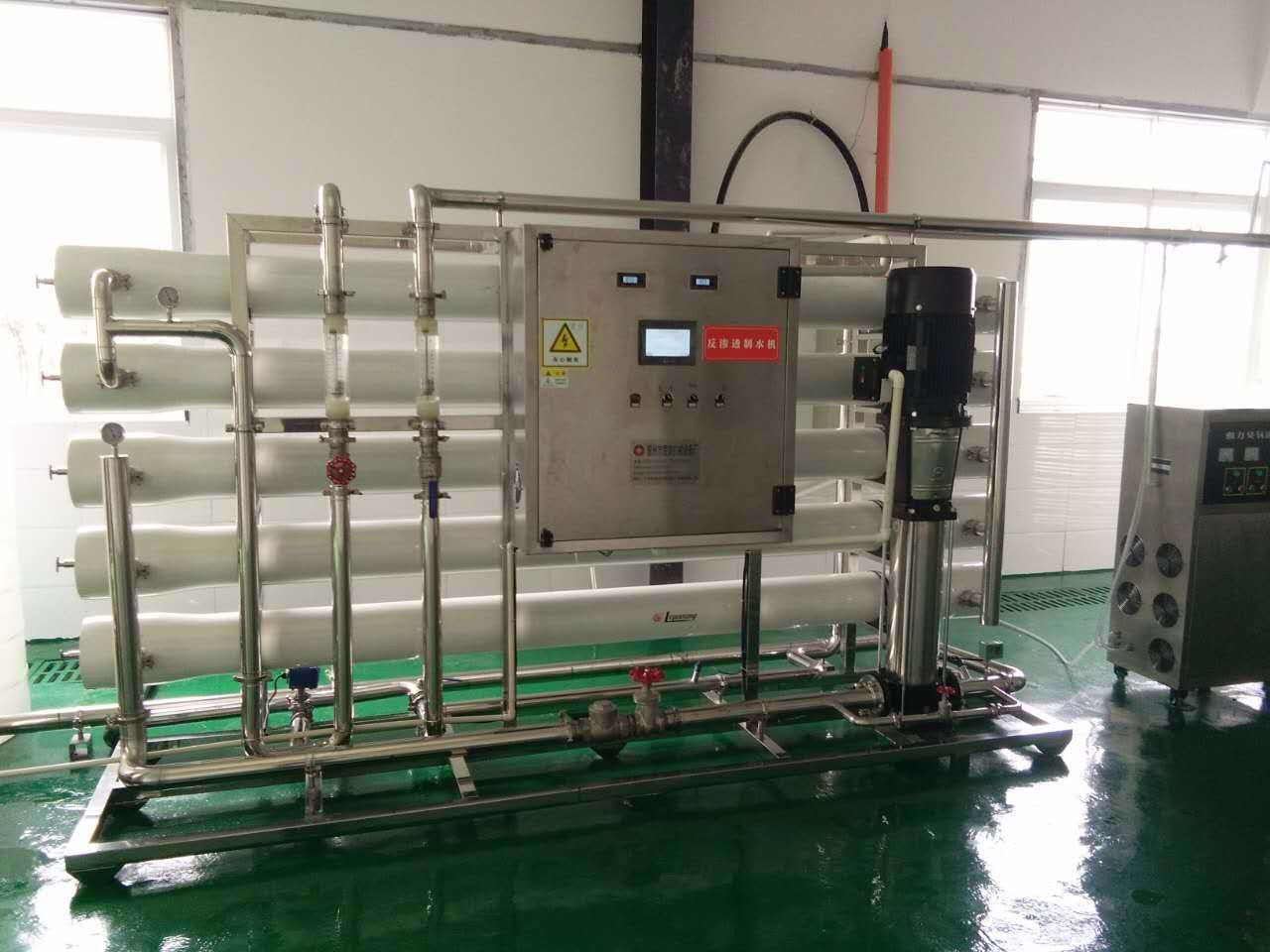
Determining RO Pretreatment Sequence from Raw Water Quality: Process Positioning, Working Principles & Field Control Points \\![Hero Image](http://rpidj9qp.saas.cookeji.com/uploads/images/20260714/202607141643293e6060045.jpg) \\[Chuxin Mingwei provides custom water treatment solutions for various industries, including beverage, food, pharmaceuticals, and electronics. Our expertise in designing and manufacturing water treatment systems ensures that your specific needs are met with precision and reliability.]\\n
Determining RO Pretreatment Sequence from Raw Water Quality: Process Positioning, Working Principles & Field Control Poi

Introduction \\[Determining the correct pretreatment sequence for a reverse osmosis (RO) system is crucial for ensuring the longevity and efficiency of the RO membranes. The pretreatment process removes contaminants that can damage or foul the RO membranes, thereby extending their operational life and maintaining high water quality. This article will guide you through the process of determining the optimal RO pretreatment sequence based on the quality of your raw water.]\\n

Understanding Raw Water Quality \\[Raw water quality varies significantly depending on the source, such as groundwater, surface water, or municipal water. Key parameters to consider include:]\\n- Total Suspended Solids (TSS): High TSS levels can clog filters and reduce the effectiveness of the RO system. \\- Total Dissolved Solids (TDS): High TDS levels can increase the osmotic pressure, making the RO process less efficient. \\- Hardness: Calcium and magnesium ions can cause scaling on the RO membranes. \\- Iron and Manganese: These metals can oxidize and form insoluble compounds that can foul the membranes. \\- Microbial Contamination: Bacteria, viruses, and other microorganisms can grow on the membranes, leading to biofouling. \\- pH Levels: Extreme pH levels can damage the RO membranes. \\- Organic Matter: Organic compounds can cause fouling and reduce the membrane's performance. \\- Silica: High silica levels can lead to scaling and reduce the membrane's lifespan. \\- Chlorine and Chloramines: These disinfectants can oxidize and damage the RO membranes. \\n

Principles of RO Pretreatment \\[The primary goal of RO pretreatment is to remove or reduce these contaminants to acceptable levels. The pretreatment sequence typically includes the following steps:]\\n

1. Coarse Filtration \\[Coarse filtration, often using multimedia filters, removes large particles and suspended solids. This step is essential for protecting downstream equipment and reducing the load on finer filters.]\\n

2. Fine Filtration \\[Fine filtration, typically using cartridge filters, removes smaller particles and fine sediments. This step further reduces the load on the RO membranes and prevents physical damage.]\\n

3. Softening \\[Water softening, using ion exchange resins, removes calcium and magnesium ions to prevent scaling on the RO membranes. This step is particularly important for hard water sources.]\\n

4. Carbon Filtration \\[Activated carbon filters remove chlorine, chloramines, and organic compounds. This step is crucial for preventing oxidation and fouling of the RO membranes.]\\n

5. Antiscalant Addition \\[Antiscalants are added to prevent the formation of scale on the RO membranes. This step is especially important for water with high TDS and silica levels.]\\n

6. Pre-RO Filtration \\[A final stage of filtration, often using 5-micron or finer cartridge filters, ensures that the water entering the RO system is free of any remaining particles.]\\n

Determining the Optimal Pretreatment Sequence \\[To determine the optimal pretreatment sequence, follow these steps:]\\n

1. Conduct a Comprehensive Water Analysis \\[Perform a detailed analysis of the raw water to determine the levels of TSS, TDS, hardness, iron, manganese, microbial contamination, pH, organic matter, silica, and chlorine.]\\n

2. Identify Critical Parameters \\[Identify the critical parameters that need to be addressed. For example, if the water has high TSS, coarse and fine filtration will be necessary. If the water is hard, softening will be required.]\\n

3. Select Appropriate Pretreatment Steps \\[Based on the identified parameters, select the appropriate pretreatment steps. For instance, if the water has high TDS and silica, antiscalant addition will be essential.]\\n

4. Design the Pretreatment System \\[Design the pretreatment system to ensure that each step is properly integrated and that the water meets the required quality standards before entering the RO system.]\\n

5. Implement and Monitor \\[Implement the pretreatment system and continuously monitor the water quality to ensure that the RO membranes are protected and the system operates efficiently.]\\n

Field Control Points \\[To ensure the effective operation of the pretreatment system, the following field control points should be monitored:]\\n- Pressure Drop Across Filters: A significant pressure drop indicates that the filters need to be cleaned or replaced. \\- Flow Rates: Ensure that the flow rates are within the specified range to maintain the efficiency of the pretreatment system. \\- pH Levels: Maintain the pH levels within the recommended range to prevent damage to the RO membranes. \\- Antiscalant Dosing: Ensure that the antiscalant is dosed at the correct rate to prevent scaling. \\- Filtration Efficiency: Regularly check the filtration efficiency to ensure that the water is free of contaminants. \\- Softener Regeneration: Monitor the regeneration cycle of the softener to ensure that it is functioning correctly. \\- Carbon Filter Replacement: Replace the activated carbon filters as per the manufacturer's recommendations to maintain their effectiveness. \\n

Conclusion \\[Determining the optimal RO pretreatment sequence based on raw water quality is essential for the efficient and reliable operation of the RO system. By following the steps outlined in this article, you can design and implement a pretreatment system that protects the RO membranes and ensures high water quality. For more information and tailored solutions, contact Chuxin Mingwei.]\\n

Next Steps \\If you need assistance in determining the optimal RO pretreatment sequence for your specific application, [contact us to schedule a consultation. Our team of experts will provide you with a customized solution based on your water quality, capacity, and facility requirements.]\\n