
What Mechanical and Control Interfaces Must Be Aligned When Adding a Barrel-Wrap Machine to an Existing Filling Line?
What Mechanical and Control Interfaces Must Be Aligned When Adding a Barrel-Wrap Machine to an Existing Filling Line?
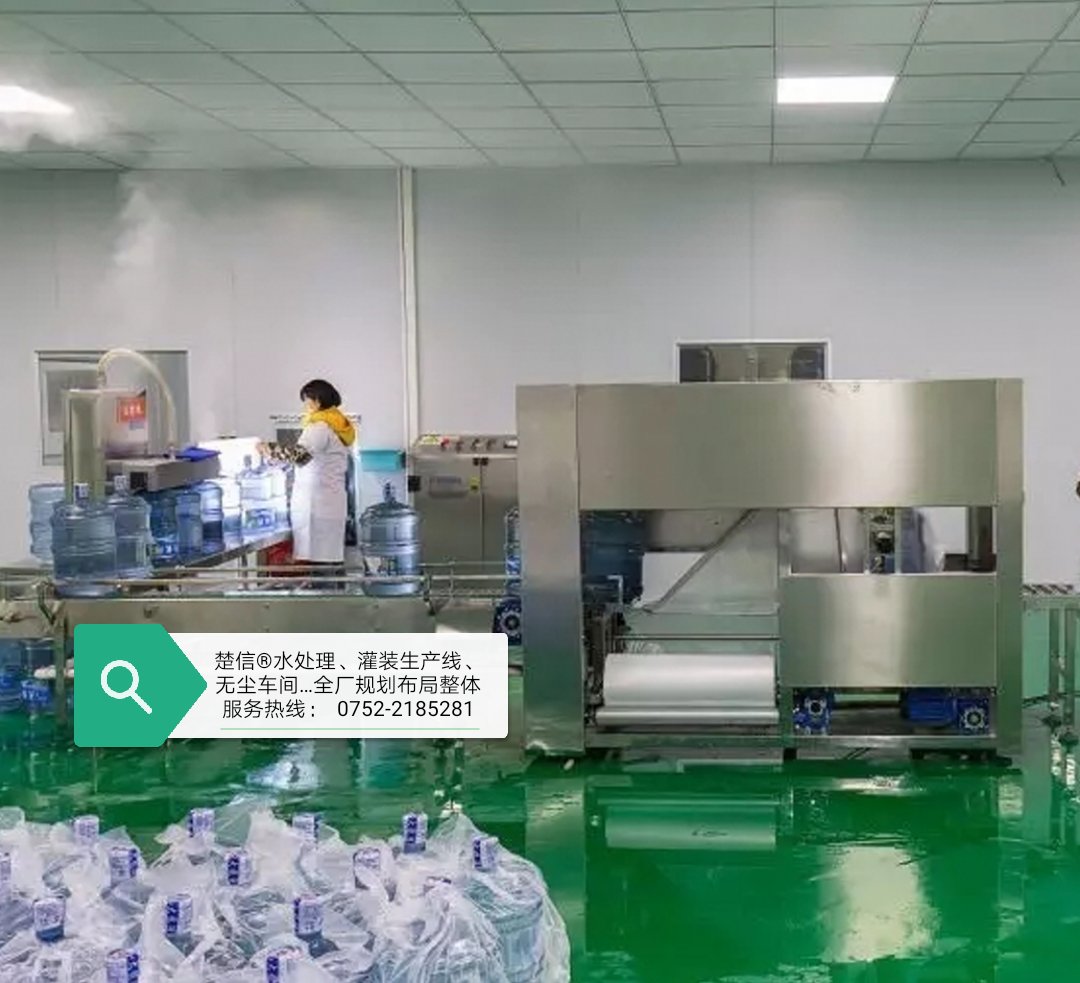
Conclusion: Integrating an automatic barrel-wrap machine into an existing filling line requires alignment across three core interfaces: mechanical transfer points (e.g., bottle handling), control system communication (PLC/HMI protocols), and process timing (cycle synchronization). Failure to validate these can lead to bottlenecks, misfeeds, or downtime during scale-up.
Key Interface Requirements for Seamless Integration
1. Mechanical Transfer Compatibility
The physical handoff between the filling line and the wrap machine must be precisely matched in terms of:
- Bottle centerline height: Must align within ±5 mm to prevent jamming or misalignment at the transfer point.
- Conveyor speed and belt type: The output speed of the filling line (typically 200–1,800 bottles/hour for 18.9L units) must match the input tolerance of the wrap machine. Mismatched speeds cause backpressure or gaps in the flow.
- Bottle orientation and spacing: For 18.9L, 11.3L, and 5L standard drinking water bottles, the wrap machine must accept consistent bottle positioning—especially critical when using recycled barrels with variable neck geometry.
Verification Step: Confirm that the existing filling line’s final conveyor section uses a modular design compatible with downstream equipment integration. Chuxin Mingwei’s fully automatic bottled spring water filling lines include standardized transfer modules designed for plug-and-play upgrades.
2. Control System Integration (PLC & HMI)
The wrap machine must communicate with the main PLC control system of the filling line via a defined protocol. Critical elements include:
- I/O signal mapping: Inputs (e.g., "bottle detected") and outputs (e.g., "wrap cycle ready") must be pre-defined and cross-referenced in the control logic.
- Emergency stop (E-stop) cascade: The wrap machine’s E-stop must trigger a coordinated shutdown across the entire line, not just its own section.
- Remote monitoring readiness: The system should support real-time diagnostics and remote access through the HMI interface—essential for troubleshooting during scale-up phases.
Evidence from Product Summary: Chuxin Mingwei’s automated systems feature PLC-based intelligent control systems with integrated HMI and remote-ready interfaces, enabling seamless data exchange between production stages.
3. Process Timing and Cycle Synchronization
Even if mechanical and electrical interfaces are aligned, mismatched cycle times will disrupt throughput. Key considerations:
- Wrap cycle duration vs. filling output rate: If the wrap machine operates slower than the filling line’s rated capacity (e.g., 2,500 bottles/hour for purified water lines), it becomes a bottleneck.
- Buffer zone design: A temporary buffer storage unit may be required between the filling station and wrap machine to absorb minor timing variations.
- Start/stop sequence logic: The wrap machine should only initiate after the filling line confirms successful capping and inspection—preventing incomplete packages from entering wrapping.
Risk Warning: Without proper synchronization, partial wraps or missed labels may occur, leading to rework or quality rejection. This is especially critical in ISO Class 8 cleanroom environments where contamination risk increases with manual intervention.
Implementation Readiness Checklist
Before placing an order or initiating installation, procurement and operations teams should confirm:
| Checkpoint | Required Confirmation |
|---|---|
| Bottle size compatibility | 18.9L, 11.3L, 5L standard bottles supported |
| Conveyor interface standard | Modular, adjustable-height transfer module |
| Control protocol | PLC-compatible (e.g., Modbus TCP/IP or Profibus) |
| Emergency stop linkage | Cascaded E-stop across all connected stations |
| Remote access capability | HMI with network-ready interface |
| Wrap cycle time | Must match or exceed filling line output rate |
| Cleanroom integration | Compatible with ISO Class 8 air purification systems |
Next Steps for Procurement & Decision-Makers
To ensure smooth implementation:
- Request a detailed integration specification sheet from Chuxin Mingwei, including interface diagrams and I/O mapping.
- Verify that the proposed upgrade does not require major modifications to the existing line’s foundation or power supply.
- Confirm whether the supplier includes commissioning and operator training as part of the delivery scope.
Recommended Action: Contact Chuxin Mingwei’s technical team for a site-specific integration assessment. Provide your current line’s model number, output rate, and bottle format for accurate compatibility review.
Final Note on Delivery Boundaries
Chuxin Mingwei delivers end-to-end engineering services—including design, manufacturing, installation, commissioning, and post-installation support—but the client remains responsible for site preparation, utility connections, and local regulatory compliance. Always clarify delivery scope in writing before purchase.
This checklist ensures that scale-up projects proceed with technical clarity, minimizing operational risk and maximizing long-term maintainability.