
New vs. Recycled Barrels in Barrelled Water Filling: Key Cleaning Protocol Differences for Technical Evaluators
New vs. Recycled Barrels in Barrelled Water Filling: Key Cleaning Protocol Differences for Technical Evaluators
When evaluating a barrelled water filling line for the first time—especially in regulated sectors like food, pharma, or industrial water—technical teams must distinguish between cleaning requirements for new and recycled 5-gallon (18.9L) and 5L barrels. Misunderstanding these differences can lead to hygiene risks, process inefficiencies, or non-compliance with ISO Class 8 cleanroom standards.
Identifying the Core Symptom: Mixed-Use Risk
The primary operational risk arises when a single filling line processes both new and recycled barrels without dedicated cleaning zones. This setup may appear cost-effective initially but introduces cross-contamination risks due to differing contamination profiles:
- Recycled barrels carry residual organic matter, microbial load, and potential chemical residues from prior use.
- New barrels may have manufacturing byproducts such as plasticizers, dust, or lubricants from handling.
Failure to address this distinction during system design leads to inconsistent product quality and compliance gaps.
Root Cause Analysis: Process Design Gaps
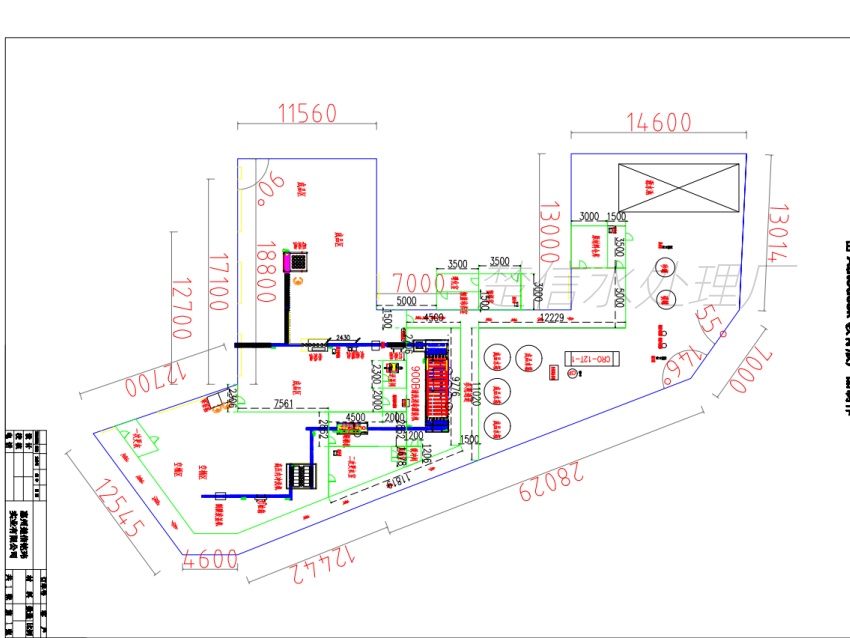
The core issue lies in the modular configuration of washing stations within a barrel filling line. While the system may be described as "modular," the inclusion of specific cleaning steps depends on the selected configuration. For example:
- A line designed for recycled barrels must include at least three sequential cleaning stages: external brushing, internal rinsing with alkaline wash, followed by acid rinse and final deionized water flush.
- A line processing new barrels may only require a single-stage internal rinse and UV/ozonation treatment if the barrel manufacturer provides certified cleanliness data.
Without clear specification during procurement, the default assumption may be insufficient for high-hygiene applications.
Diagnostic Checks: What to Verify Before Selection
Technical evaluators should perform the following checks before finalizing equipment selection:
1. Confirm Washing Station Configuration
Review whether the proposed system includes:
- Dedicated external brush units for removing surface debris
- Internal cleaning nozzles capable of reaching all interior surfaces
- Multi-stage chemical wash capability (alkaline + acid) for recycled barrels
- Final rinse with deionized or ultrapure water
Verified fact: The standard configuration for 3–5 gallon barrel filling lines includes "internal wash and disinfection" as part of the core process flow.
2. Assess Compatibility with Target Barrel Type
Ensure the system supports:
- Bottle sizes: 18.9 L, 11.3 L, and 5 L
- Barrel mouth standards: Common types include 16 mm and 24 mm threaded necks
- Material compatibility: Polyethylene (PE) or PET barrels with varying wall thicknesses
Verified fact: The rated output capacity of 200–2,500 bottles/hour (based on 18.9L bottles) applies only when the system is configured for consistent barrel input type.
3. Evaluate Cleanroom Integration Requirements
If the filling operation occurs in an ISO Class 8 (100,000) or higher cleanroom environment, verify that:
- Airflow and pressure zoning are designed around the washing station
- The cleaning unit is isolated from the main filling area
- HEPA filtration (H13 grade) is integrated into the air purification system
Verified fact: Chuxin Mingwei’s Clean Air Purification Systems are designed to meet ISO 14644-1 Class 8 standard, with optional upgradability to Class 7.
Resolution Path: System Configuration Based on Use Case
| Use Case | Required Cleaning Steps | Recommended Equipment Configuration |
|---|---|---|
| Recycled 18.9L/5L barrels | External brush → Internal alkaline wash → Acid rinse → Final DI rinse → UV/Ozone sterilization | Full modular wash station with PLC-controlled chemical dosing |
| New 18.9L/5L barrels | Internal rinse → UV/Ozone treatment only | Simplified wash unit; may omit chemical stages |
For first-time adopters, it is recommended to design separate zones or select a dual-mode system that allows switching between configurations via control panel settings.
Escalation Boundary: When to Engage Engineering Support
If your project involves:
- Mixing new and recycled barrels on the same line
- Operating under ISO Class 7 or higher cleanroom standards
- Using non-standard barrel materials or dimensions
→ Contact Chuxin Mingwei’s engineering team for site-specific validation. Custom design, installation, and commissioning services are included in the end-to-end solution package.
Conclusion
Selecting the right barrelled water filling system begins not with throughput or automation level—but with a clear understanding of barrel origin and its implications on cleaning protocol. For technical evaluators, the decision hinges on verifying whether the system includes the necessary cleaning stages for recycled barrels, especially when targeting high-hygiene environments.
Chuxin Mingwei’s fully automatic barrel filling lines support both scenarios through configurable modules, but the final configuration must be confirmed during the engineering phase. Always align equipment specifications with actual source water quality, packaging format, and facility constraints.
Next Step: Request a Site-Specific Configuration Review
To ensure your system meets hygiene, efficiency, and compliance needs, request a customized technical evaluation based on your barrel type, production volume, and cleanroom requirements.
Recommended
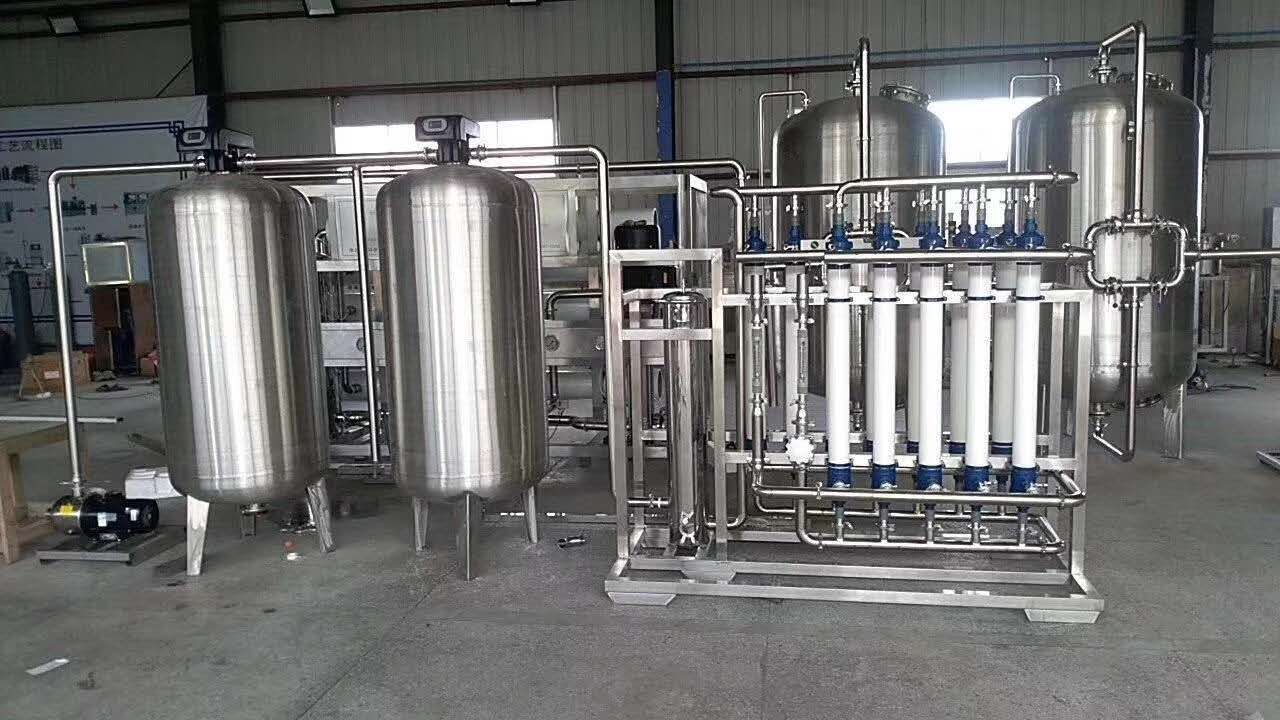
Bottled Spring Water Filling Production Line
Chuxin Mingwei’s customized bottled spring water filling production line is specifically...
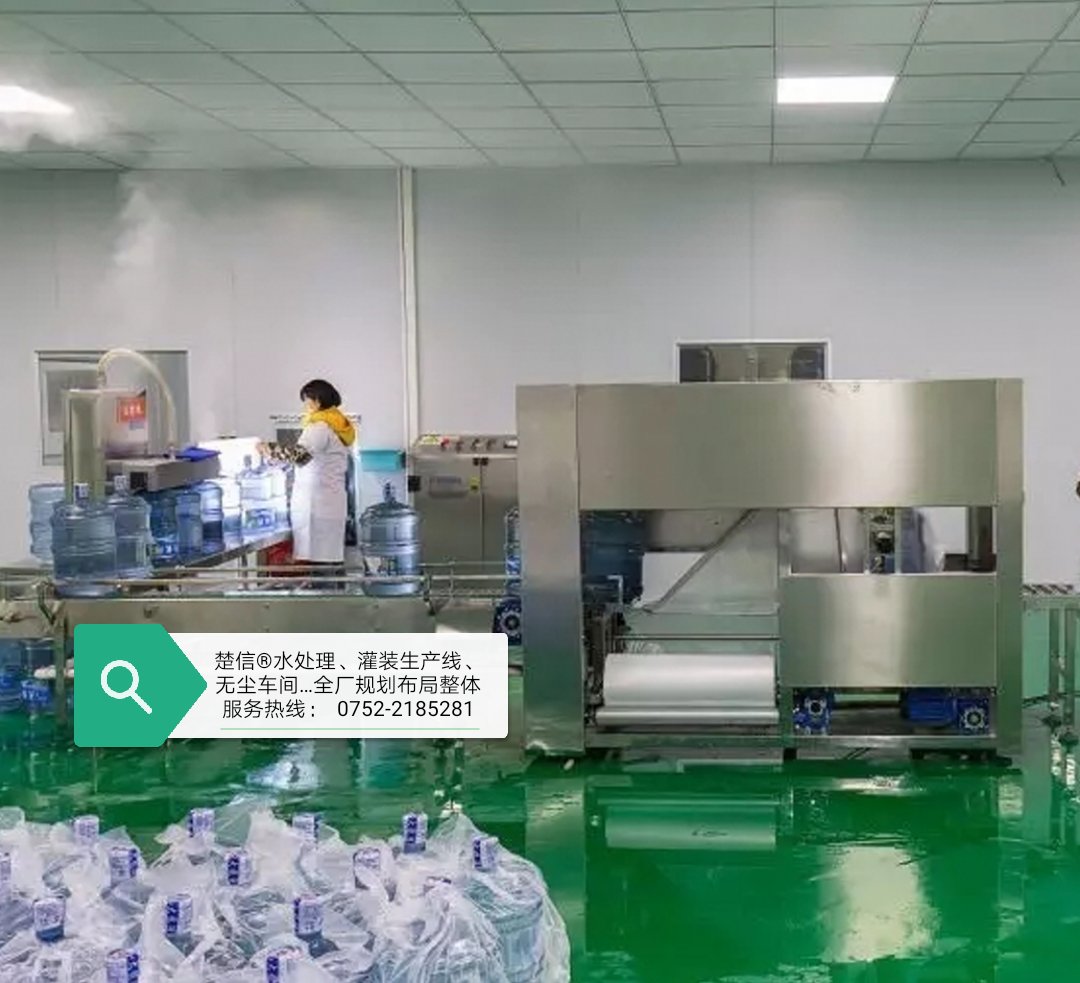
Clean Air Purification Systems
Custom-engineered air purification systems for water bottling and barrelled water fillin...
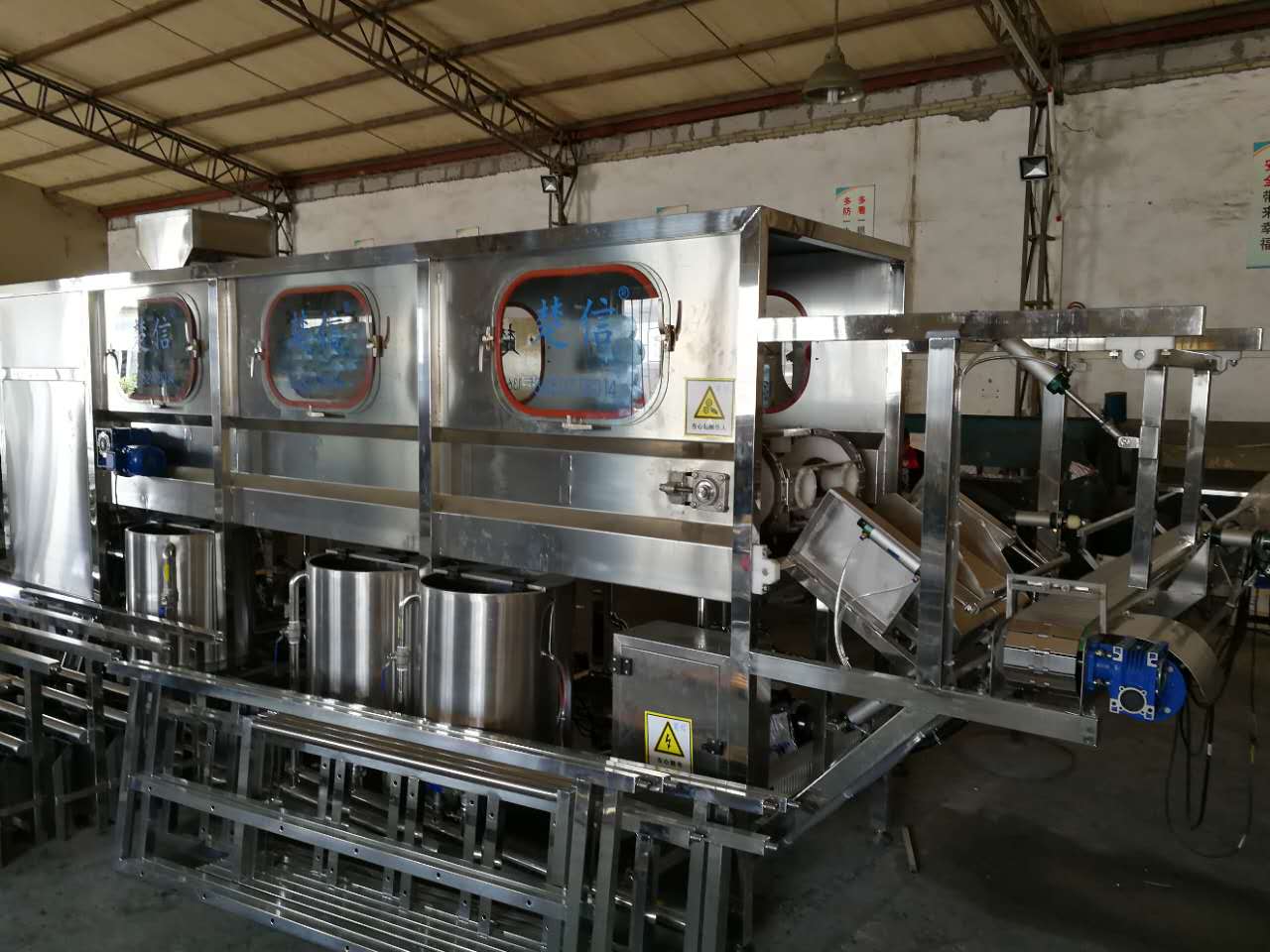
Barrelled Water Sterilization & Filling Production Line
A fully integrated, modular production line for sterilized barrelled water — engineered...