
Pre-Installation Utility Verification for Water Treatment and Filling Lines
Pre-Installation Utility Verification for Water Treatment and Filling Lines
If you’re implementing a new bottled water production line—whether for spring water or purified water—the success of installation, commissioning, and long-term operation hinges on one often-overlooked phase: pre-arrival utility verification. For technical evaluators and operations leads in beverage, food, or pharmaceutical facilities adopting Chuxin Mingwei equipment for the first time, confirming on-site utility compatibility is not optional—it’s foundational.
Chuxin Mingwei delivers non-standard, site-specific solutions. That means your system’s design already accounts for your source water quality, target output (e.g., 200–1,800 bottles/hour for 18.9L spring water), and packaging format. But even the most precisely engineered line will face delays or performance issues if basic utilities don’t match operational needs.
Below is a structured diagnosis and action plan based on confirmed engineering principles from Chuxin Mingwei’s delivery scope.
Step 1: Diagnose Core Utility Requirements
Water Supply
Your raw water feed must meet minimum pressure and flow rates to support pretreatment and membrane processes. For example:
- Spring water lines
- using NF + UF dual-membrane systems require consistent feed pressure and pre-filtered water to protect membranes.
- Purified water lines
- with dual-stage RO need stable inlet conditions to maintain recovery rates and prevent scaling.
Action: Measure static and dynamic water pressure at the proposed connection point during peak plant usage. Confirm flow rate sufficient to support maximum system consumption, typically exceeding nominal demand to accommodate surges.
Electrical Power
All Chuxin Mingwei filling lines use PLC-based intelligent control systems requiring clean, stable power.
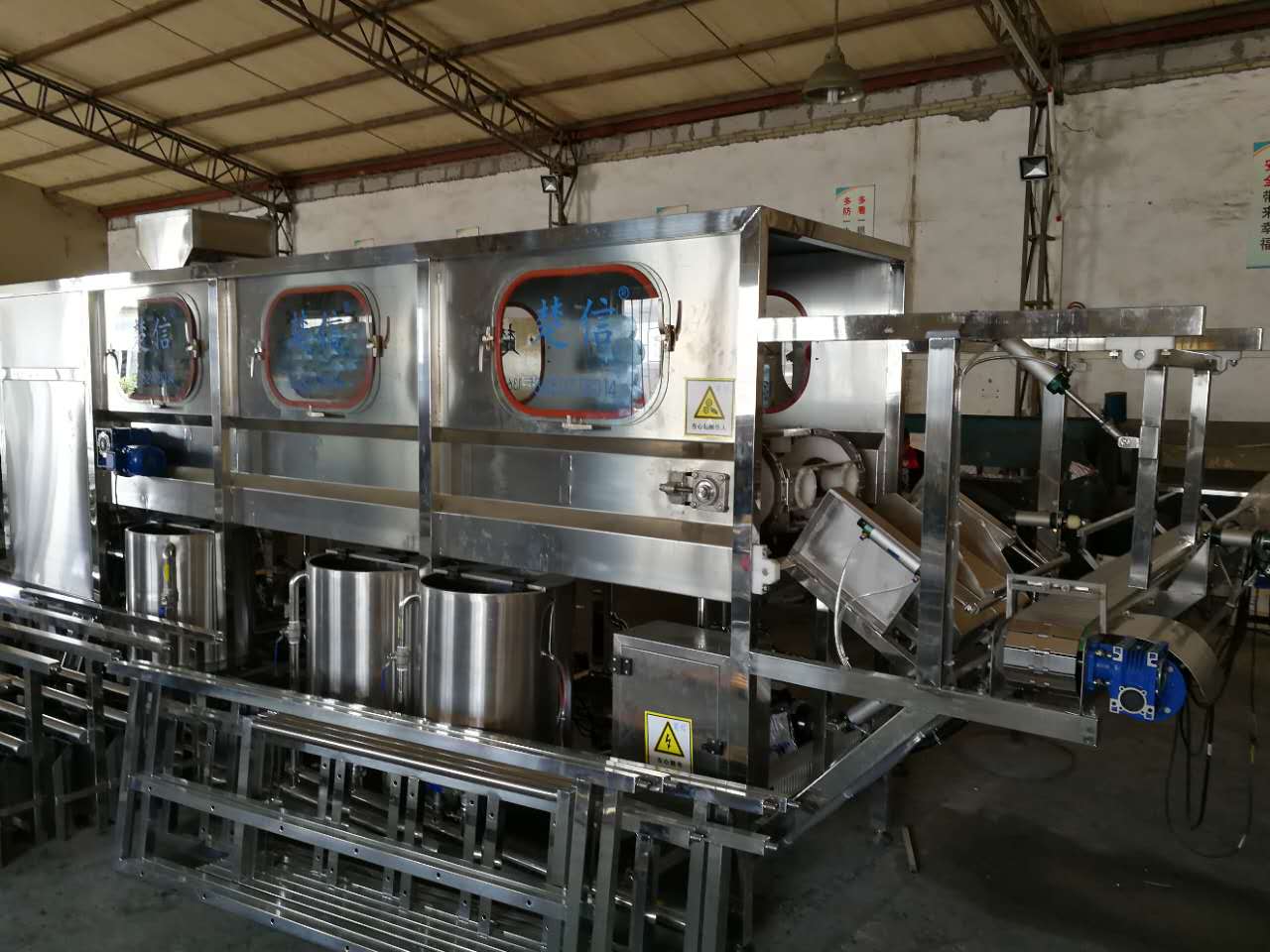
- Standard configuration: 380V ±10%, 50Hz, three-phase, with grounded neutral.
- Control cabinets typically require separate 220V circuits for HMI and sensors.
Action: Verify available breaker capacity, cable routing path, and grounding resistance. Ensure no shared heavy-load equipment (e.g., compressors) on the same subpanel.
Compressed Air
The integrated bottle washing-filling-capping unit relies on instrument-grade compressed air for valve actuation, capping torque control, and pneumatic conveyors.
- Required: oil-free air with adequate pressure and particulate filtration.
- Consumption varies with line speed and automation level.
Action: Test air quality at the nearest drop point. Install dedicated filters/regulators if existing supply doesn’t meet process requirements.
Drainage & Waste Handling
CIP (Clean-in-Place) cycles, bottle rinsing, and membrane flushes generate wastewater that must be routed properly.
- Drain lines must handle intermittent high-volume discharge.
- Neutral pH and moderate temperature are typically required before municipal discharge.
Action: Confirm floor drain capacity, slope, and trap seal integrity. Provide chemical-resistant piping (PVC or PP) from equipment to main drain.
Step 2: Validate Physical and Environmental Conditions
- Floor Load Capacity: Filling lines with stainless steel frames and water tanks impose significant localized loads. Verify structural drawings against actual equipment layout.
- Cleanroom Integration: If pairing with Chuxin Mingwei’s Industrial Clean Air Solutions
- (ISO Class 8 compliant), ensure ceiling height accommodates AHU ducting and that wall penetrations are sealed.
- Ambient Temperature: PLCs and motors operate best between 5–40°C. Avoid direct sunlight or steam exposure.
Step 3: Define Delivery and Support Boundaries
Per Chuxin Mingwei’s service model, the company handles design, manufacturing, installation, commissioning, and operator training—but does not provide:
- On-site civil works (foundations, trenches)
- Main utility extensions (water mains, electrical panels beyond terminal box)
- Compressed air generation or cooling towers
Critical Boundary: The client must prepare all utility stub-outs within 1 meter of the equipment footprint, with isolation valves and test points.
Next Steps: Coordinate Early with Engineering
Don’t wait for shipment confirmation. Share your site layout, utility schematics, and voltage diagrams with Chuxin Mingwei’s project team at least 4 weeks before scheduled delivery. This enables final validation of interface points and avoids costly rework.
For first-time adopters, this proactive step ensures your custom line—whether a Bottled Spring Water Filling Production Line with mineral-retention NF/UF or a Fully Automatic Purified Water Line with dual-stage RO—starts up smoothly and maintains stability over years of operation.
Based in Huizhou, Guangdong, Chuxin Mingwei serves beverage, food, pharmaceutical, and industrial clients worldwide with engineered water treatment and filling systems. All specifications are subject to final project documentation.
Recommended
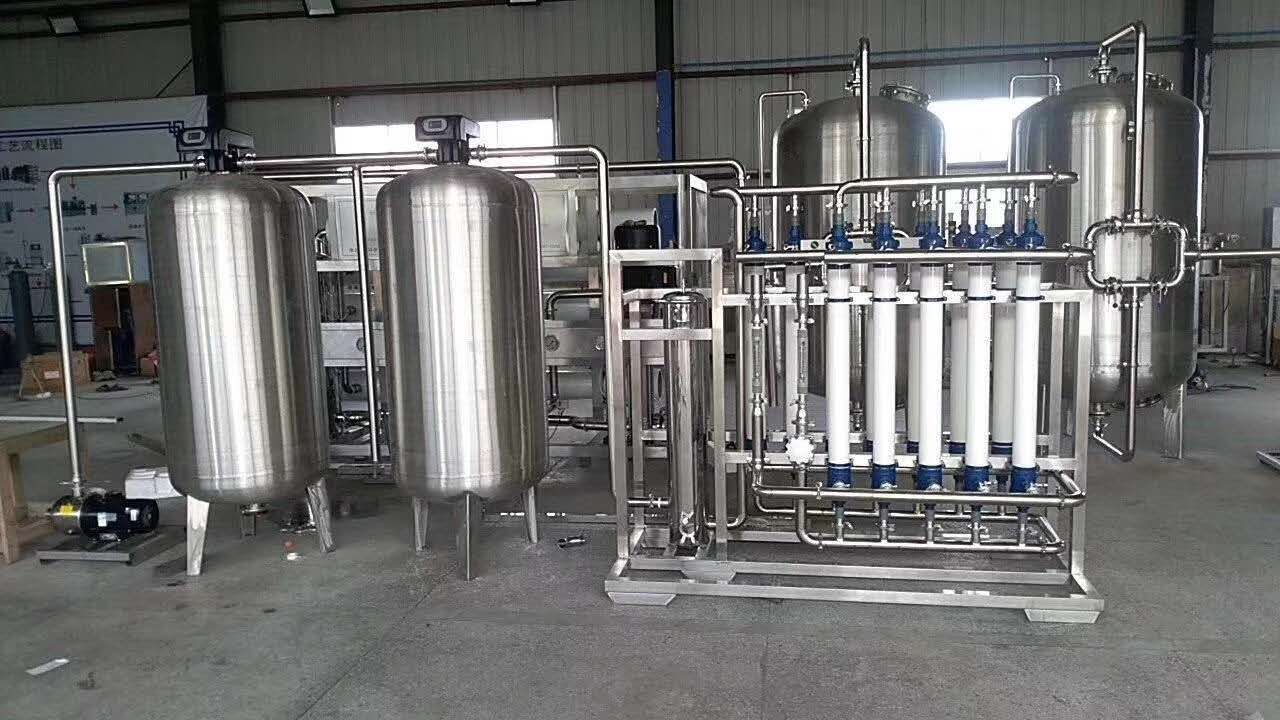
Bottled Spring Water Filling Production Line
Chuxin Mingwei’s customized bottled spring water filling production line is specifically...
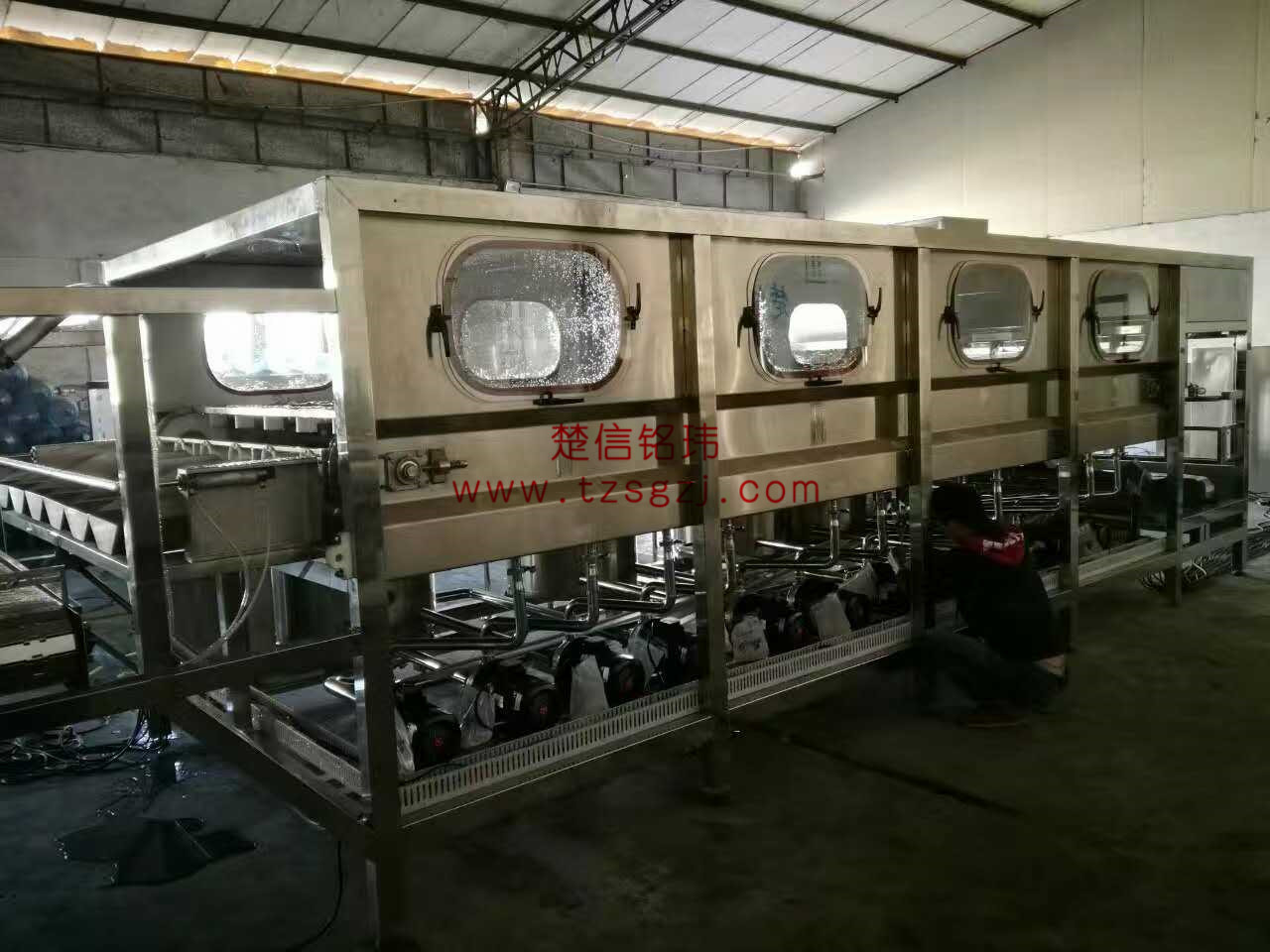
Fully Automatic Bottled Purified Water Filling Production Line
Chuxin Mingwei’s customized fully automatic bottled purified water filling production li...
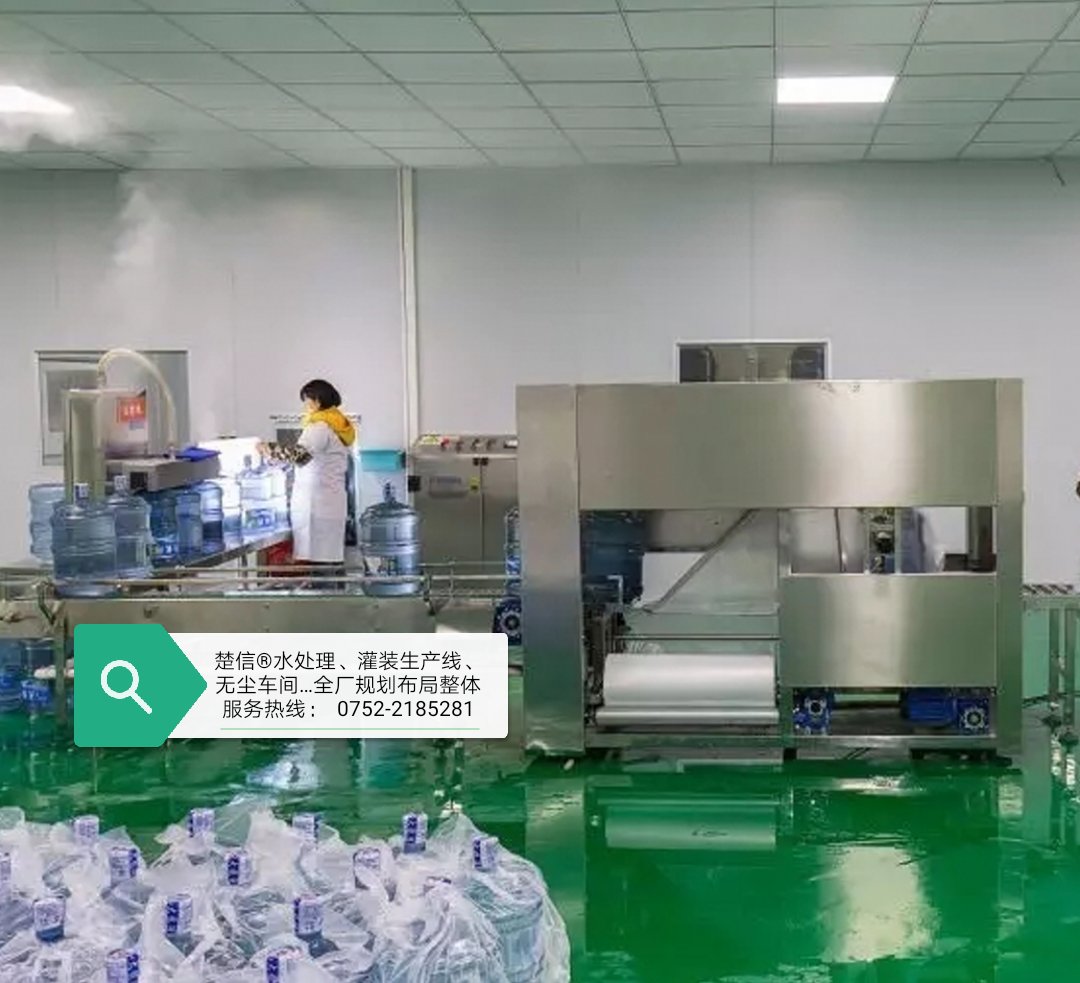
Clean Air Purification Systems
Custom-engineered air purification systems for water bottling and barrelled water fillin...