
Fully Automatic Bottled Spring Water Filling Line: Risk & Compliance Checklist for Owners
Fully Automatic Bottled Spring Water Filling Line: Risk & Compliance Checklist for Owners
When evaluating a Fully Automatic Bottled Spring Water Filling Production Line, the primary risk for enterprise owners is not just equipment failure, but the mismatch between the selected purification process and the natural characteristics of spring water. Unlike purified water lines that rely on aggressive reverse osmosis (RO) to strip all minerals, spring water requires a specific balance: removing contaminants while retaining essential trace elements.
This guide provides a decision checklist for procurement managers and operations leads to validate technical configurations, verify capacity claims, and define service boundaries before signing contracts.
1. Process Configuration Risk: Mineral Retention vs. Purification
The most common compliance and quality risk in spring water production is selecting a standard RO-based line designed for purified water. This can result in a product that lacks the defining mineral profile of true spring water, leading to market rejection.
Verification Step:
Confirm that the proposed system utilizes a Dual-membrane NF (Nanofiltration) + UF (Ultrafiltration) process rather than a single-stage or dual-stage RO process alone.
- Fact Check:*
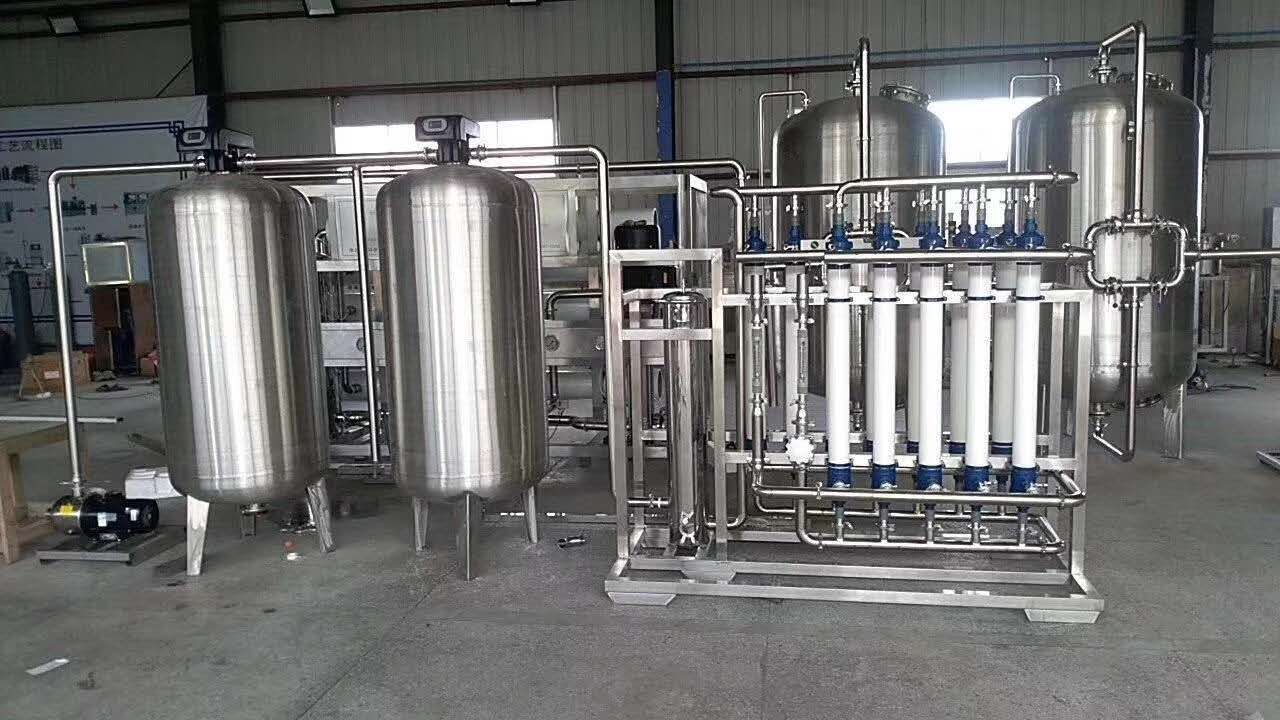
- The Chuxin Mingwei customized bottled spring water filling line is specifically engineered with a Dual-membrane NF + UF process. This configuration balances purification efficiency with mineral retention, ensuring the final product meets target water standards without stripping beneficial components.
- Risk Indicator:*
- If the vendor proposes a standard "Two-stage RO" process as the default for spring water, request a technical justification for how they will maintain mineral content, as RO typically removes >95% of dissolved solids.
2. Capacity and Accuracy Boundaries
Owners often face production bottlenecks when actual output falls short of theoretical maximums due to unverified site conditions or bottle size variations.
Verification Step:
Demand a capacity calculation based on your specific bottle format and source water quality, not a generic "maximum speed" claim.
- Fact Check:*
- The rated output capacity for these lines is specified as 200–1,800 bottles/hour, explicitly based on 18.9 L bottles. For other sizes like 11.3 L or 5 L, the throughput will differ significantly.
- Accuracy Standard:*
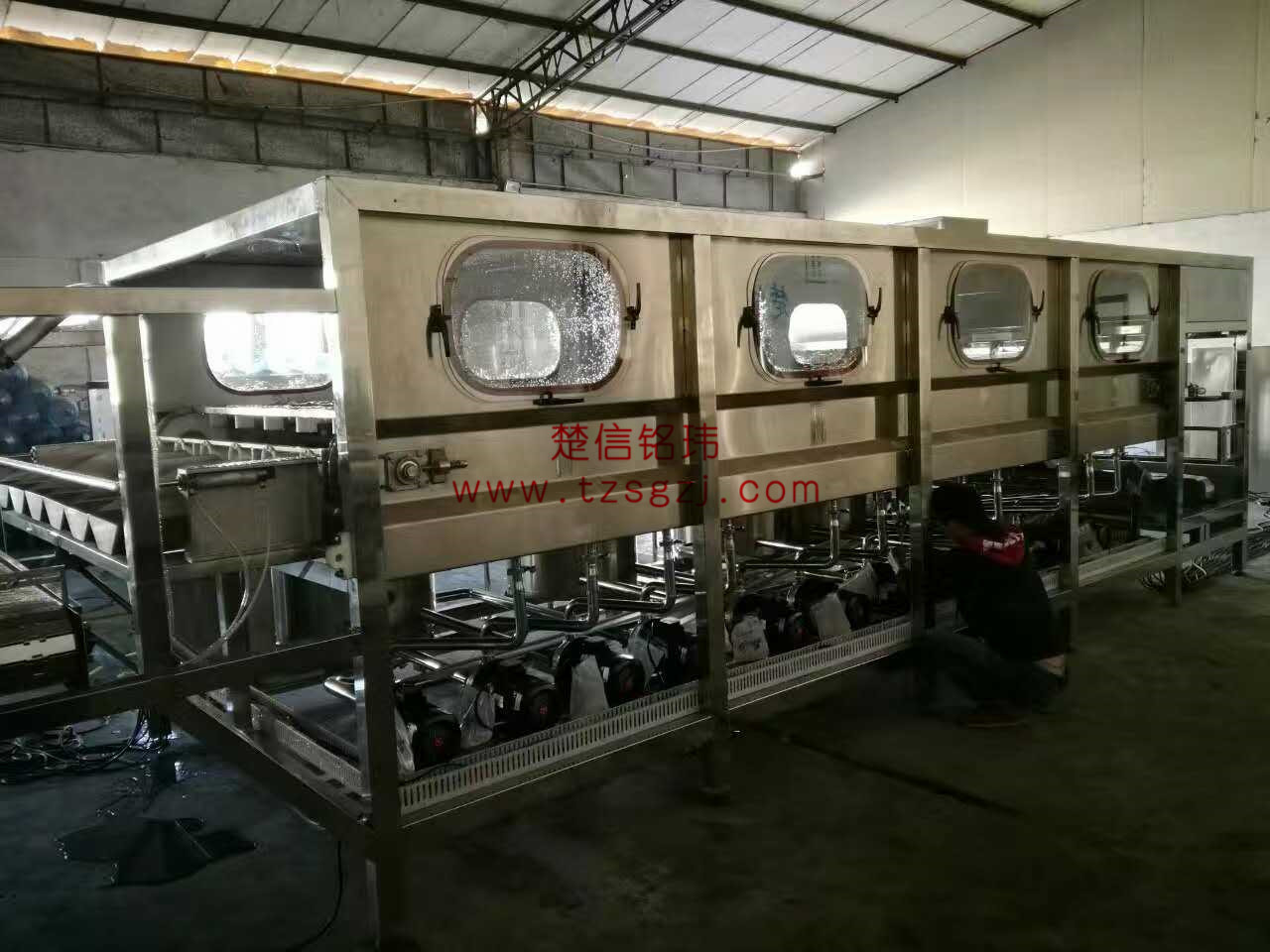
- Verify that the integrated washing-filling-capping unit guarantees a filling accuracy of ≤ ±2 mL and a capping pass rate of ≥99.6% under your specific operating pressure and temperature conditions.
- Compliance Note:*
- Ensure the PLC-based intelligent control system includes real-time monitoring for "no bottle, no fill" and torque detection to prevent leakage or over-tightening, which are critical for brand reputation.
3. Service Delivery and Support Boundaries
A major hidden risk in industrial equipment procurement is the ambiguity of what is included in the "turnkey" price. Many vendors quote only the machine, excluding critical infrastructure support.
Decision Checklist for Owners:
Before finalizing a shortlist, clarify the following scope boundaries:
- Engineering Scope:*
- Does the quote include design based on actual source water quality reports? Non-standard solutions must be engineered from your specific water analysis, not generic templates.
- Installation & Commissioning:*
- Confirm if the package includes on-site installation, commissioning, and operator training. The value proposition relies on sustained post-installation support.
- After-Sales:*
- Verify the response time for spare parts and the availability of remote diagnostics via the HMI interface.
- Exclusions:*
- Be aware that quotes may exclude civil works, external piping, air compressors, or cooling water systems unless explicitly stated. Always review the "Delivery Workflow" section of the contract.
4. Implementation and Long-Term Stability
Stability is prioritized over raw speed in industrial settings. A line that runs at 2,000 bottles/hour for one week but fails monthly is less valuable than a stable 1,500 bottles/hour line running for years.
Operational Requirements:
- Cleanroom Integration:*
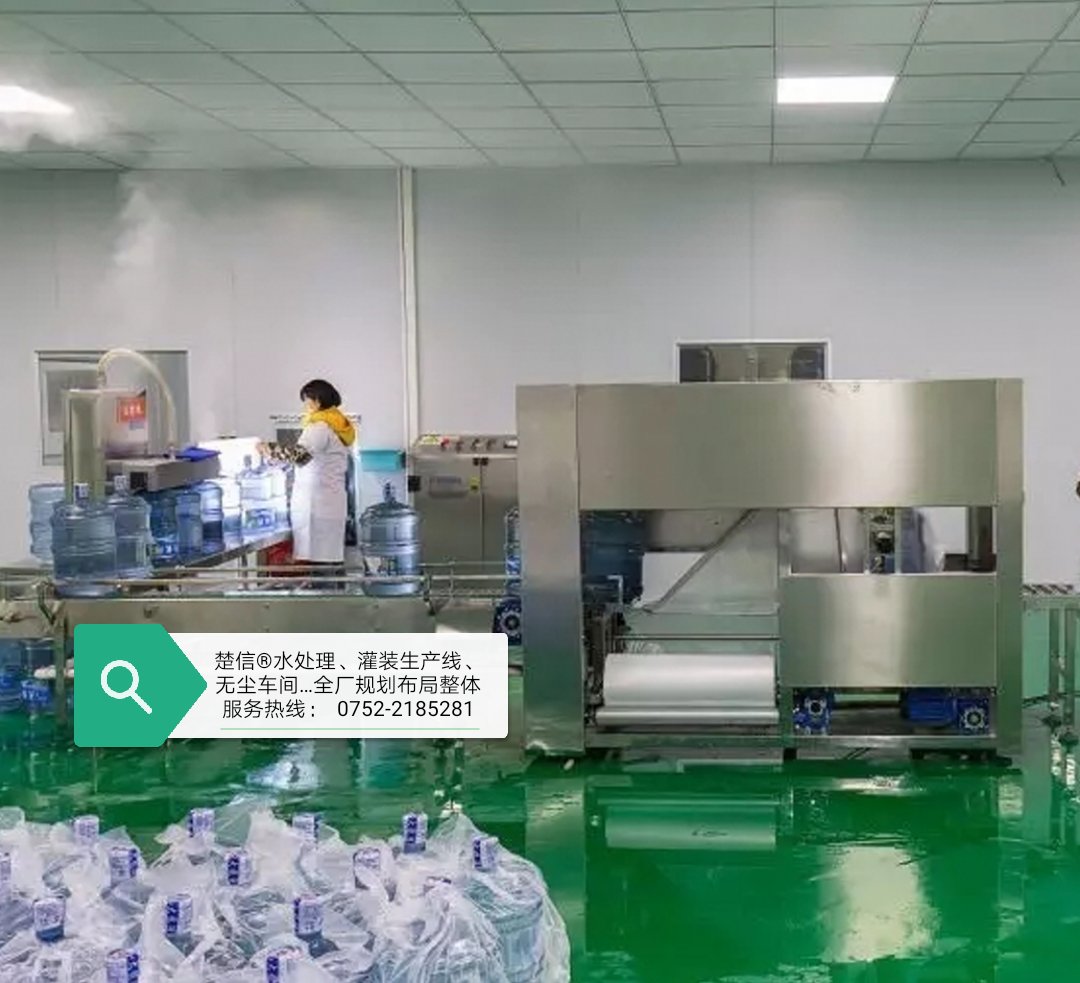
- Ensure the filling line is compatible with your facility's clean air requirements. While the line itself handles the filling, the environment must meet ISO Class 8 (100,000) standards, with optional upgrades to Class 7 (10,000) if required by local regulations or client specifications.
- Maintenance Access:*
- Verify that the design allows for easy access to cleaning points and filter changes without dismantling the entire line. The system should support CIP (Clean-in-Place) protocols where applicable.
Next Steps for Decision Makers
To mitigate risks and ensure a successful deployment:
- Submit Source Water Data: Provide your raw water quality report to the manufacturer for a preliminary engineering assessment.
- Define Bottle Specifications: Clearly state the exact bottle dimensions (diameter, height), cap type, and target capacity (e.g., 18.9L @ 1,200 bph).
- Request a Site-Specific Proposal: Ask for a proposal that details the NF+UF configuration, expected yield, and a clear breakdown of delivery boundaries.
Chuxin Mingwei designs and manufactures custom water treatment systems and filling lines for beverage, food, pharmaceutical, and industrial clients. Our approach focuses on mapping equipment capabilities to your real-world operational contexts, ensuring stability and long-term maintainability.
Contact Our Engineering Team to discuss your specific water quality and capacity requirements.
Recommended
Bottled Spring Water Filling Production Line
Chuxin Mingwei’s customized bottled spring water filling production line is specifically...
Fully Automatic Bottled Purified Water Filling Production Line
Chuxin Mingwei’s customized fully automatic bottled purified water filling production li...
Clean Air Purification Systems
Custom-engineered air purification systems for water bottling and barrelled water fillin...