
Optimizing Custom Barrelled Water Filling Line Throughput: Matching RO Capacity to 18.9L Production Speeds
Optimizing Custom Barrelled Water Filling Line Throughput: Matching RO Capacity to 18.9L Production Speeds
For procurement managers and operations leads in the beverage industry, a discrepancy between the rated capacity of a Custom Barrelled Water Filling Line and its actual daily output is a critical operational risk. While marketing specifications often highlight peak filling speeds, real-world throughput is frequently constrained by the stability of the upstream water treatment system. Conclusion: If your fully automatic bottled purified water filling line experiences intermittent stoppages or fails to reach rated speed, the bottleneck is likely located in the reverse osmosis (RO) purification stage rather than the washing-filling-capping unit itself. Ensuring that the two-stage RO system’s continuous output matches the peak demand of the filler—accounting for membrane fouling, temperature variations, and storage buffer limits—is the primary step in optimizing operational efficiency.
The Operational Mismatch: Why Rated Speed Does Not Equal Actual Output
In many industrial water bottling scenarios, the filling machine (such as Chuxin Mingwei’s Fully Automatic Bottled Purified Water Filling Production Line) is designed for high-speed synchronization. However, this equipment relies on a continuous, pressurized supply of purified water. When the water treatment system cannot deliver this volume consistently, the filler’s PLC-based control system triggers safety stops to prevent dry-running or under-filling. This mismatch typically manifests in three ways:
- Pressure Drops During Peak Demand: The RO system struggles to maintain required inlet pressure when multiple filling valves open simultaneously.
- Storage Tank Depletion: The clean water buffer tank empties faster than the RO system can replenish it, causing the filler to pause.
- Quality Control Interrptions: Inconsistent conductivity levels from the RO system trigger online monitoring alarms, halting production until water quality stabilizes.
Verifying RO System Compatibility with Filling Requirements
To diagnose and resolve throughput gaps, technical evaluators must verify the alignment between the purification process and the filling line’s specifications. Chuxin Mingwei’s standard configuration for bottled purified water utilizes a dual-stage RO reverse osmosis deep purification process. This design is intended to ensure high-purity output, but its capacity must be matched to the line’s rated output of 200–2,500 bottles/hour (customizable based on bottle size).
Key Verification Steps for Operations Teams
1. Assess Two-Stage RO Output vs. Peak Filler Demand
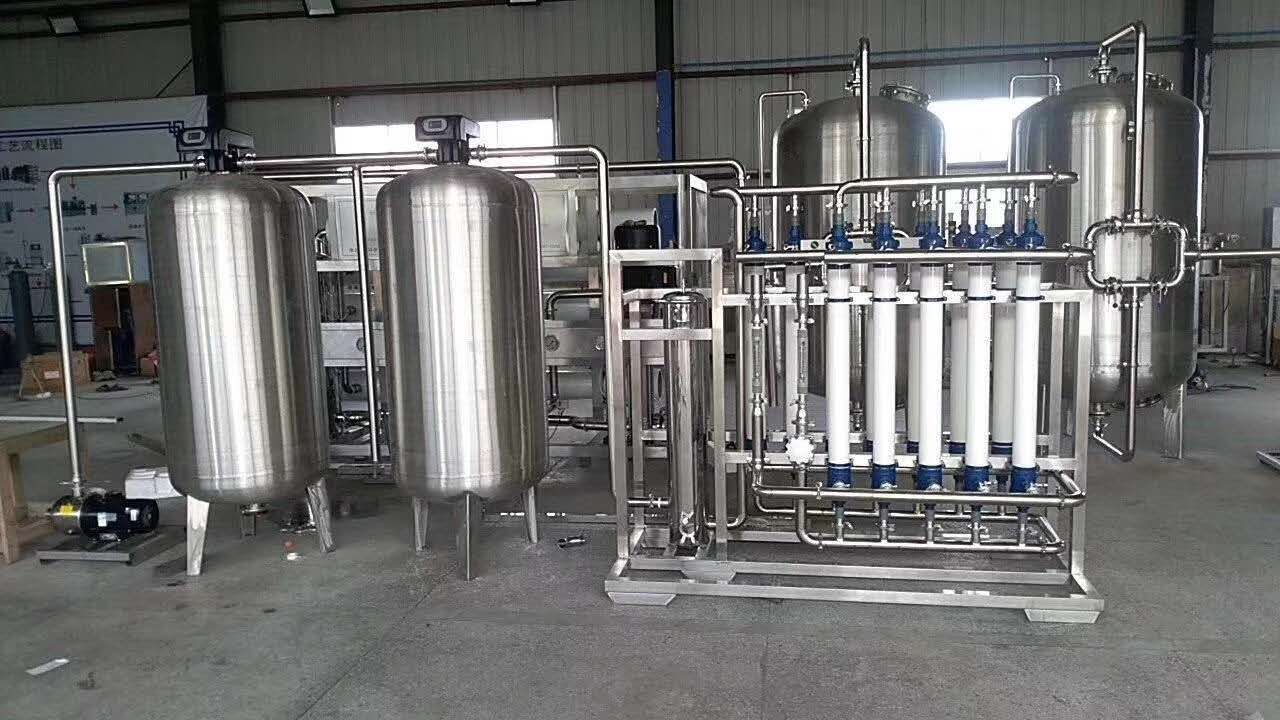
The dual-stage RO system must be sized to handle the maximum instantaneous flow rate of the filling machine, not just the average hourly demand. For example, if the line is configured for 18.9L bottles at a high rate, the RO system’s permeate flow rate must exceed the total volume required per minute by the filling valves.
- *Action:
- Check the RO system’s design flow rate against the filler’s maximum consumption rate. Ensure the system includes adequate pre-treatment (multi-media + activated carbon) to protect RO membranes from fouling, which reduces output over time.
2. Evaluate Buffer Storage and Circulation Logic
The integration of ozone and UV (254 nm) dual sterilization requires a stable water loop. If the clean water storage tank is undersized, the system cannot absorb the pulsating demand of the filling cycle.
- *Action:
- Verify that the sterile water tank capacity allows for a minimum reserve that covers peak filling bursts without dropping below the low-level sensor threshold. Review the circulation pump settings to ensure they maintain positive pressure in the loop, preventing air ingress and ensuring consistent fill volumes.
3. Monitor Pre-Treatment Efficiency
The effectiveness of the RO system depends heavily on the quality of feed water entering the membranes. As noted in industry best practices, multi-media filtration and activated carbon filters remove suspended solids and chlorine that could damage RO elements.
- *Action:
- Regularly monitor the pressure differential across pre-treatment filters. A clogged pre-treatment stage reduces flow to the RO unit, directly impacting the available water for filling. Record inlet pressure, flow, and conductivity data to identify gradual performance degradation before it causes production stops.
Addressing Common Bottlenecks in Daily Operations
When throughput issues arise, operations teams should follow a structured diagnostic approach:
- *Check Utility Conditions:
- Ensure that the compressed air supply for pneumatic valves and the cooling water for compressors (if applicable) are within specified ranges. Inadequate utilities can slow down both the RO pumps and the filling machine actuators.
- *Inspect CIP and Sterilization Cycles:
- Automated cleaning-in-place (CIP) and sterilization cycles (ozone/UV) temporarily halt production. Optimize these schedules to occur during non-production hours or low-demand periods to maximize effective operating time.
- *Validate Bottle Handling Synchronization:
- While the focus is often on water supply, ensure that the empty bottle handling section does not create back-pressure that slows the entire line. The integrated bottle washing-filling-capping unit must operate in sync; any jam in the rinser or capper will negate the capacity of the RO system.
Strategic Recommendations for Procurement and Optimization
For organizations evaluating new lines or optimizing existing ones, the following steps are recommended:
- Define Clear Delivery Boundaries: When requesting quotations, specify that the water treatment system’s capacity must be validated against the filling line’s peak speed. Avoid generic "turnkey" descriptions that do not detail the interface between purification and filling.
- Prioritize Maintainability: Choose systems with accessible components for filter changes and membrane cleaning. Chuxin Mingwei’s emphasis on long-term maintainability ensures that routine maintenance does not become a major source of downtime.
- Conduct Site-Specific Engineering Reviews: Water quality varies by source. A site-specific assessment of raw water characteristics (hardness, TDS, microbial load) is essential to correctly size the pre-treatment and RO stages. This prevents under-engineering that leads to chronic throughput issues.
Next Steps
If your current bottled purified water line is experiencing throughput limitations, a detailed audit of the water treatment system’s output versus the filler’s demand is necessary. Chuxin Mingwei provides end-to-end engineering services, including design, installation, and commissioning, to ensure that all components—from multi-media filtration to the final capping station—are harmonized for optimal performance. Contact our technical team to schedule a consultation on optimizing your water treatment and filling line integration. We can assist in reviewing your current operational data and proposing targeted upgrades to restore full production capacity.
Recommended
Bottled Spring Water Filling Production Line
Chuxin Mingwei’s customized bottled spring water filling production line is specifically...
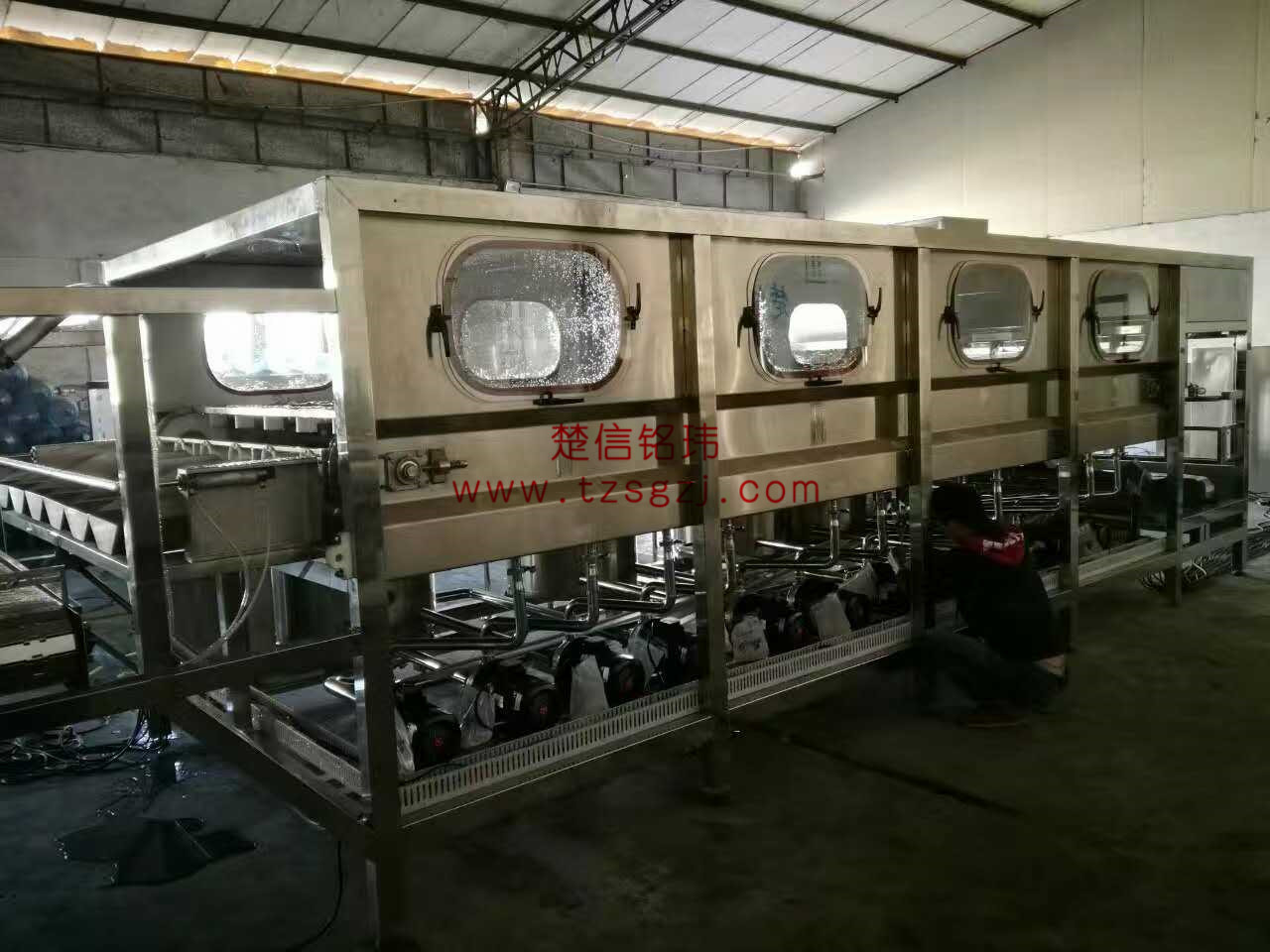
Fully Automatic Bottled Purified Water Filling Production Line
Chuxin Mingwei’s customized fully automatic bottled purified water filling production li...
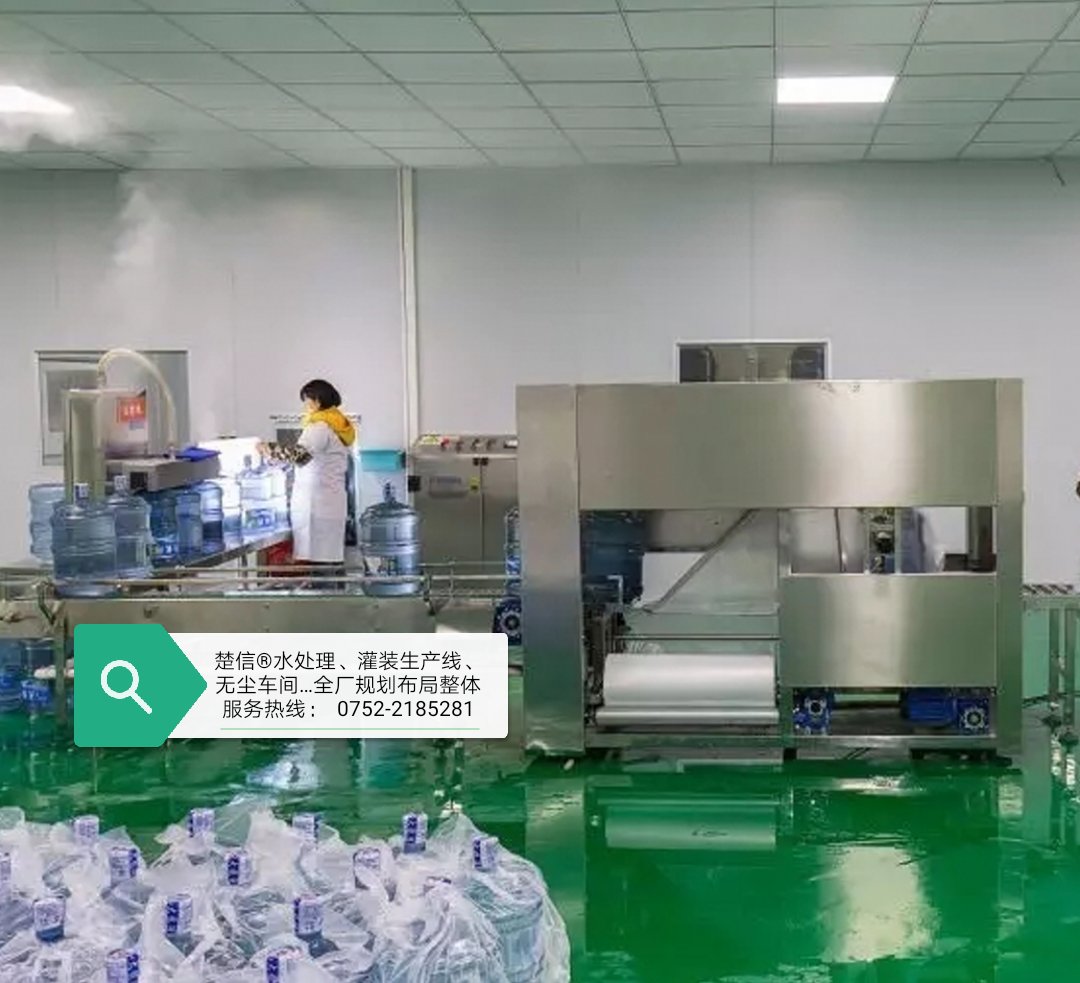
Clean Air Purification Systems
Custom-engineered air purification systems for water bottling and barrelled water fillin...