Barrel-Wrap Packaging Machine: Long-Term Cost & Value Assessment for Spring Water Lines
Barrel-Wrap Packaging Machine: Long-Term Cost & Value Assessment for Spring Water Lines
The Hidden Costs Behind the Initial Price Tag
For procurement managers and operations leads in the beverage industry, selecting a Barrel-Wrap Packaging Machine is rarely just about the capital expenditure (CAPEX). While the upfront price of a Bottled Spring Water Filling Production Line is significant, the operational expenditure (OPEX) over a 5–10 year lifecycle often dictates the project's actual profitability.
Many buyers fall into the trap of comparing only the machine's purchase price without accounting for the specific engineering required to handle their local water source and packaging format. A system designed for standard municipal tap water may fail or incur massive maintenance costs if applied to high-hardness groundwater without proper pre-treatment adjustments. Furthermore, the distinction between handling new barrels versus recycled 18.9L barrels introduces complex variables in cleaning protocols, labor intensity, and equipment wear that generic specifications often overlook.
This guide provides a fact-based assessment to evaluate the long-term maintenance costs and value proposition of Barrel-Wrap Packaging Machines, specifically tailored for spring water filling equipment utilizing NF+UF processes.
Myth vs. Fact: Evaluating Operational Reality
To make an informed decision, we must separate marketing claims from engineering realities. Below is a checklist based on verified technical parameters for systems like Chuxin Mingwei's custom-engineered lines.
1. Myth: "One Size Fits All" Membrane Lifespan in Spring Water
- The Claim:*
- Standard reverse osmosis (RO) or nanofiltration (NF) membranes last 3 years regardless of input water quality.
- The Fact:*
- For spring water, membrane lifespan is strictly dependent on the source water quality and the robustness of the pre-treatment stage. Unlike purified water, spring water requires a Dual-membrane NF + UF process to balance purification efficiency with mineral retention.
- If the raw water has high hardness or seasonal fluctuations, the pre-filters will saturate faster, potentially causing fouling on the NF membranes if not replaced promptly.
- Decision Point:*
- Ask for a specific calculation based on your site's water analysis report. In high-turbidity scenarios, membrane life may drop significantly unless the pre-treatment capacity is oversized to match the specific spring water characteristics.
2. Myth: "Fully Automatic" Means Zero Labor Cost for Barrel Handling
- The Claim:*
- Because the line is automated, no operators are needed for daily maintenance or barrel preparation.
- The Fact:*
- Automation reduces manual bottling but increases the need for technical monitoring and scheduled preventive maintenance. Crucially, the Barrel-Wrap Packaging Machine workflow differs vastly depending on whether you use new barrels or recycled barrels.
- Recycled Barrels:*
- Require a more complete process including cap removal, external brushing, multi-stage internal washing, disinfection, and light inspection before filling. This adds complexity to the bottle washing-filling-capping unit and requires higher operator oversight.
- New Barrels:*
- While simpler, they still require strict hygiene checks and automated handling to prevent damage.
- Labor Requirement:*
- You must budget for at least one operator per shift dedicated to monitoring the PLC-based intelligent control system, managing CIP (Clean-in-Place) cycles, and overseeing the barrel handling sequence.
- Decision Point:*
- Verify if your team has the technical capability to perform routine filter changes and membrane cleaning. If not, factor in the cost of external service contracts.
3. Myth: Filter Replacement is a Fixed Annual Cost
- The Claim:*
- Filters need to be changed once a year as a standard schedule.
- The Fact:*
- Filter replacement cycles vary significantly based on daily production volume and raw water turbidity.
- A system rated for 200–1,800 bottles/hour
- (based on 18.9 L bottles) will consume multi-media filters and activated carbon at different rates depending on whether it runs 8 hours/day or 24/7.
- Decision Point:*
- Do not accept a generic "annual replacement" quote. Request a consumption model based on your target output (e.g., 18.9L barrels) and local water quality data.
Implementation Boundaries and Risk Factors
When evaluating a supplier for a Barrel-Wrap Packaging Machine, you must define the boundaries of the project to avoid unexpected costs later.
Water Quality Variability
The core value proposition of a custom line is its ability to adapt to actual source water quality. If your facility uses spring water that fluctuates seasonally, the system design must include a safety margin in the pre-treatment stage. Without this, you risk frequent membrane fouling, leading to premature replacement costs.
Facility Constraints and Layout
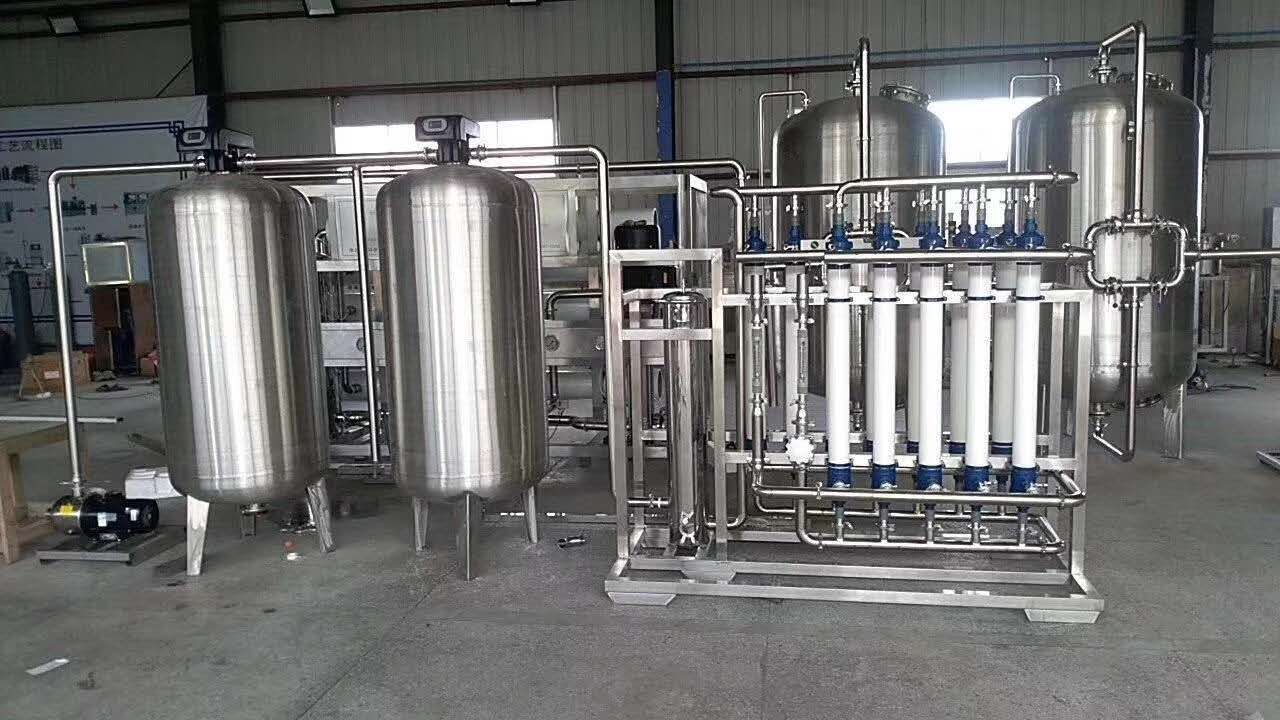
A fully automatic end-to-end workflow requires specific space for the multi-media + activated carbon pre-treatment tanks, the RO/NF skid, and the filling line itself. If the existing facility lacks adequate drainage or power capacity, retrofitting costs can exceed the equipment price.
Service Scope Clarity
Ensure the contract explicitly defines what is included in after-sales support. Does the supplier provide training on operator training for the PLC system? Do they supply spare parts lists with lead times? Ambiguity here often leads to downtime costs when a critical component fails.
Strategic Selection Criteria for Buyers
Before signing a contract, use this checklist to validate the vendor's proposal:
- Water Analysis Integration: Has the supplier designed the pre-treatment process (e.g., softening, ultrafiltration) specifically for your spring water test results?
- Consumable Cost Model: Can they provide a detailed OPEX forecast including filter replacement cycles and membrane lifespan estimates for your specific usage pattern?
- Labor Efficiency: Does the PLC-based intelligent control system offer remote diagnostics to reduce on-site troubleshooting time?
- Scalability: Is the rated output capacity (e.g., 200–1,800 bottles/hour) flexible enough to accommodate future demand spikes without requiring a full line replacement?
- Cleanroom Compatibility: If applicable, does the system integrate with ISO Class 8 (100,000) clean air requirements to ensure product hygiene compliance?
- Barrel Type Flexibility: Can the Barrel-Wrap Packaging Machine easily switch between new and recycled 18.9L barrels, and is the changeover protocol clearly defined in the technical agreement?
Conclusion: Prioritize Stability Over Lowest Price
Investing in a Barrel-Wrap Packaging Machine integrated with a Bottled Spring Water Filling Production Line is a strategic decision that impacts your bottom line for years. The lowest initial price often correlates with higher long-term risks, such as frequent membrane failures, excessive labor costs, or inability to meet water quality standards.
By focusing on site-specific engineering, verifying consumable lifecycles, and ensuring robust after-sales support, procurement teams can secure a system that delivers stability, applicability, and long-term maintainability. The goal is not just to buy a machine, but to acquire a reliable production asset that adapts to your operational reality.
Next Steps
If you are reviewing proposals for a new barrelled water line, request a detailed Total Cost of Ownership (TCO) analysis from your potential suppliers. Ensure they base their calculations on your specific water quality report and production targets.
Contact Chuxin Mingwei today to discuss your site-specific requirements. We specialize in designing non-standard, site-specific water treatment and filling solutions that prioritize long-term value over short-term savings.
Key Points Summary
- Membrane Lifespan:*
- Depends on raw water quality and pre-treatment efficiency; typically 2–3 years but varies by scenario.
- Filter Cycles:*
- Determined by daily output and water turbidity; not a fixed annual event.
- Labor Requirements:*
- Automation reduces manual bottling but requires skilled operators for system monitoring and preventive maintenance.
- Custom Engineering:*
- Essential for matching equipment capabilities to actual source water and facility constraints.
- Service Scope:*
- Clear definition of after-sales support and spare parts availability is critical for minimizing downtime.
Conclusion
Long-term maintenance costs for barrelled water systems are driven by water quality, usage patterns, and the robustness of the pre-treatment design. Procurement decisions should prioritize a TCO analysis over initial pricing to ensure operational stability and cost-efficiency.
Call to Action
Ready to optimize your water treatment and filling operations? Request a Custom Consultation to get a tailored TCO analysis and engineering proposal for your facility.
Recommended
Bottled Spring Water Filling Production Line
Chuxin Mingwei’s customized bottled spring water filling production line is specifically...
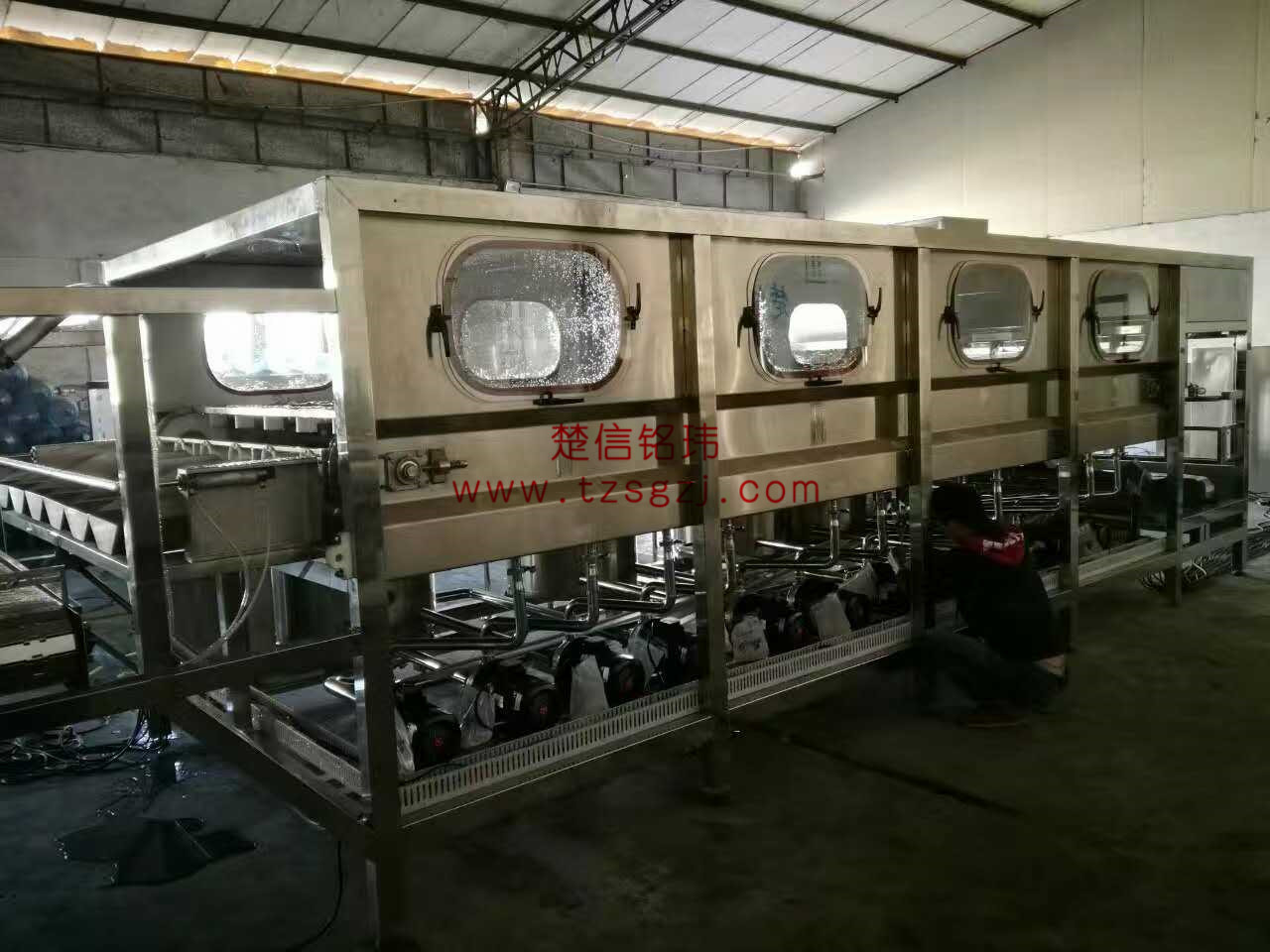
Fully Automatic Bottled Purified Water Filling Production Line
Chuxin Mingwei’s customized fully automatic bottled purified water filling production li...
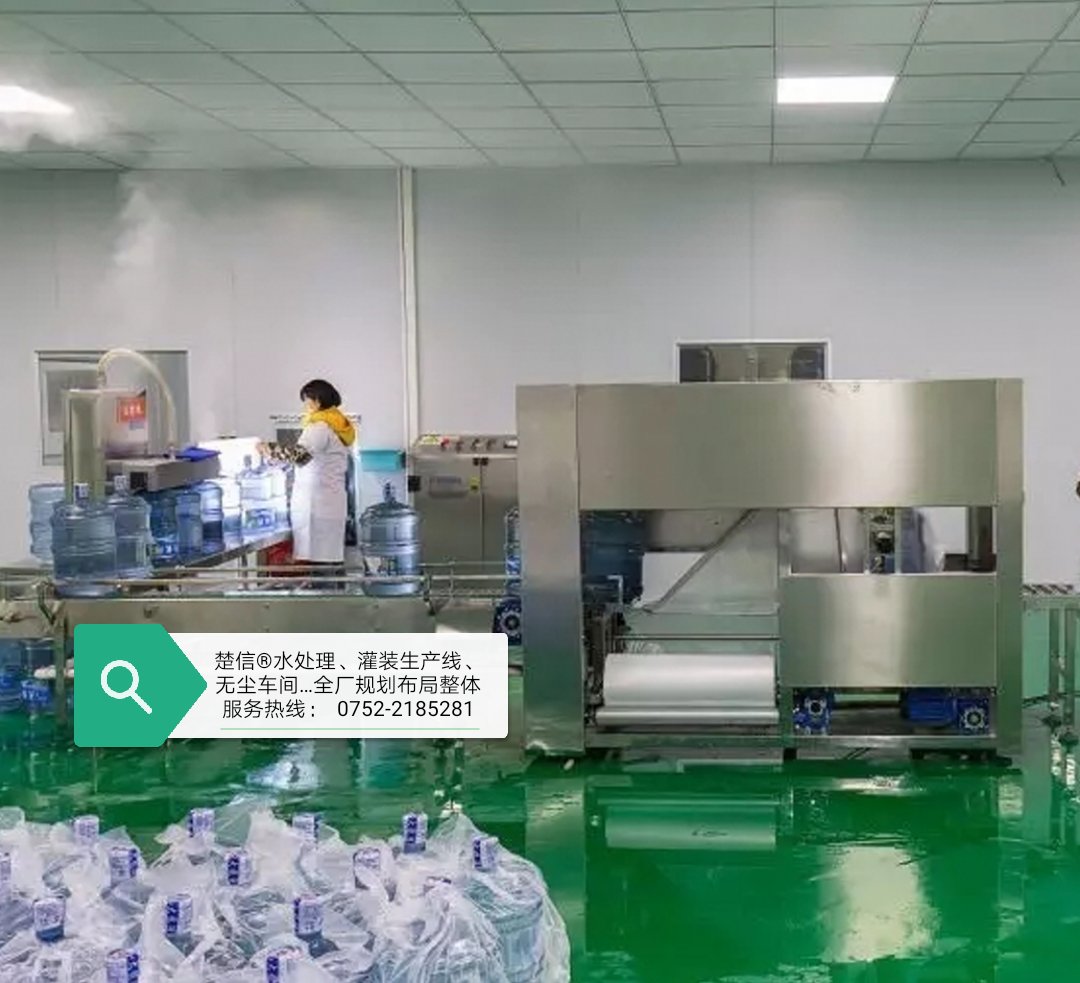
Clean Air Purification Systems
Custom-engineered air purification systems for water bottling and barrelled water fillin...