
How to Verify CIP Circuit Coverage and Eliminate Dead Legs During Beverage Filling Line Transitions
How to Verify CIP Circuit Coverage and Eliminate Dead Legs During Beverage Filling Line Transitions
If your facility produces both bottled spring water and purified water on the same line—or cycles between different packaging formats like 5 L and 18.9 L containers—you’re likely managing frequent CIP (Clean-in-Place) transitions. Yet even with automated CIP interfaces, inconsistent cleaning outcomes persist when circuits fail to fully cover all wetted surfaces or harbor dead legs.
This isn’t a theoretical risk. In practice, residual biofilm or mineral deposits from one product batch can contaminate the next—especially when switching between mineral-rich spring water and low-TDS purified water. For procurement managers and operations leads in beverage or food facilities, verifying true CIP effectiveness goes beyond timer-based cycles. It requires engineering-level scrutiny of fluid dynamics, component layout, and system boundaries.
Why Standard CIP Timers Aren’t Enough
CIP efficacy depends on four interdependent parameters: cleaning agent concentration, temperature, contact time, and—critically—flow velocity through every segment of the circuit. As noted in internal engineering guidelines, "effectiveness depends on concentration, temperature, flow rate, and the identification of dead legs and bypasses." A cycle may run for 30 minutes, but if flow stalls in a valve cavity or a branch line isn’t pressurized, that zone remains uncleaned.
Dead legs—defined as stagnant piping sections where flow doesn’t reach during CIP—are common at:
- Unused sensor ports
- Isolation valves left partially closed
- Sampling points without active recirculation
- Transition zones between modular units (e.g., between washer and filler)
In Chuxin Mingwei’s integrated bottling systems, such risks are mitigated through deliberate hydraulic design—but only if the as-built layout matches the validated CIP loop.
Checklist: Validating CIP Coverage on Your Water Filling Line
Use this decision framework when upgrading, replacing, or qualifying an existing line:
Must-Have: Confirmed Hydraulic Continuity
- All product-contact surfaces—from raw water inlet through final capping—must be included in a single, pressurized CIP loop.
- For lines handling bottled spring water, verify that the dual-membrane NF + UF purification skid is integrated into the CIP return path. Mineral retention membranes are especially prone to scaling if not properly flushed.
- On purified water lines
- using dual-stage RO, confirm that ozone injection points and UV chambers are bypassed or flushed separately to avoid degradation.
️ Optional but Recommended: Flow Visualization or Tracer Testing
While not always contractually included, requesting a CIP flow simulation report during FAT (Factory Acceptance Test) helps identify low-velocity zones. Alternatively, conduct on-site dye or conductivity tracer tests post-installation.
Critical Risk: Unmapped Bypasses in Modular Systems
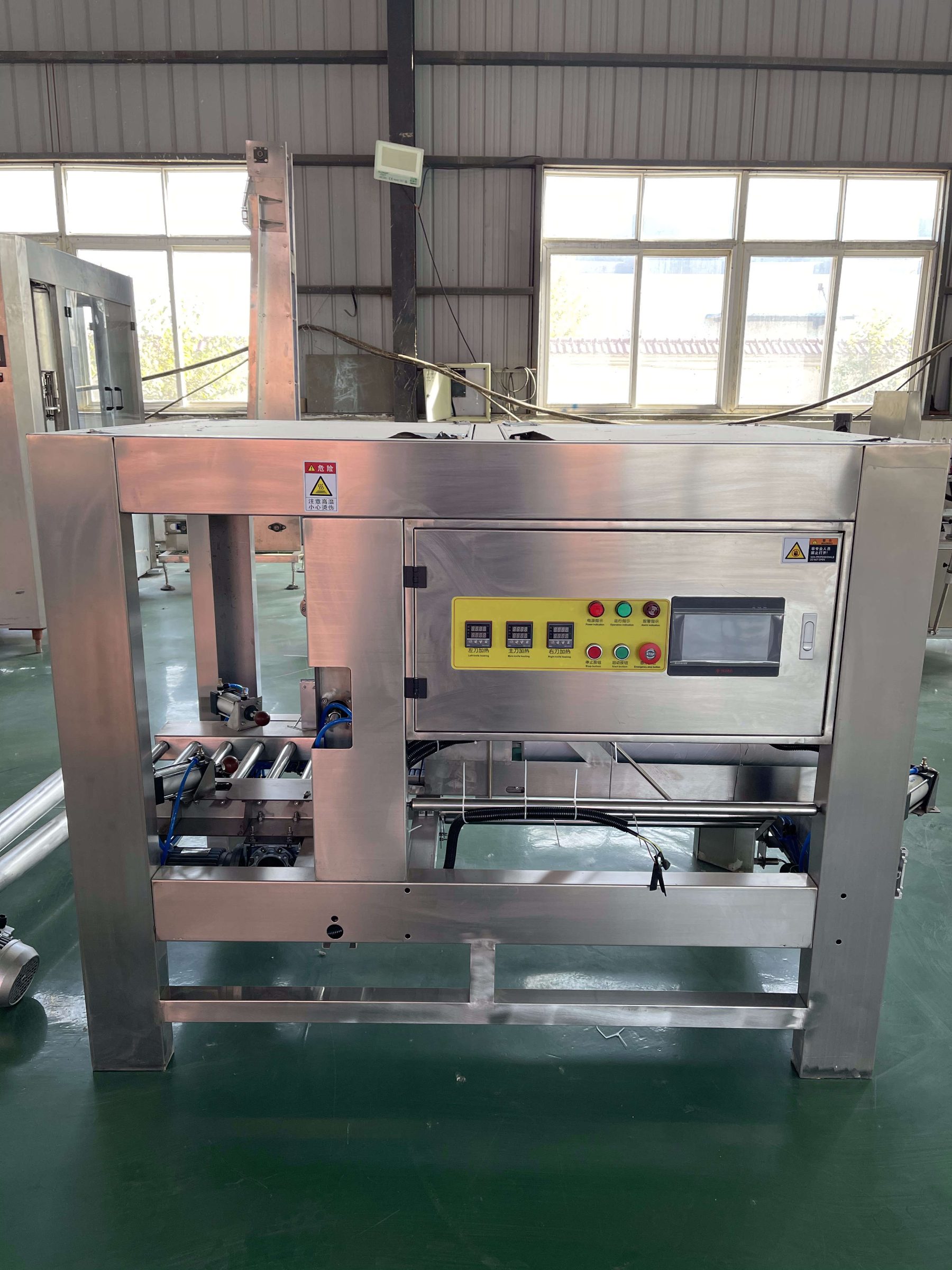
Many facilities retrofit older washers or fillers. If your integrated bottle washing-filling-capping unit (rated for 200–1,800 bottles/hour on 18.9 L formats) was added to an existing conveyor, ensure no manual valves isolate sections during CIP. Every actuated valve should be sequenced in the PLC program.
Long-Term Support Boundary
Chuxin Mingwei’s end-to-end service includes CIP loop validation during commissioning, but ongoing verification—such as periodic swab testing or flow meter calibration—is the operator’s responsibility unless covered under a maintenance agreement.
Aligning CIP Design with Your Product Type
Not all water products clean the same way:
- Spring water lines
- retain natural minerals; alkaline CIP solutions must balance scale removal without leaching beneficial ions.
- Purified water lines
- use aggressive RO cleaning chemistries; residual traces must be fully rinsed to avoid affecting downstream ozone/UV disinfection.
Your CIP protocol must reflect these differences—not just in chemistry, but in circuit segmentation. A single “universal” CIP program often fails both.
Next Steps: Request Your System’s CIP Loop Diagram
If you’re evaluating a replacement or upgrade, ask your vendor for:
- The as-built P&ID (Piping & Instrumentation Diagram) highlighting the CIP supply/return paths
- Confirmation that all dead leg ratios comply with <6D rule (length ≤ 6× pipe diameter)
- Documentation showing PLC logic for valve sequencing during CIP mode
For clients using Chuxin Mingwei’s Fully Automatic Bottled Spring Water Filling Line or Bottled Purified Water Filling Line, these documents are part of standard delivery—but only if explicitly requested during engineering review.
Note: Cleanroom air quality also impacts post-CIP drying. If your filling zone uses Industrial Clean Air Solutions (ISO Class 8 certified), ensure HEPA-filtered air assists in moisture evacuation to prevent recontamination after cleaning.
Conclusion
Effective CIP isn’t about duration—it’s about verified coverage. In multi-product beverage environments, dead legs and partial loops are silent failure points. By treating CIP validation as a mechanical and control-system requirement—not just a sanitation SOP—you protect product integrity and extend equipment life.
If your current line lacks documented CIP loop validation or shows inconsistent microbial results after changeovers, it’s time for a technical audit.
Ready to verify your filling line’s cleaning integrity? Share your current layout or CIP procedure with our engineering team for a gap assessment.
To ensure full CIP coverage, the cleaning circuit must explicitly include all product-contact surfaces—from raw water inlet through final capping—as defined in validated hydraulic loops. This includes not only main process lines but also auxiliary components such as sensor ports, sampling valves, and transition zones between modular units like washers and fillers. As emphasized in engineering guidelines, 'dead legs, bypasses, valve cavities, and disassembled parts must be clearly identified in both design and operational documentation.' Furthermore, when switching between products like mineral-rich spring water and low-TDS purified water, distinct CIP programs are required to address differing soil loads and biofilm risks, ensuring no residual contamination carries over between batches.
Recommended
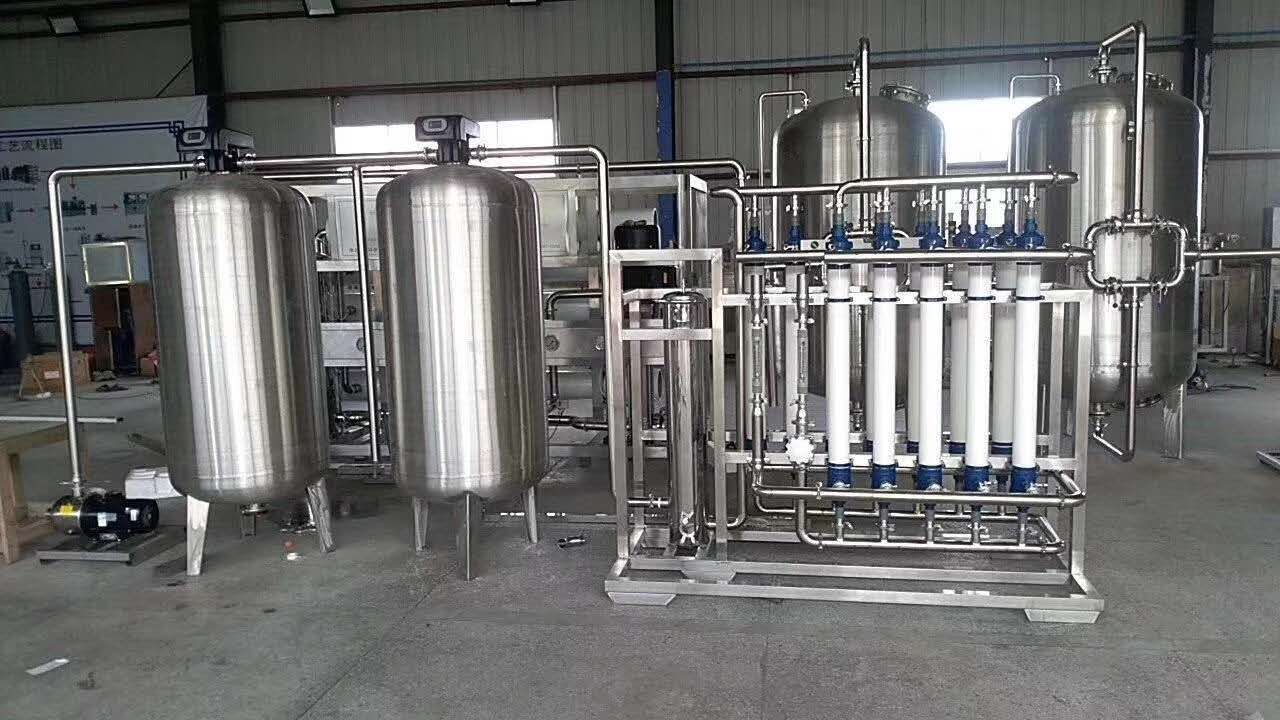
Bottled Spring Water Filling Production Line
Chuxin Mingwei’s customized bottled spring water filling production line is specifically...
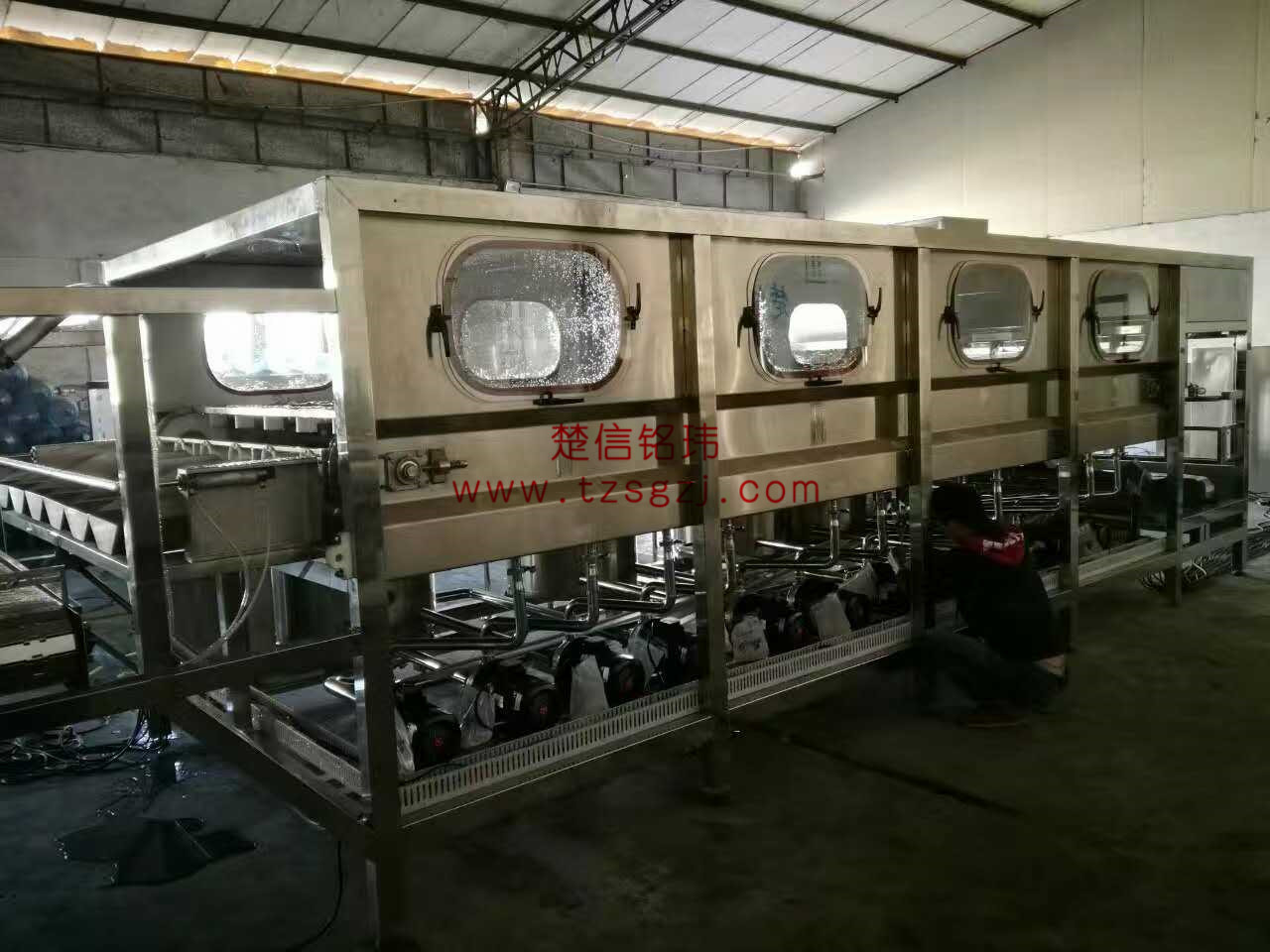
Fully Automatic Bottled Purified Water Filling Production Line
Chuxin Mingwei’s customized fully automatic bottled purified water filling production li...
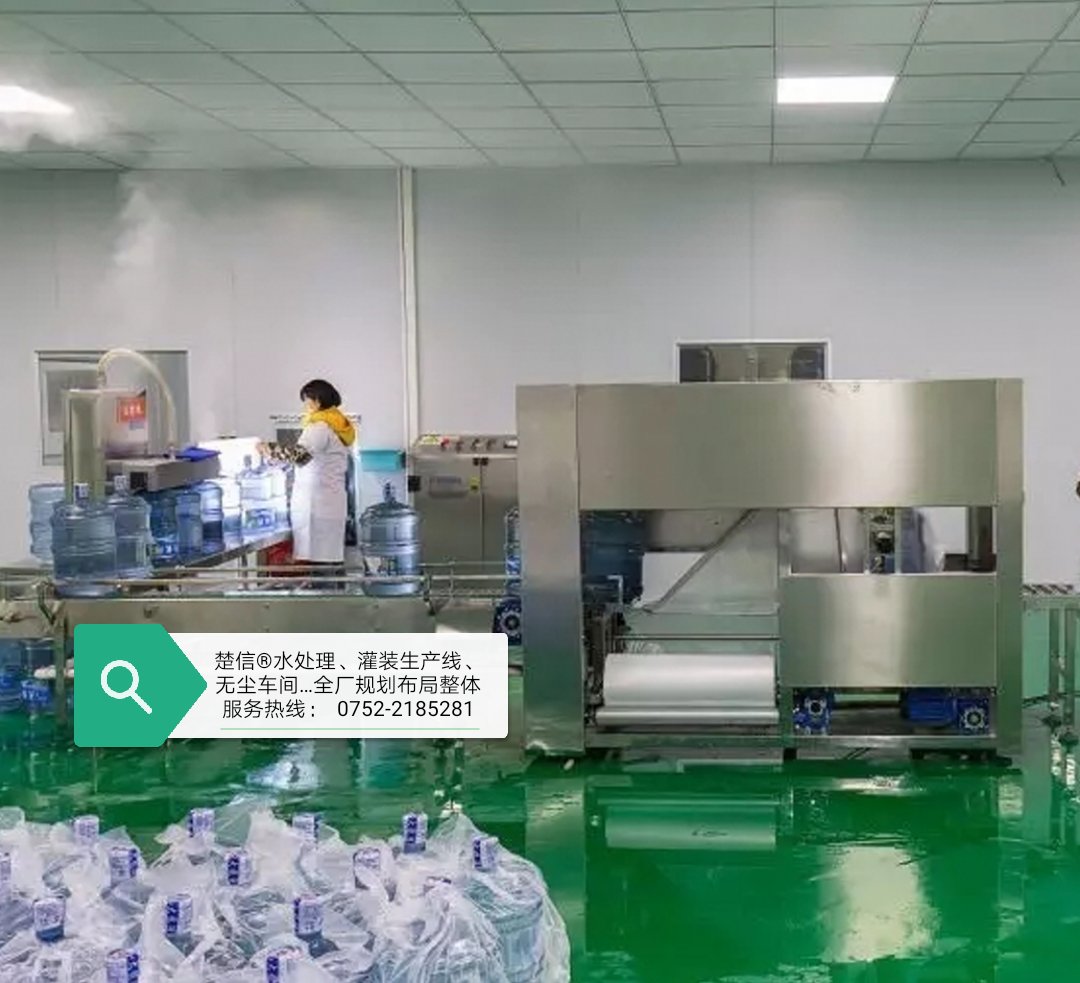
Clean Air Purification Systems
Custom-engineered air purification systems for water bottling and barrelled water fillin...