
Why Capping Torque Must Balance Seal Integrity and Thread Damage in Spring Water Lines
Why Capping Torque Must Balance Seal Integrity and Thread Damage in Spring Water Lines
For technical evaluators and operations leads managing Bottled Spring Water Filling Production Lines, a recurring operational challenge is the trade-off between achieving a leak-proof seal and preventing thread damage or bottle deformation. When deploying a fully automatic bottled spring water filling production line utilizing a dual-membrane NF + UF process, the final sealing step often becomes the critical failure point if torque parameters are not calibrated to the specific natural characteristics of spring water bottles.
The core issue is rarely a single mechanical fault; it is typically a mismatch between the set torque limit and the physical tolerance of the PET bottle neck and plastic cap. Over-tightening can strip threads or crack the bottle shoulder, leading to immediate leakage or delayed failure during transport. Under-tightening results in insufficient compression of the liner, allowing micro-leaks that compromise product sterility—a critical risk for spring water where mineral retention and hygiene are paramount.
The Technical Balance: Seal vs. Structural Integrity
In a standard 18.9 L, 11.3 L, or 5 L configuration, the capping unit must synchronize with the washing and filling stations. According to industry diagnostic protocols, the goal is to achieve a "capping pass rate ≥99.6%" without inducing stress fractures.
When troubleshooting, you must first distinguish between two distinct failure modes:
- Thread Stripping or Deformation: This occurs when the applied torque exceeds the yield strength of the bottle neck ring or the cap threads. In automated lines, this often manifests as caps spinning freely after the machine cycle or visible distortion on the bottle shoulder. This is frequently caused by worn torque jaws or a setpoint that does not account for batch-to-batch variations in bottle wall thickness.
- Seal Failure (Leakage): This happens when the torque is too low to compress the cap liner against the bottle finish. Signs include wet spots on the conveyor belt or failed pressure tests during downstream inspection. This is common when using softer plastic caps or when the bottle neck diameter varies slightly due to molding tolerances.
Chuxin Mingwei’s dual-membrane NF + UF process balances purification efficiency with mineral retention, but the packaging integrity relies entirely on the mechanical precision of the capping station. The system is designed to maintain filling accuracy within ±2 mL, but this precision is nullified if the cap fails to seal.
Diagnostic Steps for Operations Teams
To resolve these issues without halting production for extended periods, follow this structured diagnosis sequence:
1. Verify Cap and Bottle Compatibility
Before adjusting machine settings, confirm that the cap type (plastic, sports, or aluminum) matches the bottle size (18.9 L, 11.3 L, 5 L). Different cap materials require different torque profiles. For instance, a thicker plastic cap may require higher torque than a thin sports cap to achieve the same seal compression. If the bottle neck diameter deviates from the standard range, the capping head height must be recalibrated.
2. Inspect Mechanical Wear and Alignment
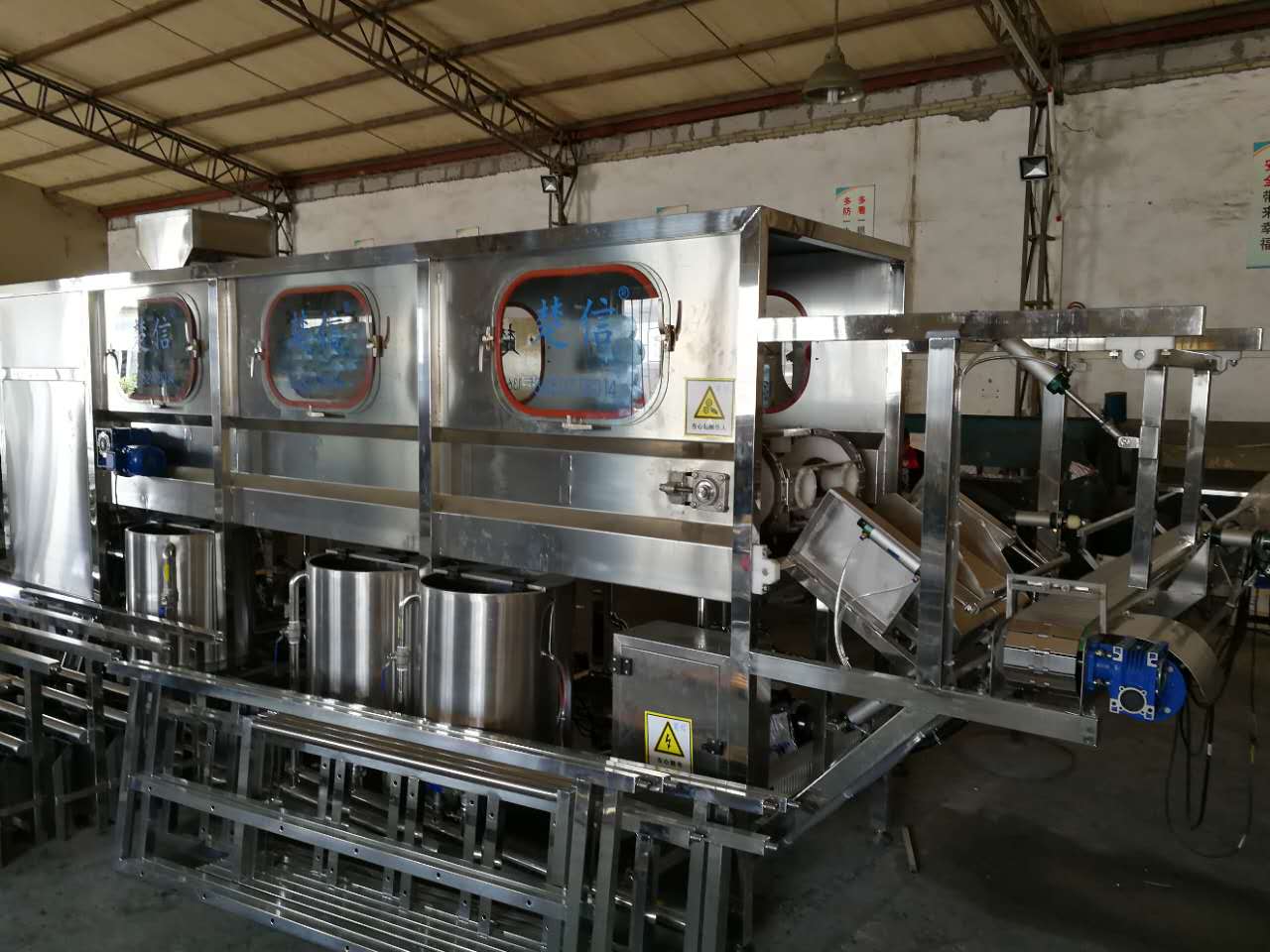
Check the capping head height and the condition of the torque jaws. Worn jaws cannot grip the cap securely, leading to slippage and inconsistent torque application. Ensure the bottle positioning is stable; if bottles wobble on the conveyor before reaching the capping station, the torque will be unevenly distributed.
3. Calibrate Torque Limits
Adjust the torque setting incrementally. Start with a conservative value and increase until the seal passes a leak test, then decrease until thread damage is avoided. Use a handheld torque tester to verify the actual output at random intervals. Do not rely solely on the PLC display; physical verification is essential.
4. Monitor Process Variables
Check if upstream variables are affecting the capping process. For example, if the bottle washing stage leaves residual water on the neck, it can reduce friction and cause the cap to spin loosely. Similarly, temperature fluctuations in the filling area can alter the elasticity of the plastic cap, changing the required torque.
Implementation Boundaries and Risk Management
It is critical to understand that no single torque setting works for all scenarios. The rated capacity of 200–1,800 bottles/hour (based on 18.9 L bottles) is achievable only when the capping system operates within its design envelope.
- Risk of Over-Tightening:*
- Permanent deformation of the bottle neck, which may not be immediately visible but causes failure under stack pressure.
- Risk of Under-Tightening:*
- Micro-leaks that lead to product contamination and customer complaints.
- Changeover Constraints:*
- Switching between bottle sizes (e.g., from 5L to 18.9L) requires a full re-calibration of the capping head and torque limits. Attempting to run multiple sizes without adjustment significantly increases the failure rate.
Next Steps for Procurement and Engineering
If your current line experiences frequent capping failures, do not simply increase the motor power. Instead, conduct a comprehensive audit of the bottle-to-cap interface and the capping mechanism's wear state.
For new installations or upgrades, ensure the supplier provides a site-specific engineering service that includes torque validation testing during the commissioning phase. Chuxin Mingwei's delivery workflow emphasizes sustained post-installation support, including operator training on torque calibration and regular maintenance checks to prevent drift in performance.
Contact our engineering team to schedule a diagnostic review of your filling line. We can assist in optimizing your capping parameters to maximize your capping pass rate while ensuring long-term bottle integrity.
Key Points Summary
- Core Challenge:*
- Balancing seal integrity against thread damage in bottled spring water filling lines.
- Diagnostic Priority:*
- Verify cap/bottle compatibility and inspect mechanical wear before adjusting torque settings.
- Critical Parameters:*
- Maintain filling accuracy ≤ ±2 mL and capping pass rate ≥99.6% through precise torque calibration.
- Operational Boundary:*
- Torque settings must be re-validated for every change in bottle size or cap material.
- Actionable Advice:*
- Use physical torque testers for verification and engage in site-specific commissioning services.
Conclusion
Effective capping torque management is a technical discipline that directly impacts product safety and operational efficiency. By systematically diagnosing the root causes of seal failures—whether they stem from mechanical wear, material incompatibility, or incorrect settings—operations teams can eliminate leaks and prevent structural damage. A well-tuned automatic bottle washing-filling-capping machine is the cornerstone of a reliable water treatment and filling solution.
Call to Action
Ready to optimize your filling line's performance? Contact Huizhou Chuxin Mingwei Industrial Co., Ltd. today for a technical consultation on capping optimization and line diagnostics. Our team specializes in custom-engineered solutions for beverage, food, and pharmaceutical clients.
Knowledge Evidence
[
{
"": "",
"source_excerpt": "Integrated bottle washing-filling-capping unit: filling accuracy ≤ ±2 mL; capping pass rate ≥99.6%"
},
{
"": "",
"source_excerpt": "4.5 Bottled Water Full Line - Bottle preform, blowing, empty bottle conveying, rinsing, filling, capping."
}
]
Recommended
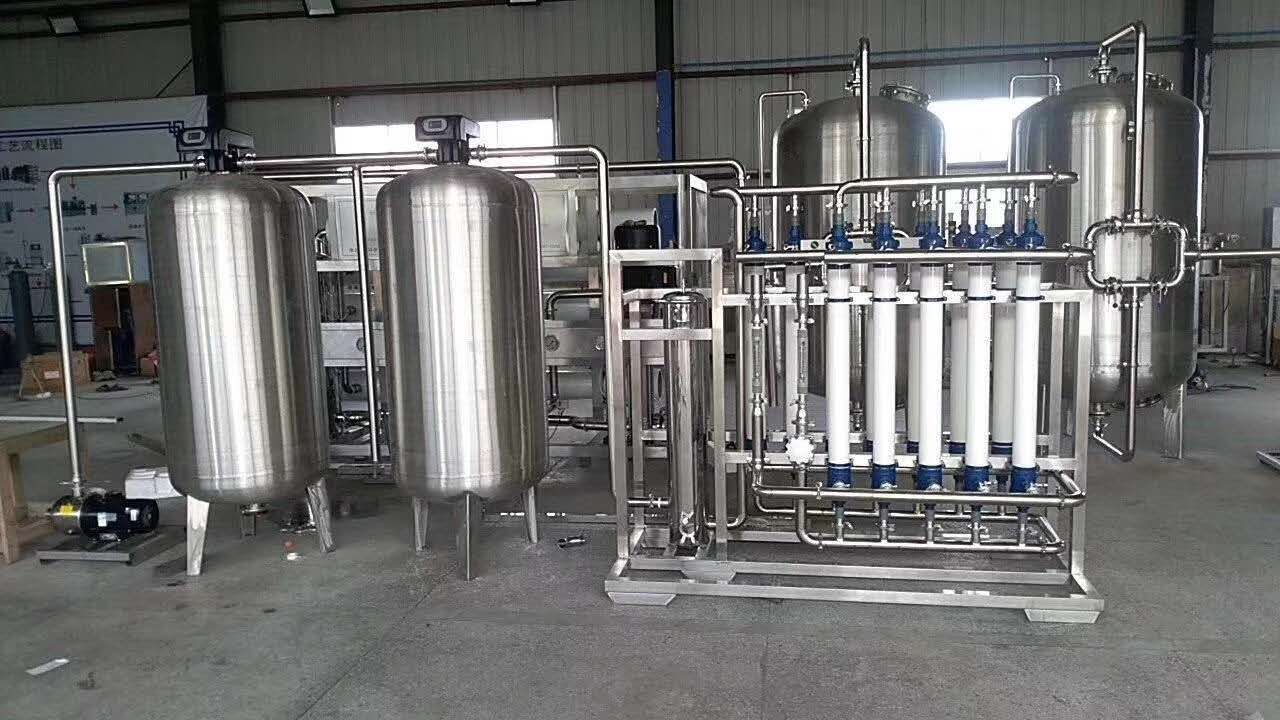
Bottled Spring Water Filling Production Line
Chuxin Mingwei’s customized bottled spring water filling production line is specifically...
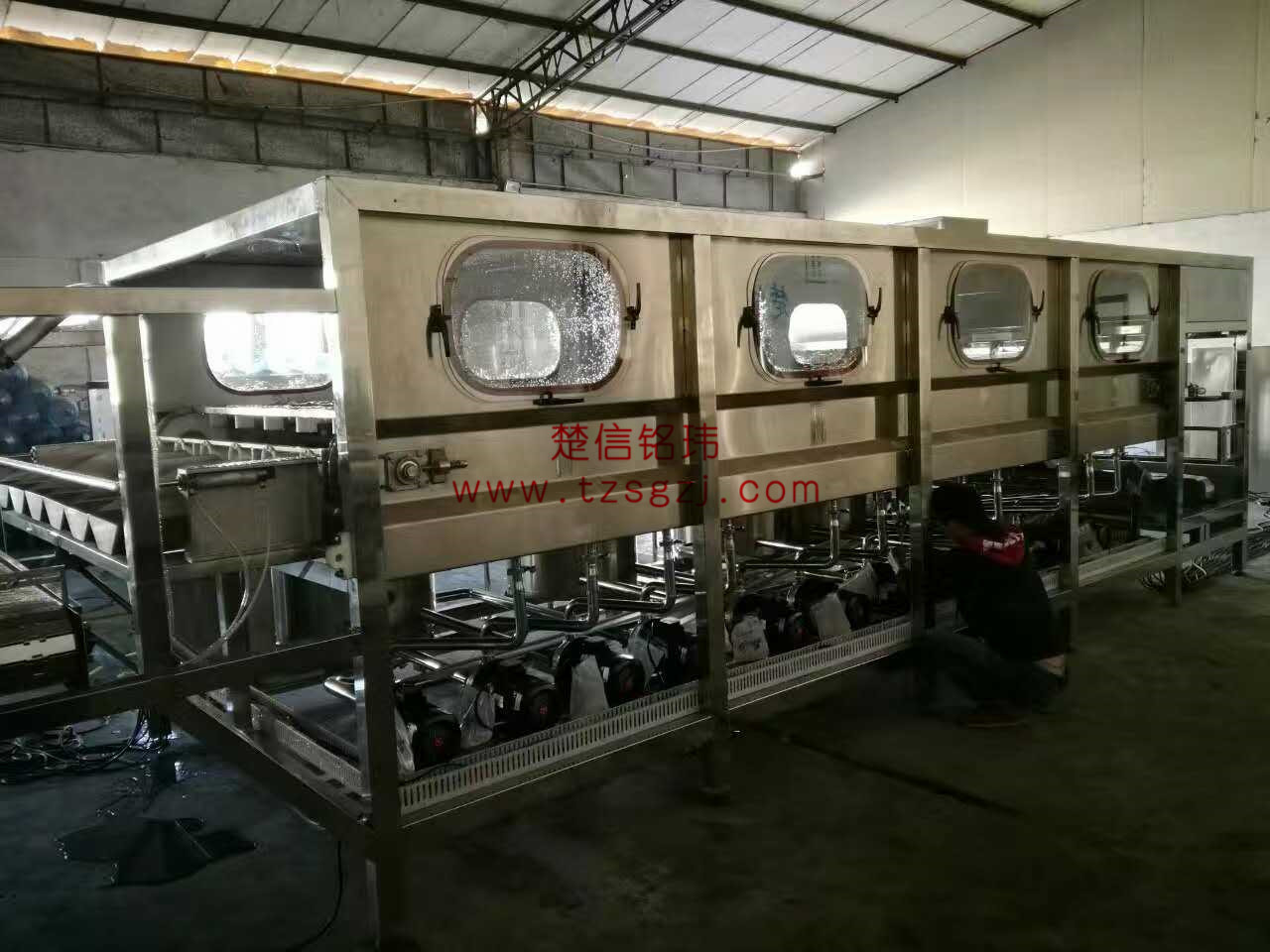
Fully Automatic Bottled Purified Water Filling Production Line
Chuxin Mingwei’s customized fully automatic bottled purified water filling production li...
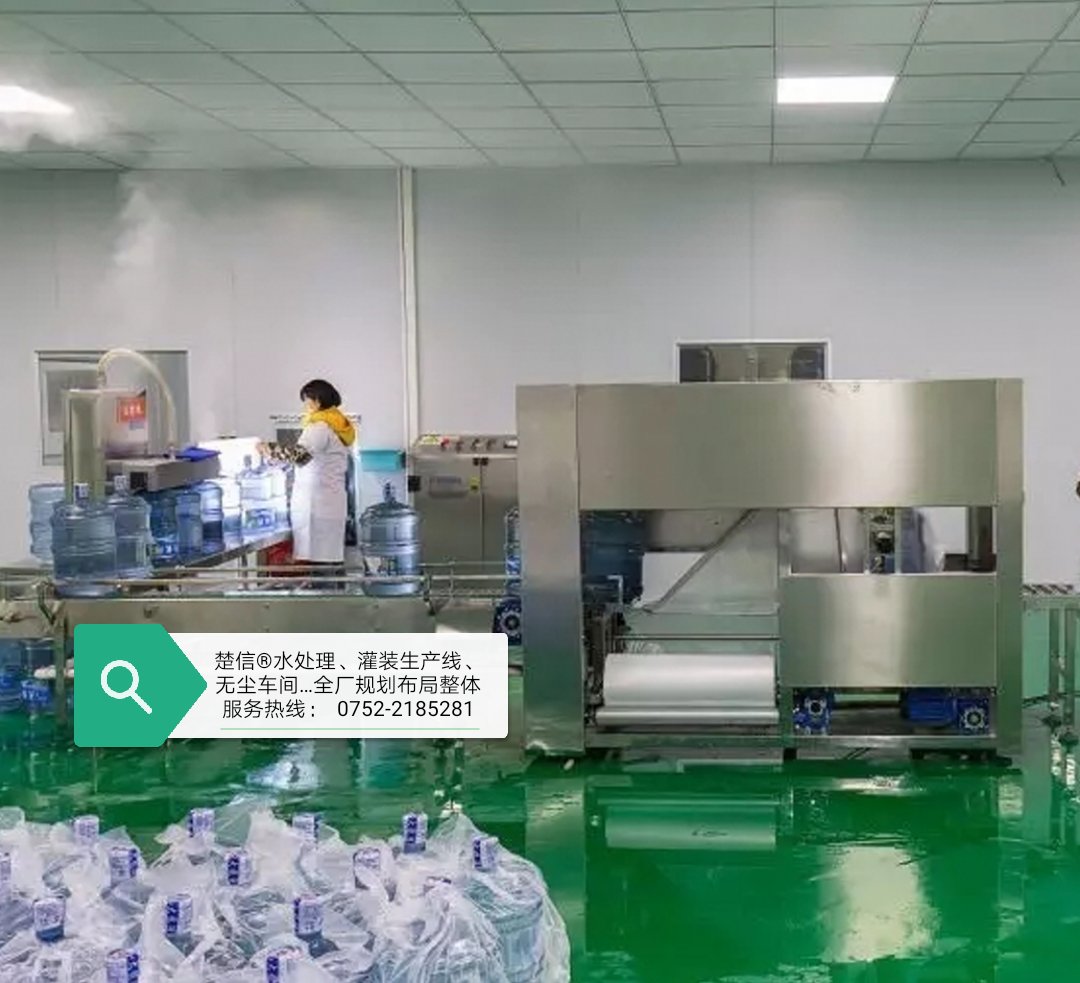
Clean Air Purification Systems
Custom-engineered air purification systems for water bottling and barrelled water fillin...