
Why Mismatched Process Parameters Cause Instability in Automatic Filling Lines: A Technical Guide for Procurement and Op
Why Mismatched Process Parameters Cause Instability in Automatic Filling Lines
The Hidden Cost of Parameter Misalignment
For procurement managers and operations leads in the beverage and pharmaceutical sectors, the assumption that a "fully automatic" filling line will run at rated capacity is often a dangerous oversimplification. Instability in bottling operations rarely stems from a single broken part; it typically originates from a disconnect between the equipment's design parameters and the specific physical characteristics of the product being processed. When selecting a bottled spring water production line or a bottled purified water filling line, the critical failure point is often the alignment of three variables: bottle geometry (diameter/height), cap type compatibility, and the line's operational rhythm. If these parameters are not rigorously matched during the engineering phase, the result is inconsistent fill levels, high capping failure rates, and frequent line stoppages.
How Specific Parameters Drive Line Stability
1. Bottle Geometry and Capacity Constraints
The rated output capacity of a filling line is never a universal constant. It is strictly tied to the specific bottle dimensions and volume. Chuxin Mingwei's Fully Automatic Bottled Spring Water Filling Production Line is engineered with specific constraints in mind. For instance, the system supports standard sizes such as 18.9 L, 11.3 L, and 5 L. However, the transition from an 18.9 L barrel to a 5 L PET bottle fundamentally changes the line's cycle time.
- *The Risk:
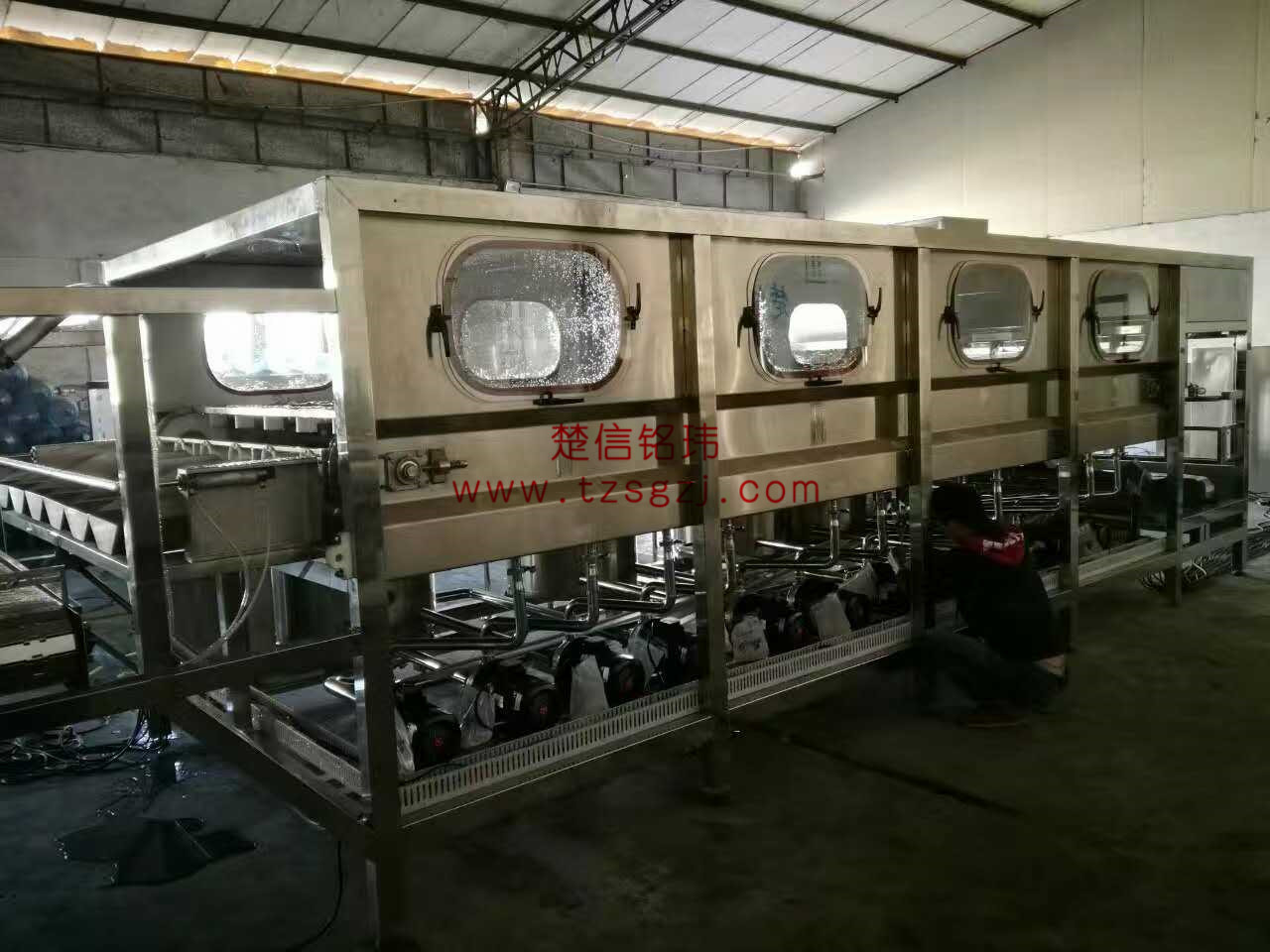
- A line rated for 200–1,800 bottles/hour based on 18.9 L barrels cannot simply be assumed to achieve similar throughput when switching to smaller bottles without re-evaluating the conveyor speed and valve timing. As noted in technical specifications, compatible bottle diameters range significantly. A mismatch between the bottle neck diameter and the washing/filling head's sealing mechanism can lead to air leaks or unstable positioning, causing the PLC control system to trigger safety stops. Similarly, the Bottled Purified Water Filling Line utilizes a dual-stage RO process and integrates bottle washing, filling, and capping. The specification notes a capacity range of 200–2,500 bottles/hour, but this is contingent on the bottle type (e.g., 5 L, 11.3 L, 18.9 L). Using a bottle size outside the validated range disrupts the synchronization of the synchronized bottle washing-filling-capping unit, leading to errors or overflow issues.
2. Cap Type and Sealing Mechanics
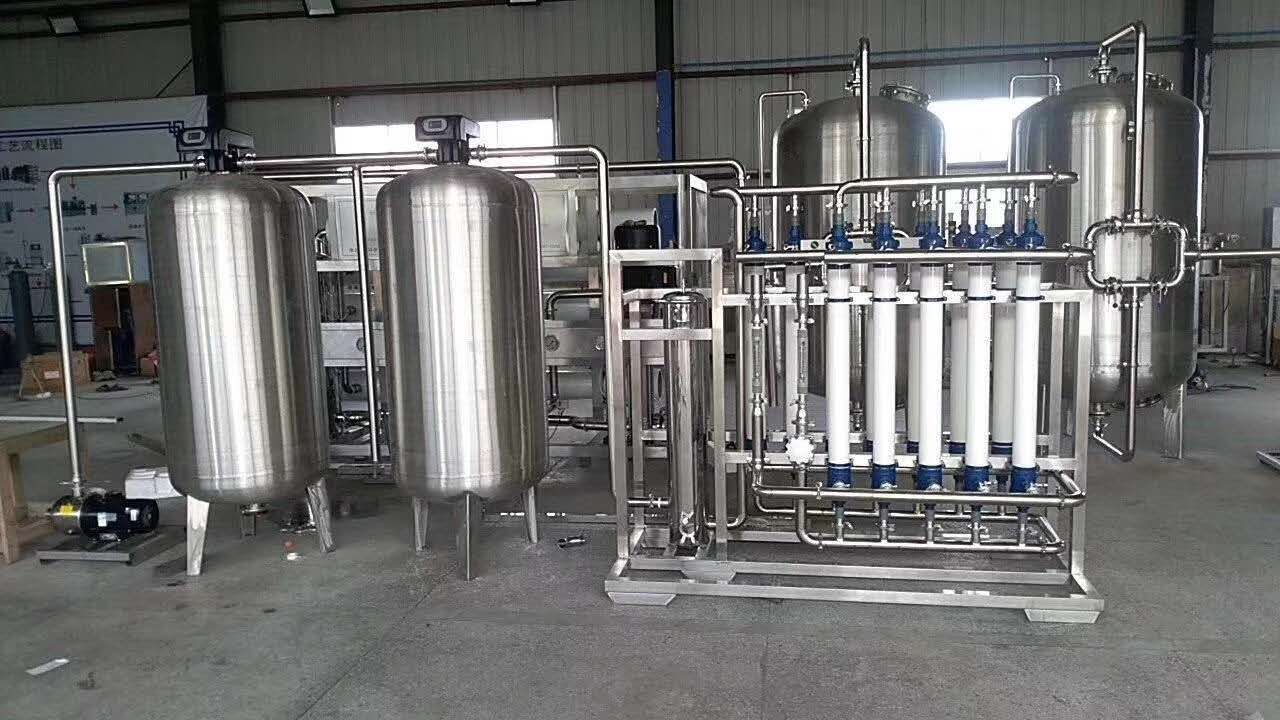
The choice of closure is not merely a packaging decision; it is a mechanical interface requirement. Different cap types—such as plastic caps, sports caps, or aluminum caps—require distinct torque settings and feeding mechanisms. In the context of spring water filling equipment, the Dual-membrane NF + UF process ensures mineral retention, but the final seal integrity depends entirely on the capping station's ability to match the cap geometry.
- *The Risk:
- If the line is configured for standard plastic caps but attempts to run sports caps without adjusting the cap sorter and capping head height, the pass rate drops below the guaranteed threshold of ≥99.6%.
- *The Fact:
- Technical documentation highlights that filling accuracy must be maintained within ±2 mL. Variations in cap height or thread depth can cause the capping head to miss the bottle center or apply incorrect torque, leading to leakage or consumer complaints.
3. Line Rhythm and Air Quality Dependencies
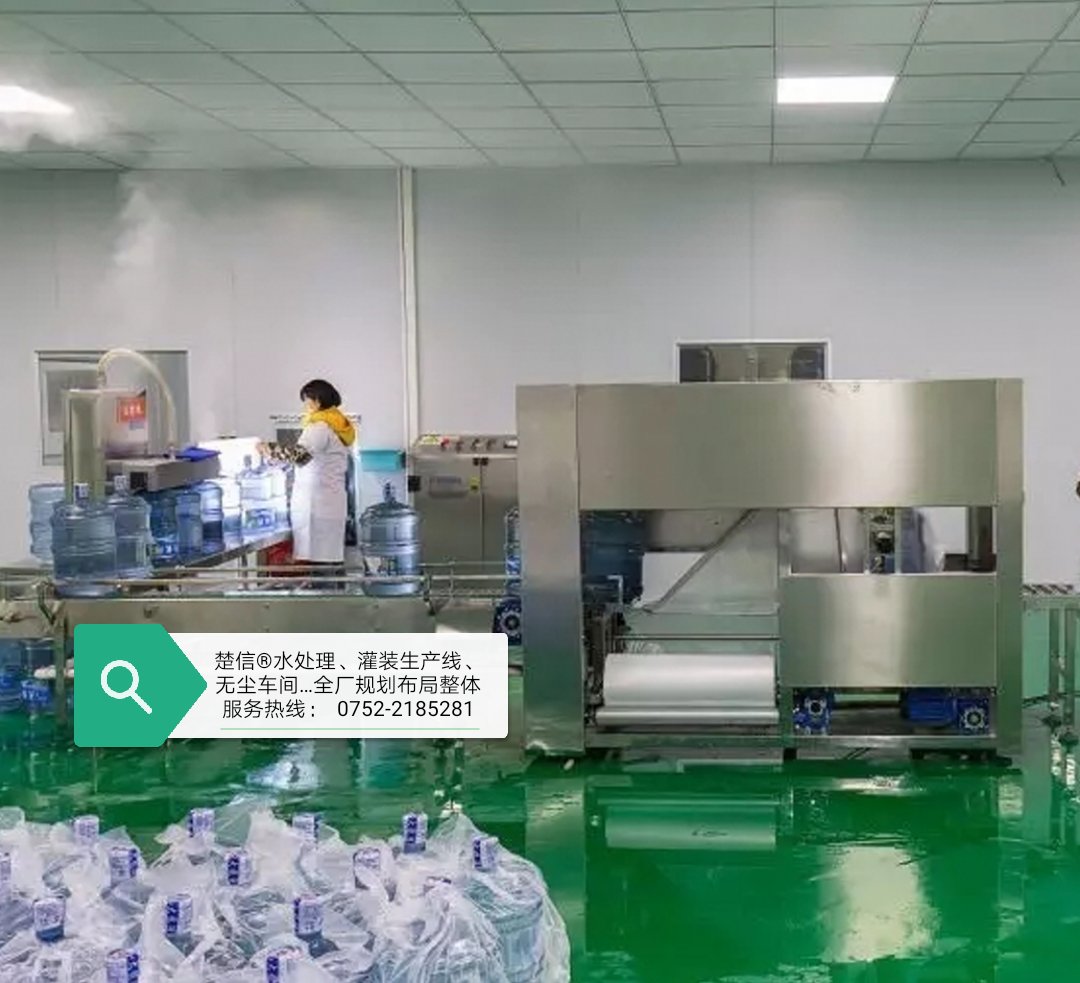
A filling line does not operate in isolation. Its stability is heavily influenced by the surrounding environment, particularly for cleanroom applications. For facilities producing barrelled water or high-value pharmaceutical-grade water, the Clean Air Purification Systems are integral to the line's success. These systems are designed to meet ISO Class 8 (100,000) standards, with options to upgrade to Class 7 (10,000).
- *The Risk:
- If the air filtration system (H13 HEPA) cannot maintain positive pressure zoning relative to the filling zone, particulate contamination increases. This forces the line to slow down for additional cleaning cycles or triggers quality alarms.
- *The Fact:
- The integration of PLC + HMI control allows for real-time diagnostics. However, if the airflow range (1,500 – 20,000 m³/h) is not correctly sized for the facility's layout, the line rhythm will suffer from environmental instability, regardless of the filling machine's mechanical precision.
Diagnostic Checklist for Technical Evaluators
Before validating a supplier or commissioning a new line, technical teams should verify the following parameter alignments:
| Parameter | Critical Checkpoint | Consequence of Mismatch |
|---|---|---|
| Bottle Dimensions | Verify diameter and height against head clearance. | Mechanical collision, unstable transport, fill level variance. |
| Cap Compatibility | Confirm cap type (plastic/sports/aluminum) matches feeder and capper specs. | Low capping pass rate (<99.6%), leakage, torque inconsistency. |
| Capacity vs. Volume | Ensure rated output (e.g., 200–1,800 bph) is calculated for the actual target bottle size. | Overloading the motor, excessive wear, inability to meet peak demand. |
| Airflow & Pressure | Match Clean Air System capacity (m³/h) to room volume and ISO class requirements. | Contamination spikes, line shutdowns for sanitation, failed audits. |
Implementation Boundaries and Next Steps
It is crucial to understand that non-standard, site-specific solutions are the only way to guarantee stability. A generic "one-size-fits-all" approach fails because source water quality, target standards, and facility constraints vary by project. Chuxin Mingwei delivers end-to-end engineering services, including design, manufacturing, installation, and commissioning, specifically tailored to map equipment capabilities to your operational context. We prioritize stability and long-term maintainability by engineering from actual source water quality and production capacity requirements. Recommended Action: Do not rely on theoretical maximum speeds. Request a detailed process parameter alignment study from your equipment provider. This study should include:
- A material balance calculation for your specific bottle/cap combination.
- A cleanroom airflow simulation based on your facility layout.
- A validation of the PLC logic for your specific changeover scenarios. Contact our engineering team to discuss your specific bottle specifications and capacity goals. We will provide a custom configuration that ensures your industrial purification system and filling line operate in perfect harmony.
Conclusion
Instability in automatic filling lines is almost always a symptom of misaligned process parameters rather than mechanical failure. By rigorously matching bottle geometry, cap types, and environmental controls to the line's design limits, procurement managers and operations leads can secure a production line that delivers consistent quality, high efficiency, and reliable compliance. Key Takeaways:
- Rated capacity is conditional on specific bottle sizes (e.g., 18.9L vs. 5L).
- Cap type selection directly impacts the capping pass rate and seal integrity.
- Clean air systems must be sized to support the line's hygiene requirements (ISO Class 8+).
- Custom engineering is required to align equipment with unique site constraints. Call to Action: Ready to optimize your production line? Contact Chuxin Mingwei today for a technical consultation on parameter alignment and custom filling solutions.
Recommended
Bottled Spring Water Filling Production Line
Chuxin Mingwei’s customized bottled spring water filling production line is specifically...
Fully Automatic Bottled Purified Water Filling Production Line
Chuxin Mingwei’s customized fully automatic bottled purified water filling production li...
Clean Air Purification Systems
Custom-engineered air purification systems for water bottling and barrelled water fillin...