
18.9L Bottled Water Equipment Use Cases: Matching Source Water to Line Configuration
18.9L Bottled Water Equipment Use Cases: Matching Source Water to Line Configuration
For procurement managers and operations leads in the beverage sector, the decision to invest in 18.9L bottled water equipment is rarely about choosing a machine from a catalog. It is an engineering exercise in matching specific source water qualities to target product standards while ensuring stable throughput within existing facility constraints.
At Chuxin Mingwei, we observe that project delays often stem not from equipment failure, but from a mismatch between the selected purification process and the actual raw water profile, or between the filling line's mechanical design and the bottle specifications. This article breaks down the two primary use cases for 18.9L production lines—Purified Water and Spring Water—and provides a checklist for validating your system configuration before commitment.
Use Case 1: Municipal or Deep Well Sources (Purified Water)
When the raw water source is municipal tap water or deep well water with high total dissolved solids (TDS), the objective is complete demineralization and sterilization to meet strict drinking water standards.
Required System Composition
In this scenario, the core of the production line must be a Fully Automatic Bottled Purified Water Filling Production Line built on a two-stage Reverse Osmosis (RO) process.
- Purification Logic:*
- The system typically integrates multi-media filtration, activated carbon adsorption, and precision filtering before the water enters the dual-stage RO membranes. This ensures the removal of ions, organics, and microorganisms.
- Sterilization Protocol:*
- Post-RO treatment is critical. Our configurations combine ozone generation with UV sterilization (254 nm) to guarantee biological stability in the finished product without altering taste profiles artificially.
- Filling Mechanics:*
- The filling unit operates as an integrated washing-filling-capping monoblock. For 18.9L (5-gallon) bottles, the system must handle synchronized empty bottle handling, internal/external washing, and precise filling.
Operational Suitability
This configuration is ideal for brands targeting the mass market where consistency and purity are the primary selling points. The rated capacity for such lines typically ranges from 200 to 2,500 bottles per hour, customizable based on shift requirements. The key advantage here is the fully automated end-to-end workflow, which minimizes manual intervention and reduces contamination risks during the capping phase, achieving a capping pass rate suitable for high-volume distribution.
Use Case 2: Natural Spring or Mountain Sources (Mineral Retention)
If the source is natural spring water, the goal shifts from demineralization to selective purification. The challenge is removing harmful contaminants while retaining beneficial minerals like calcium, magnesium, and potassium that define the product's market value.
Required System Composition
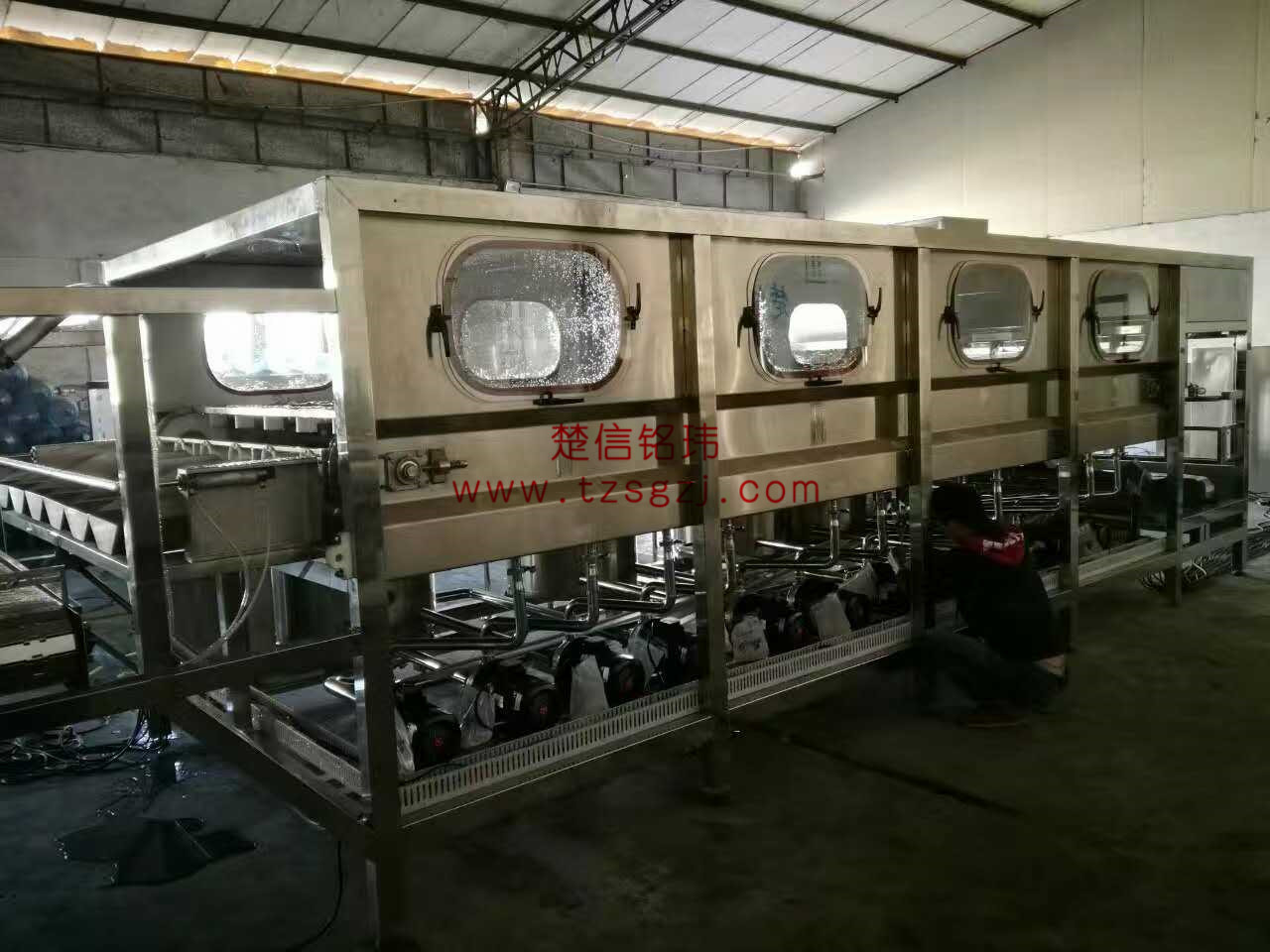
Standard RO systems are often unsuitable here as they strip too many minerals. Instead, the appropriate solution is a Bottled Spring Water Filling Production Line utilizing a Dual-membrane Nanofiltration (NF) + Ultrafiltration (UF) process.
- Purification Logic:*
- NF membranes have a larger pore size than RO, allowing them to filter out bacteria and large organic molecules while permitting specific mineral ions to pass through. UF provides a final barrier against particulate matter.
- Balancing Act:*
- This process balances purification efficiency with mineral retention, ensuring the final water profile matches the source's natural signature while meeting safety regulations.
- Filling Precision:*
- Just like the purified line, this system employs an intelligent PLC-based control system. However, the filling accuracy is tuned to ≤ ±2 mL to prevent overflow or under-fill, which is crucial for premium branding where every milliliter counts.
Operational Suitability
This setup is mandatory for brands marketing "natural spring water" or "mineral water." Attempting to use a standard RO line for spring water would require costly remineralization steps post-filtration, increasing operational complexity and cost. The NF+UF approach simplifies this by preserving the natural composition at the source stage.
Critical Implementation Prerequisites
Before finalizing equipment selection, three non-negotiable factors must be verified to ensure the line functions as intended in your specific facility.
1. Source Water Analysis Report
Equipment cannot be sized or specified without a detailed water quality report. Parameters such as TDS, pH, hardness, iron, manganese, and microbial load dictate the pre-treatment train. A system designed for low-TDS municipal water will fail rapidly if connected to a high-hardness well without proper softening.
2. Bottle and Cap Specifications
The 18.9L format is not universal. Variations in neck finish, bottle diameter, and material (PC vs. PET) affect the conveying and clamping mechanisms.
- Compatibility:*
- Ensure the chosen line supports your specific bottle dimensions (e.g., standard 5-gallon diameters).
- Capping:*
- The capping head must match your cap type (plastic, smart caps, or aluminum). Mismatches here lead to the most common cause of line stoppages.
3. Facility Layout and Utilities
Clean air support is often overlooked. For water bottling, the filling area should ideally meet ISO Class 8 (100,000) standards or higher to prevent airborne contamination.
- Airflow & Zoning:*
- Your facility must accommodate the duct routing and pressure zoning required for the Clean Air Purification Systems.
- Utility Balance:*
- Verify that your plant's power supply, compressed air pressure, and drainage capacity align with the equipment's peak demands.
Decision Checklist for Procurement Teams
To avoid costly re-engineering during installation, use this checklist to validate your current project status:
- [ ] Water Profile Defined:*
- Do you have a recent, comprehensive lab report of your raw water source?
- [ ] Process Match:*
- Have you confirmed whether your product strategy requires full demineralization (RO) or mineral retention (NF+UF)?
- [ ] Capacity Reality:*
- Is the target output (e.g., 1,000 bottles/hour) based on actual market demand and shift patterns, including time for CIP cleaning and maintenance?
- [ ] Packaging Compatibility:*
- Have you provided physical samples of your bottles and caps to the manufacturer for compatibility testing?
- [ ] Environmental Control:*
- Is your workshop layout capable of supporting the required cleanroom airflow and pressure differentials?
Conclusion and Next Steps
Selecting the right 18.9L bottled water equipment is a site-specific engineering task, not a commodity purchase. Whether you require a robust two-stage RO system for purified water or a delicate NF+UF arrangement for spring water, the stability of your production depends on precise alignment between your source water, packaging format, and facility infrastructure.
At Chuxin Mingwei, we do not offer off-the-shelf guesses. We engineer non-standard solutions based on your actual water quality data and production goals. If you are currently evaluating suppliers or troubleshooting an existing line's performance, contact our technical team. We will review your water report and facility layout to provide a tailored feasibility assessment and a clear roadmap for your production line implementation.
Recommended
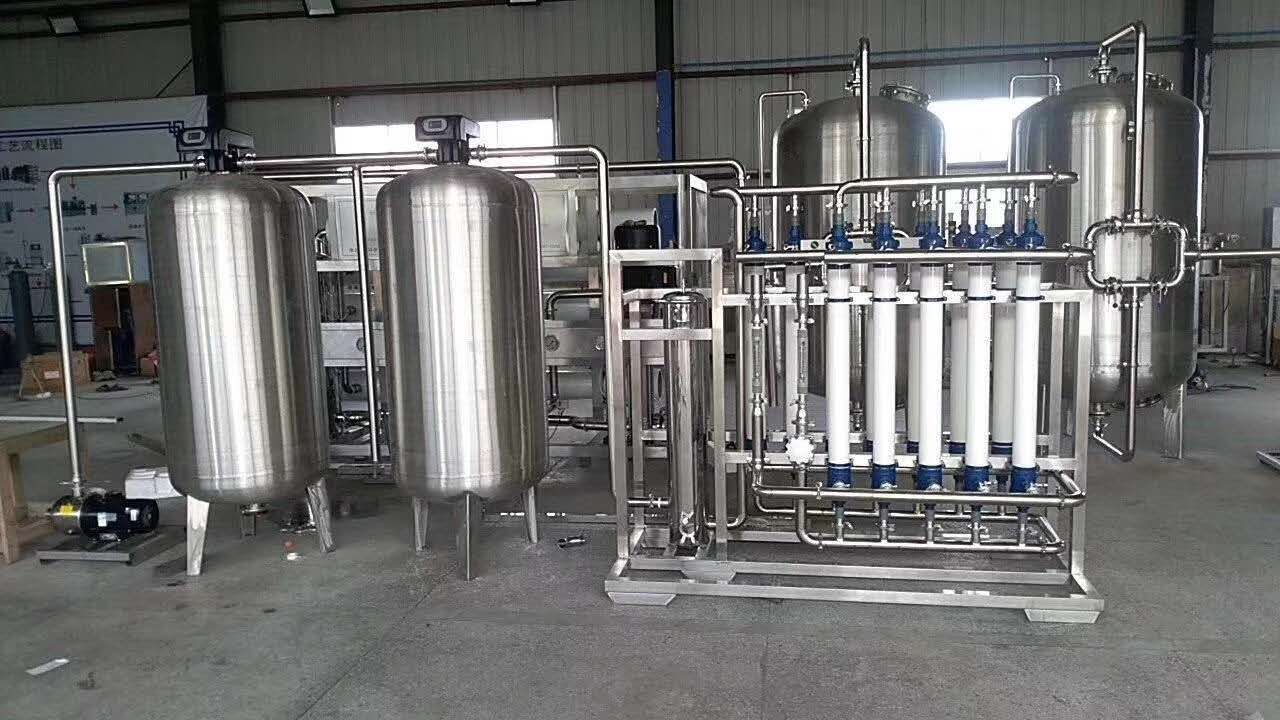
Bottled Spring Water Filling Production Line
Chuxin Mingwei’s customized bottled spring water filling production line is specifically...
Fully Automatic Bottled Purified Water Filling Production Line
Chuxin Mingwei’s customized fully automatic bottled purified water filling production li...
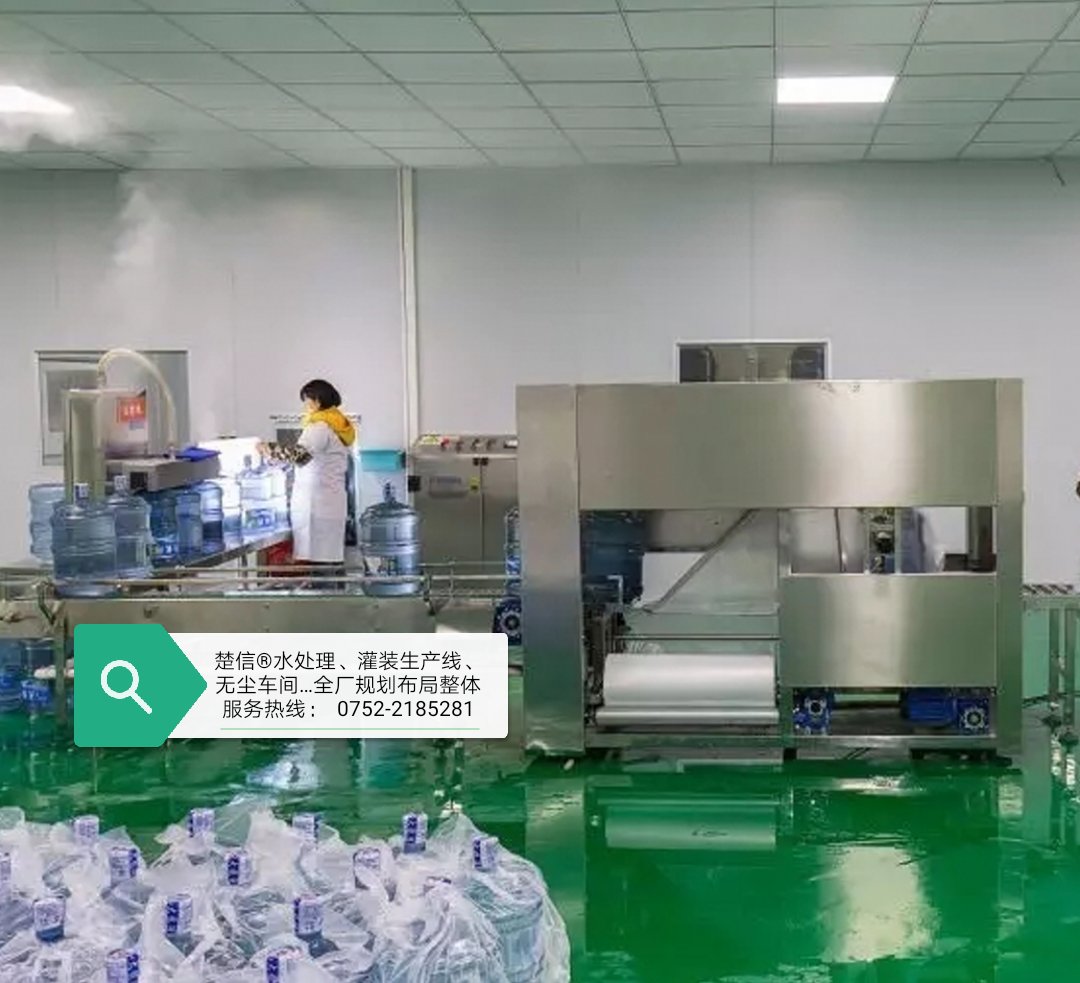
Clean Air Purification Systems
Custom-engineered air purification systems for water bottling and barrelled water fillin...