
18.9L Bottled Water Equipment Pricing Factors: Configuration, Capacity, and Budget Trade-offs
Understanding Cost Drivers for 18.9L Bottled Water Production Lines
For procurement managers and operations leads evaluating a new 18.9L (5-gallon) bottled water plant, the initial equipment quote is rarely a simple catalog price. At Chuxin Mingwei, we engineer every line based on specific source water quality, target production capacity, and facility layout. Consequently, the final investment is determined by a series of technical configuration choices rather than a single unit cost.
This guide breaks down the critical factors influencing the pricing of 18.9L bottled water equipment, helping you distinguish between essential capabilities and optional upgrades while ensuring long-term operational stability.
1. Source Water Quality and Purification Process Complexity
The most significant variable in your system cost is the water treatment train required to meet your product standards. The price difference between a basic filtration system and a deep purification setup can be substantial.
- Purified Water Projects:*
- If your goal is producing purified drinking water, the system typically requires a dual-stage Reverse Osmosis (RO) process combined with ozone and UV sterilization. This configuration involves high-pressure pumps, membrane arrays, and automated CIP (Clean-in-Place) systems. The complexity increases if your raw water has high TDS or specific contaminants requiring pre-treatment like softening or multi-media filtration.
- Spring/Mineral Water Projects:*
- For natural spring water, the objective shifts to retaining beneficial minerals while removing impurities. This often necessitates a Nanofiltration (NF) + Ultrafiltration (UF) process. While potentially less energy-intensive than dual RO, NF membranes and the precise control systems required to balance mineral retention with safety represent a specialized engineering cost.
Budget Implication: A detailed water quality report is mandatory before quoting. Assuming a standard "off-the-shelf" purification train without analyzing source water can lead to under-budgeting for necessary pretreatment or over-spending on unnecessary membrane stages.
2. Filling Line Capacity and Mechanical Precision
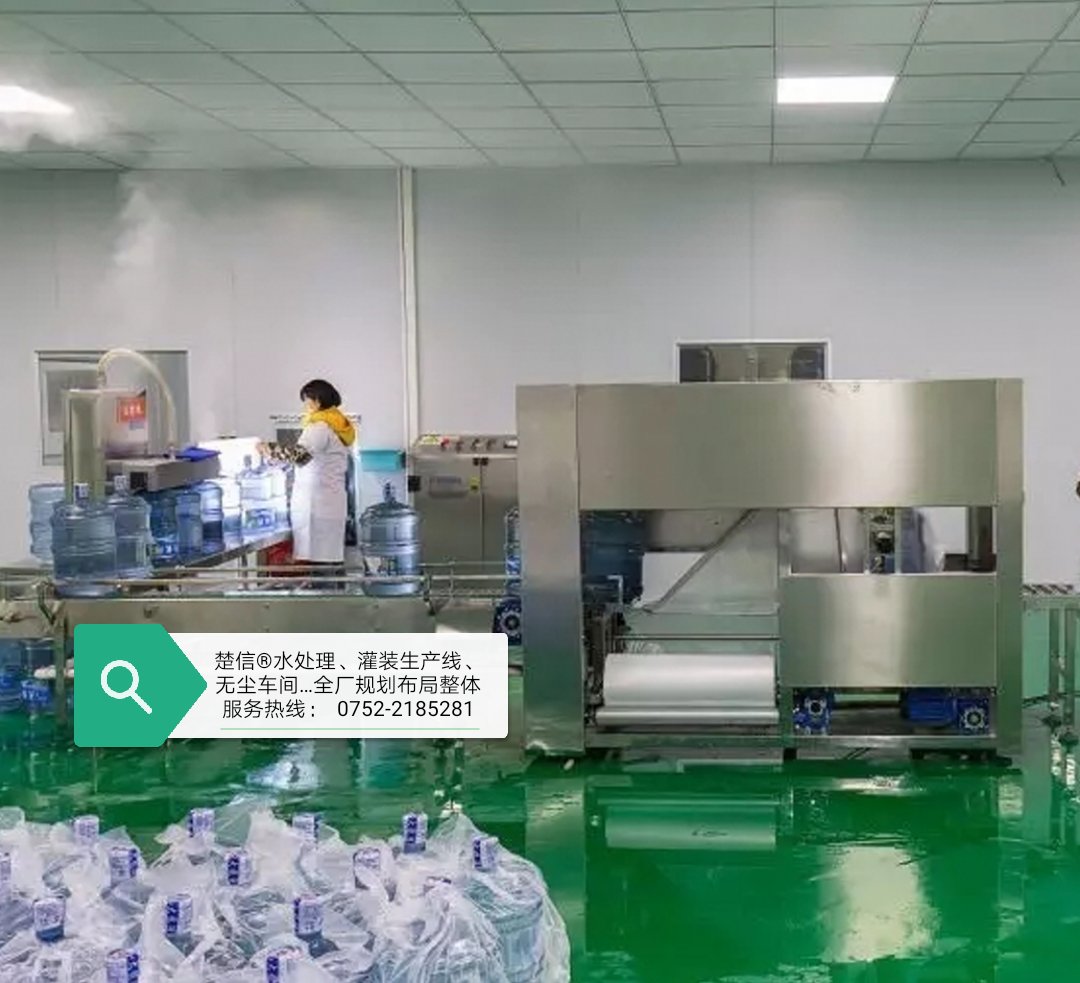
The throughput requirement directly dictates the mechanical scale and control architecture of the filling section. Our 18.9L filling lines cover a wide range of output capacities, but the price does not scale linearly with speed.
- Low to Medium Capacity:*
- These lines often utilize compact automatic configurations. They are cost-effective for startups or facilities with space constraints but may require more manual intervention for bottle handling and capping depending on the specific setup.
- High Capacity:*
- High-speed lines demand robust conveyor systems, synchronized bottle washing-filling-capping units, and advanced PLC-based intelligent control systems.
Key Precision Metric: Regardless of speed, the filling accuracy is a critical quality parameter. Chuxin Mingwei's engineered solutions target high filling accuracy and a high capping pass rate. Achieving this level of precision at high speeds requires higher-grade sensors, servo motors, and machining tolerances in the filler valves, which increases the base equipment cost but significantly reduces water waste and rework expenses over the machine's lifecycle.
3. Automation Level and Integration Scope
The definition of "equipment" varies widely between suppliers. A lower initial quote might cover only the core filler, excluding essential upstream and downstream processes that are vital for a functioning plant.
- Core Unit Only:*
- Includes the rinser-filler-capper monoblock. You must separately source conveyors, air cleaners, and coding systems.
- End-to-End Engineering:*
- A comprehensive solution integrates empty bottle handling (unscrambling or de-palletizing), internal/external bottle washing, precise filling, capping, and immediate post-fill inspection.
For 18.9L barrels, the handling of heavy containers introduces additional cost factors. Automated systems that manage bottle orientation, internal rinsing pressure, and cap sorting without manual labor command a higher upfront price but offer superior hygiene and lower labor costs. Furthermore, integrating the line with a Clean Air Purification System to meet cleanroom standards adds to the project scope but is often a regulatory necessity for pharmaceutical or high-end beverage clients.
4. Facility Constraints and Custom Engineering
Unlike small consumer goods, 18.9L water lines are heavy, large, and sensitive to utility fluctuations. Site-specific engineering is a non-negotiable cost component for reliable delivery.
- Layout Adaptation:*
- If your facility has irregular dimensions or existing infrastructure limitations, the equipment frame, conveyor routing, and pipe bridging must be custom-designed. Standard modular layouts may not fit, requiring bespoke fabrication.
- Utility Interfaces:*
- The cost includes the engineering effort to match the line's requirements for compressed air, cooling water, and power supply with your plant's available utilities. Mismatches here can cause costly delays during installation and commissioning.
5. Service Scope and Long-Term Maintainability
Finally, the pricing structure reflects the depth of support included. A bare-metal price excludes the value of sustained operability.
Chuxin Mingwei's proposals include end-to-end services: design validation, manufacturing, on-site installation, commissioning, and operator training. The inclusion of remote-ready interfaces for diagnostics and a structured after-sales support plan ensures that the equipment maintains its rated capacity and accuracy over years of operation. When comparing quotes, verify whether the supplier offers a clear service boundary and delivery workflow or simply hands over hardware.
Conclusion and Next Steps
The cost of 18.9L bottled water equipment is a function of your specific water chemistry, desired output speed, automation preferences, and site conditions. There is no single "market price"; there is only the cost of the correct engineering solution for your scenario.
To obtain an accurate budget estimate:
- Prepare your source water analysis report.
- Define your target daily production volume and shift patterns.
- Outline your available factory floor dimensions and utility limits.
Contact our technical team to discuss your project specifics. We will map these parameters to a tailored configuration that balances your initial investment with long-term production efficiency and compliance.
Recommended
Clean Air Purification Systems
Custom-engineered air purification systems for water bottling and barrelled water fillin...
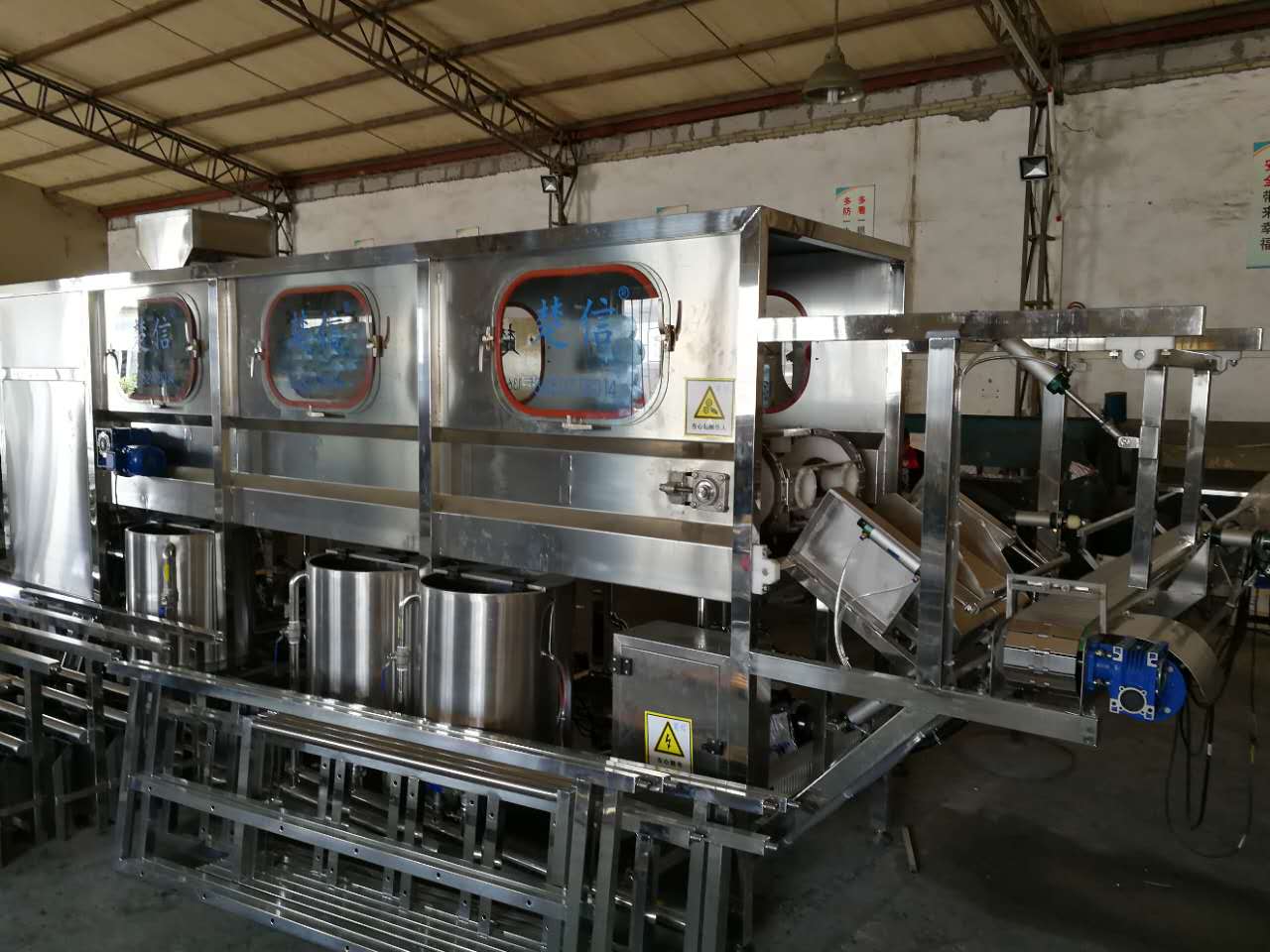
Barrelled Water Sterilization & Filling Production Line
A fully integrated, modular production line for sterilized barrelled water — engineered...
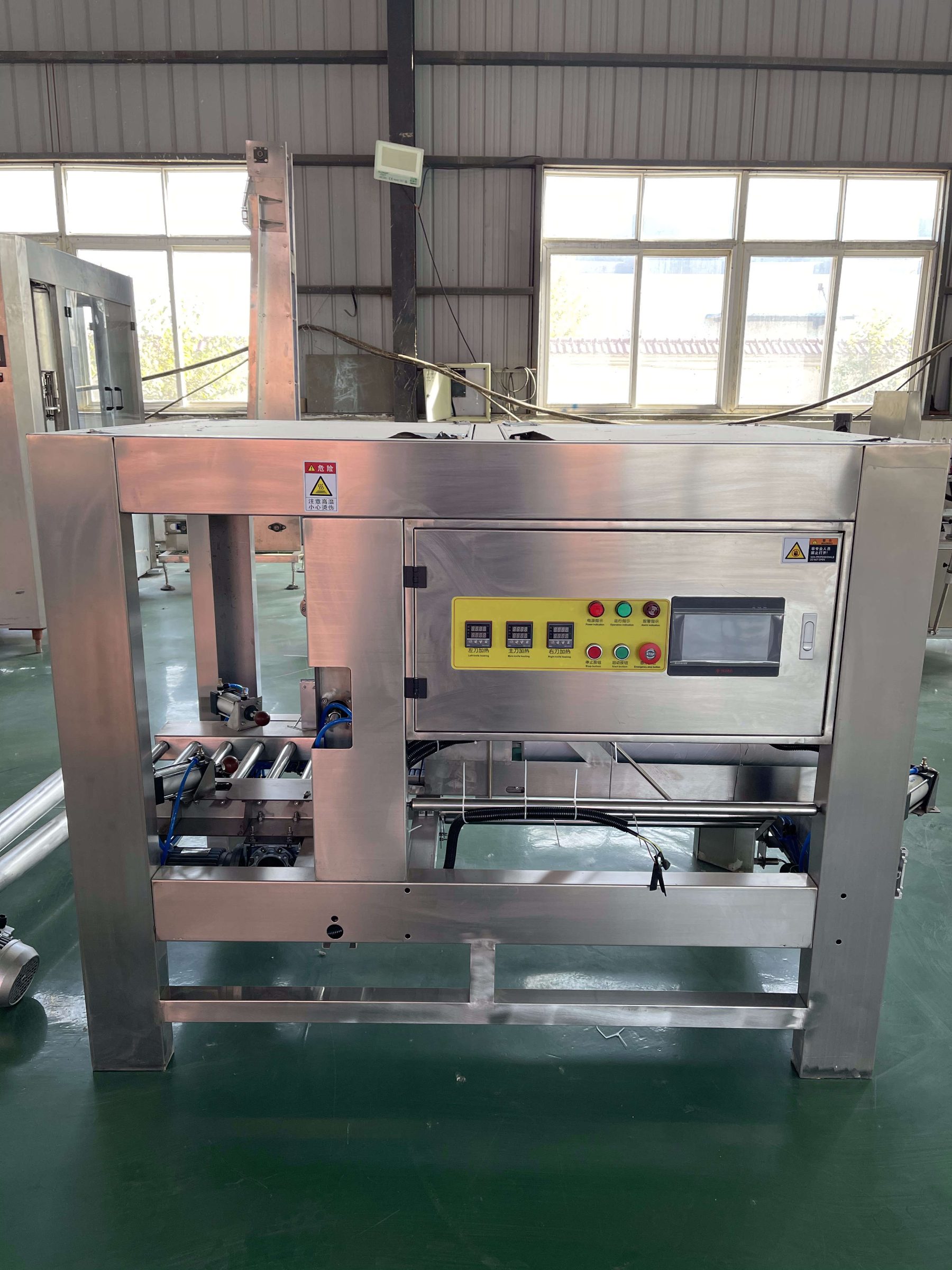
Automatic Barrel-Wrap Packaging Machine for Drinking Water
A fully automated, food-grade barrel-wrapping solution engineered for bottled water prod...