NF Spring Water Equipment Use Cases: When to Choose Nanofiltration for Mineral Retention
NF Spring Water Equipment Use Cases: Balancing Purity and Mineral Retention
For beverage manufacturers producing bottled spring water, the choice of purification technology is not just about removing contaminants—it is about preserving the natural character of the source water. While Reverse Osmosis (RO) is the standard for purified water, Nanofiltration (NF) has emerged as a critical solution for spring water applications where mineral content must be retained. This article examines the specific use cases for NF spring water equipment, helping procurement managers and operations leads determine if this technology aligns with their product standards, capacity requirements, and facility constraints.
Why Choose Nanofiltration for Spring Water?
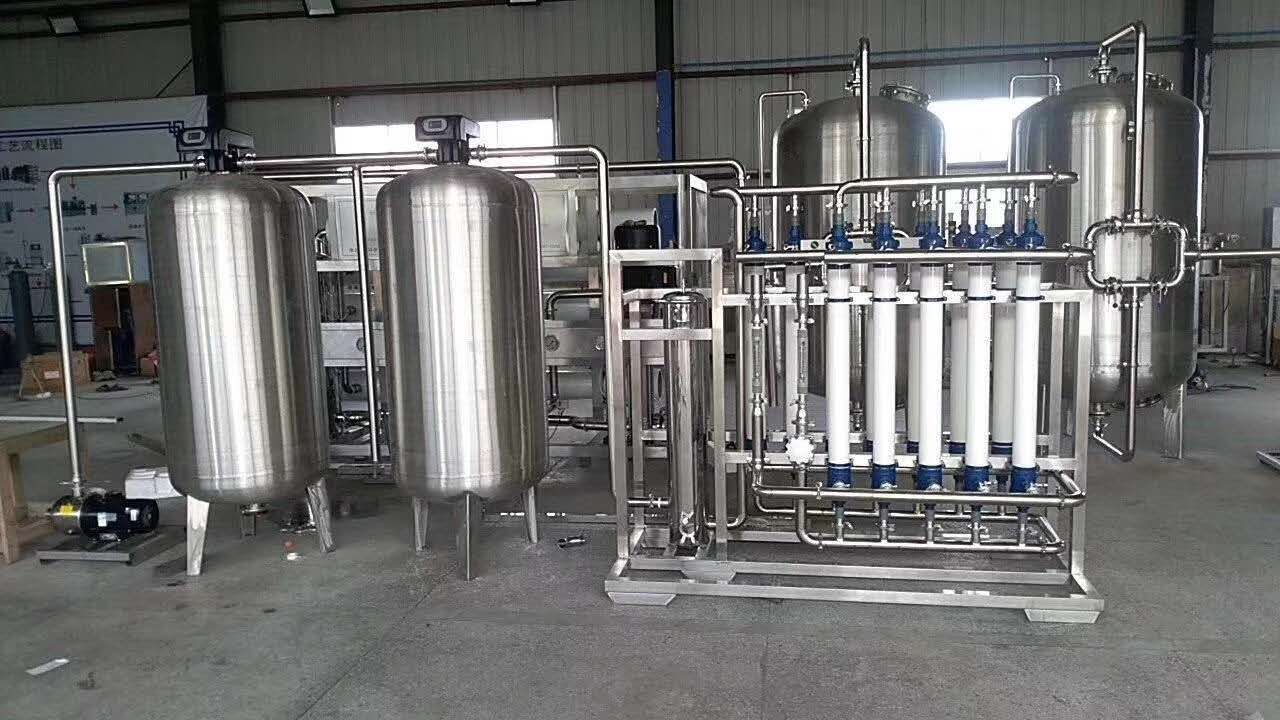
The primary differentiator between NF and RO lies in selectivity. RO membranes remove nearly all dissolved solids, including beneficial minerals like calcium and magnesium. In contrast, NF membranes allow certain divalent ions and minerals to pass through while effectively rejecting organic matter, bacteria, viruses, and heavy metals. Use Case 1: Preserving Natural Mineral Profile If your brand positioning relies on the natural health benefits or taste profile of spring water, NF is the preferred engineering choice. It provides a "soft purification" effect that ensures safety without stripping the water of its essential mineral composition. This is particularly relevant for brands marketing "natural mineral water" rather than "purified drinking water." Use Case 2: Meeting Strict Hygiene Standards Without Over-Purification NF systems typically integrate with Ultrafiltration (UF) or multi-stage processes to achieve high hygiene standards. For facilities targeting cleanroom environments, NF offers a robust barrier against microbiological contamination while maintaining the water's natural balance. This makes it suitable for premium bottled water lines where both safety and sensory quality are non-negotiable.
Key Technical Specifications & Compatibility
When evaluating NF spring water equipment, it is essential to match the purification system with downstream filling capabilities. Chuxin Mingwei’s engineered solutions highlight several critical compatibility factors:
- *Process Integration:
- The recommended configuration often involves a Dual-membrane NF + UF process. This combination balances purification efficiency with mineral retention, ensuring that the water meets target standards before entering the filling stage.
- *Filling Line Compatibility:
- NF-treated water is compatible with fully automatic bottled water filling lines designed for various formats, including 18.9 L, 11.3 L, and 5 L bottles. The system must ensure consistent pressure and flow to maintain filling accuracy and capping reliability.
- *Control Systems:
- Modern NF units are integrated with PLC-based intelligent control systems. This allows for real-time monitoring of water quality parameters, ensuring that any deviation in mineral content or purity is detected immediately.
Decision Checklist: Is NF Right for Your Project?
Before committing to an NF-based spring water production line, evaluate your project against these criteria:
- Source Water Quality: Does your raw water have low levels of dissolved salts but require removal of organics and microbes? If the total dissolved solids (TDS) are extremely high, RO might still be necessary.
- Product Standard: Are you required to retain specific minerals per local regulations or brand claims? If yes, NF is superior to RO.
- Capacity Requirements: Can the NF system support your target output? Our customized lines handle rated outputs from 200 to 1,800 bottles/hour (based on 18.9 L bottles). Ensure the purification capacity matches the peak demand of your filling line.
- Facility Constraints: Do you have space for the dual-membrane setup? NF systems may require specific pre-treatment stages to protect the membranes from fouling.
Implementation & Next Steps
Implementing an NF spring water production line requires more than just purchasing equipment; it demands end-to-end engineering services. From design based on actual source water analysis to installation, commissioning, and operator training, each step impacts long-term stability. Recommended Action Plan:
- *Step 1:
- Conduct a detailed water quality analysis of your source water.
- *Step 2:
- Define your target water standards and production capacity.
- *Step 3:
- Consult with engineering experts to map equipment capabilities to your operational context. For a tailored assessment of your spring water production needs, contact our team to discuss how our custom NF solutions can enhance your product quality and operational efficiency. [Contact Chuxin Mingwei for a Custom NF Solution Assessment]
Recommended
Bottled Spring Water Filling Production Line
Chuxin Mingwei’s customized bottled spring water filling production line is specifically...
Clean Air Purification Systems
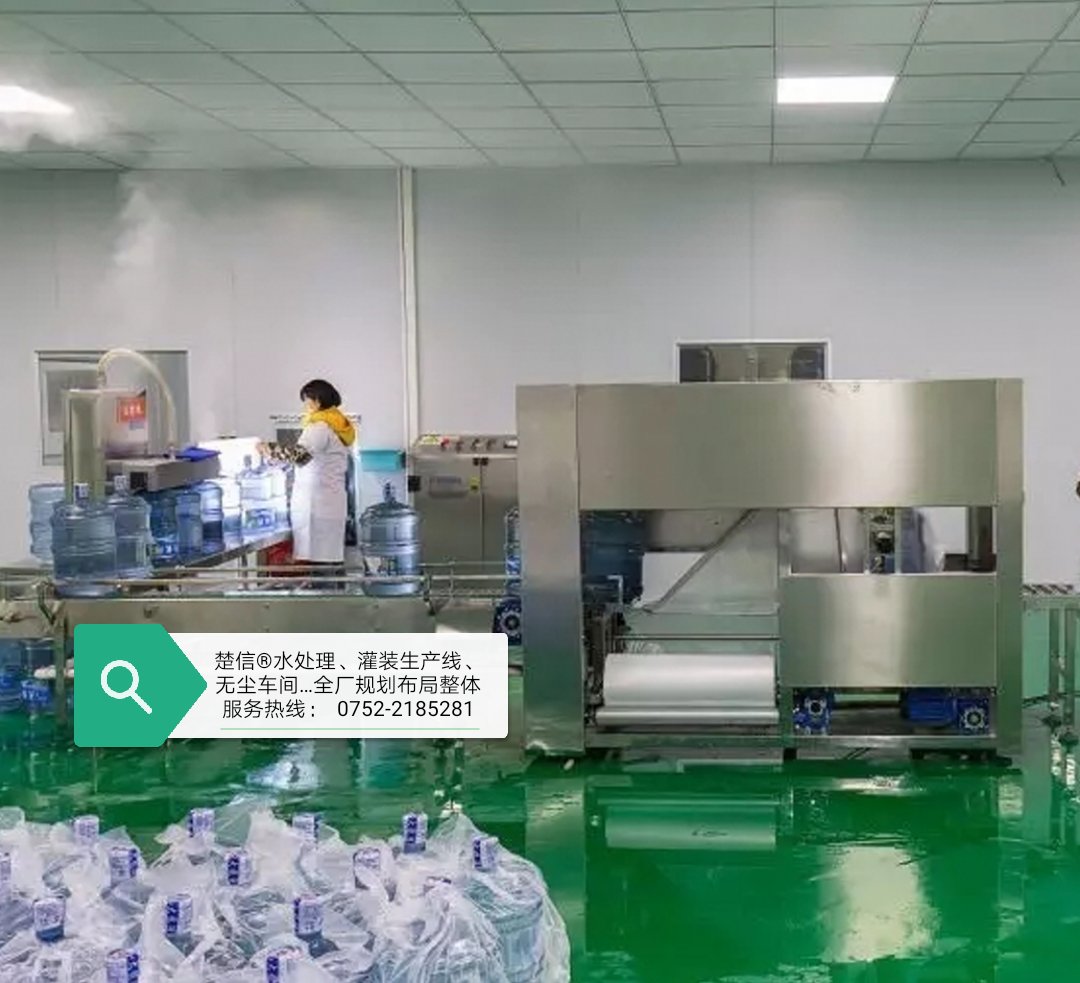
Custom-engineered air purification systems for water bottling and barrelled water fillin...
Barrelled Water Sterilization & Filling Production Line
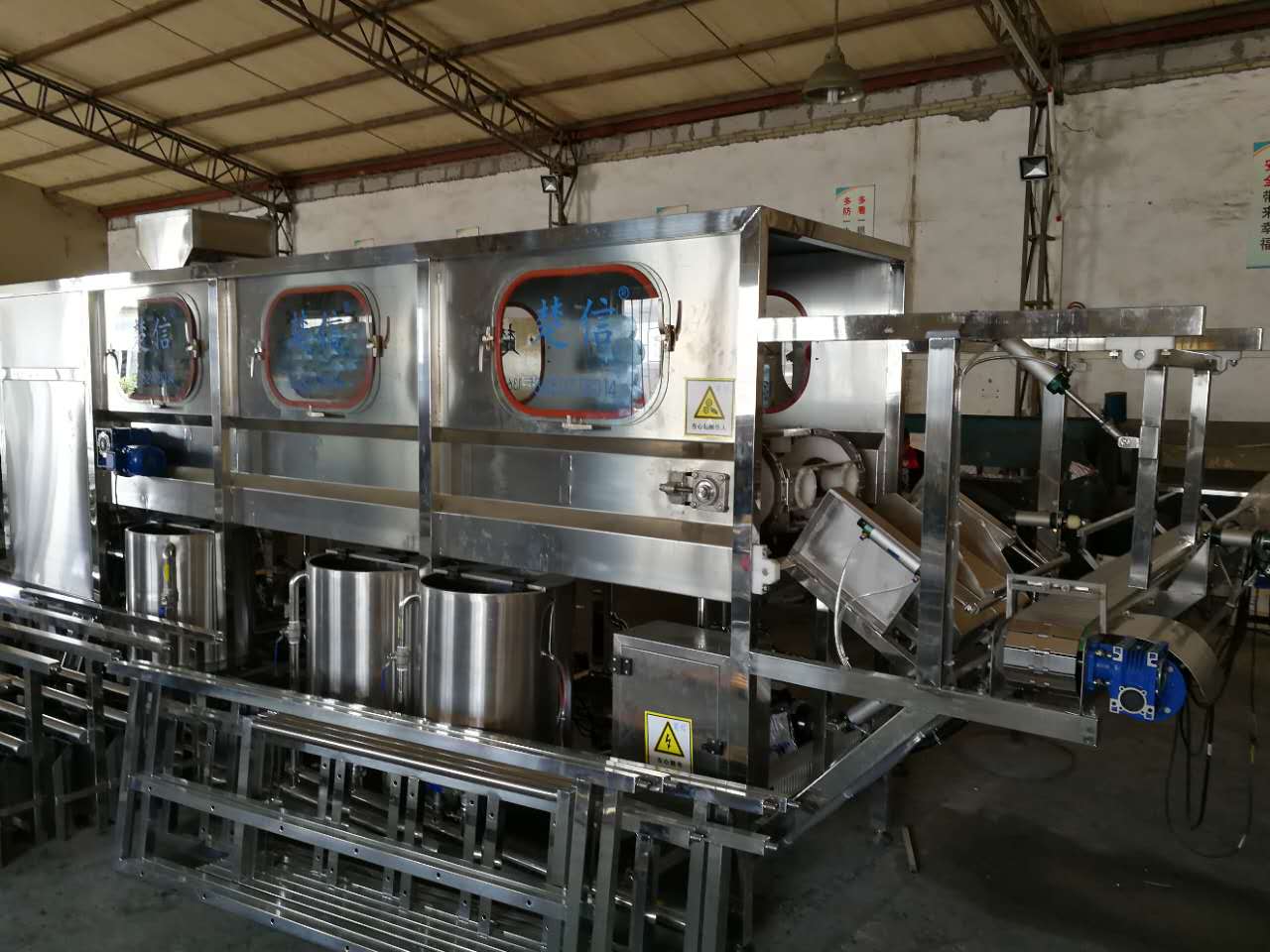
A fully integrated, modular production line for sterilized barrelled water — engineered...