
How to Choose a Turnkey Water Plant Project: Capacity, Water Quality, Configuration & Service Comparison Guide
How to Choose a Turnkey Water Plant Project: A Procurement & Engineering Guide
For procurement managers and operations leads in the beverage and pharmaceutical sectors, selecting a turnkey water plant is a high-stakes decision. It involves integrating complex mechanical systems with strict hygiene standards and variable source water conditions. A poor selection can lead to chronic downtime, compliance failures, or excessive energy costs.
This guide provides a structured framework for evaluating suppliers and configurations, focusing on capacity alignment, water quality technology, environmental control, and service boundaries. We prioritize factual criteria over marketing claims to help you make a defensible investment decision.
1. Align Capacity with Real-World Operational Constraints
The rated output of a filling line is often stated under ideal laboratory conditions. In practice, your effective capacity depends on bottle format, changeover frequency, and maintenance windows.
- Bottle Format Impact:*
- A line designed for 18.9L barrels operates at a significantly lower hourly volume than one designed for 500mL PET bottles. For example, Chuxin Mingwei’s automated lines specify capacities ranging from 200 to 1,800 bottles/hour for 18.9L formats, while purified water lines can reach up to 2,500 bottles/hour depending on configuration. Ensure the supplier’s quoted capacity matches your target bottle size, not just their maximum theoretical speed.
- Changeover Flexibility:*
- If you produce multiple SKUs, ask about the time required to switch between bottle diameters and heights. Integrated washing-filling-capping units should allow for quick adjustments without extensive tooling changes.
- Buffer Management:*
- Evaluate whether the system includes adequate buffer tanks or accumulation tables to handle minor upstream/downstream mismatches without stopping the entire line.
2. Match Purification Technology to Source Water & Product Standards
Not all water treatment systems are created equal. The choice between Reverse Osmosis (RO) and Nanofiltration (NF) depends on your source water quality and the desired mineral content of the final product.
- Purified Water (RO):*
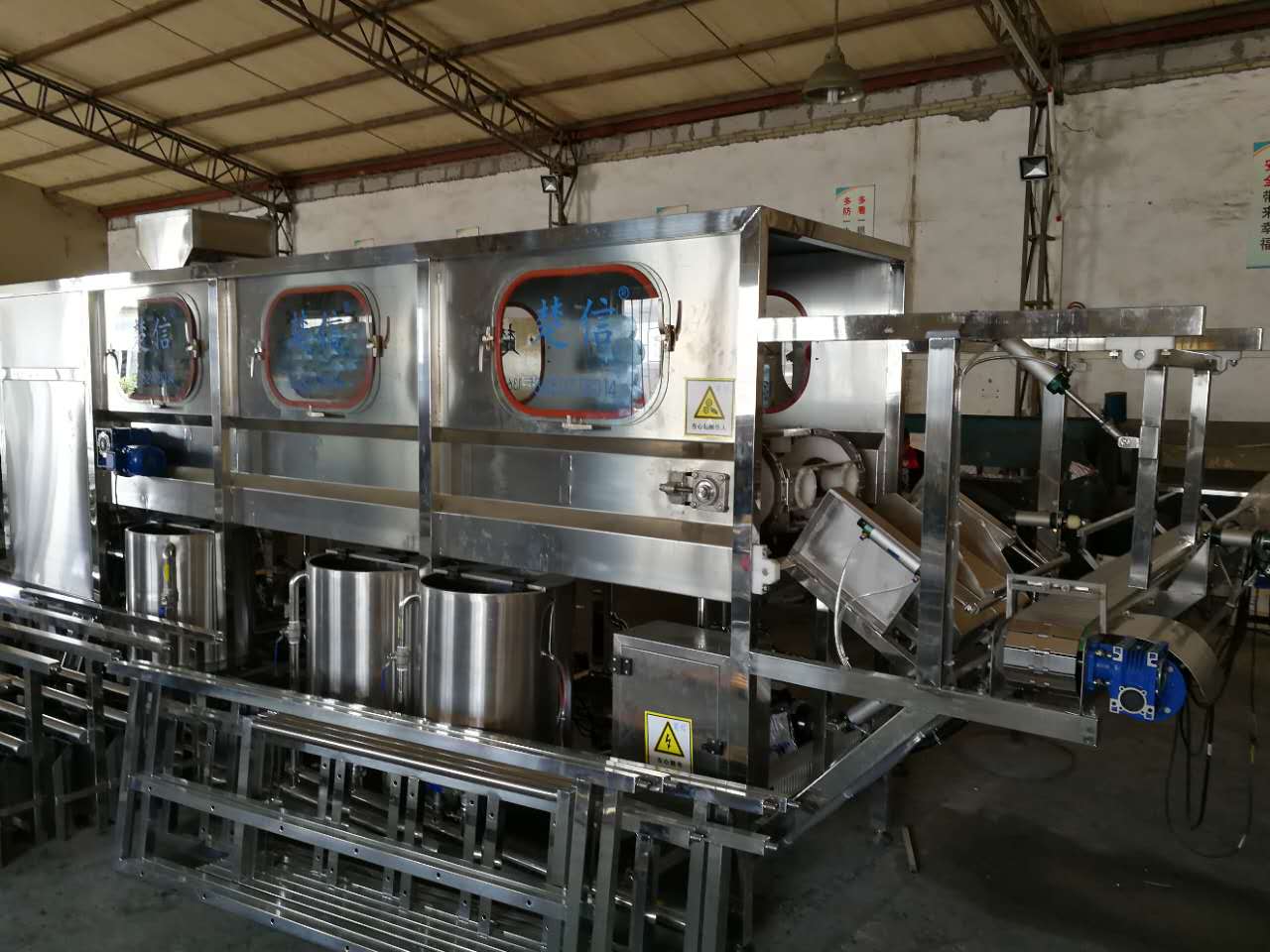
- If your goal is high-purity water for sensitive applications or consistent taste profiles, a dual-stage RO system is standard. This process removes nearly all dissolved solids. Chuxin Mingwei’s purified water lines utilize multi-media filtration + activated carbon + dual-stage RO, followed by ozone and UV (254 nm) sterilization. This ensures a robust barrier against contaminants but requires careful management of membrane fouling and energy consumption.
- Spring/Mineral Water (NF/UF):*
- If you need to retain beneficial minerals while removing pathogens and particulates, Nanofiltration (NF) combined with Ultrafiltration (UF) is preferable. This approach balances purification efficiency with mineral retention, which is critical for branding natural spring water.
- Source Water Analysis:*
- Never select a system without a full chemical analysis of your raw water. High hardness, iron, or silica levels may require additional pre-treatment stages (e.g., softening or antiscalant dosing) to protect downstream membranes. Ask the supplier to justify their pre-treatment design based on your specific water report.
3. Integrate Clean Air Systems Early in the Design Phase
Hygiene control extends beyond water chemistry. The filling environment must meet strict air quality standards to prevent post-filtration contamination. Many projects fail because the cleanroom design is an afterthought rather than an integrated component.
- ISO Class Compliance:*
- Ensure the supplier designs the air purification system to meet ISO Class 8 (100,000) standards as a baseline, with options to upgrade to Class 7 (10,000) if required by your product category (e.g., pharmaceutical-grade water).
- System Integration:*
- The clean air system should be PLC-controlled and synchronized with the filling line. Look for features like real-time diagnostics, pressure zoning, and H13 HEPA filtration. Chuxin Mingwei’s clean air solutions are engineered to integrate directly with the filling line’s operation, ensuring that airflow patterns do not disrupt bottle handling or capping processes.
- Maintenance Access:*
- Verify that filter replacement and duct cleaning can be performed without shutting down the entire production line for extended periods.
4. Evaluate Supplier Service Boundaries & Long-Term Support
A turnkey project is only as good as its installation and after-sales support. Avoid suppliers who treat "turnkey" as merely delivering equipment. You need a partner who manages the entire lifecycle.
- Scope Clarity:*
- Define exactly what is included in the "turnkey" price. Does it cover civil works coordination, electrical interface connections, or operator training? Chuxin Mingwei emphasizes end-to-end engineering services, including design, manufacturing, installation, commissioning, and operator training. Confirm these elements are explicitly listed in the contract.
- Commissioning Protocol:*
- Request a detailed commissioning plan. This should include Factory Acceptance Testing (FAT) and Site Acceptance Testing (SAT) protocols. Who is responsible for validating water quality parameters and filling accuracy (e.g., ±2 mL) during SAT?
- Spare Parts & Response Time:*
- Assess the availability of critical spare parts (membranes, pumps, valves) and the supplier’s response time for technical issues. A local presence or established service network in your region is a significant advantage.
Conclusion: Making the Right Choice
Choosing a turnkey water plant project requires a holistic view of technical specifications, operational realities, and supplier reliability. By focusing on capacity realism, appropriate purification technology, integrated hygiene controls, and clear service boundaries, you can mitigate risks and ensure a smooth implementation.
Do not rely solely on brochure specifications. Engage suppliers in detailed technical discussions about your specific source water data, production goals, and facility constraints. A well-engineered system is an investment in long-term stability and product quality.
Next Steps
To move forward with a tailored proposal:
- Prepare Your Data: Compile your latest source water analysis, target production capacity (bottles/hour), and bottle format details.
- Request a Technical Consultation: Contact our engineering team to discuss your specific requirements. We will provide a preliminary layout and process flow diagram based on your inputs.
- Site Visit: If feasible, arrange a visit to our manufacturing facility or existing client sites to observe the equipment in operation.
Contact Chuxin Mingwei Engineering Team
Recommended
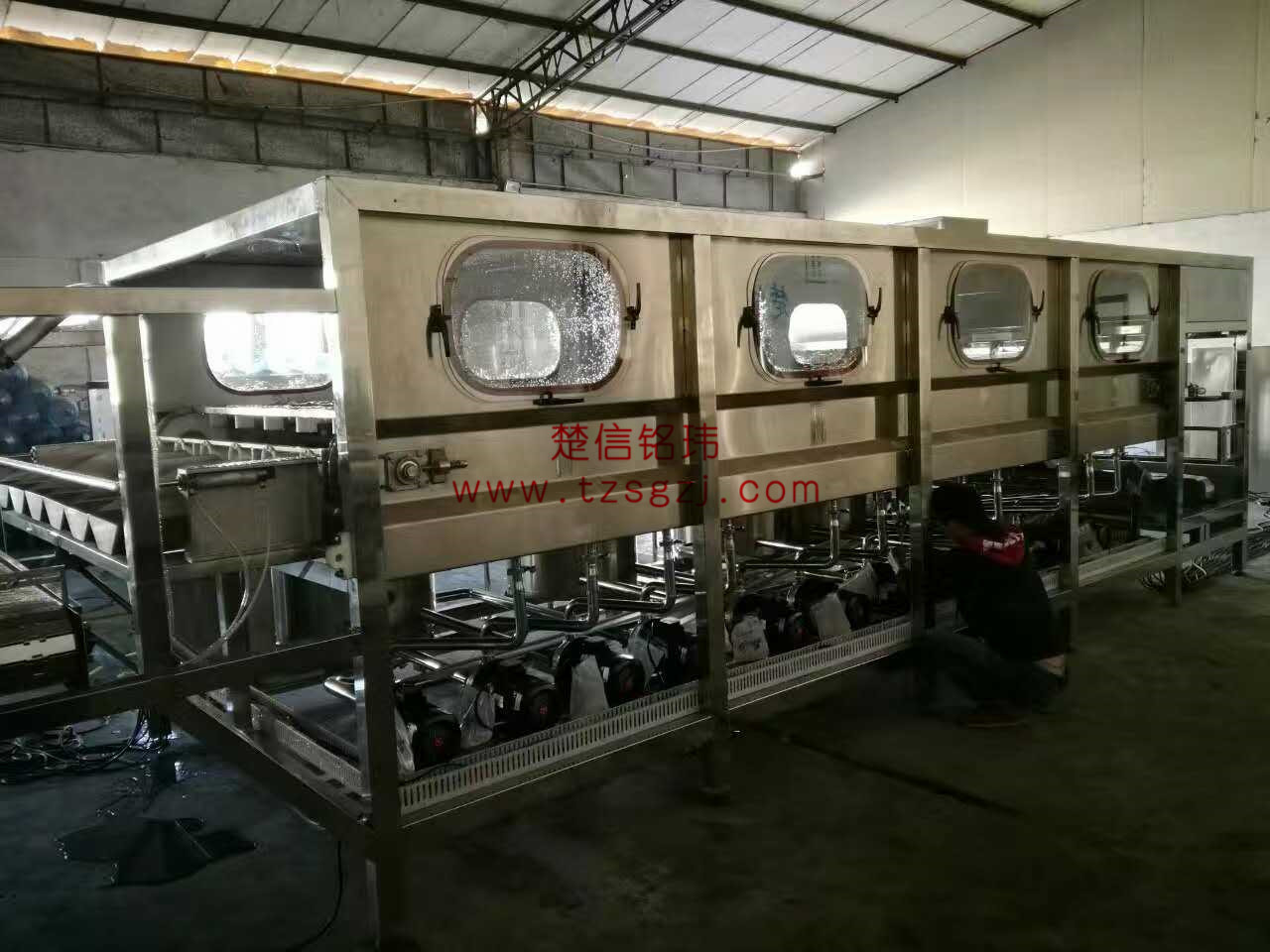
Fully Automatic Bottled Purified Water Filling Production Line
Chuxin Mingwei’s customized fully automatic bottled purified water filling production li...
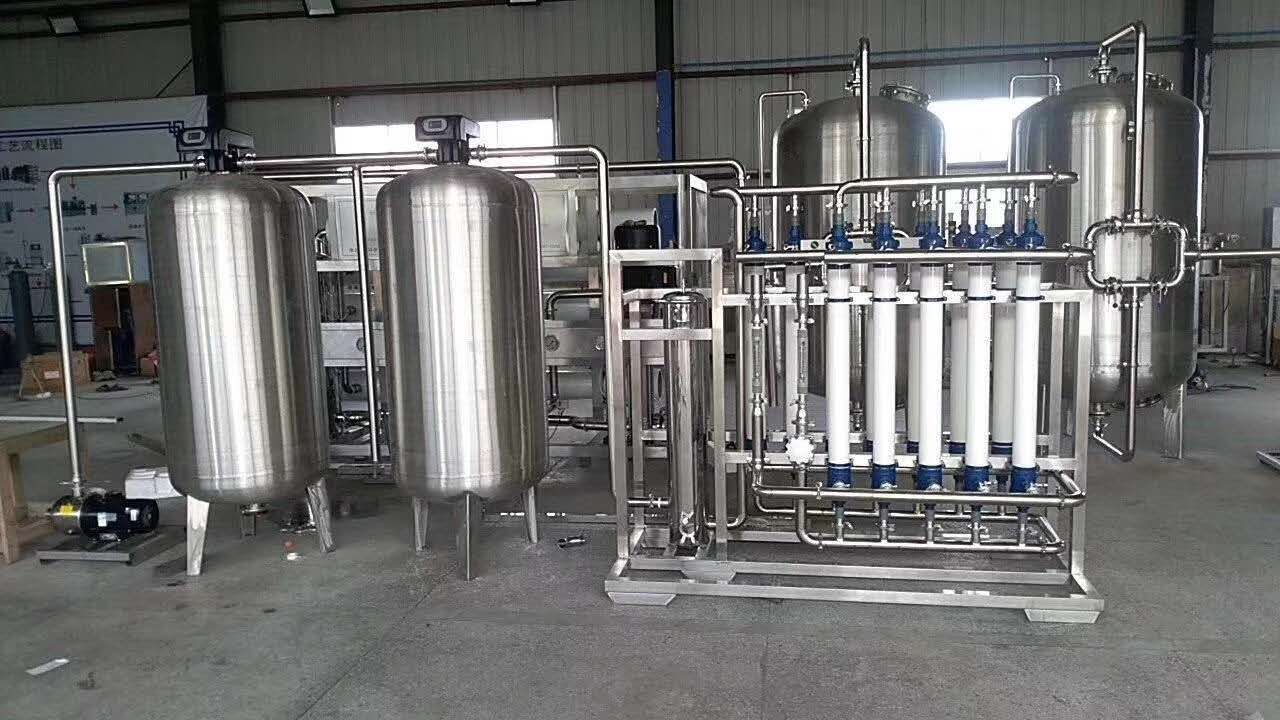
Bottled Spring Water Filling Production Line
Chuxin Mingwei’s customized bottled spring water filling production line is specifically...
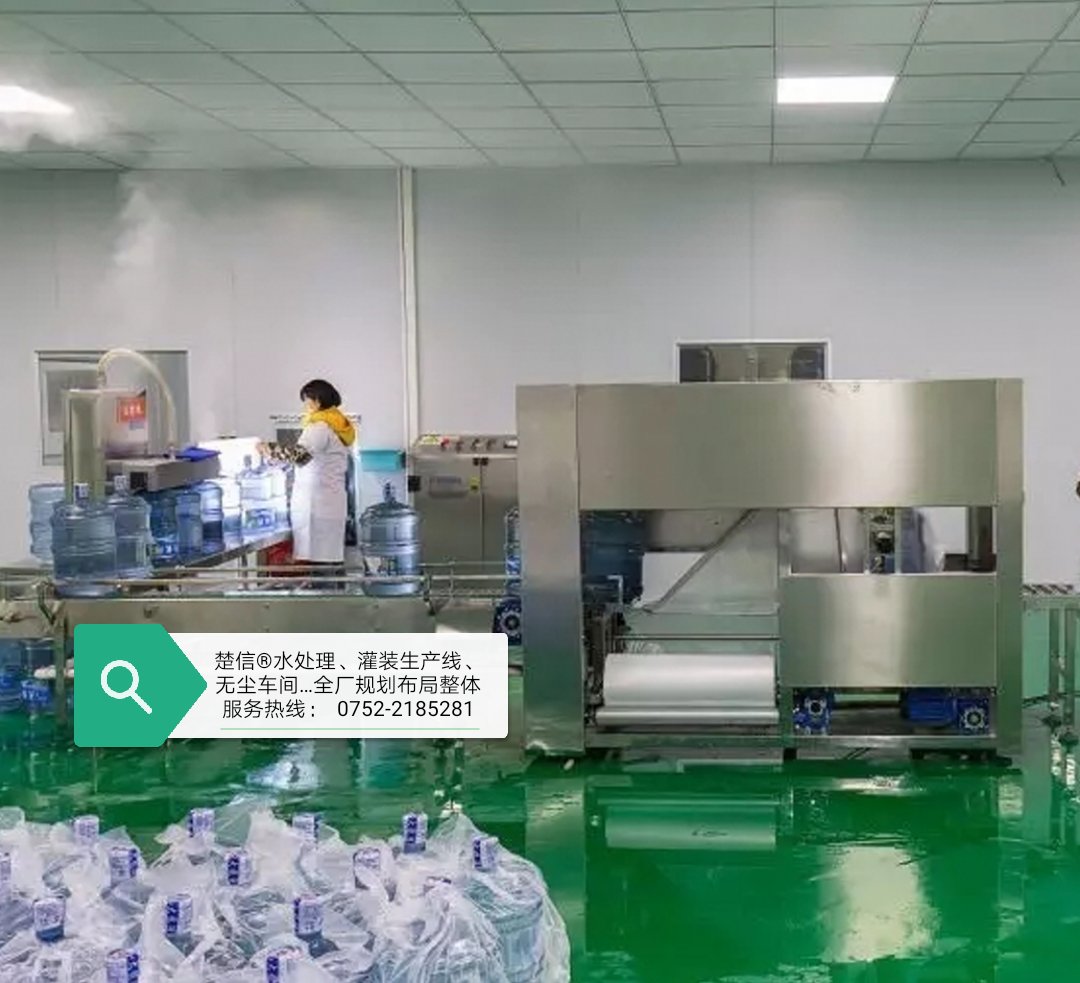
Clean Air Purification Systems
Custom-engineered air purification systems for water bottling and barrelled water fillin...