
Understanding Mechanical Adjustments for Switching Between Round and Square Bottles on a Single Filling Line
Understanding Mechanical Adjustments for Switching Between Round and Square Bottles
For Operations Leads and Procurement Managers in Beverage and Industrial Water Sectors
In the daily operations of a bottling facility, efficiency is paramount. A common scenario arises when production demands shift from standard round PET bottles to square or rectangular formats to optimize shelf space or branding. The prevailing assumption among some operators is that changing bottle shapes on a modern automated line—such as Chuxin Mingwei's Fully Automatic Bottled Purified Water Filling Production Line—is merely a software task: select a new "recipe" on the HMI (Human-Machine Interface), and the machine adjusts itself.
The reality is far more rigorous. While the PLC control system manages timing and logic, the physical transition between round and square bottles necessitates precise mechanical adjustments to the conveying path, filling heads, and capping stations. Relying solely on a digital switch without physical recalibration risks product loss, equipment damage, and compromised seal integrity.
The Physical Reality of Shape Changeovers
The Fully Automatic Bottled Purified Water Filling Production Line is engineered for high-speed synchronization, typically handling capacities ranging from 200 to 2,500 bottles per hour depending on the specific configuration (e.g., 18.9 L, 5 L, or 11.3 L). This speed relies on tight tolerances between the bottle geometry and the machine's guiding components.
1. Guide Rails and Star Wheels
When switching from round to square bottles, the star wheels (which index bottles into the washing, filling, and capping positions) must be replaced or adjusted. Round bottles rely on circular pockets; square bottles require flat-sided pockets to prevent rotation or jamming during high-speed transfer. Similarly, the guide rails along the conveyor belt must be repositioned. Square bottles have sharp corners that interact differently with friction surfaces than round bottles. If the guides are not tightened to the exact width of the square profile, bottles may tip over, causing blockages that halt the entire line.
2. Guarding and Safety Interlocks
Safety guards and light curtains are calibrated based on the envelope of the bottle being processed. A square bottle has a larger diagonal footprint than a round bottle of equivalent volume. Operators must verify that all safety guards are re-secured to accommodate the new shape. Failure to do so can trigger false stop signals or, worse, create pinch points if guards are left too loose.
3. Re-validating Washing and Capping
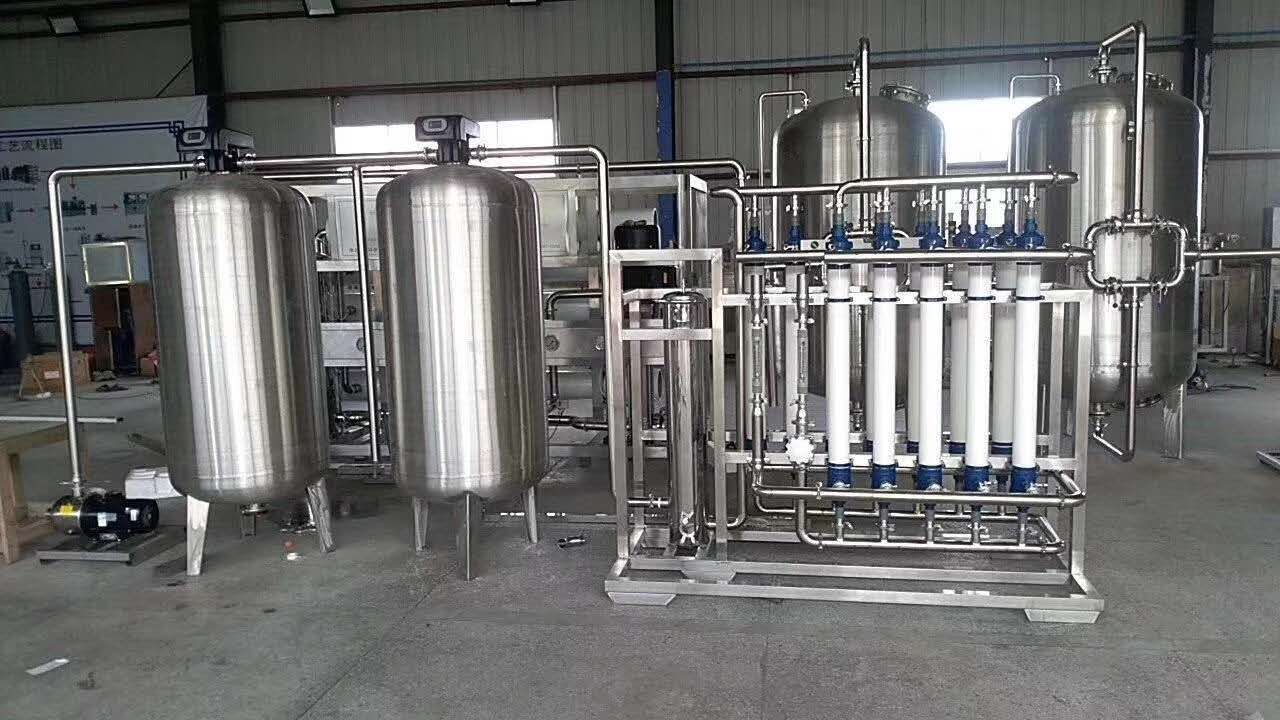
The Bottled Purified Water Filling Line utilizes a dual-stage RO reverse osmosis process combined with ozone and UV sterilization. The rinsing phase is critical. Nozzles designed for round bottles may not align correctly with the corners of square bottles, leading to incomplete internal cleaning or water pooling.
Furthermore, the capping station must be re-validated. The capping pass rate on this line is designed to be ≥99.6%. Square bottles often have different thread geometries or cap seating surfaces compared to round ones. The torque settings and the alignment of the capping head must be manually verified to ensure the cap seats flush against the square shoulder, preventing leaks.
Operational Constraints and Acceptance Criteria
For procurement managers and operations leads, understanding these constraints is vital for planning downtime and training staff.
- Downtime Expectation:*
- A shape changeover is not instantaneous. It involves manual intervention to swap mechanical parts (star wheels, guides) and perform test runs. This should be factored into production scheduling.
- Quality Verification:*
- After mechanical adjustment, the first batch of bottles must undergo visual inspection for fill level consistency and cap sealing. The system's ability to maintain filling accuracy ≤ ±2 mL depends on the mechanical stability of the new setup.
- Maintenance Boundaries:*
- The equipment is designed for site-specific engineering. While the line supports various bottle types (including 5 L, 11.3 L, and 18.9 L), the manufacturer does not guarantee that all non-standard shapes will fit without custom tooling. Always consult the technical drawing for the specific bottle dimensions before attempting a changeover.
Strategic Recommendations for Daily Operations
To optimize the use of your Fully Automatic Bottled Purified Water Filling Production Line, adopt the following operational protocols:
- Standardize Tooling: Maintain a dedicated set of star wheels and guide rails for each bottle shape you frequently produce. Label them clearly to reduce changeover time.
- Training Focus: Ensure operators are trained not just on the HMI but on the mechanical aspects of the line. They must know how to physically adjust the guides and verify the capping alignment.
- Documentation: Keep a log of every changeover, noting the specific mechanical adjustments made. This aids in troubleshooting if recurring issues arise with a specific bottle shape.
- Supplier Collaboration: When sourcing new bottle molds, engage with your equipment provider early. Confirm that the mold dimensions fall within the adjustable range of your current line's mechanical limits.
Conclusion
Switching between round and square bottles on an industrial filling line is a complex engineering task, not a simple software toggle. Success depends on the precise alignment of mechanical components like guides, star wheels, and capping heads, alongside rigorous validation of the washing and sealing processes. By respecting these physical boundaries and investing in proper operator training, facilities can maintain the high stability and efficiency required for bottled purified water production.
If your team needs guidance on optimizing changeover procedures or evaluating the compatibility of new packaging formats with your existing Huizhou-based manufacturing solutions, contact our technical team for a site-specific assessment.
Key Points
- Mechanical Necessity:*
- Changing bottle shapes requires physical replacement/adjustment of star wheels and guide rails, not just HMI recipe changes.
- Critical Validation:*
- Post-changeover, rinsing nozzle alignment and capping torque must be manually verified to ensure high pass rates.
- Capacity Context:*
- Lines support 200–2,500 bottles/hour (customizable) but require stable mechanical setups to maintain filling accuracy.
- Operational Risk:*
- Improper adjustment leads to jams, leaks, and reduced throughput.
Conclusion
Effective operation of the Fully Automatic Bottled Purified Water Filling Production Line hinges on recognizing that shape changeovers involve significant mechanical work. Operators must prioritize physical calibration over digital shortcuts to ensure product quality and line stability.
Call to Action
Ready to optimize your water filling operations? Contact Chuxin Mingwei today to discuss your specific bottle requirements and receive tailored engineering support for your production line.
Recommended
Bottled Spring Water Filling Production Line
Chuxin Mingwei’s customized bottled spring water filling production line is specifically...
Fully Automatic Bottled Purified Water Filling Production Line
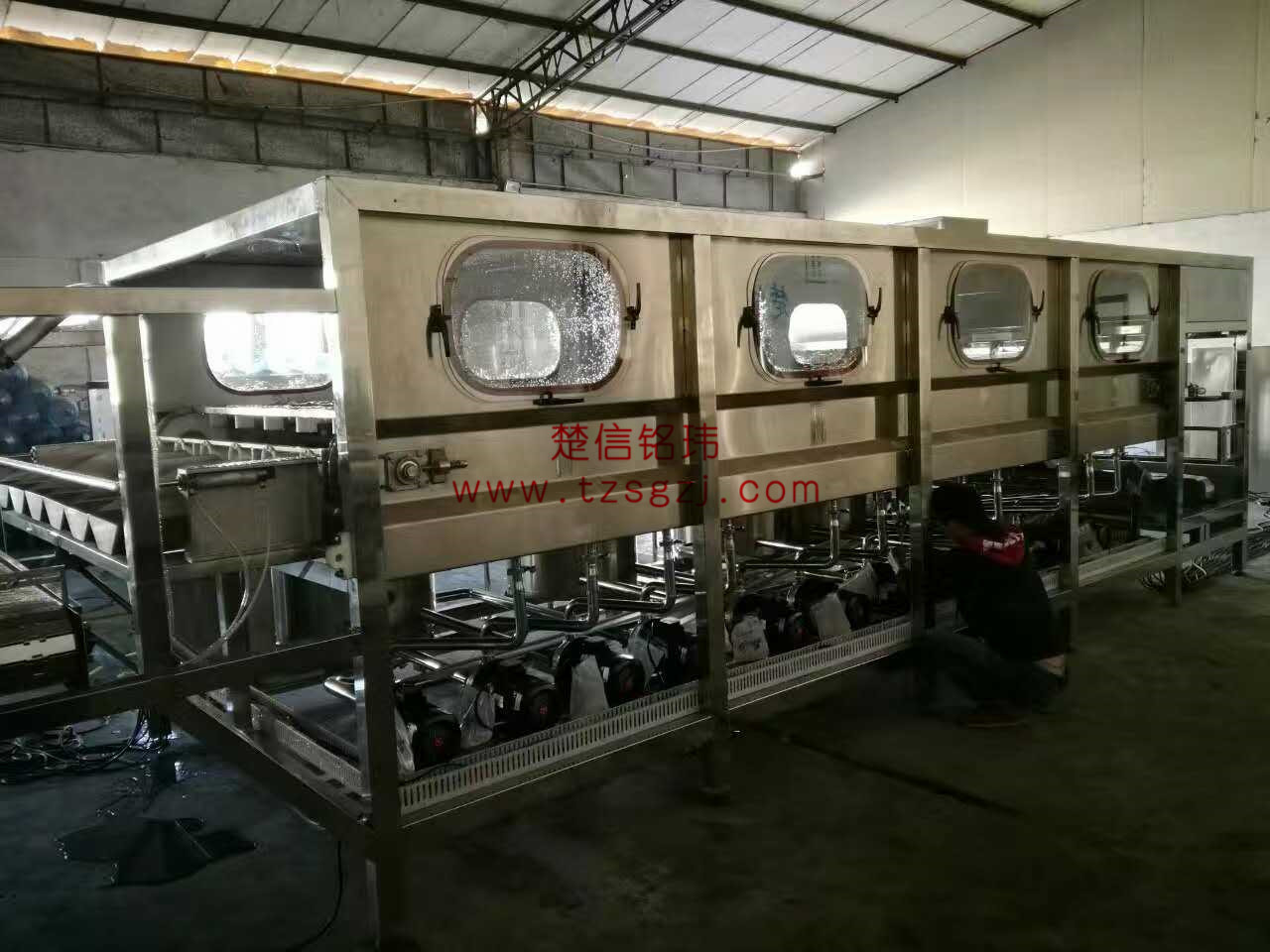
Chuxin Mingwei’s customized fully automatic bottled purified water filling production li...
Clean Air Purification Systems
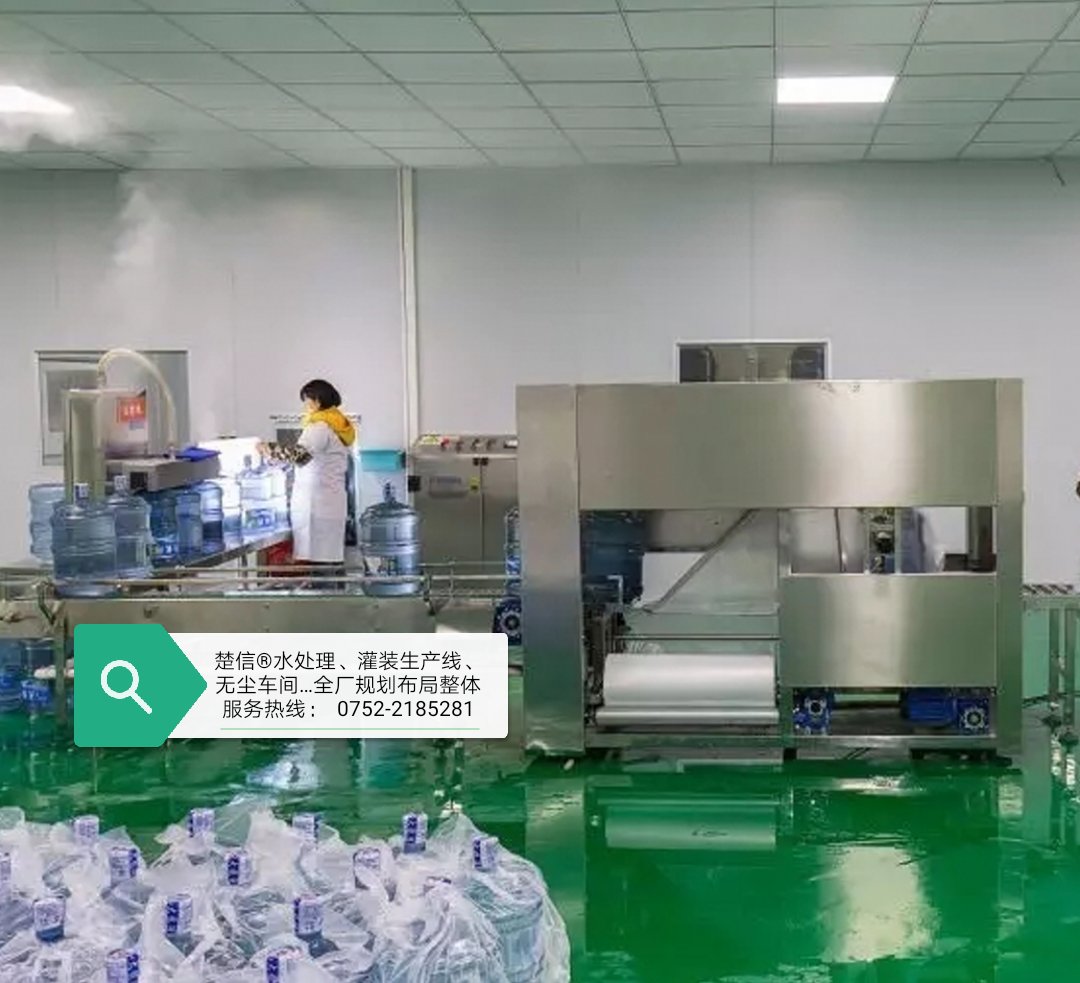
Custom-engineered air purification systems for water bottling and barrelled water fillin...