
Barrel-Wrap Packaging Machine: Operational Readiness and Scale-Up Guidelines for Water Production
Barrel-Wrap Packaging Machine: Operational Readiness and Scale-Up Guidelines for Water Production
For procurement managers and operations leads in the beverage and water treatment sectors, expanding capacity often hinges on the seamless integration of downstream packaging units. The Barrel-Wrap Packaging Machine is not merely an add-on; it is a critical control point for hygiene, throughput stability, and regulatory compliance. When scaling from a pilot line to full industrial output using spring water filling equipment, the primary challenge is defining the operational boundaries where the wrapping process intersects with upstream filling and air quality systems.
Defining the Operational Scope: Preparation Before Installation
A common misconception in scale-up planning is treating the wrapping station as an isolated unit. In reality, its performance is dictated by the upstream environment and the specific characteristics of the barrels being processed.
Pre-Installation Verification
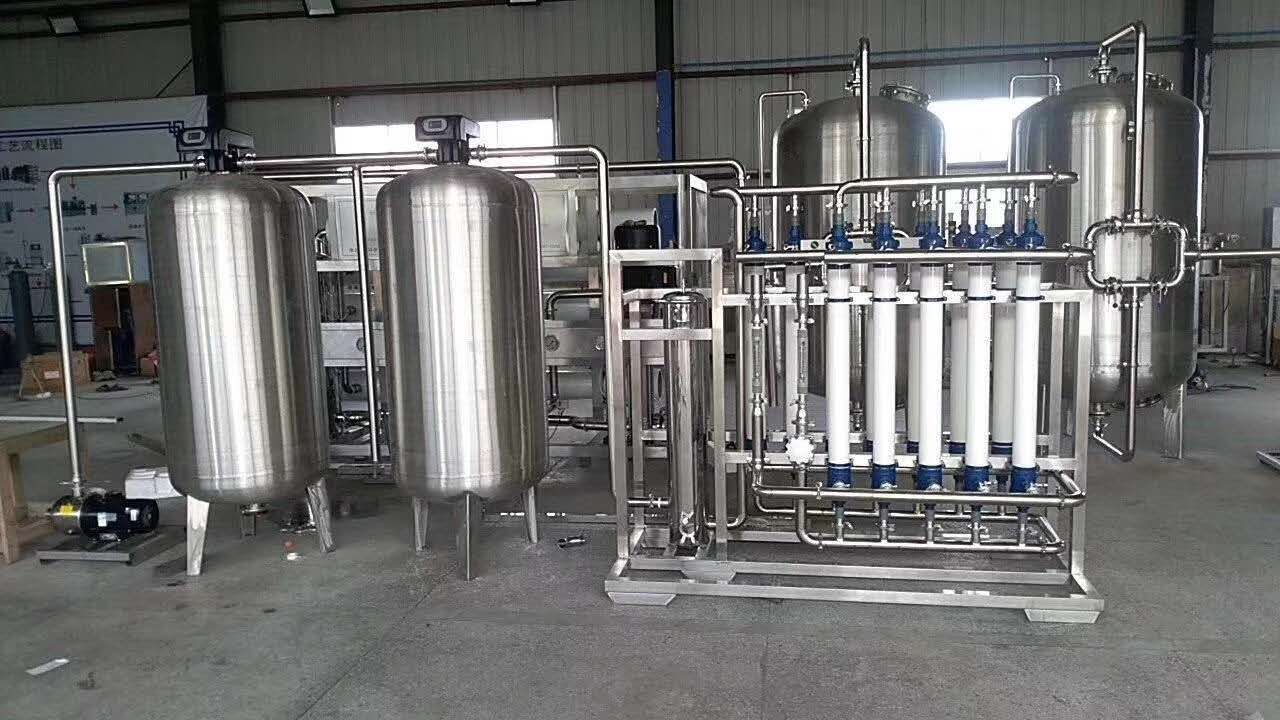
Before the Barrel-Wrap Packaging Machine is commissioned, the site must satisfy specific engineering prerequisites derived from the facility's water treatment and filling capabilities:
- Barrel Type and Condition Alignment: The machine must be configured for the specific barrel type (e.g., 3-gallon or 5-gallon/18.9L) and condition (new vs. recycled). As noted in industry standards for barrel lines, recycled barrels require distinct handling protocols compared to new ones. If your line processes recycled barrels, the upstream washing and disinfection stages must ensure that the barrels entering the wrapping zone meet strict cleanliness thresholds to prevent cross-contamination during the shrink-wrapping process.
- Throughput Synchronization: The wrapping speed must match the rated output of the filling line. For example, if utilizing a fully automatic bottled spring water filling line with a capacity of 200–1,800 bottles/hour (based on 18.9L), the wrapping unit must handle this volume without creating bottlenecks. A mismatch here leads to buffer pile-ups, which can compromise the integrity of the seal and increase the risk of dust accumulation in the cleanroom.
- Cleanroom Integration: The wrapping station operates within the ISO Class 8 (100,000) or higher cleanroom environment. The machine's design must integrate with the site-specific airflow and pressure zoning. Any deviation in airflow direction or duct routing near the wrapping unit can introduce particulate matter into the sealed barrel, violating hygiene standards.
Implementation: Critical Handover Points and Acceptance Criteria
During the implementation phase, the focus shifts from mechanical installation to functional validation. For compliance officers, the acceptance criteria are not limited to "does the machine run?" but rather "does the machine maintain compliance under load?"
Key Acceptance Checkpoints
- Seal Integrity and Film Quality: Verify that the shrink film application creates a continuous barrier without gaps. The machine must accommodate standard bottle diameters and heights without jamming. Improper tensioning can lead to loose wraps that fail during transport, while excessive tension can deform the barrel or damage the cap seal.
- Hygiene Zone Transition: Ensure there is no physical gap between the filling line discharge and the wrapping input that exposes the product to unfiltered air. The transition should be enclosed or shielded to maintain the sterile environment established by the upstream Clean Air Purification Systems.
- Control System Diagnostics: The PLC-based intelligent control system should provide real-time diagnostics. Operators must be able to identify faults (e.g., film breakage, sensor misalignment) immediately. The system should support remote-ready interfaces for troubleshooting, reducing downtime during peak production hours.
Maintenance and Long-Term Stability
Once operational, the Barrel-Wrap Packaging Machine requires a disciplined maintenance schedule to sustain long-term reliability. This is particularly critical for facilities aiming for consistent output over years of operation.
Preventive Maintenance Protocol
- Film Path Cleaning: Regularly inspect and clean the film path rollers and guides. Accumulated dust or adhesive residue can cause film slippage or tearing, leading to production stoppages.
- Sensor Calibration: Optical sensors used for label detection and film positioning must be calibrated periodically. Drift in sensor sensitivity can result in misaligned wraps or wasted material.
- Mechanical Lubrication: Follow the manufacturer's guidelines for lubricating moving parts. Over-lubrication can attract dust, while under-lubrication increases wear on bearings and chains.
Operational Boundaries and Risk Management
It is essential to recognize the limits of the equipment. The wrapping machine cannot compensate for poor upstream water quality or defective barrels. If the source water contains high mineral content that leaves residues on the barrel exterior, these residues can interfere with the film adhesion. Similarly, if the filling line produces barrels with inconsistent cap torque, the wrapping process may not secure the product effectively.
Furthermore, the machine's capacity is fixed based on the initial engineering design. Attempting to exceed the rated output will inevitably lead to increased failure rates and reduced product quality. Capacity expansion should be planned through a formal engineering review rather than ad-hoc adjustments.
Strategic Next Steps for Scale-Up Projects
For organizations preparing to deploy or upgrade their Barrel-Wrap Packaging Machine, the following steps ensure a successful implementation:
- Conduct a Site-Specific Feasibility Study: Map the existing water treatment capabilities, filling line speed, and cleanroom layout against the wrapping machine's requirements. Confirm compatibility with current barrel types (new or recycled).
- Define Technical Agreements: Clearly specify the scope of delivery, including installation, commissioning, operator training, and after-sales support. Ensure the agreement covers the integration points with the Bottled Spring Water Filling Production Line and Clean Air Purification Systems.
- Establish SOPs for Operations and Maintenance: Develop Standard Operating Procedures that detail daily checks, cleaning protocols, and emergency response plans. Train operators on the specific nuances of the wrapping process, emphasizing the link between hygiene and machine performance.
- Plan for Future Scalability: Design the layout to allow for future upgrades or additional wrapping stations without disrupting current operations. Consider the space required for spare parts storage and maintenance access.
By adhering to these preparation, implementation, and maintenance boundaries, enterprises can ensure that their Barrel-Wrap Packaging Machine serves as a robust pillar of their production line, supporting both immediate operational goals and long-term compliance requirements.
Conclusion
The Barrel-Wrap Packaging Machine is a vital component of a modern water treatment and filling facility, but its success depends on rigorous preparation and clear operational boundaries. By aligning the machine's capabilities with the specific needs of the filling line and maintaining strict adherence to hygiene standards, organizations can achieve stable, high-quality production at scale.
Call to Action
Ready to optimize your barrel wrapping operations or plan a new production line? Contact Chuxin Mingwei today to discuss your specific water quality, capacity, and facility constraints. Our team provides end-to-end engineering services, from custom design to post-installation support, ensuring your investment delivers long-term value.
Key Points Summary
- Operational Alignment: Wrapping speed must match the upstream filling line capacity (e.g., 200–1,800 bottles/hour for 18.9L barrels).
- Hygiene Integration: The machine must operate within the defined cleanroom environment (ISO Class 8 or higher) to prevent contamination.
- Barrel Specificity: Configuration must account for barrel type (new vs. recycled) and dimensions to ensure proper sealing and handling.
- Maintenance Discipline: Regular cleaning of film paths and sensor calibration are critical to prevent downtime and ensure seal integrity.
- Boundary Awareness: The machine cannot compensate for upstream defects; capacity limits must be respected to avoid quality issues.
CTA Text
Discuss Your Custom Wrapping Solution
Let our engineers help you design a wrapping system tailored to your facility's unique needs. Reach out for a consultation on integration, capacity planning, and after-sales support.
Recommended
Bottled Spring Water Filling Production Line
Chuxin Mingwei’s customized bottled spring water filling production line is specifically...
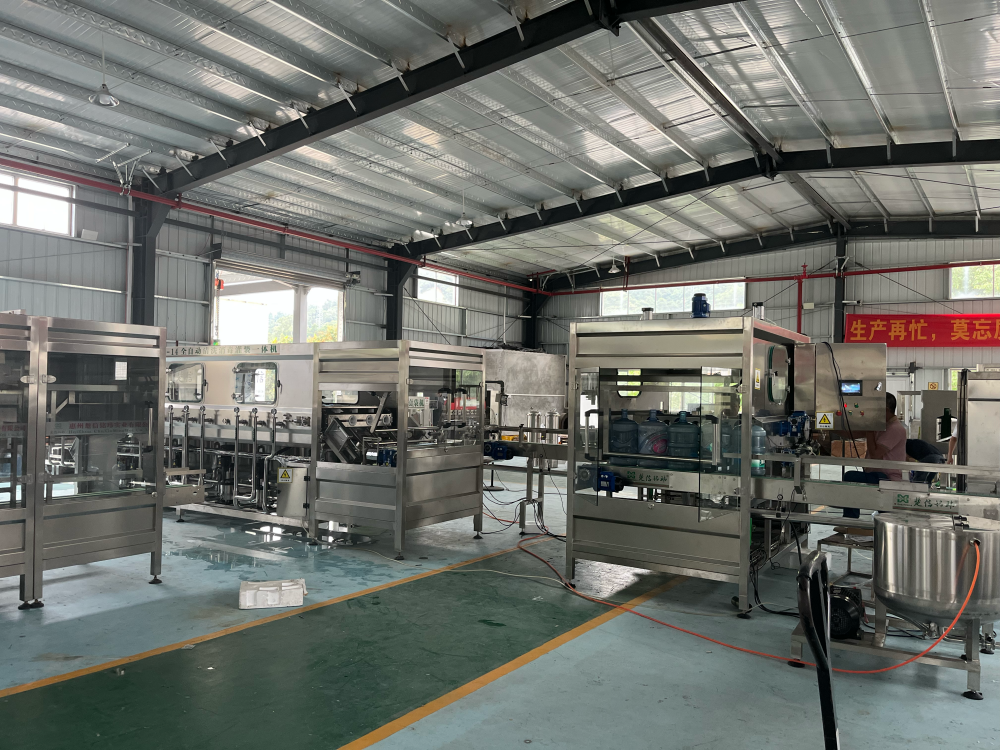
Fully Automatic Barrel Filling Line (Wash-Fill-Seal Integrated System)
A fully automatic, integrated wash-fill-seal system engineered for high-efficiency, SC-c...
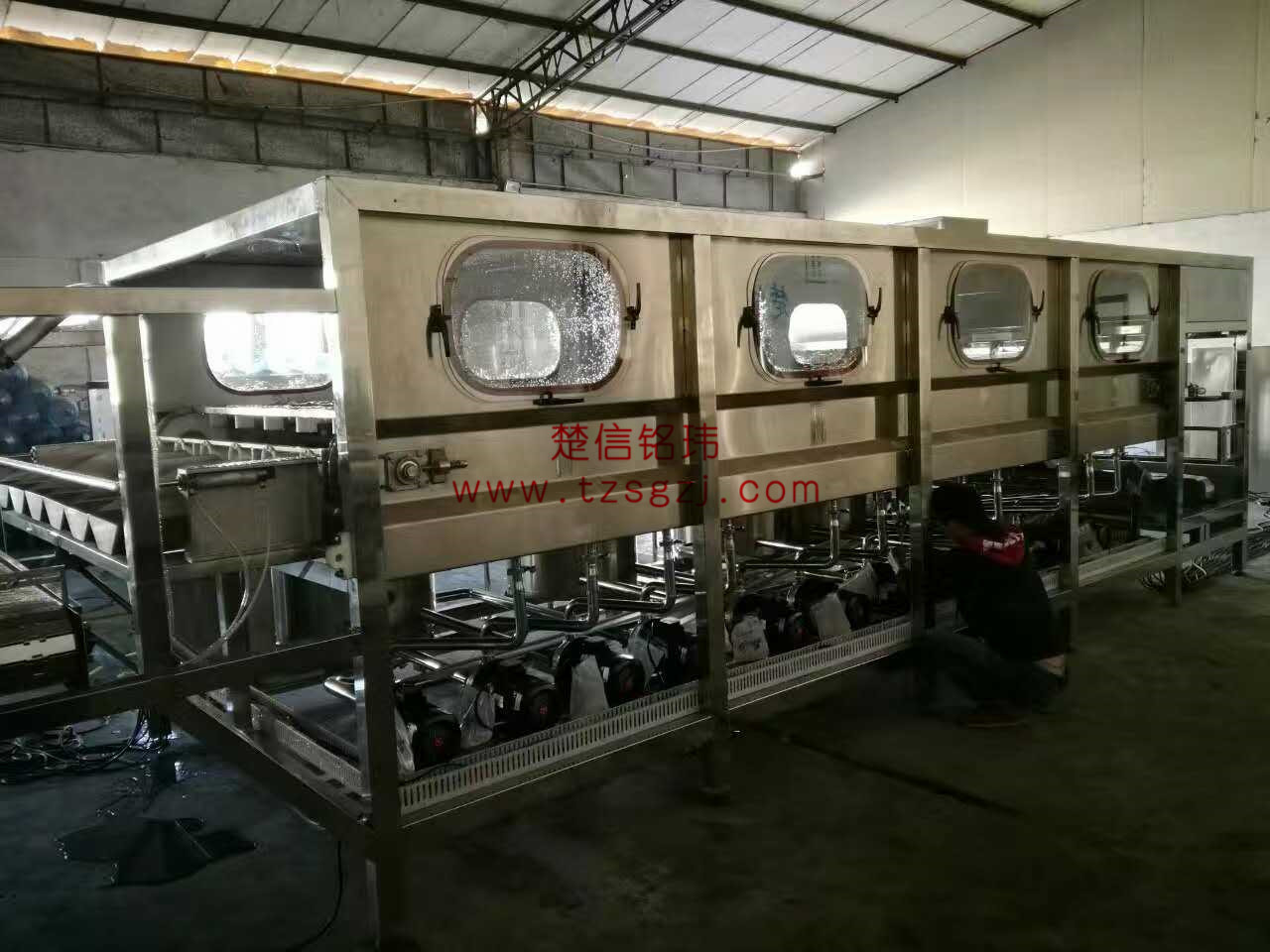
Fully Automatic Bottled Purified Water Filling Production Line
Chuxin Mingwei’s customized fully automatic bottled purified water filling production li...