
Risk & Compliance in Cross-Regional Spring Water Line Projects: A Guide for Implementation Leaders
Risk & Compliance in Cross-Regional Spring Water Line Projects
Conclusion: Successful deployment of a Fully Automatic Bottled Spring Water Filling Production Line across different regions requires more than equipment installation; it demands rigorous alignment between source water characteristics, specific purification protocols (NF+UF), and local operational standards. For implementation leaders and procurement teams, the primary risks lie not in the machinery itself, but in the misalignment of site-specific engineering parameters, cross-team communication gaps regarding water quality data, and undefined boundaries for post-installation support.
The Core Challenge: Non-Standard Engineering vs. Standardized Execution
Unlike generic industrial lines, Chuxin Mingwei’s Bottled Spring Water Filling Production Line is engineered as a non-standard solution. It is designed based on actual source water quality, target water standards, production capacity, and facility constraints. When collaborating across regions or teams, the most significant compliance risk arises when a "one-size-fits-all" approach is applied to a system that relies on precise chemical and physical balancing.
Critical Risk Point 1: Purification Process Alignment (NF + UF)
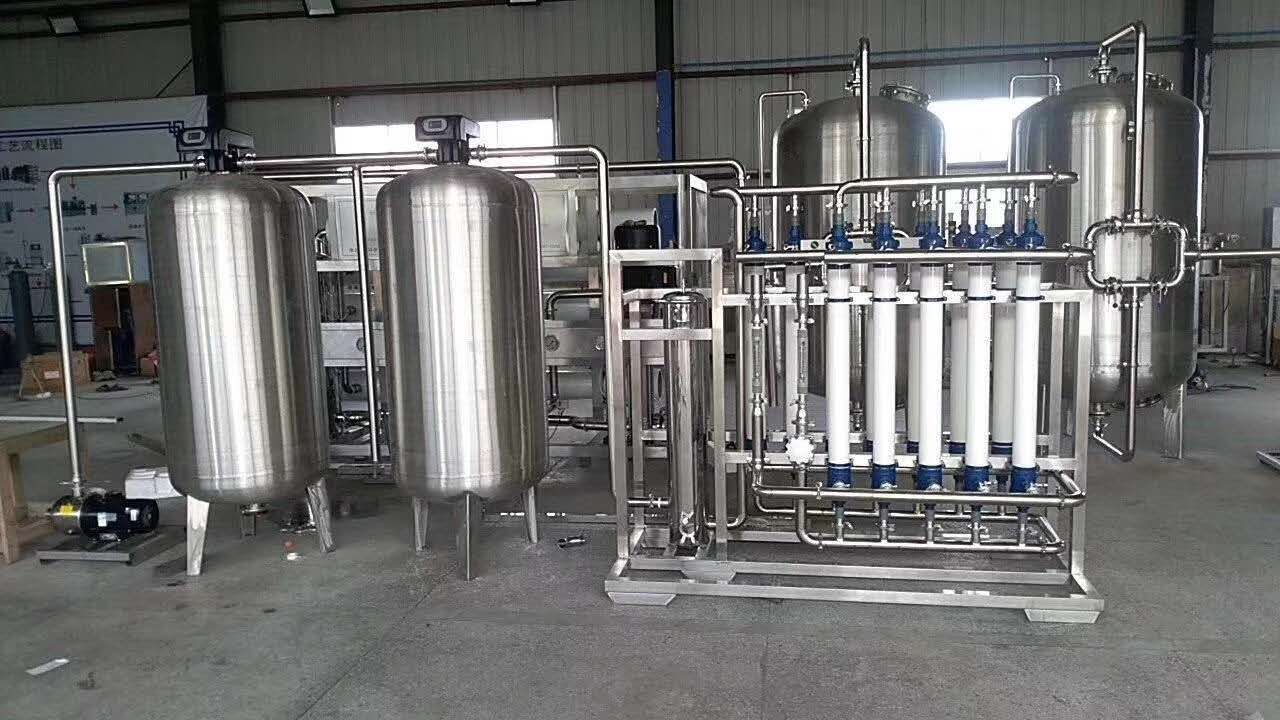
Spring water contains essential minerals that must be retained while removing impurities. The standard Dual-membrane NF (Nanofiltration) + UF (Ultrafiltration) process used in our lines balances purification efficiency with mineral retention.
- The Risk:*
- In cross-regional projects, if the upstream water quality report (source water analysis) is not shared accurately or updated seasonally, the NF membrane configuration may fail to meet local target standards or strip necessary minerals, leading to product rejection or non-compliance with regional drinking water regulations.
- Verification Step:*
- Before finalizing the design, verify that the Core Purification Process matches the specific source water report. Do not assume standard RO (Reverse Osmosis) processes are suitable for spring water; they remove too many minerals. Ensure the technical agreement explicitly defines the Dual-membrane NF + UF configuration as the baseline for mineral retention.
Critical Risk Point 2: Capacity Verification and Bottleneck Management
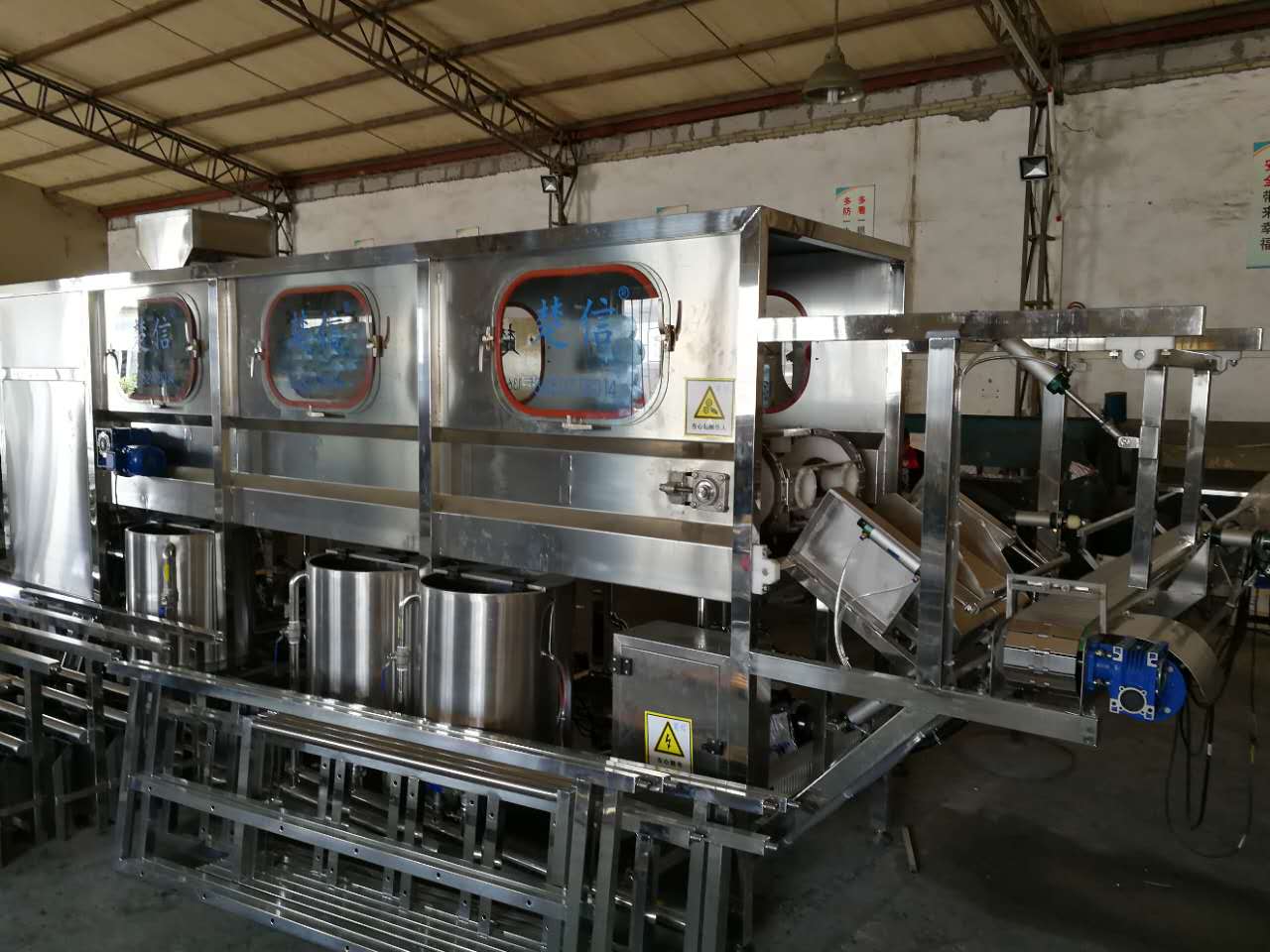
A common failure point in multi-site rollouts is the discrepancy between rated output and actual operational throughput. Our Rated Output Capacity ranges from 200–1,800 bottles/hour (based on 18.9 L bottles), but this is a theoretical maximum under ideal conditions.
- The Risk:*
- Procurement teams often calculate capacity based solely on bottle count per hour, ignoring auxiliary processes like bottle washing, capping, and air filtration cycles. If the Integrated bottle washing-filling-capping unit is synchronized incorrectly with the upstream water treatment or downstream packaging, the line will experience bottlenecks, leading to downtime and missed delivery targets.
- Implementation Boundary:*
- Capacity planning must include a safety margin for peak fluctuations. As noted in industry best practices, do not simply convert bottles/hour to total water volume; account for washing water consumption, CIP cleaning cycles, and buffer time. The final calculation must be confirmed by a project-specific material balance sheet.
Navigating Cross-Team and Cross-Regional Collaboration
When implementing these systems across different locations, clear communication channels are vital to mitigate compliance risks.
Defining Service Scope and Delivery Workflow
Chuxin Mingwei delivers end-to-end engineering services including design, manufacturing, installation, commissioning, operator training, and after-sales support. However, ambiguity in who provides what can lead to project delays.
- Collaboration Protocol:*
- Establish a clear matrix defining responsibilities:
- Client Side:*
- Must provide accurate site layout, utility connections (water, electricity, compressed air), and initial water quality reports.
- Vendor Side:*
- Responsible for custom engineering, core equipment manufacturing, and on-site commissioning.
- Shared Responsibility:*
- Site preparation (civil works) and cleanroom construction (e.g., ensuring ISO Class 8 compliance).
Cleanroom Integration and Air Quality Compliance
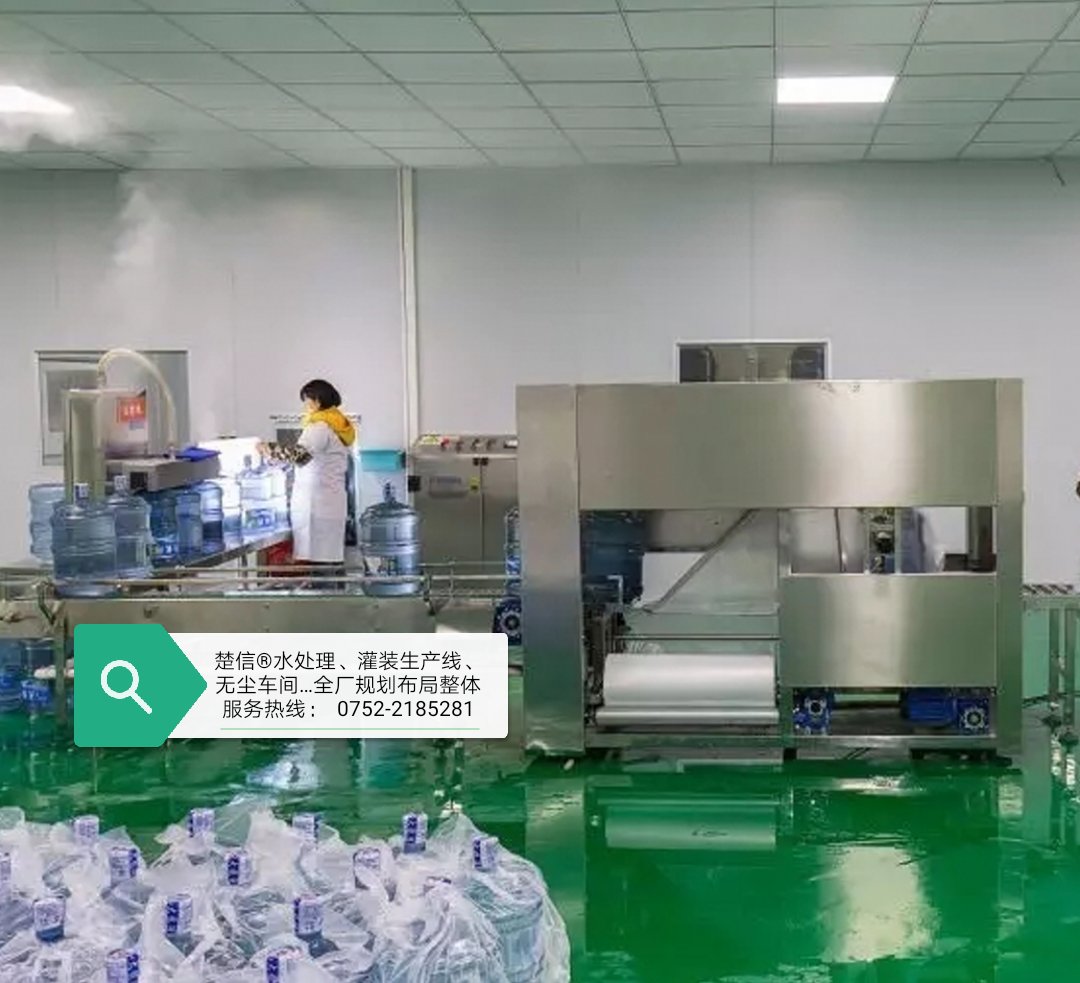
The filling environment is critical for spring water safety. Our Clean Air Purification Systems are designed to meet ISO Class 8 (100,000) standards, with options to upgrade to Class 7 (10,000).
- Compliance Check:*
- Ensure the local facility's HVAC system integrates seamlessly with the filling line's PLC-controlled air management. The Filtration Efficiency H13 HEPA requirement must be met at the point of use. Failure to coordinate airflow zoning between the filling area and adjacent storage or wrapping zones can introduce contamination risks.
Actionable Steps for Implementation Leaders
To mitigate risks and ensure a smooth rollout:
- Validate Source Data: Request and review the latest source water quality report before finalizing the NF + UF configuration. Do not proceed with a generic design.
- Define Capacity Realistically: Calculate capacity based on 200–1,800 bottles/hour but add buffers for maintenance and peak loads. Verify that the filling accuracy ≤ ±2 mL and capping pass rate ≥99.6% are achievable given your specific bottle types (18.9 L, 11.3 L, 5 L).
- Clarify Support Boundaries: Explicitly define the scope of operator training and after-sales support in the contract. Understand that sustained post-installation support is key to long-term maintainability.
- Coordinate Cleanroom Specs: Ensure the site team prepares the cleanroom according to ISO 14644-1 Class 8 standards before equipment arrival to avoid rework.
Conclusion
Deploying a Fully Automatic Bottled Spring Water Filling Production Line in a cross-regional context requires a disciplined approach to risk management. By focusing on the specific engineering needs of spring water (NF+UF), verifying realistic capacity metrics, and clearly defining collaboration boundaries, implementation leaders can ensure stable, compliant, and efficient operations. The goal is not just installation, but the delivery of a tailored solution that prioritizes stability and long-term maintainability.
[CTA] Ready to assess your specific water quality and site constraints? Contact our engineering team to discuss a customized feasibility study for your spring water project.
Key Points Summary
- Process Specificity:*
- Spring water lines require Dual-membrane NF + UF to retain minerals; standard RO is unsuitable.
- Capacity Reality:*
- Rated output (200–1,800 bottles/hour) must be adjusted for real-world factors like washing and CIP cycles.
- Quality Standards:*
- Equipment must integrate with ISO Class 8 cleanrooms using H13 HEPA filtration.
- Collaboration:*
- Clear definition of client vs. vendor responsibilities is essential for cross-regional success.
- Support Focus:*
- Long-term stability depends on comprehensive operator training and after-sales support.
Conclusion
Successful implementation of a Fully Automatic Bottled Spring Water Filling Production Line hinges on precise engineering alignment rather than generic equipment deployment. By rigorously validating source water data for NF+UF configurations, calculating realistic capacities beyond simple bottle counts, and establishing clear cross-team protocols for cleanroom integration, organizations can mitigate compliance risks and ensure operational stability. The focus must remain on delivering a site-specific solution that guarantees filling accuracy ≤ ±2 mL and capping pass rates ≥99.6% while adhering to local regulatory standards.
Call to Action
Contact Chuxin Mingwei Today
Discuss your specific water quality reports and site requirements with our engineering team. We provide end-to-end engineering services tailored to your production capacity and facility constraints.
Link: View Bottled Spring Water Filling Production Line
Link: Explore Clean Air Purification Systems
Recommended
Bottled Spring Water Filling Production Line
Chuxin Mingwei’s customized bottled spring water filling production line is specifically...
Fully Automatic Bottled Purified Water Filling Production Line
Chuxin Mingwei’s customized fully automatic bottled purified water filling production li...
Clean Air Purification Systems
Custom-engineered air purification systems for water bottling and barrelled water fillin...