
Ozone Residue in Barrelled Water: Diagnostic Guide for Operators and Compliance Officers
Ozone Residue in Barrelled Water: Diagnostic Guide for Operators and Compliance Officers
Executive Summary
For procurement managers and operations leads in the beverage and pharmaceutical sectors, ensuring the absence of harmful chemical residues is a critical compliance milestone. This article provides a diagnostic framework for addressing ozone residue in barrelled water, specifically within the context of Chuxin Mingwei's Fully Automatic Bottled Spring Water Filling Production Line and Bottled Purified Water Filling Line. By analyzing the interaction between sterilization parameters and residual levels, operators can mitigate risks associated with non-compliance and product quality.
The Core Risk: Ozone Residue in Finished Products
In high-volume barrelled water production (e.g., 18.9L, 5-gallon), ozone is frequently employed as a primary disinfectant due to its efficacy against bacteria and viruses. However, improper parameter control can lead to elevated ozone residuals in the final product, posing health risks and failing regulatory audits.
The risk is not merely theoretical; it stems from specific operational variables:
- Contact Time vs. Concentration:*
- Excessive ozone dosage or insufficient decomposition time before bottling.
- Temperature Fluctuations:*
- Higher water temperatures accelerate ozone decomposition but may also affect the stability of mineral content in spring water.
- System Integration:*
- Gaps between the purification stage and the filling station can allow unreacted ozone to persist.
Chuxin Mingwei addresses this through engineered solutions like the Dual-membrane NF + UF process for spring water and Dual-stage RO deep purification for purified water, both integrated with precise ozone dosing and UV (254 nm) dual sterilization systems.
Diagnostic Workflow: Symptom to Cause
When an operator detects potential ozone issues—whether through sensory checks (distinct smell) or laboratory testing—the following diagnostic structure should be applied:
1. Symptom Identification
- Sensory Indicators:*
- A sharp, chlorine-like odor in the finished water indicates high residual levels.
- Lab Data:*
- Test results showing Total Ozone Residual exceeding local food safety limits (typically <0.1 mg/L depending on jurisdiction).
- Process Anomalies:*
- Sudden spikes in ozone generator output or fluctuations in flow rates during the filling cycle.
2. Root Cause Analysis
Based on industry best practices and Chuxin Mingwei's system architecture, investigate these specific areas:
- Purification Process Mismatch:*
*
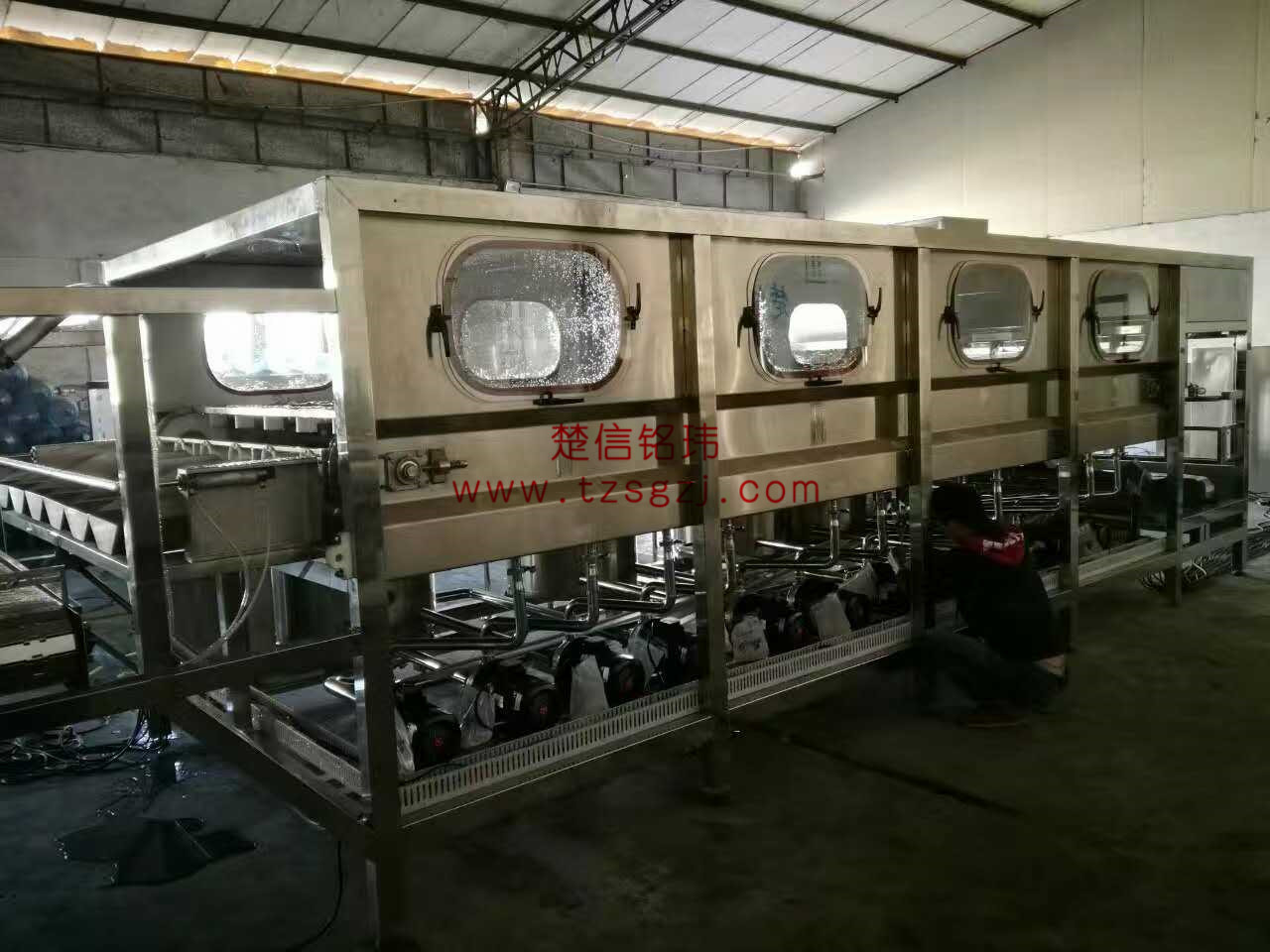
- Spring Water:
- If using the NF + UF process, verify that the membrane configuration retains necessary minerals while effectively removing precursors that react with ozone. Over-treatment can alter water chemistry, affecting ozone stability.
- Purified Water:
- For RO-based lines, check if the pre-ozonation step was too aggressive relative to the subsequent UV treatment capacity.
- Sterilization Parameter Drift:*
*
- Review the PLC-based intelligent control system logs. Did the ozone concentration exceed the setpoint?
- Check the UV (254 nm)
- reactor performance. If UV intensity drops, the secondary decomposition of ozone is compromised, leaving higher residuals.
- Flow Dynamics and Contact Time:*
*
- Ensure the Rated Output Capacity
- (e.g., 200–1,800 bottles/hour for 18.9L) matches the actual line speed. Running at maximum capacity without adjusting contact time can reduce the decomposition window.
- Verify the balance between bottle washing-filling-capping
- synchronization. If the filling valve opens too early after ozonation, residual gas may not have fully dissolved or decomposed.
3. Verification Checks
- Real-time Monitoring:*
- Utilize the HMI interface to review real-time ozone concentration data at the point of entry to the filling head.
- Sampling Protocol:*
- Conduct spot checks at the end of the filling line, specifically targeting the first and last bottles of a batch to identify transient spikes.
- Equipment Integrity:*
- Inspect seals and gaskets in the ozone injection loop for leaks that might introduce air (and thus oxygen) into the system, altering reaction kinetics.
Resolution Strategies and Implementation Boundaries
Once the root cause is identified, apply the following corrective measures:
- Parameter Optimization: Adjust the ozone generator output to the minimum effective dose required for microbial kill, relying on the Dual-stage RO or NF+UF system to handle the bulk of purification.
- Decomposition Enhancement: Increase the residence time in the holding tank or boost UV lamp intensity to accelerate the breakdown of residual ozone into oxygen.
- Process Segmentation: Ensure the Clean Air Purification Systems (ISO Class 8) maintain positive pressure to prevent external contamination, which could otherwise force higher ozone usage to compensate.
Important Boundary Note: While Chuxin Mingwei provides the engineering framework, including site-specific engineering for airflow and pressure zoning, specific parameter adjustments must be validated against the client's local regulatory requirements and the specific characteristics of their source water. We do not guarantee a fixed "zero residue" outcome without continuous monitoring and adherence to the designed operating envelope.
Strategic Recommendations for Procurement and Operations
To prevent recurrence and ensure long-term compliance:
- Design Phase:*
- Select a production line that integrates real-time diagnostics and remote-ready interfaces, allowing for proactive rather than reactive management.
- Training:*
- Ensure operators are trained on the relationship between water quality, sterilization parameters, and residual levels. Understanding the difference between spring water (mineral retention) and purified water (deep purification) is crucial for setting correct ozone doses.
- Maintenance Schedule:*
- Implement regular calibration of ozone sensors and UV intensity meters as part of the after-sales support protocol.
Conclusion
Managing ozone residue in barrelled water requires a systematic approach that balances sterilization efficacy with product safety. By leveraging Chuxin Mingwei's customized filling lines—equipped with advanced purification processes and intelligent control systems—operators can effectively diagnose and resolve residue issues. Success depends on precise parameter control, rigorous testing, and a clear understanding of the equipment's operational boundaries.
Next Steps
If you are experiencing challenges with ozone residuals or need to audit your current filling line's compliance status, our engineering team is ready to assist.
Contact Chuxin Mingwei Today to schedule a technical consultation and review your specific water quality and production requirements.
Key Points
- Risk Focus:*
- High ozone residuals pose compliance risks and affect product taste/safety.
- Diagnostic Path:*
- Follow the symptom -> cause -> check -> resolution workflow.
- Technology Leverage:*
- Use Dual-membrane NF + UF for spring water and Dual-stage RO + UV for purified water to manage residuals.
- Operational Control:*
- Monitor PLC logs, UV intensity, and contact times closely.
- Service Scope:*
- Chuxin Mingwei provides design, installation, and training, but final parameter validation relies on site-specific conditions.
Conclusion
Effective management of ozone residue is achievable through precise engineering and disciplined operation. By aligning your sterilization parameters with the specific capabilities of your Chuxin Mingwei filling line, you ensure a safe, compliant, and high-quality product.
CTA Text
Schedule a Technical Audit for Your Water Filling Line
To ensure compliance with these diagnostic standards, the production line must be configured with precise parameters. For barrelled water (e.g., 18.9L), the system integrates bottle rinsing, quantitative filling, capping, and output in a continuous path to minimize contamination risks. The specific filling speed and liquid flow rates vary significantly based on bottle type, capacity, and material temperature; therefore, operational data must always specify these conditions rather than citing a single maximum speed. Additionally, the process includes critical steps such as bottle sterilization, CIP cleaning, and ozone/UV dual sterilization to maintain hygiene before the final sealing.
Recommended
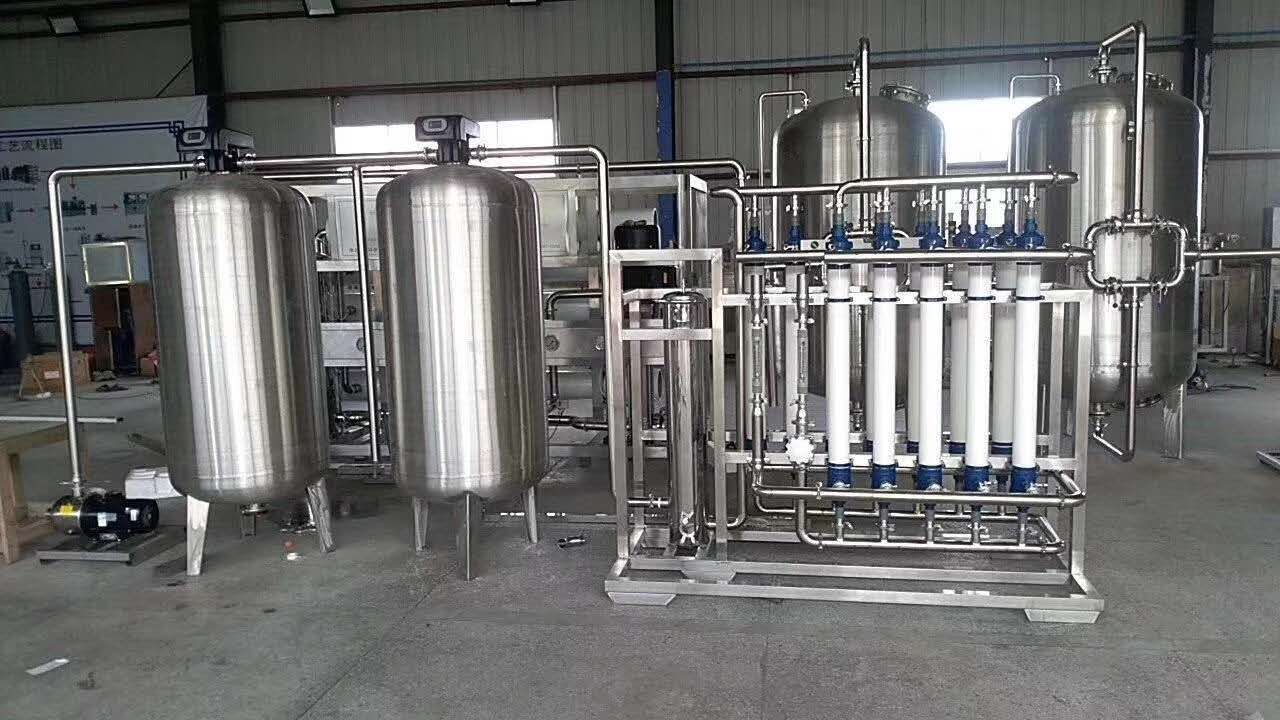
Bottled Spring Water Filling Production Line
Chuxin Mingwei’s customized bottled spring water filling production line is specifically...
Fully Automatic Bottled Purified Water Filling Production Line
Chuxin Mingwei’s customized fully automatic bottled purified water filling production li...
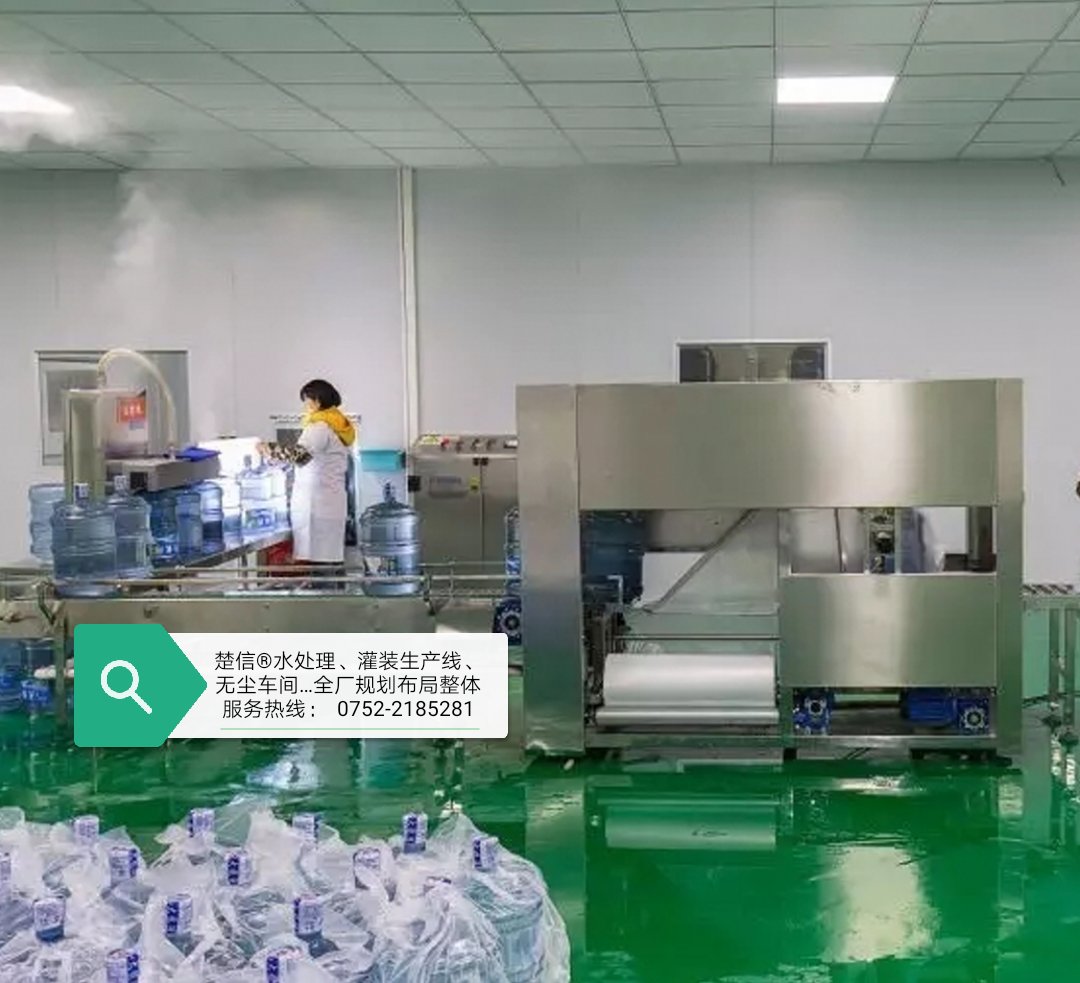
Clean Air Purification Systems
Custom-engineered air purification systems for water bottling and barrelled water fillin...