
Custom Barrelled Water Filling Line: Cost, Value, and Troubleshooting for Operations Leaders
Custom Barrelled Water Filling Line: Cost, Value, and Troubleshooting for Operations Leaders
The Real-World Scenario: Beyond "Bottles Per Hour"
An operations lead in a beverage or water treatment plant often faces a critical decision point: why does a new filling line underperform compared to the vendor's quote? The issue rarely lies in the machine itself but in the mismatch between the site-specific engineering and the actual operational context.
At Chuxin Mingwei, we observe that procurement teams frequently focus on rated capacity (e.g., bottles per hour) while overlooking the upstream variables that dictate long-term stability. A typical scenario involves a plant attempting to process 18.9L barrels using a standard configuration without adjusting for local source water TDS levels or the specific mechanical stress of handling heavy, recycled containers.
The goal is not merely to install a machine but to engineer a solution where stability, applicability, and long-term maintainability are prioritized over raw speed. This requires a lifecycle approach that starts with the water source and ends with the delivery logistics.
Deconstructing Cost and Value: What Drives the Price?
When evaluating a custom barrelled water filling line, the cost structure is driven by three non-negotiable factors derived from your specific site data:
1. Source Water Quality vs. Target Standards
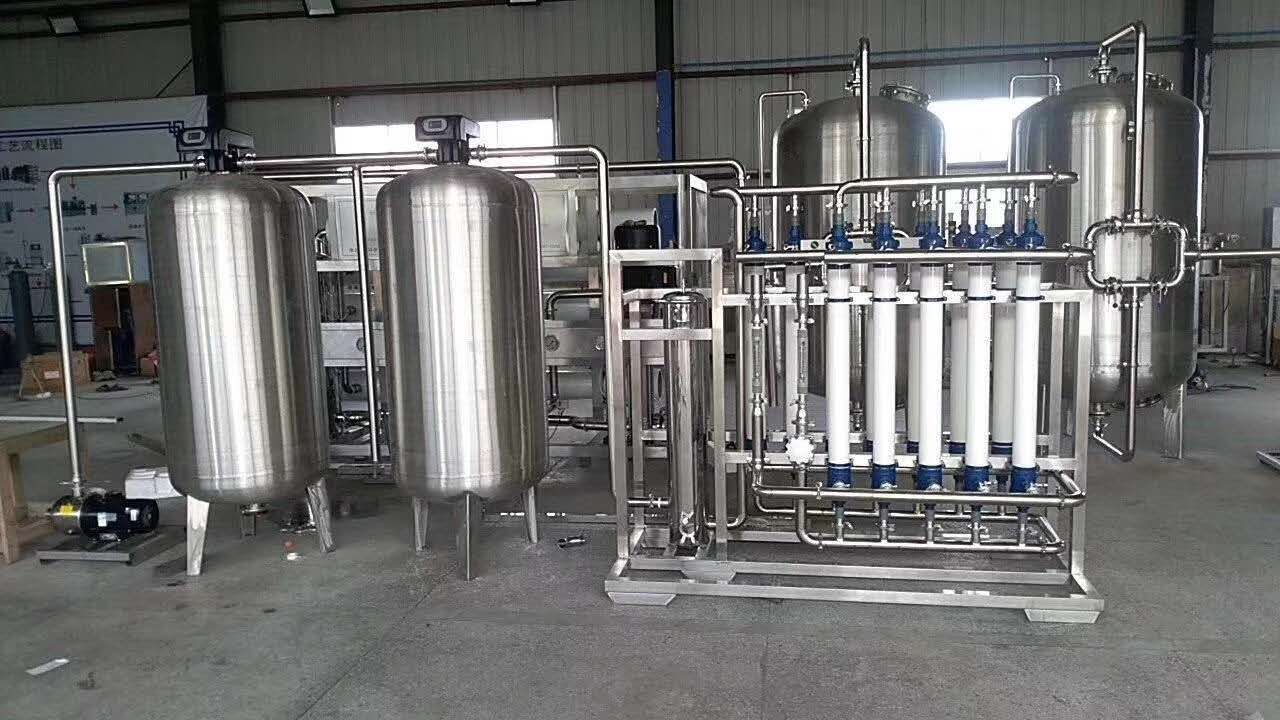
The purification process is the most significant variable in total cost. For example, if you are producing spring water, the system must balance purification efficiency with mineral retention.
- Fact:*
- Our Bottled Spring Water Filling Production Line utilizes a dual-membrane NF + UF process. This specific configuration is engineered to remove impurities while retaining essential minerals, a requirement that differs fundamentally from the dual-stage RO reverse osmosis process used for purified water.
- Value Impact:*
- Choosing the wrong process (e.g., using full RO for spring water) increases energy costs and alters product taste, leading to customer churn. Conversely, insufficient pre-treatment for high-TDS groundwater leads to rapid membrane fouling and higher replacement costs.
2. Capacity Matching and Facility Constraints
Capacity is not a single number; it is a function of bottle size, changeover time, and auxiliary systems.
- Fact:*
- A standard fully automatic bottled purified water filling production line can handle capacities ranging from 200 to 2,500 bottles/hour depending on the 18.9L, 11.3L, or 5L format selected.
- Value Impact:*
- Over-sizing a line for a small facility creates unnecessary capital expenditure and maintenance complexity. Under-sizing creates bottlenecks that force operators to run machines beyond safe limits, increasing wear on the PLC-based intelligent control system and reducing the capping pass rate (which should be ≥99.6%).
3. Clean Air and Environmental Boundaries
The filling environment is as critical as the machinery. For barrelled water filling cleanrooms, air quality directly impacts product sterility.
- Fact:*
- Our Clean Air Purification Systems are designed to meet ISO Class 8 (100,000) standards, with options to upgrade to Class 7 (10,000). These systems integrate airflow, duct routing, and pressure zoning specifically for your facility layout.
- Value Impact:*
- Ignoring air filtration requirements leads to contamination risks that cannot be fixed by downstream sterilization alone. The cost of retrofitting a cleanroom after installation far exceeds the initial investment in a properly sized H13 HEPA filtration system.
Troubleshooting Common Operational Anomalies
Even with a well-engineered line, operational anomalies occur. For implementation and maintenance teams, distinguishing between a process error and a mechanical failure is key.
Issue 1: Inconsistent Fill Levels or Low Capping Pass Rate
- Symptom:*
- Bottles show fill volume variance >±2 mL or capping rates drop below 99.6%.
- Root Cause Analysis:*
- This often stems from unstable air pressure, incorrect bottle alignment, or sensor calibration drift rather than pump failure.
- Actionable Step:*
- Verify the integrated bottle washing-filling-capping unit sensors. Ensure the PLC-based intelligent control system is receiving stable signals from the bottle detection zone. Check for mechanical wear on the capping heads, which may require adjustment based on the specific cap type (plastic, sport, or aluminum).
Issue 2: Rapid Membrane Fouling or Pressure Drop
- Symptom:*
- System pressure rises quickly, or output water quality degrades.
- Root Cause Analysis:*
- This indicates pre-treatment failure. If the multi-media + activated carbon filters are not backwashing correctly, particulates enter the RO membranes.
- Actionable Step:*
- Review the cleaning-in-place (CIP) schedule. Ensure the ozone and UV (254 nm) dual sterilization units are functioning correctly to prevent biofilm buildup. If the source water TDS fluctuates seasonally, the system parameters may need recalibration.
Issue 3: High Energy Consumption
- Symptom:*
- Power bills spike despite constant production volume.
- Root Cause Analysis:*
- Often caused by oversized pumps running at full load or inefficient heat exchange in hot-fill applications.
- Actionable Step:*
- Audit the airflow range (1,500 – 2,000 m³/h for standard setups) and ensure the clean air system is not overworking due to leaks in the ductwork. Optimize the pump frequency based on actual demand rather than fixed settings.
Implementation Boundaries and Decision Criteria
To ensure a successful deployment, operations leaders must define clear boundaries before signing off on the design:
- Scope of Delivery: Clarify what is included in the end-to-end engineering service. Does the scope cover design, manufacturing, installation, commissioning, operator training, and after-sales support? Ambiguity here leads to project delays.
- Material Compatibility: Ensure all wetted parts are compatible with your water chemistry. While 304 stainless steel is standard, specific corrosive environments may require 316L upgrades.
- Changeover Flexibility: If you plan to switch between 18.9L, 11.3L, and 5L formats, verify the changeover time and the modularity of the filling valve and conveyor system.
- Support Response: Define the after-sales support boundaries. Does the vendor provide remote diagnostics via the HMI interface, or is on-site support required for major faults?
Next Steps: From Evaluation to Execution
Selecting a custom barrelled water filling line is a strategic decision that impacts your product quality, operational costs, and brand reputation. It requires moving beyond generic specifications to a detailed analysis of your source water quality, target water standards, production capacity, packaging format, and facility constraints.
Chuxin Mingwei provides non-standard, site-specific solutions engineered from these exact parameters. We prioritize product-scenario matching and delivery execution to ensure your line runs stably for years.
Ready to optimize your production line?
Contact our engineering team to discuss your specific water quality report and capacity needs. We will provide a tailored feasibility study and a transparent cost breakdown, ensuring your investment delivers measurable value.
Contact Our Engineering Team
Key Takeaways for Operations Leaders
- Process Specificity:*
- Spring water requires NF+UF processes to retain minerals; purified water requires dual-stage RO.
- Performance Metrics:*
- Look for filling accuracy ≤ ±2 mL and capping pass rate ≥99.6% as baseline standards.
- Environmental Control:*
- ISO Class 8 cleanrooms with H13 HEPA filtration are mandatory for sterile filling.
- Lifecycle View:*
- Total cost includes energy, maintenance, and downtime, not just the purchase price.
- Service Scope:*
- Ensure the vendor covers design to after-sales support, including operator training.
Conclusion
A custom barrelled water filling line is only as good as its integration with your site's unique constraints. By focusing on water quality adaptation, capacity balancing, and robust environmental controls, you can avoid common pitfalls and achieve a stable, efficient production line. The value lies not in the highest speed, but in the lowest total cost of ownership and the highest product consistency.
CTA Text: Request a Site-Specific Feasibility Study
Recommended
Bottled Spring Water Filling Production Line
Chuxin Mingwei’s customized bottled spring water filling production line is specifically...
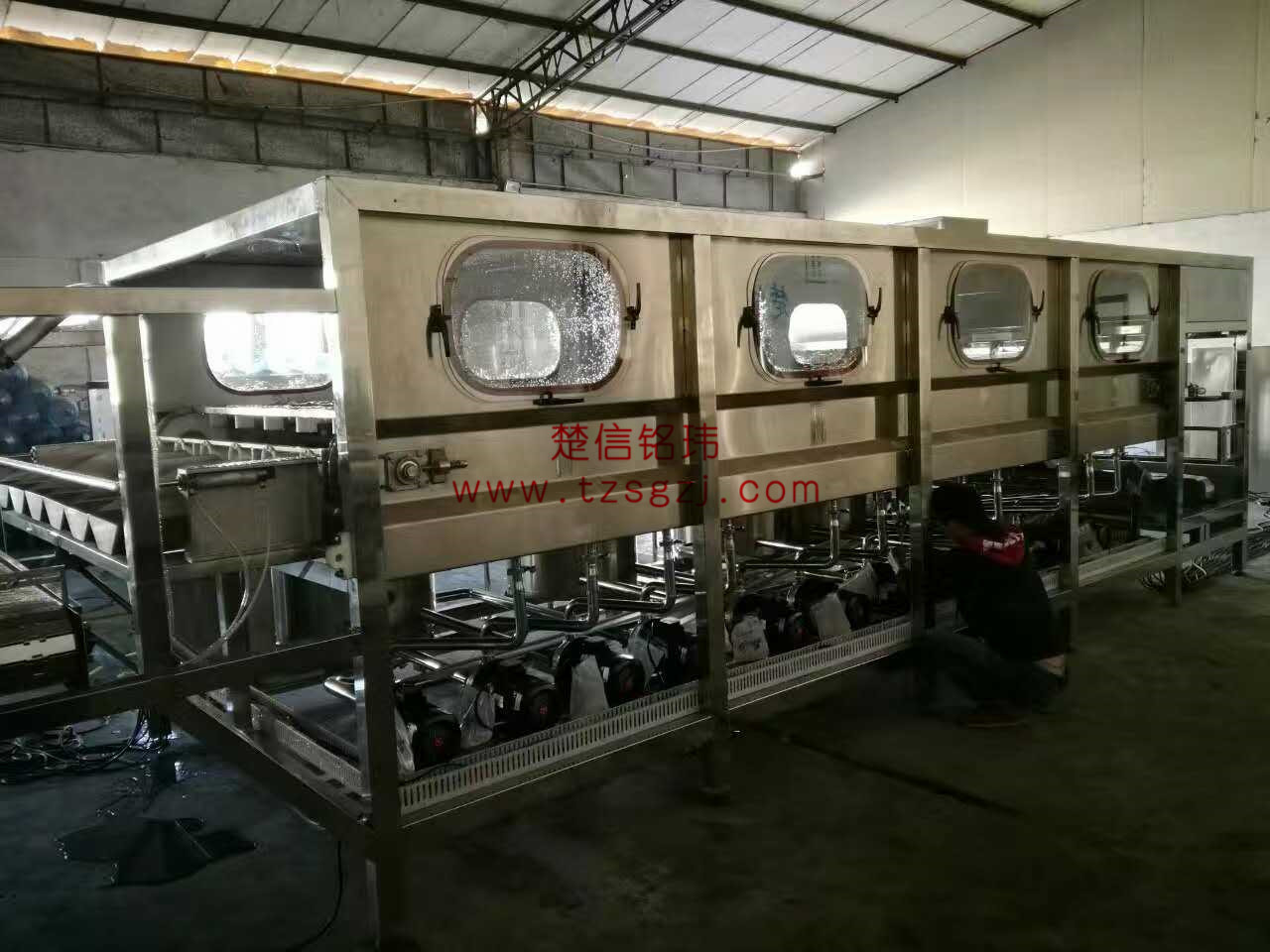
Fully Automatic Bottled Purified Water Filling Production Line
Chuxin Mingwei’s customized fully automatic bottled purified water filling production li...
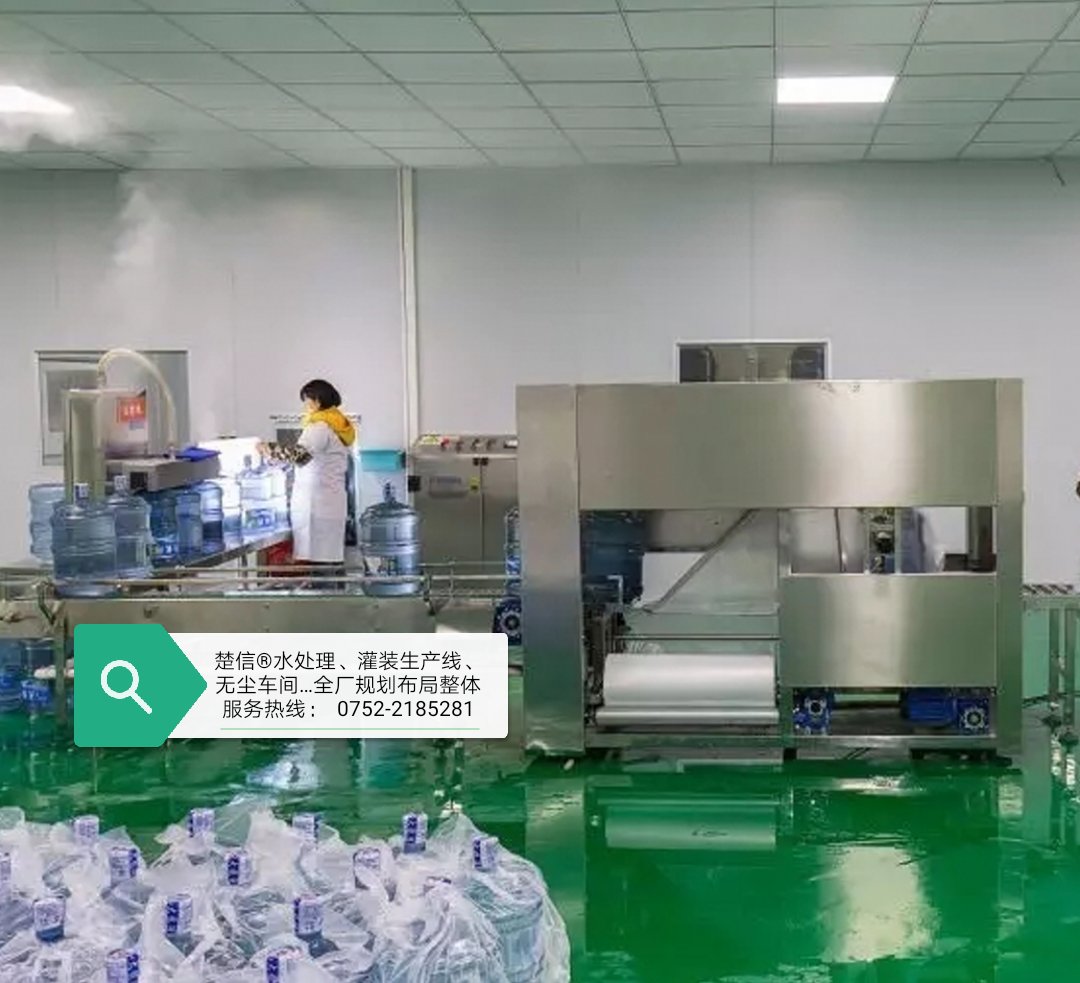
Clean Air Purification Systems
Custom-engineered air purification systems for water bottling and barrelled water fillin...