
Selecting Barrel Wash Intensity and Process Configuration Based on Contamination Levels
Selecting Barrel Wash Intensity and Process Configuration Based on Contamination Levels
The Core Problem: One Size Does Not Fit All
For procurement managers and technical evaluators launching a Bottled Purified Water Filling Line, a critical engineering decision is determining the appropriate wash intensity based on container origin. A common misconception is that a single "standard" wash protocol applies to every container entering the filling station.
In reality, the contamination profile of a new PET bottle differs fundamentally from that of a recycled returnable barrel. Applying high-intensity mechanical scrubbing to new containers wastes resources and risks damaging the bottle structure, while applying low-intensity cleaning to heavily soiled returnable barrels creates a critical hygiene failure point. The decision logic must shift from "how fast can we wash?" to "what level of contamination are we facing?".
This distinction defines the primary risk boundary when implementing a successful 18.9L bottled water equipment system or a spring water filling equipment line.
Fact vs. Myth: Defining the Washing Boundary
To make an informed engineering decision, it is necessary to separate operational myths from verified process facts regarding container handling.
Myth 1: "Higher Pressure Always Means Better Cleaning"
Fact: Excessive pressure on new bottles or lightly soiled containers does not improve sterility; it increases mechanical stress and potential micro-fractures. Conversely, insufficient pressure on recycled barrels leaves biofilm intact.
- New Bottles (Single-Use): These typically carry only dust or minor static charge from manufacturing. The requirement is primarily for bottle washing to remove particulates before filling. For Chuxin Mingwei's fully automatic lines, this involves synchronized rinsing with purified water at controlled flow rates, avoiding the need for harsh chemical detergents or high-pressure scrubbing that could compromise the bottle wall integrity.
- Recycled Barrels (Returnable): These face complex contamination scenarios including residual liquid, mineral deposits, and microbial growth. As noted in standard barrelled water filling workflows, these require a multi-stage process: cap removal, external brushing, internal brushing, and sterilization (often involving ozone or UV).
Myth 2: "A Single Station Can Handle Both Types Efficiently"
Fact: Mixing new and recycled streams without distinct wash zones leads to either bottlenecked throughput or compromised sanitation.
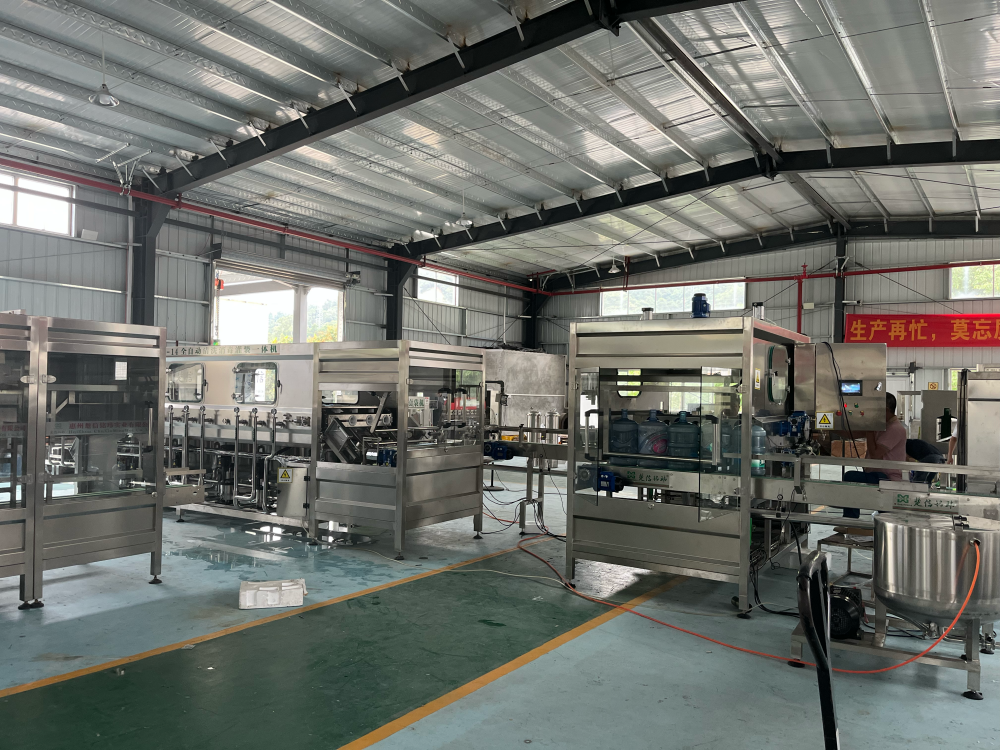
In a typical 3-gallon, 5-gallon, or 18.9L production setup, the system must be engineered to handle the specific workflow for each type:
- Recycled Stream: Requires a dedicated multi-station cleaning unit capable of cap removal, external brushing, internal brushing, and disinfection. The clean air support systems (ISO Class 8) must cover this area to prevent re-contamination during the open-bottle phase.
- New Bottle Stream: Requires a streamlined washing-filling-capping sequence. The focus here is on speed and precision (filling accuracy ≤ ±2 mL) rather than deep decontamination.
Implementation Logic: How to Configure Your Line
When evaluating a custom filling solution from a manufacturer like Huizhou Chuxin Mingwei, the selection criteria should focus on matching the wash intensity to the source material.
Step 1: Define the Input Mix
Determine the percentage of recycled barrels versus new bottles in your target market. If your business model relies heavily on 18.9L returnable barrels, the Bottled Purified Water Filling Line must include a robust pre-wash station with mechanical brushes and chemical dosing capabilities. If the focus is on 500mL–1.5L new PET bottles, the priority shifts to high-speed rinsing and filling accuracy.
Step 2: Select the Process Configuration
- For Recycled Barrels: The system must integrate a dual-membrane NF + UF process (for spring water) or dual-stage RO (for purified water) after the initial wash to ensure the final product meets safety standards. The wash station itself must handle the physical removal of debris. The PLC-based intelligent control system should monitor brush wear and water quality in real-time.
- For New Bottles: The configuration prioritizes the integrated bottle washing-filling-capping unit. The rinse water quality is critical; using treated water from the same purification line ensures no secondary contamination.
Step 3: Validate Airflow and Zoning
Hygiene is not just about the wash; it is about the environment. Clean Air Purification Systems designed for ISO Class 8 (100,000) environments are essential for the filling zone. However, the wash station for dirty barrels may generate aerosols and requires specific airflow zoning to prevent cross-contamination of the clean filling area. Ensure your design includes separate pressure zones for the dirty wash area versus the clean fill area.
Risk Boundaries and Decision Criteria
| Scenario | Contamination Level | Recommended Wash Intensity | Risk of Mismatch |
|---|---|---|---|
| New PET Bottles | Low (Dust/Static) | Light Rinse (Purified Water) | High pressure damages bottle; Chemical use unnecessary. |
| Recycled Barrels | High (Residue/Biofilm) | Multi-stage (Brush + Chemical + Sterilize) | Low pressure leaves pathogens; Under-cleaning causes recalls. |
| Mixed Line | Variable | Segregated Stations | Cross-contamination if not zoned correctly. |
Critical Note: Do not assume a machine labeled "automatic" handles both equally. The rated output capacity (e.g., 200–1,800 bottles/hour for 18.9L) varies significantly depending on whether the line includes a full recycling wash loop or just a rinse-and-fill loop.
Next Steps for Technical Evaluation
Before finalizing your procurement specifications, conduct a site-specific audit:
- Source Water Analysis: Confirm the raw water quality to determine if NF+UF (spring water) or RO (purified water) is required downstream of the wash.
- Container Audit: Analyze the actual condition of your returnable barrels. Are they pre-rinsed by suppliers, or do they arrive heavily soiled? This dictates the number of wash stations needed.
- Capacity Planning: Calculate the peak load. Remember that wash time is part of the total cycle time. A line rated for 1,000 bottles/hour might drop to 600 if the wash station is undersized for heavy soil.
Chuxin Mingwei designs end-to-end engineering services that map equipment capabilities to these real-world operational contexts. We prioritize stability and long-term maintainability over generic specifications.
Conclusion
Selecting the correct wash intensity is not a marketing feature but a fundamental engineering requirement. By distinguishing between the low-risk profile of new bottles and the high-risk profile of recycled barrels, you avoid the twin pitfalls of resource waste and hygiene failure. A properly configured Bottled Spring Water Filling Production Line or Purified Water Line will integrate these distinct protocols seamlessly, ensuring compliance with ISO standards and maximizing operational efficiency.
If you are preparing for a new facility or upgrading an existing line, contact our engineering team to discuss your specific container mix and water quality data. We can provide a tailored layout that aligns wash intensity with your actual contamination levels.
Contact Us Today to schedule a technical consultation for your custom water treatment and filling project.
Recommended
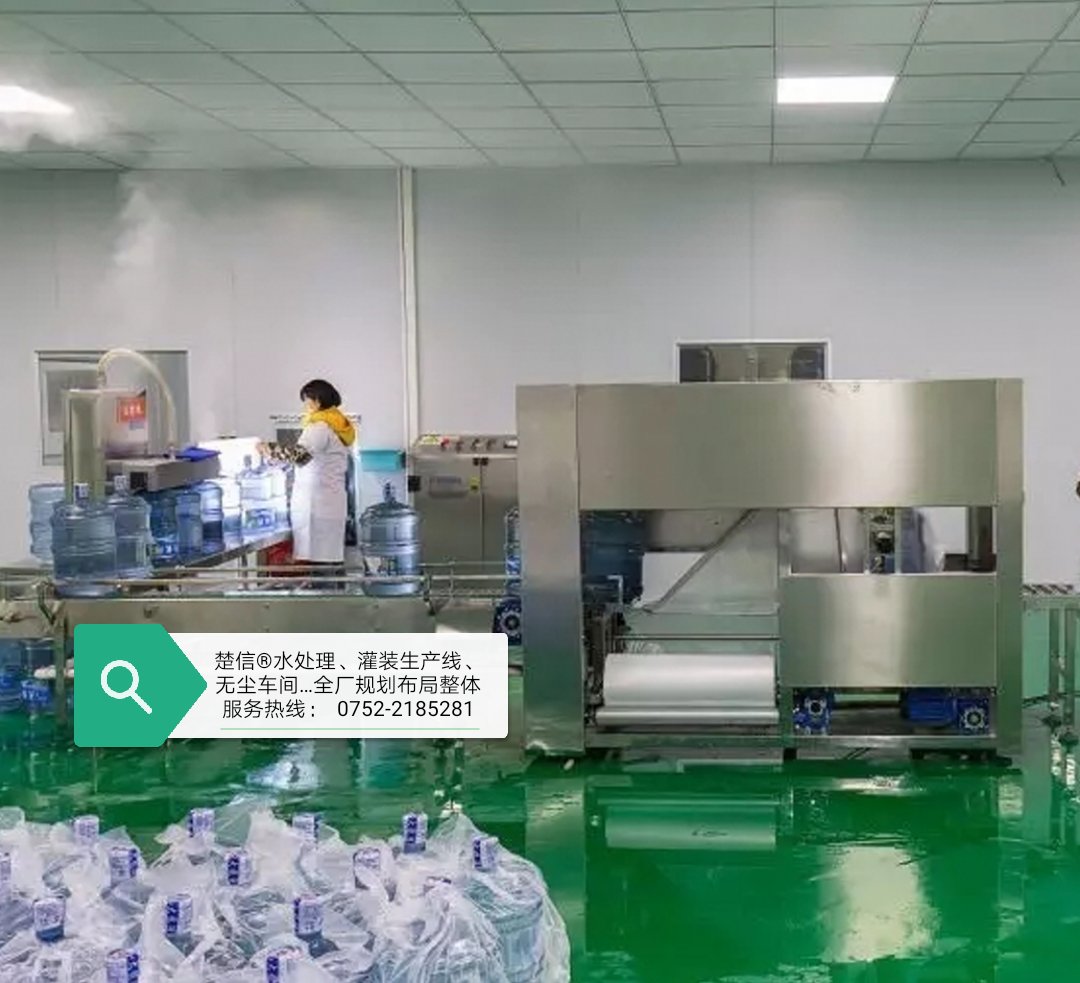
Clean Air Purification Systems
Custom-engineered air purification systems for water bottling and barrelled water fillin...
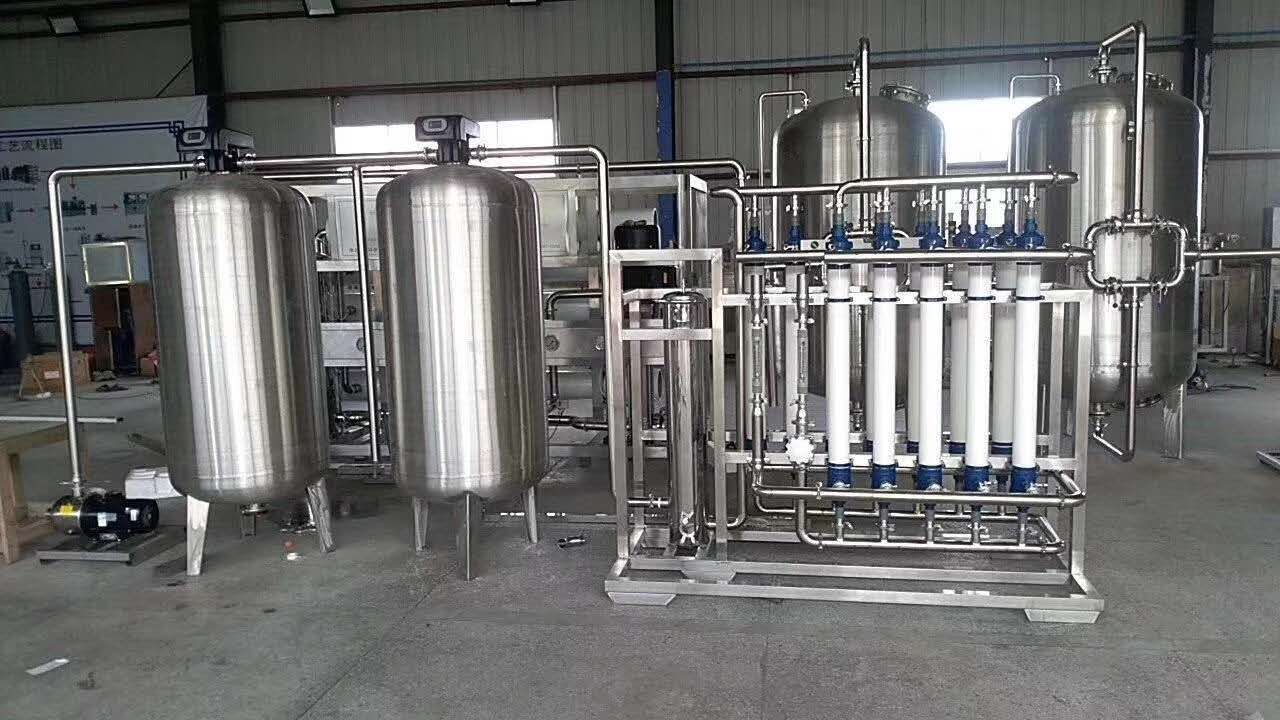
Bottled Spring Water Filling Production Line
Chuxin Mingwei’s customized bottled spring water filling production line is specifically...
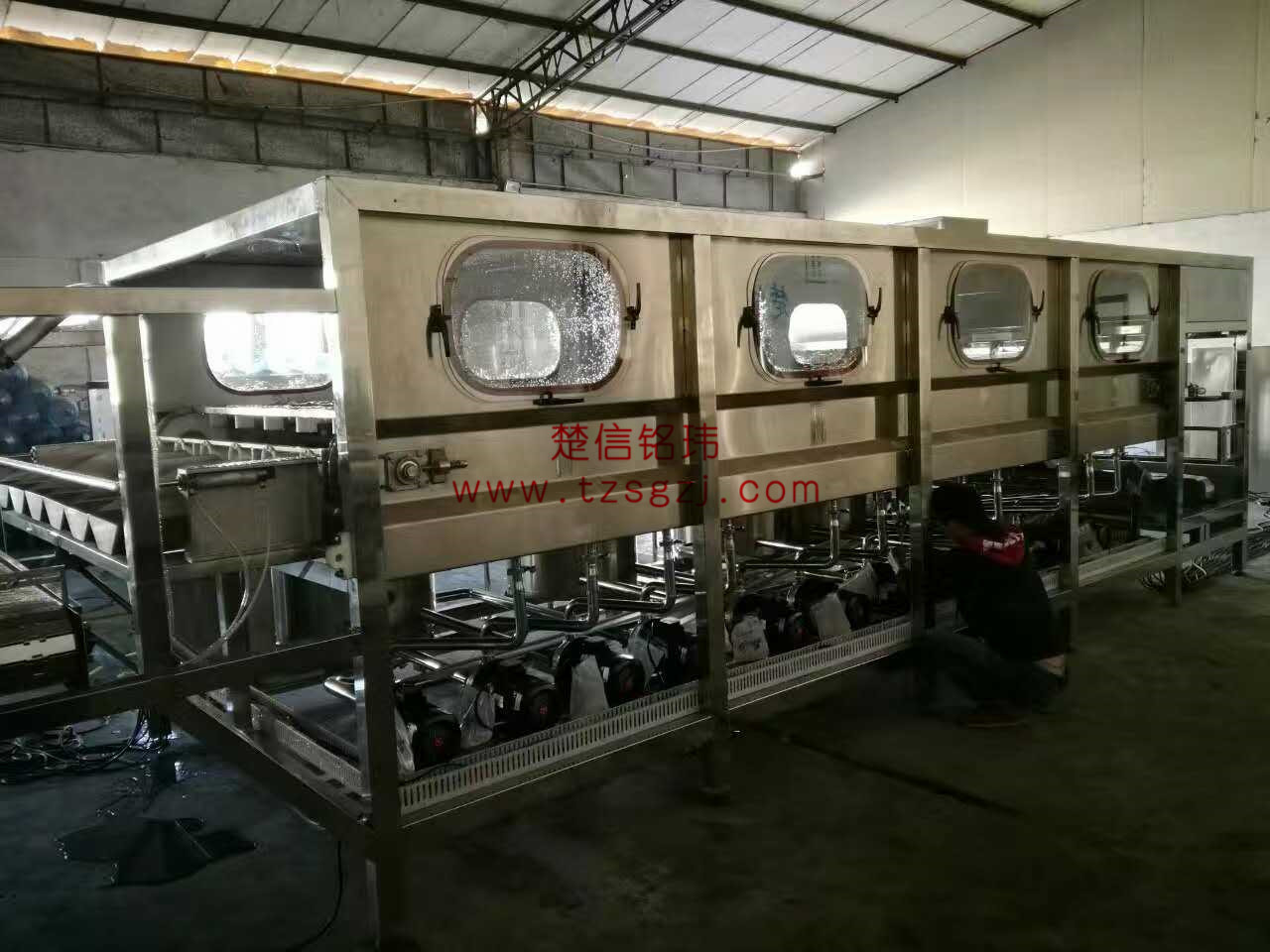
Fully Automatic Bottled Purified Water Filling Production Line
Chuxin Mingwei’s customized fully automatic bottled purified water filling production li...