
Balancing Cap Torque: Preventing Leaks and Thread Damage in Water Filling Lines
Balancing Cap Torque: Preventing Leaks and Thread Damage in Water Filling Lines
For operations leads and procurement managers managing Bottled Purified Water Filling Lines or spring water filling equipment, the capping stage is a critical control point. While often overlooked in favor of purification efficiency or filling speed, incorrect torque settings can lead to significant operational losses, including product leakage, customer complaints, and increased material waste due to damaged caps.
This article provides direct, actionable guidance on balancing seal integrity with mechanical safety, specifically tailored for users of automated rinsing-filling-capping integrated machines.
Direct Conclusion: The Optimal Torque Window
There is no single "universal" torque value for all water bottling lines. The optimal torque setting depends on the interaction between three variables:
- Cap Material & Design: Plastic (PP/PE) vs. Aluminum, standard closure vs. sports cap.
- Bottle Neck Finish: Thread geometry and wall thickness of the PET preform/bottle.
- Production Speed: Higher speeds may require slightly adjusted dwell times or cam profiles to maintain consistency.
The Goal: Achieve a seal that prevents leakage and maintains carbonation (if applicable) or hygiene, while keeping the stress on the bottle neck below its yield point to prevent cracking or thread stripping.
Why Torque Matters: The Risks of Misconfiguration
1. Over-Tightening: Mechanical Damage
Excessive torque applies radial stress to the bottle neck. In high-speed lines processing 18.9 L barrels or smaller 500 mL–1.5 L PET bottles, this can cause:
- Thread Stripping:*
- The cap threads shear off the bottle threads, leading to loose caps downstream.
- Neck Cracking:*
- Micro-fractures in the PET material, which may not be immediately visible but lead to leaks during transport or storage.
- Cap Deformation:*
- Distortion of the liner or cap skirt, compromising the seal even if the cap appears tight.
2. Under-Tightening: Seal Failure
Insufficient torque fails to compress the liner against the bottle finish adequately. This results in:
- Leakage:*
- Product loss during palletizing, shrink-wrapping, or transit.
- Contamination Risk:*
- For purified water produced via dual-stage RO, maintaining sterility is paramount. A loose cap allows airborne contaminants or microbes to enter, negating the benefits of upstream UV/ozone sterilization.
- Consumer Rejection:*
- Visible leaks or "clicks
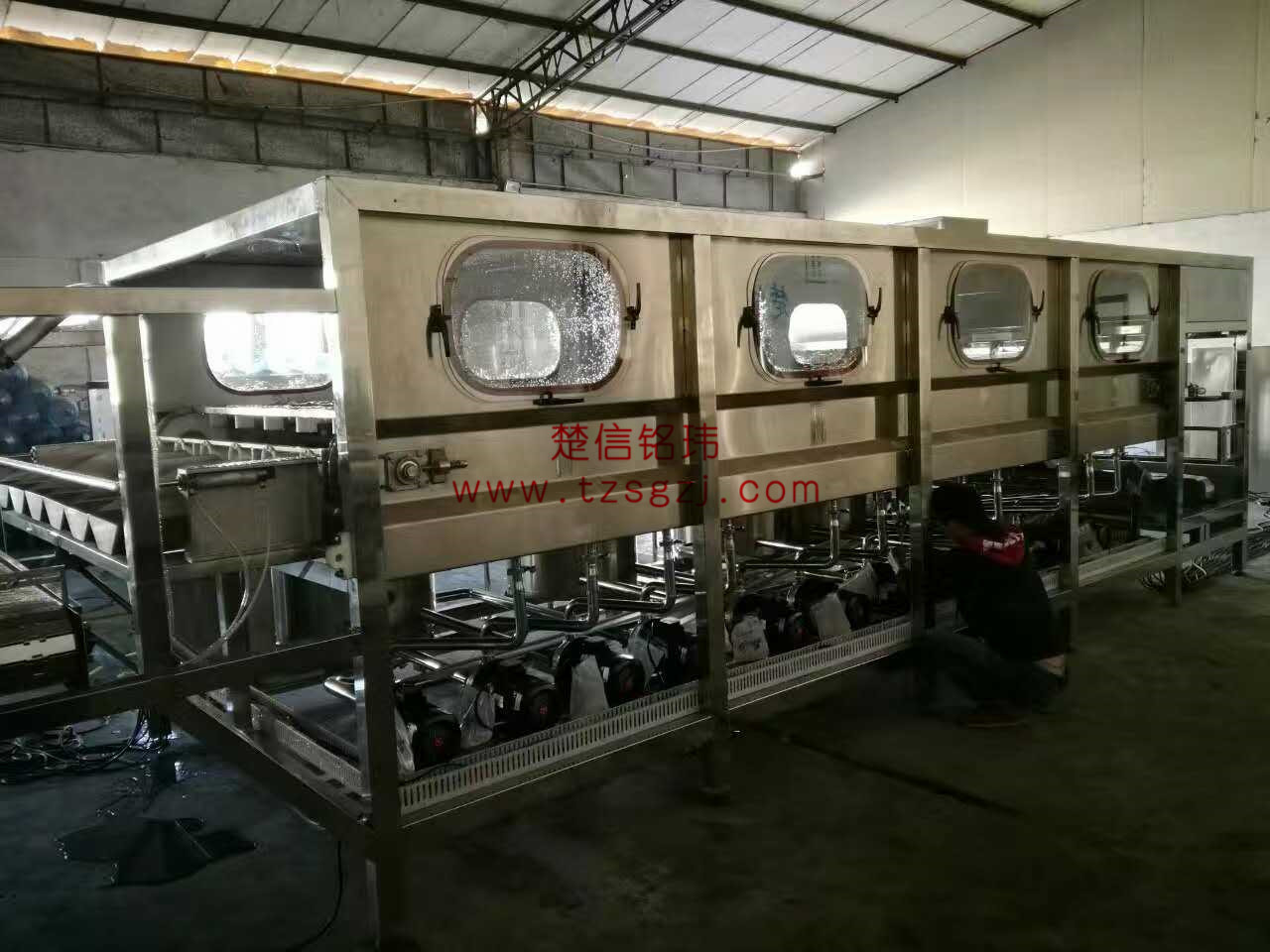
For integrated rinsing-filling-capping machines, the optimal torque strategy must account for specific cap types such as plastic (PP/PE), sports caps, and aluminum closures, as well as the bottle neck finish geometry. Since these systems handle various capacities from small PET bottles to larger formats, precise torque control is essential to prevent thread stripping or neck cracking while ensuring seal integrity against leakage during downstream processes like labeling and packaging.
Recommended
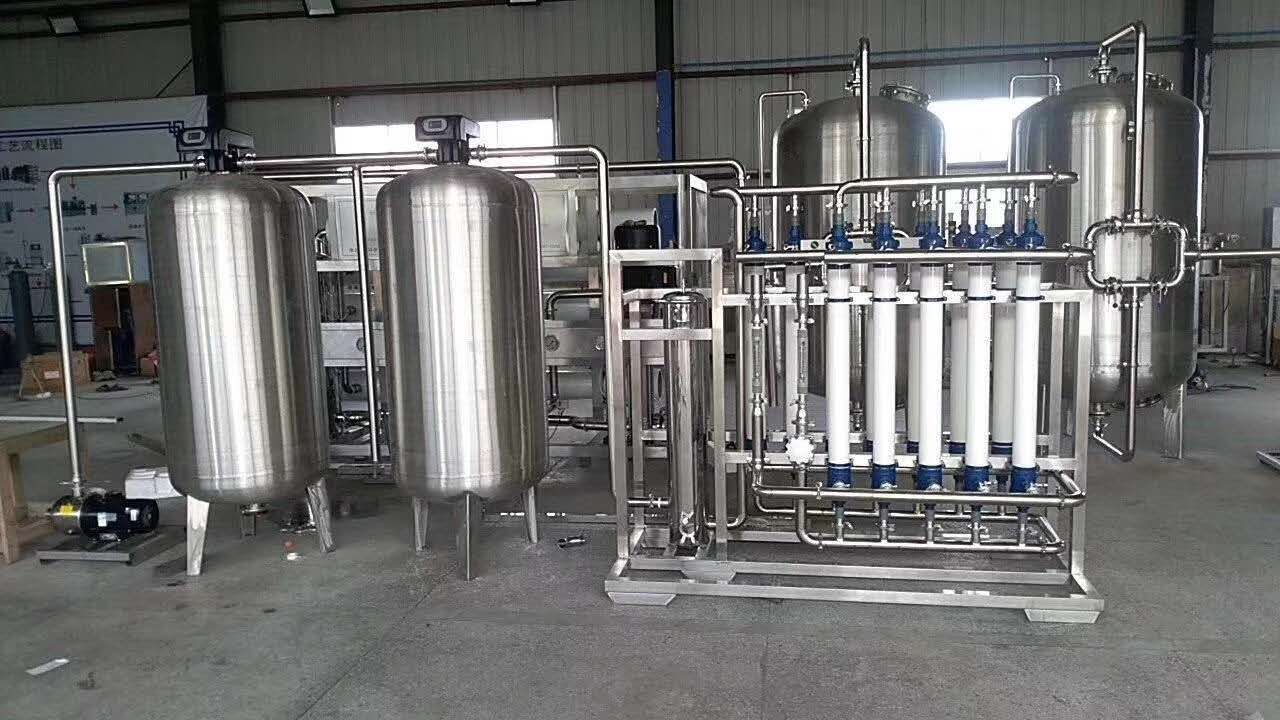
Bottled Spring Water Filling Production Line
Chuxin Mingwei’s customized bottled spring water filling production line is specifically...
Fully Automatic Bottled Purified Water Filling Production Line
Chuxin Mingwei’s customized fully automatic bottled purified water filling production li...
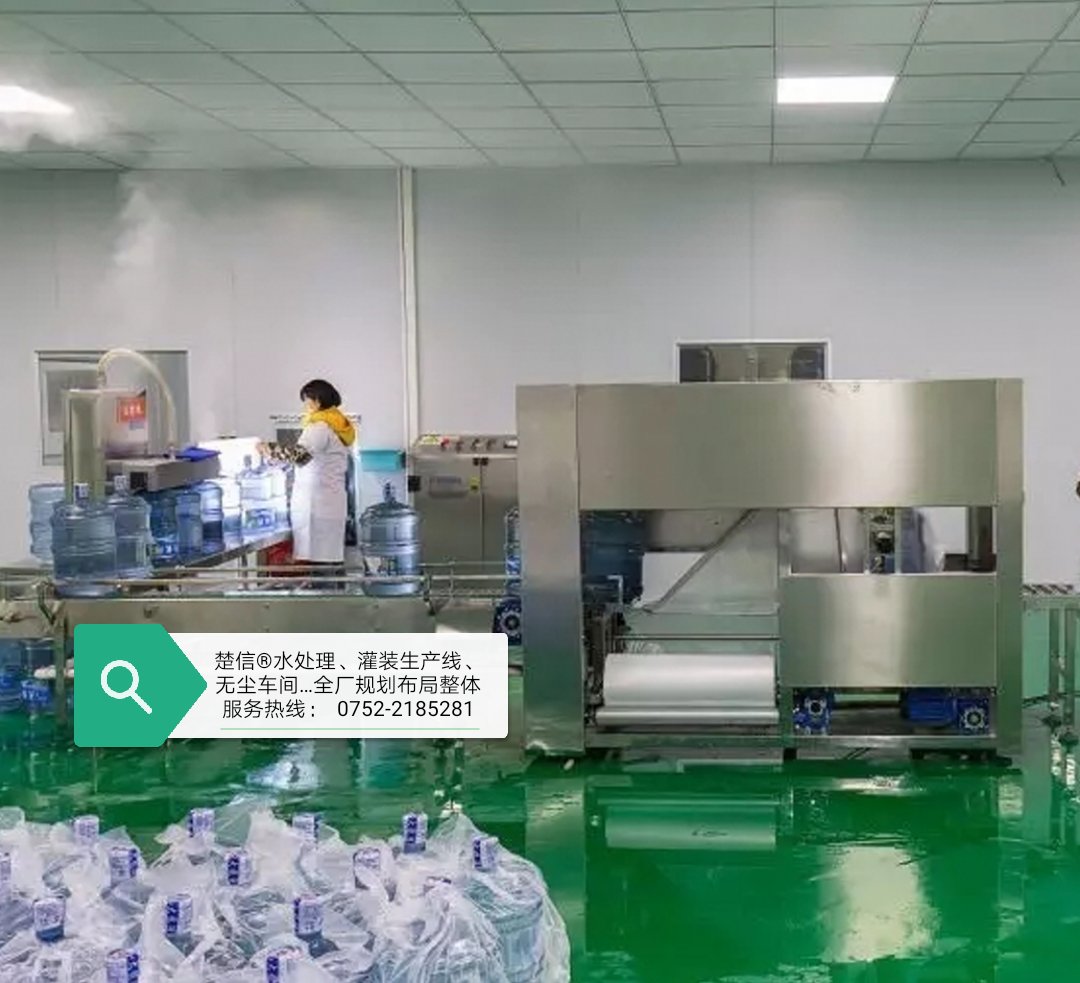
Clean Air Purification Systems
Custom-engineered air purification systems for water bottling and barrelled water fillin...