
Beyond Peak Speed: Defining Scientific OEE Acceptance Standards for Water Filling Lines
Beyond Peak Speed: Defining Scientific OEE Acceptance Standards for Water Filling Lines
In industrial water treatment and filling projects, a common procurement pitfall is evaluating equipment performance based solely on "peak capacity" observed during short, idealized trials. For procurement managers and operations leads, this approach often leads to significant gaps between contracted specifications and actual daily output.
True operational efficiency is measured by Overall Equipment Effectiveness (OEE), which accounts for availability, performance, and quality. At Chuxin Mingwei, we engineer end-to-end solutions where acceptance standards are defined not by momentary speed, but by sustained stability under real-world constraints. This article provides a technical checklist for defining scientific acceptance criteria for bottled spring water, purified water, and barrelled water production lines.
Why Instantaneous Speed Is a Misleading Metric
A filling line may achieve its rated capacity (e.g., up to 1,800 bottles/hour for 18.9L bottles) for ten minutes in a clean, empty state. However, daily production involves raw water fluctuations, bottle supply inconsistencies, packaging material changes, and necessary cleaning cycles.
If acceptance tests do not account for these variables, buyers risk purchasing systems that require excessive manual intervention or suffer from frequent micro-stops. A scientifically robust acceptance protocol must shift focus from theoretical maximums to verified sustainable output.
Core Dimensions for OEE Acceptance Criteria
When drafting technical agreements or conducting factory acceptance tests (FAT), include the following verifiable dimensions. These are aligned with the engineering principles used in Chuxin Mingwei’s custom filling solutions.
1. Continuous Stable Run Time
Instead of short bursts, require a continuous run test at a high percentage of rated speed.
- For Bottled Spring Water Lines:*
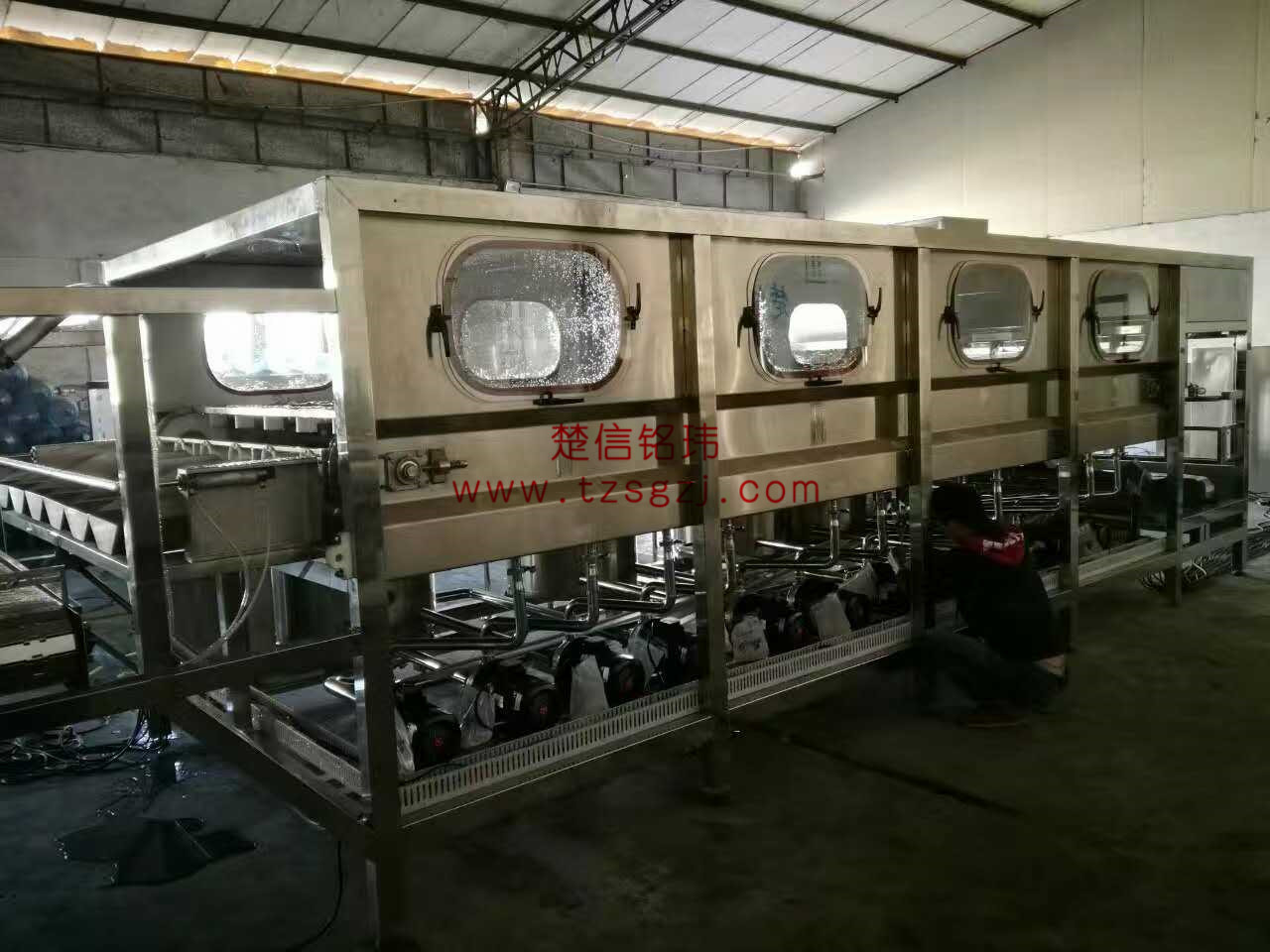
- Verify that the dual-membrane NF + UF process maintains mineral balance while the filling unit operates without interruption. The system should demonstrate that the integrated bottle washing-filling-capping unit can sustain a high capping pass rate over an extended period, not just in isolated samples.
- For Purified Water Lines:*
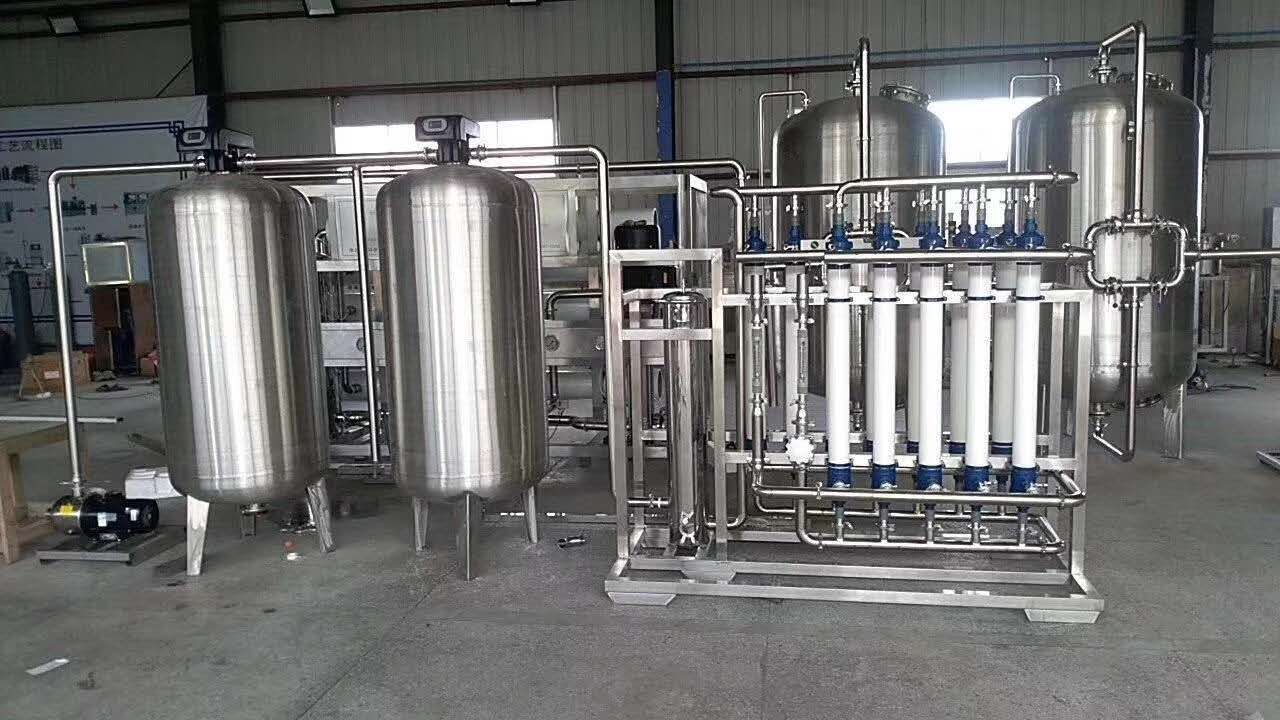
- Ensure the dual-stage RO deep purification system consistently meets conductivity targets while the filling line handles synchronized washing, filling, and capping with minimal manual intervention.
2. Quality Yield and Reject Rates
Define clear thresholds for acceptable waste.
- Filling Accuracy:*
- For standard 18.9L or 5-gallon bottles, specify a filling accuracy tolerance (e.g., ≤ ±2 mL).
- Capping Integrity:*
- Establish a maximum allowable reject rate for loose caps or damaged seals. In automated lines, this includes verifying the performance of torque control systems and cap inspection sensors. Note that specific pass rates depend on bottle and cap quality consistency.
- Water Quality Consistency:*
- For spring water, ensure the purification process does not over-filter essential minerals, while for purified water, confirm that ozone and UV (254 nm) sterilization effectively maintains microbiological safety throughout the run.
3. Changeover Efficiency and Flexibility
Modern production often requires switching between bottle sizes (e.g., 18.9L, 11.3L, 5L) or packaging formats.
- Changeover Time:*
- Define the maximum time allowed for switching bottle molds and adjusting filling valves.
- Material Waste:*
- Quantify the amount of water and packaging material wasted during the changeover process. Efficient PLC-based intelligent control systems should minimize this waste through precise parameter recall and automated adjustments.
4. Utility and Maintenance Boundaries
Acceptance must include verification of utility consumption and maintenance accessibility.
- Water Usage:*
- Calculate total water consumption per unit of finished product, including rinsing, CIP cleaning, and process losses. Do not just measure the water in the bottle; measure the water drawn from the source. Final calculations should be confirmed by project material balance.
- Clean Air Integration:*
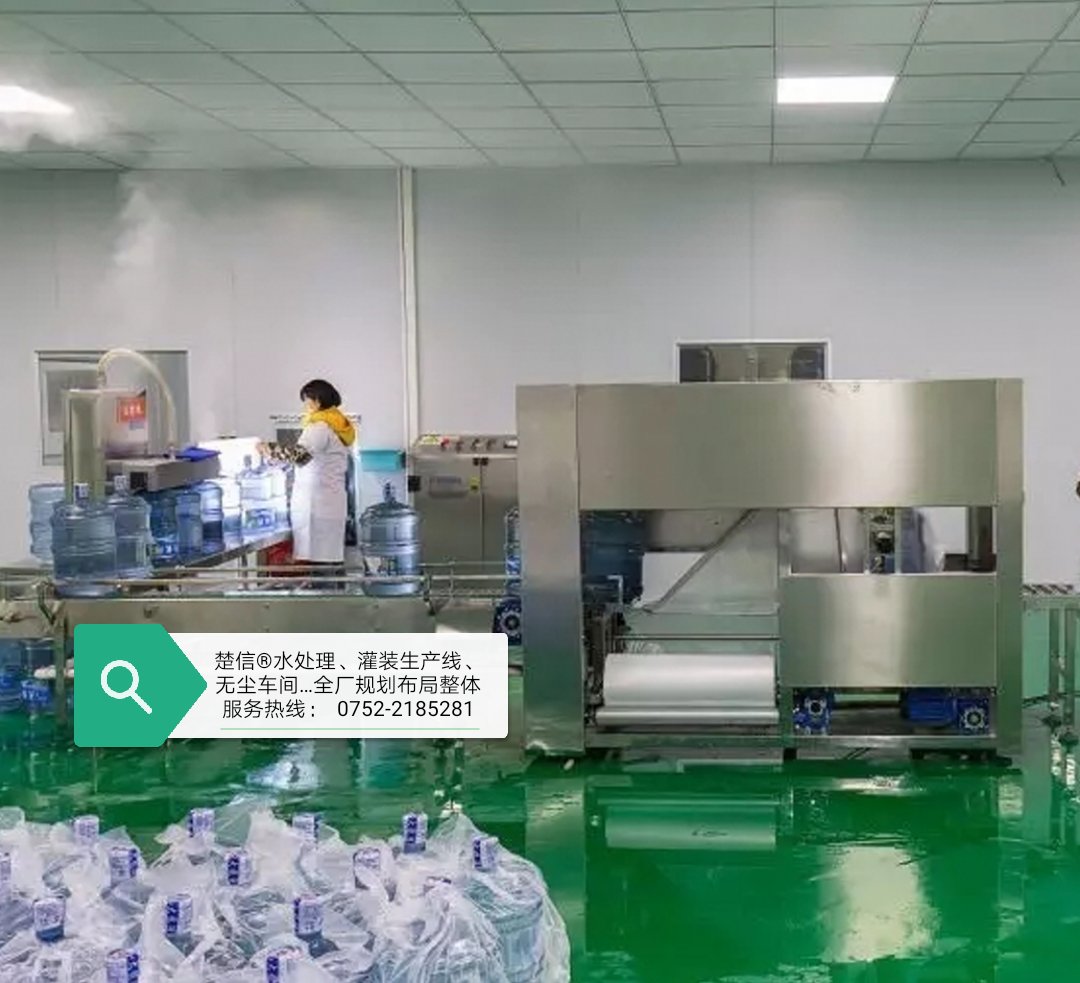
- If the line includes a cleanroom environment, verify that the air purification system maintains ISO Class 8 (100,000) standards during full production, ensuring no contamination from airborne particles affects the filling zone.
Implementation Boundaries: What to Clarify Before Signing
To avoid disputes during installation and commissioning, clearly define the scope of responsibility:
- Raw Material Specifications:*
- The performance of the filling line is dependent on the quality of incoming bottles and caps. Specify the tolerance limits for bottle wall thickness, cap dimensions, and label adhesive properties.
- Site Conditions:*
- Confirm that facility constraints (floor load, ceiling height, utility connections) match the engineered design. For example, clean air systems require specific duct routing and pressure zoning that must be integrated into the facility layout early.
- Operator Training:*
- Acceptance is not complete until operators are trained. Include a requirement for comprehensive training on PLC interfaces, routine maintenance, and troubleshooting common faults like jamming or sensor errors.
Next Steps for Procurement Teams
- Audit Your Current Metrics: Review your existing technical agreements. Do they rely on peak speed or sustained OEE?
- Define Your Product Scenario: Are you producing natural spring water requiring mineral retention, or purified water needing deep RO filtration? The acceptance criteria for water quality and filling precision will differ.
- Request a Detailed FAT Protocol: Ask your supplier for a factory acceptance test plan that includes continuous run tests, changeover demonstrations, and utility consumption measurements.
At Chuxin Mingwei, we prioritize long-term maintainability and stability over inflated speed claims. Our engineering team works with clients to define realistic, site-specific acceptance standards that ensure your production line delivers consistent value from day one.
Contact our technical team to discuss how we can tailor an OEE validation plan for your next water treatment and filling project.
Recommended
Bottled Spring Water Filling Production Line
Chuxin Mingwei’s customized bottled spring water filling production line is specifically...
Fully Automatic Bottled Purified Water Filling Production Line
Chuxin Mingwei’s customized fully automatic bottled purified water filling production li...
Clean Air Purification Systems
Custom-engineered air purification systems for water bottling and barrelled water fillin...