
How to Adjust HEPA Filter Replacement Cycles Based on Real-Time Particle Counts, Not Fixed Schedules
Operators responsible for maintaining clean air support systems in beverage, food, pharmaceutical, and industrial water bottling facilities face a critical operational decision: when to replace HEPA filters. Relying only on fixed time intervals—such as every 6 or 12 months—can result in either premature replacements (increasing costs and waste) or delayed replacements (risking particle contamination in high-sensitivity environments).
Chuxin Mingwei’s custom-engineered clean air purification systems, designed for integration with bottled spring water production lines and fully automatic barrelled water filling lines, are equipped with PLC + HMI control and real-time diagnostic capabilities. These systems allow for condition-based maintenance rather than time-based scheduling.
Why Calendar-Based Replacements Are Risky
In a typical ISO Class 8 (100,000) cleanroom environment—commonly used in water bottling operations—the integrity of the air filtration system is directly tied to product safety and compliance. However, actual particle load varies significantly based on:
- Facility layout and airflow dynamics
- Frequency of equipment access and personnel movement
- Local environmental conditions (e.g., dust levels near intake vents)
- Production volume and line uptime
Rigid replacement cycles ignore these variables, potentially leading to over-maintenance or under-protection.
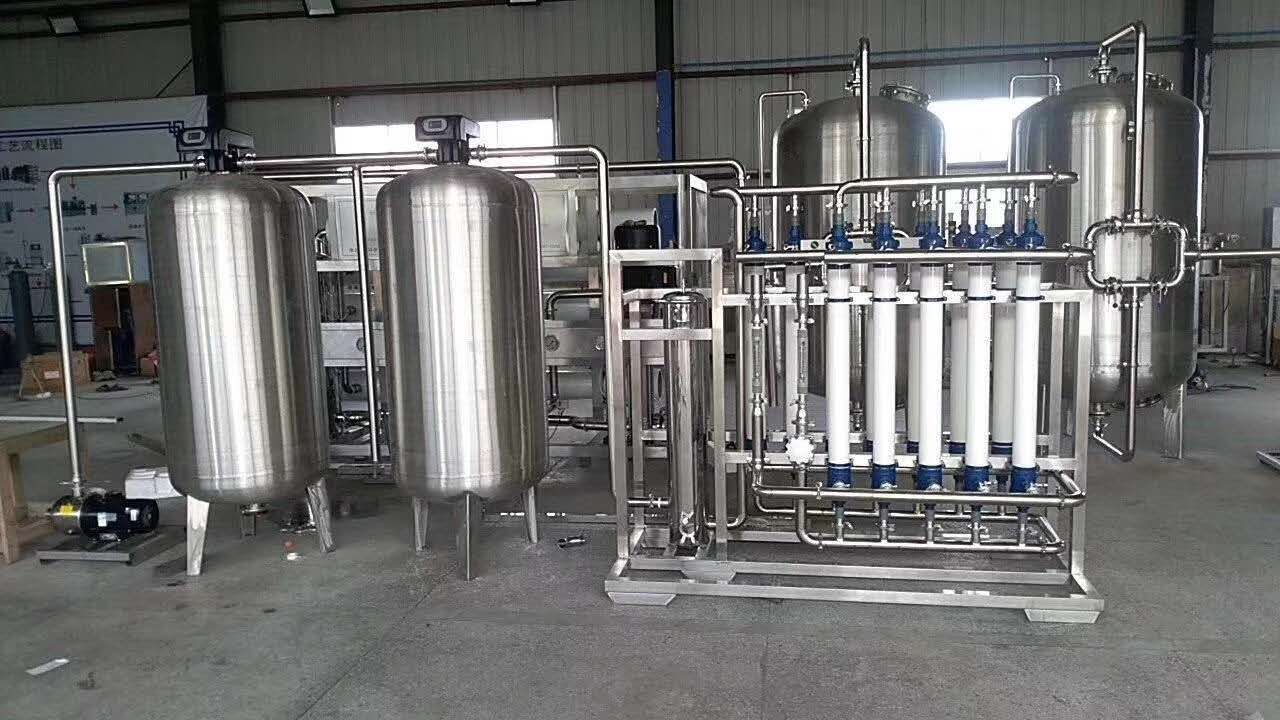
How to Use Real-Time Data for Better Decisions
The solution lies in monitoring actual particle counts using integrated sensors and diagnostic tools. Chuxin Mingwei’s clean air systems include:
- H13 HEPA filtration efficiency (≥99.95% at 0.3 µm)
- Real-time pressure differential monitoring across filters
- Remote-ready interface for continuous data logging
Operators should establish baseline particle counts during stable operation and set alert thresholds (e.g., 10% increase above baseline). When readings exceed thresholds, it signals filter saturation—even if the calendar date hasn’t reached the scheduled change.
Implementation Steps for Daily Operations
- Calibrate Sensors: Ensure particle counters are calibrated per ISO 14644-1 standards before deployment.
- Define Baseline: Record average particle counts during normal, low-activity periods.
- Set Thresholds: Configure alarms at 10–15% above baseline for early warning.
- Log Trends: Use the PLC + HMI system to track particle trends over time.
- Replace Proactively: Replace filters when thresholds are breached—not just when the clock strikes.
This approach aligns with Chuxin Mingwei’s emphasis on long-term maintainability and site-specific engineering. It also supports compliance with internal quality audits and external regulatory expectations.
Key Boundaries and Risks
- Do not skip integrity testing. Even if particle counts remain within range, periodic physical inspection of filter media is required to detect damage or bypasses.
- Avoid over-reliance on automation alone. System alerts must be reviewed by trained personnel; false positives can occur due to sensor drift or temporary disturbances.
- Replacement timing must be documented. Maintenance logs should include both date and measured particle count at time of replacement.
Final Recommendation
For operators managing a Custom Barrelled Water Filling Line or a Bottled Spring Water Production Line, transition from calendar-driven to performance-driven HEPA filter replacement. Use real-time diagnostics and particle count trends—not fixed dates—as your primary decision trigger. This ensures optimal air quality, reduces operational risk, and extends filter life where possible.
To validate your current setup or plan for integration with existing systems, consult Chuxin Mingwei’s technical documentation or request a site-specific assessment based on your facility layout and production profile.