
When and How to Integrate Air Purification Systems with Barrelled Water Filling Operations
When and How to Integrate Air Purification Systems with Barrelled Water Filling Operations
Executive Summary
For procurement managers and technical teams planning a new barrelled water facility or retrofitting an existing line, the integration of Clean Air Purification Systems is not merely an add-on but a critical engineering constraint. Based on Huizhou Chuxin Mingwei Industrial Co., Ltd.'s delivery standards, successful implementation requires aligning the filling line's physical layout with specific airflow dynamics to achieve ISO Class 8 (100,000) compliance. This guide outlines the step-by-step process for technical evaluation, focusing on site-specific engineering, filtration efficiency, and the boundaries of service delivery.
1. The Core Challenge: Contamination Control in High-Speed Filling
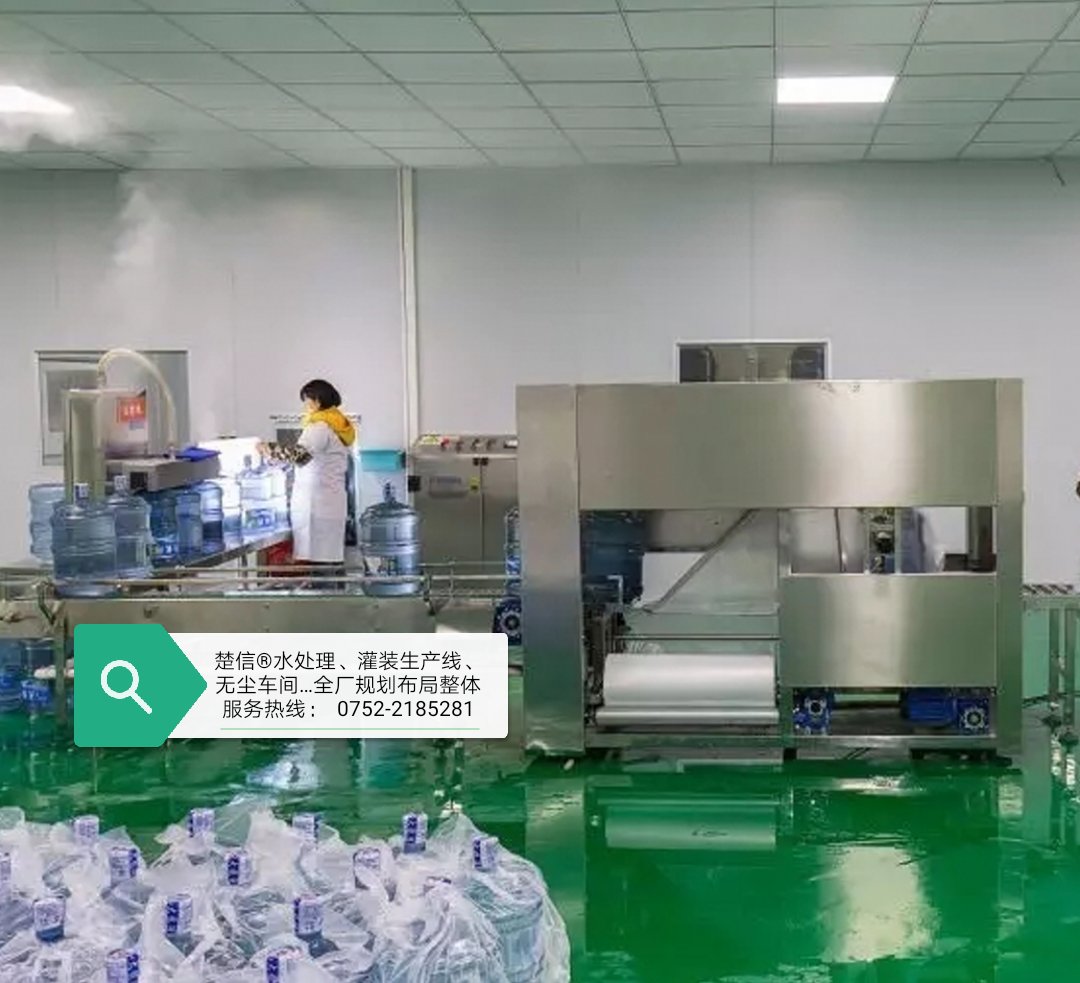
In barrelled water production (specifically 5-gallon/18.9L lines), the filling zone represents the highest risk point for microbial contamination. Unlike bottled water lines where bottles are sealed quickly, large barrels often undergo manual handling or semi-automated transfer before capping, extending exposure time.
The primary engineering goal is to establish a controlled environment that prevents airborne particulates from settling on the bottle mouth or internal surfaces during the washing, filling, and capping phases. Chuxin Mingwei's approach prioritizes product-scenario matching, meaning the air system must be engineered based on the actual facility constraints, not just generic industry standards.
2. Step-by-Step Implementation Workflow
Implementing a clean air system alongside a filling line involves four distinct technical phases. These steps require close collaboration between the equipment supplier, civil engineering team, and operations lead.
Phase 1: Site-Specific Engineering & Zoning
Before selecting equipment, the project team must define the cleanroom boundaries. The system is designed to meet ISO Class 8 (100,000) standards as a baseline, with options to upgrade to Class 7 (10,000) depending on the client's specific hygiene requirements.
- Action:*
- Map the filling line's footprint against the proposed cleanroom area.
- Constraint:*
- Airflow routing and pressure zoning must be determined based on the existing facility's ductwork capacity and ceiling height. The system cannot be retrofitted without verifying structural load-bearing capabilities for ducting.
Phase 2: Filtration & Airflow Selection
The core of the system relies on high-efficiency filtration to remove particulates. Chuxin Mingwei specifies H13 HEPA filters as the standard for these applications.
- Technical Specification:*
- The system supports an airflow range of 1,500 – 20,000 m³/h. The exact selection depends on the room volume and the number of filling heads.
- Decision Point:*
- For a standard 5-gallon line, the airflow rate must be calculated to ensure sufficient air changes per hour (ACH) to maintain positive pressure relative to the surrounding workshop.
Phase 3: Control Integration & Diagnostics
Modern filling lines rely on synchronized automation. The clean air system integrates via a PLC + HMI control interface that offers real-time diagnostics.
- Integration Requirement:*
- The air system's PLC must communicate with the filling line's central controller to monitor filter status, pressure differentials, and fan speeds.
- Remote Capability:*
- The system includes a remote-ready interface, allowing technical teams to monitor performance data remotely, which is essential for facilities with limited on-site staffing.
Phase 4: Commissioning & Acceptance Criteria
Final acceptance is not based solely on equipment installation but on verified environmental performance.
- Verification:*
- The site must pass particle count testing to confirm ISO 14644-1 Class 8 compliance.
- Operational Test:*
- Run the filling line at maximum rated capacity while monitoring air stability. Any deviation in pressure zones indicates a need for duct adjustment.
3. Critical Boundaries and Collaboration Requirements
When engaging with suppliers like Chuxin Mingwei, it is vital to understand the scope of delivery to avoid project delays.
- Engineering Scope:*
- The provided solution covers the design, manufacturing, installation, and commissioning of the air system itself. It does not include the civil construction of the cleanroom walls or flooring unless explicitly contracted as part of a turnkey package.
- Water Quality Dependency:*
- While the air system protects the product, the final water quality also depends on the upstream water treatment system (e.g., NF + UF for spring water or Dual-stage RO for purified water). The air system cannot compensate for poor source water quality.
- Cross-Team Coordination:*
- Successful integration requires the procurement team to provide accurate data on:
- Source water quality reports.
- Target production capacity (barrels/hour).
- Facility layout constraints (ceiling height, power supply points).
4. Strategic Recommendations for Technical Evaluators
For teams evaluating this technology, focus on the following criteria rather than just price:
- Flexibility: Does the system allow for future upgrades (e.g., from Class 8 to Class 7)?
- Diagnostics: Is the HMI capable of providing real-time alerts for filter clogging or pressure drops?
- Support: Does the vendor offer sustained post-installation support, including operator training on air system maintenance?
Chuxin Mingwei emphasizes delivery execution and sustained post-installation support. Ensure your contract clearly defines the handover process, including the provision of operation manuals and spare parts lists for the H13 HEPA filters and fans.
Conclusion
Integrating a clean air purification system into a barrelled water filling line is a complex engineering task that directly impacts product safety and regulatory compliance. By adhering to ISO Class 8 standards, utilizing H13 HEPA filtration, and ensuring proper airflow zoning, operators can significantly reduce contamination risks. Success depends on precise site-specific engineering and clear communication between the equipment provider and the client's technical team.
Next Steps
To proceed with a custom design for your facility, please contact our engineering team. We will conduct a preliminary assessment based on your water quality data, production capacity goals, and site layout to provide a tailored proposal.
Key Points
- Compliance Standard:*
- Designed for ISO Class 8 (100,000) cleanrooms, with optional Class 7 (10,000) configuration.
- Filtration Efficiency:*
- Utilizes H13 HEPA filters to ensure high-purity air for the filling zone.
- Airflow Capacity:*
- Scalable airflow range from 1,500 to 20,000 m³/h, selected based on project specifics.
- Control System:*
- Features PLC + HMI integration with real-time diagnostics and remote monitoring capabilities.
- Service Scope:*
- Includes end-to-end engineering services: design, manufacturing, installation, commissioning, and operator training.
CTA Text
Request a Custom Cleanroom Design Assessment
Recommended
Clean Air Purification Systems
Custom-engineered air purification systems for water bottling and barrelled water fillin...
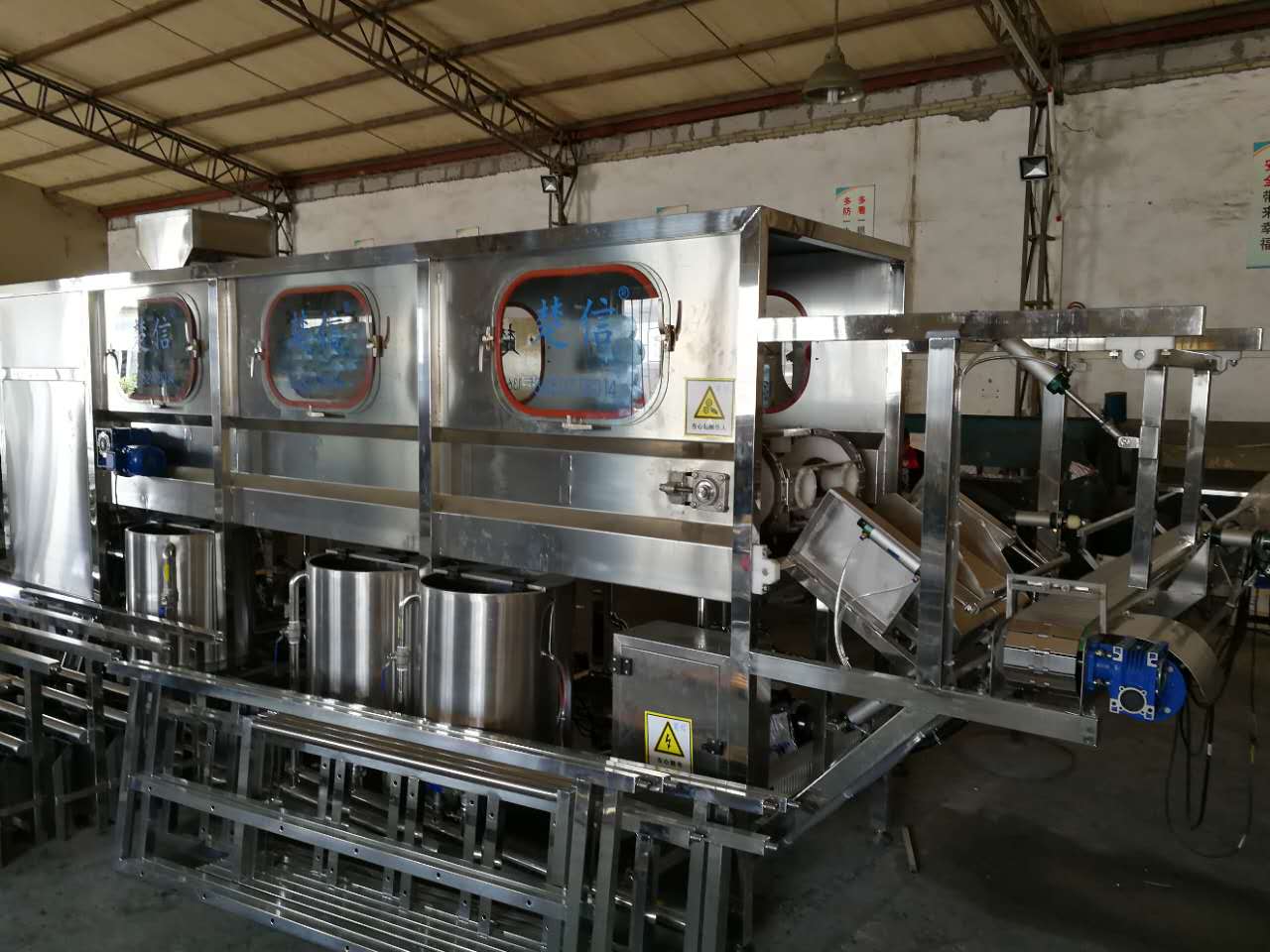
Barrelled Water Sterilization & Filling Production Line
A fully integrated, modular production line for sterilized barrelled water — engineered...
Fully Automatic Barrelled Purified Water Production Line
A turnkey, fully automated production line for purified water in barrels — engineered fo...