
When Does a Barrel-Wrapping Station Require Dedicated Airflow Zoning Separate from the Main Filling Cleanroom?
When Does a Barrel-Wrapping Station Require Dedicated Airflow Zoning?
For procurement managers and compliance leads overseeing beverage and pharmaceutical production facilities, the decision to isolate a barrel-wrapping station from the main filling cleanroom is often misunderstood. A common misconception is that if the entire facility meets ISO Class 8 (100,000) standards, no further zoning is required. However, effective contamination control relies on layout-driven risk assessment, not just nominal classification.
At Chuxin Mingwei, our engineering team designs Clean Air Purification Systems that integrate seamlessly with water treatment and filling lines. The necessity for dedicated airflow zoning at the wrapping stage arises from specific operational variables: particulate generation from packaging materials, thermal loads from shrink tunnels, and the directional flow of personnel and logistics.
Core Decision Criteria: Layout-Driven Risk vs. Nominal Class
The primary determinant for separating the wrapping station is whether the packaging process introduces risks that the main filling room's HVAC system cannot mitigate without compromising the sterile core. Based on our project delivery experience, dedicated zoning is required under the following conditions:
1. High Particulate Generation from Packaging Materials
Barrel wrapping involves handling large volumes of plastic film, cardboard sleeves, and shrink labels. The mechanical action of unrolling, cutting, and shrinking these materials generates significant non-viable particulates (dust and micro-plastics).
If the wrapping operation occurs in the same air volume as the filling capping unit—where bottle mouths are exposed even for milliseconds—these particulates pose a direct contamination risk. In such scenarios, we engineer a negative pressure zone or a physically separated enclosure for the wrapping station. This ensures that airflow moves from the high-purity filling zone toward the packaging zone, preventing back-migration of dust.
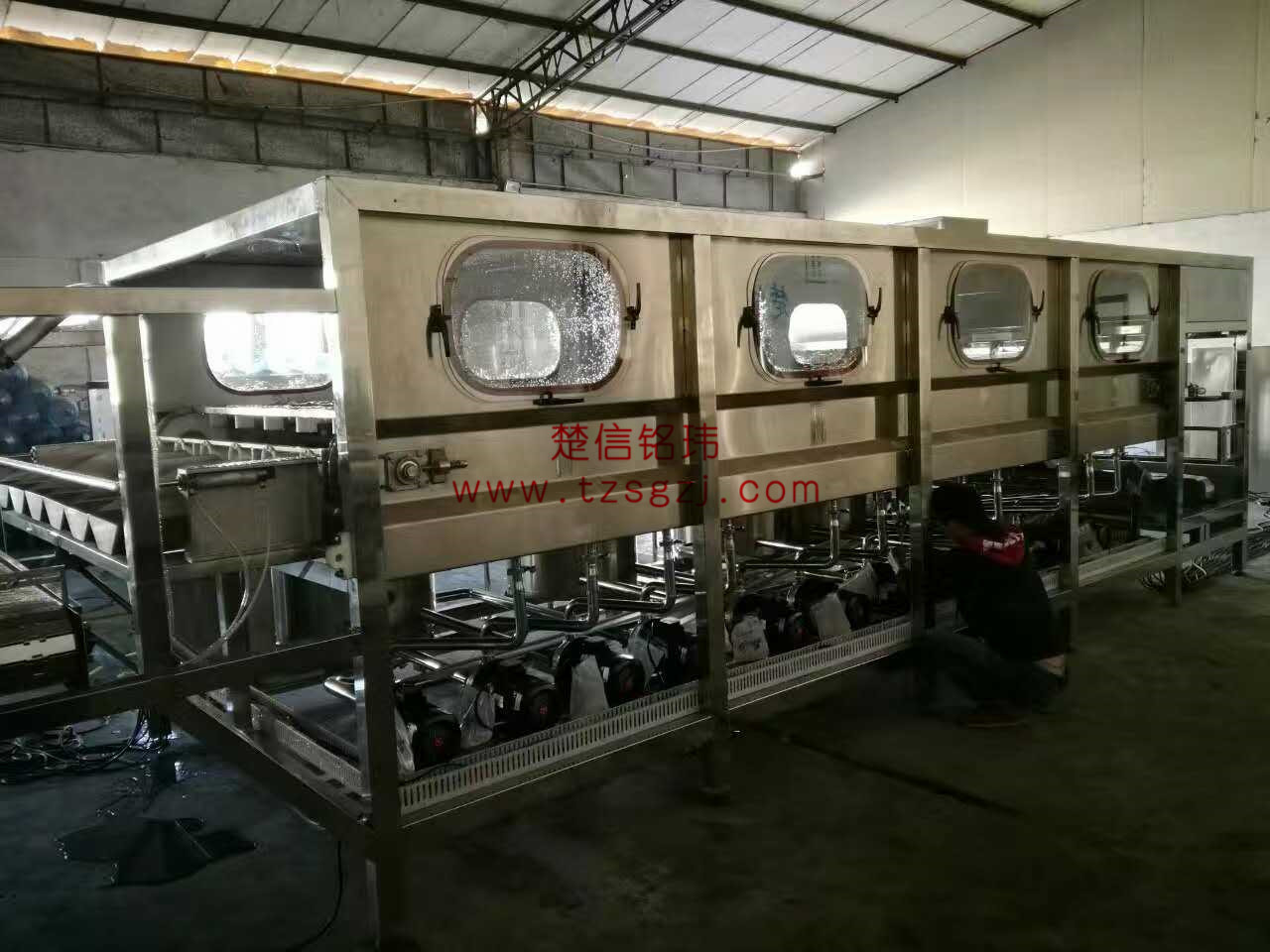
2. Thermal Loads and Airflow Disruption
Shrink-wrapping processes typically utilize heat tunnels or steam generators. These units create localized thermal updrafts that can disrupt the laminar or turbulent airflow patterns designed for the ISO Class 8 environment.
Standard cleanroom HVAC systems are calibrated for stable thermal conditions. Introducing a heat source without isolation can cause convection currents that carry contaminants from the floor or walls into the critical filling area. Our site-specific engineering approach calculates these thermal loads explicitly. If the heat output exceeds the buffering capacity of the main air handling unit, a dedicated exhaust and supply system for the wrapping zone becomes mandatory.
3. Divergent Logistics and Personnel Flow
In many facilities, the entry point for bulk packaging materials differs from the entry point for pre-cleaned bottles or caps. If the logistics path for dirty outer packaging crosses the path of sterile components, a single air zone is insufficient.
Chuxin Mingwei's design protocol mandates pressure zoning where material flows intersect. By creating a buffer zone with intermediate pressure settings, we ensure that personnel moving between the warehouse and the wrapping station do not compromise the hygiene of the filling line. This is particularly critical for clients in the pharmaceutical and high-end beverage sectors, where audit trails require strict segregation of "dirty" and "clean" workflows.
Implementation Boundaries and Technical Specifications
When a dedicated zone is deemed necessary, the implementation follows strict technical boundaries to ensure compliance and energy efficiency:
- Filtration Efficiency:*
- The dedicated zone typically utilizes H13 HEPA filtration, matching the core cleanroom standard but with independent duct routing to manage specific contaminant loads.
- Airflow Range:*
- Depending on the scale of the wrapping line, airflow requirements are calculated individually, often ranging from 1,500 to 20,000 m³/h. This project-specific selection prevents over-sizing the main plant HVAC while ensuring adequate air changes in the packaging alcove.
- Control Integration:*
- Modern facilities require unified monitoring. Our systems feature PLC + HMI control with real-time diagnostics. Even when zoned separately, the wrapping station's pressure differentials and particle counts are monitored via a remote-ready interface, allowing operations leads to view the entire facility status on a single dashboard.
Cross-Team Collaboration for Validation
Validating the need for zoning is a collaborative effort involving process engineers, HVAC specialists, and compliance officers. The decision matrix should not rely on generic rules of thumb but on a site-specific engineering review of:
- Source Water & Product Sensitivity: While the water treatment process (e.g., Dual-stage RO or NF+UF) ensures liquid purity, the final package integrity is vulnerable to airborne particles during the capping and immediate post-capping phase.
- Packaging Format: Larger formats like 18.9L barrels often require more aggressive mechanical handling and larger film rolls than small PET bottles, increasing the potential for particulate shedding.
- Facility Constraints: Existing building columns, ceiling heights, and utility corridors may dictate whether a physical wall or an air curtain is the most viable separation method.
Conclusion and Next Steps
Dedicated airflow zoning for barrel-wrapping stations is not an automatic requirement for every facility, but it is a critical safeguard when layout-driven risks threaten the stability of your ISO Class 8 environment. Ignoring these factors can lead to failed microbial tests, product recalls, and inefficient energy consumption.
Chuxin Mingwei specializes in translating these complex operational contexts into engineered realities. Our Clean Air Purification Systems are designed not as standalone products, but as integrated components of your broader water treatment and filling strategy. We prioritize long-term maintainability and delivery execution, ensuring that your zoning strategy holds up under daily production pressures.
If your project involves integrating new packaging lines into an existing cleanroom or designing a greenfield facility, contact our technical team. We will conduct a site-specific risk assessment to determine the optimal zoning configuration for your production capacity and compliance targets.
Recommended
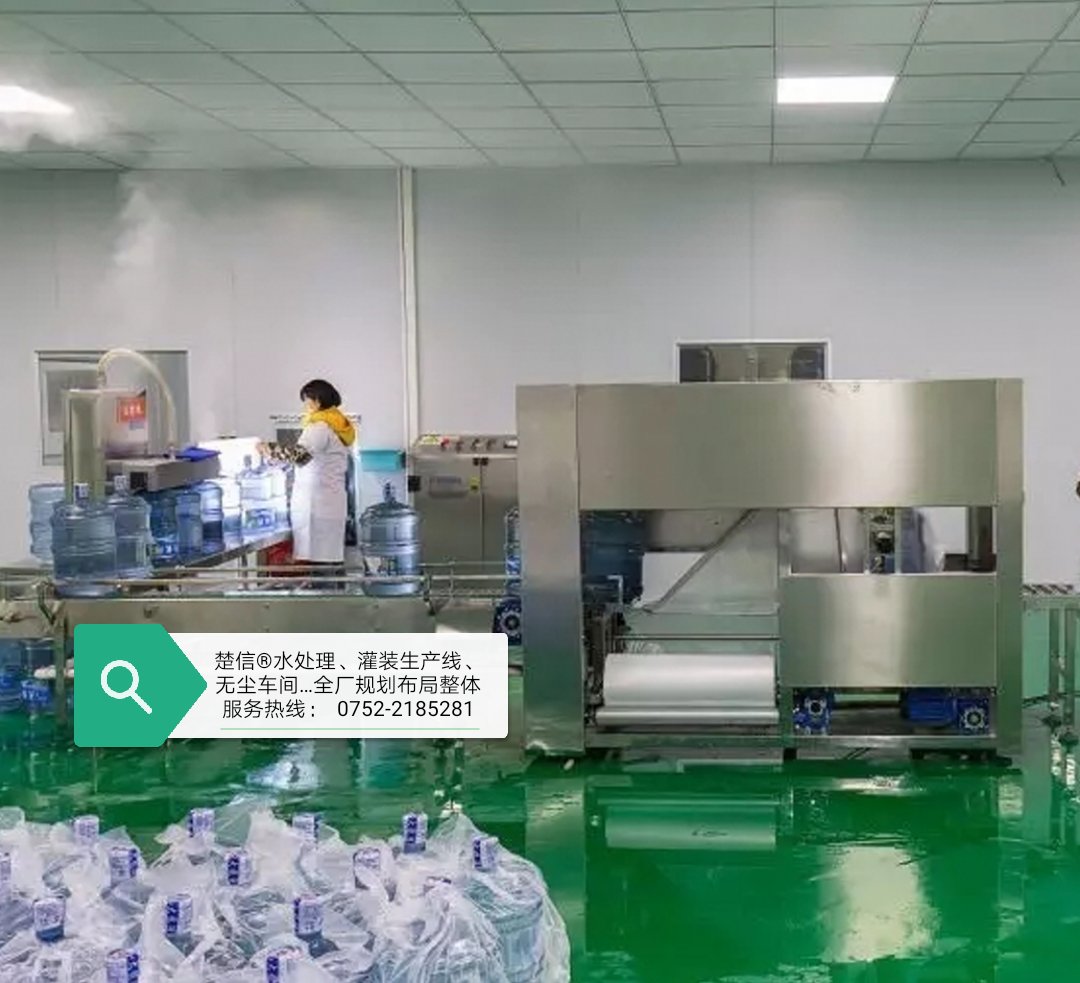
Clean Air Purification Systems
Custom-engineered air purification systems for water bottling and barrelled water fillin...
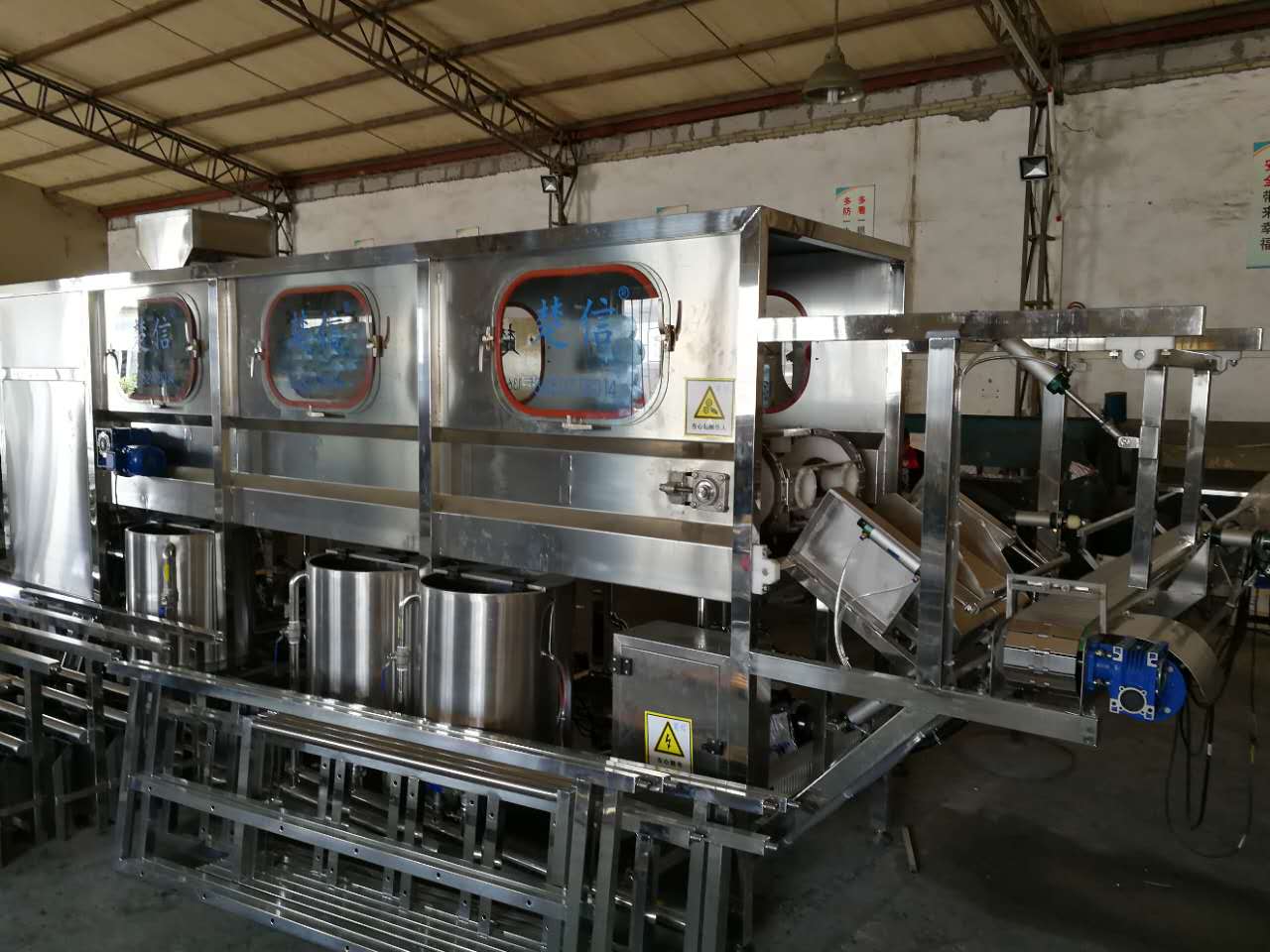
Barrelled Water Sterilization & Filling Production Line
A fully integrated, modular production line for sterilized barrelled water — engineered...
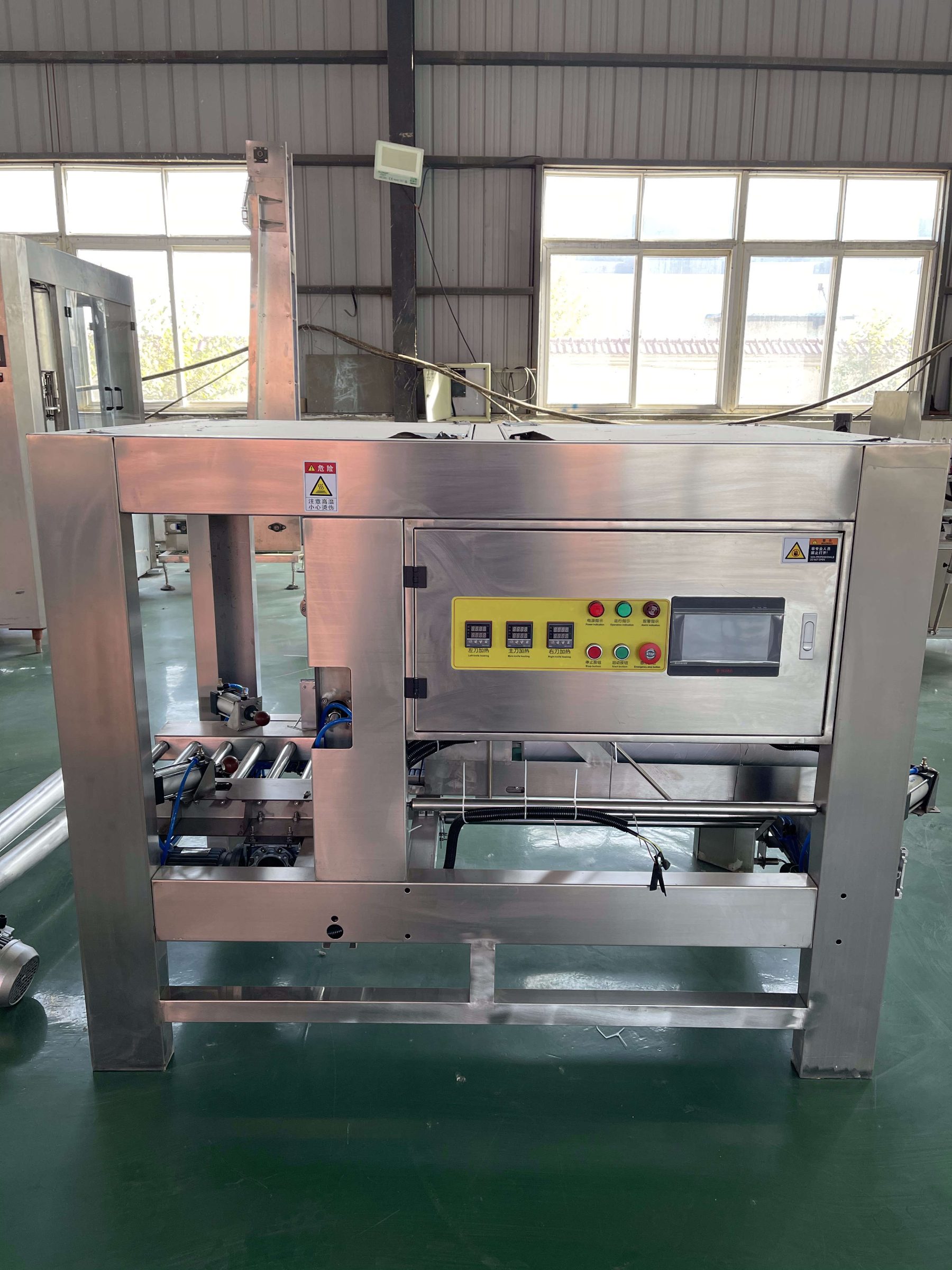
Automatic Barrel-Wrap Packaging Machine for Drinking Water
A fully automated, food-grade barrel-wrapping solution engineered for bottled water prod...