
Expanding Hygiene Standards for Barrel Water Filling Lines: Practical Implementation for Industrial Producers
Introduction
For beverage, food, and pharmaceutical producers, expanding hygiene standards for barrel water filling lines is essential to maintaining product integrity and meeting industry expectations. As production scales and regulations evolve, hygiene protocols must be adapted to real-world conditions, facility constraints, and equipment capabilities. This article provides a focused breakdown of hygiene expansion requirements, implementation boundaries, and actionable steps tailored to industrial water filling operations.
Who Benefits from Expanding Hygiene Standards?
Procurement managers, operations leads, and digital project teams in beverage, food, pharmaceutical, and industrial sectors benefit most from enhanced hygiene standards. These stakeholders are tasked with selecting and managing filling equipment that aligns with both internal quality benchmarks and external compliance frameworks. Expanding hygiene standards ensures that production lines remain adaptable, maintainable, and aligned with evolving operational needs.
Core Areas for Expanding Hygiene Standards
1. Cleanroom Air Quality
Airborne contamination remains a key risk in water filling environments. Clean air systems must be engineered to support ISO Class 8 (100,000) standards, with site-specific airflow, pressure zoning, and HEPA filtration. These systems should integrate with filling line operations to maintain a controlled environment throughout the production cycle.
2. Material Contact Surfaces
All components that come into contact with water—such as filling valves, pipelines, and tanks—must be constructed from food-grade materials and designed for easy cleaning and sterilization. Smooth, non-reactive surfaces are essential to prevent microbial buildup and ensure long-term hygiene performance.
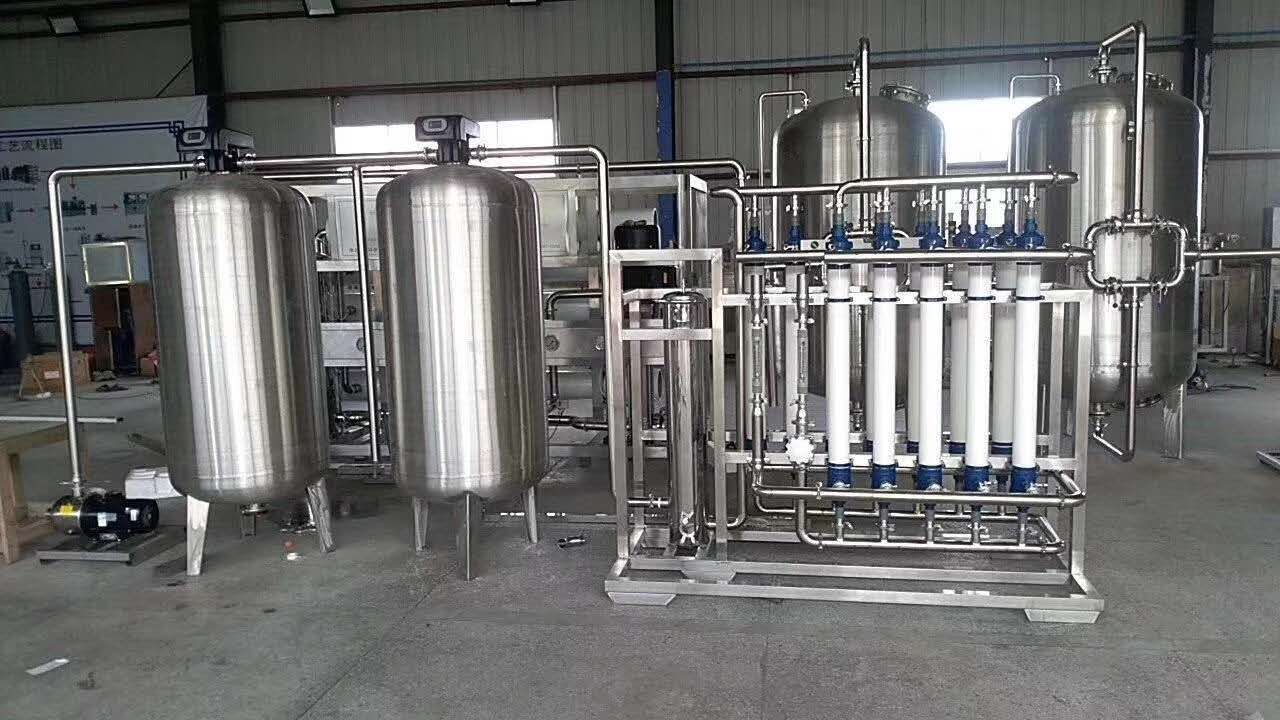
3. CIP (Clean-in-Place) Integration
Expanding hygiene standards must include robust CIP integration. Automated cleaning systems reduce manual intervention, ensure consistent sanitation, and minimize downtime. CIP systems should be designed to match the specific layout and complexity of the filling line.
4. Bottle Washing and Sterilization Protocols
Empty bottles must undergo thorough washing and sterilization before filling. Integrated bottle washing-filling-capping units should support high hygiene standards through precise washing cycles and compatible sterilization methods such as UV or ozone treatment.
5. Operator Training and Standardized Procedures
Human factors play a critical role in hygiene management. Expanding hygiene standards must include comprehensive operator training and clearly defined SOPs to ensure consistent adherence to hygiene protocols during daily operations and maintenance activities.
Implementation Boundaries and Practical Considerations
- Facility Constraints: The physical layout of the filling area must support hygiene expansion, including zoning for clean and contaminated zones, proper drainage, and minimized cross-contamination risks.
- Water Source Variability: The initial water quality significantly influences purification and hygiene requirements. Systems must be engineered based on actual source water characteristics to ensure consistent output quality.
- Regulatory Adaptability: Depending on the region and industry, hygiene standards may vary. Equipment and processes must be adaptable to meet local and international compliance frameworks.
Steps to Expand Hygiene Standards in Your Filling Line
- Evaluate Current Hygiene Practices: Conduct a detailed audit of existing hygiene protocols, equipment compatibility, and facility layout.
- Identify Gaps and Expansion Needs: Determine where current standards fall short and what upgrades are necessary to meet evolving hygiene expectations.
- Select Compatible Equipment and Systems: Choose systems that support expanded hygiene standards, such as clean air solutions, CIP integration, and automated washing-filling units.
- Implement and Validate: Install and test upgraded systems, ensuring they align with operational needs and hygiene goals.
- Train and Monitor: Provide ongoing training for operators and establish monitoring protocols to ensure sustained hygiene performance.
Conclusion
Expanding hygiene standards for barrel water filling lines is not just a compliance exercise—it is a strategic move to ensure product safety, operational efficiency, and consumer trust. By addressing real-world conditions and aligning with equipment capabilities, industrial producers can enhance hygiene performance across their filling operations.
Call to Action
Ready to enhance hygiene standards in your barrel water filling line? Contact Chuxin Mingwei to explore how our custom-engineered solutions can support your hygiene expansion goals and ensure long-term operational success.