
When ISO Class 8 Cleanroom Specs Are Insufficient for Water Bottling Hygiene Compliance
When ISO Class 8 Cleanroom Specs Are Insufficient for Water Bottling Hygiene Compliance
For procurement managers and operations leads in the beverage sector, selecting an Industrial Clean Air Solution often begins with a specific number: ISO Class 8 (100,000). While this standard represents a widely accepted baseline for general manufacturing, it frequently proves insufficient for the rigorous hygiene demands of modern bottled spring water production lines and fully automatic bottled purified water filling lines.
The risk is not merely about having a "clean" room; it is about maintaining that cleanliness during high-speed operations where bottle handling, capping, and filling create dynamic airflow disruptions. If your facility relies solely on static certification without considering system integration, you face significant compliance gaps.
The Limitations of Static ISO Class 8 Ratings
An ISO Class 8 rating defines the maximum allowable particle count per cubic meter under static conditions. However, water bottling operations are inherently dynamic. As Chuxin Mingwei's engineering data indicates, our Clean Air Purification Systems are designed to meet ISO Class 8 standards but are explicitly engineered to be upgradable to Class 7 (10,000) when operational realities demand higher protection.
Relying exclusively on a Class 8 specification creates three primary risks:
- Airflow Disruption at High Speed: Automated filling lines operating at capacities of 200–2,500 bottles/hour generate significant turbulence. Standard Class 8 designs may fail to maintain positive pressure zones around critical filling points, allowing unfiltered air to enter the sterile zone during peak throughput.
- Inadequate Filtration for Microbial Control: While H13 HEPA filters are standard, the efficiency of the entire system depends on the balance between airflow volume and filtration area. In scenarios involving spring water, where mineral retention is critical alongside sterility, the air environment must support the delicate balance of the purification process without introducing particulate contamination.
- Maintenance Access Blind Spots: A cleanroom can be certified today but compromised tomorrow if maintenance access is poor. If duct routing or pressure zoning prevents technicians from cleaning critical surfaces without breaking the seal, the system degrades rapidly.
Integration Boundaries: Air Systems vs. Filling Lines
The most common failure point in compliance is treating the air system as a standalone component rather than an integrated part of the water treatment and filling production line.
Scenario: The Spring Water Bottling Line
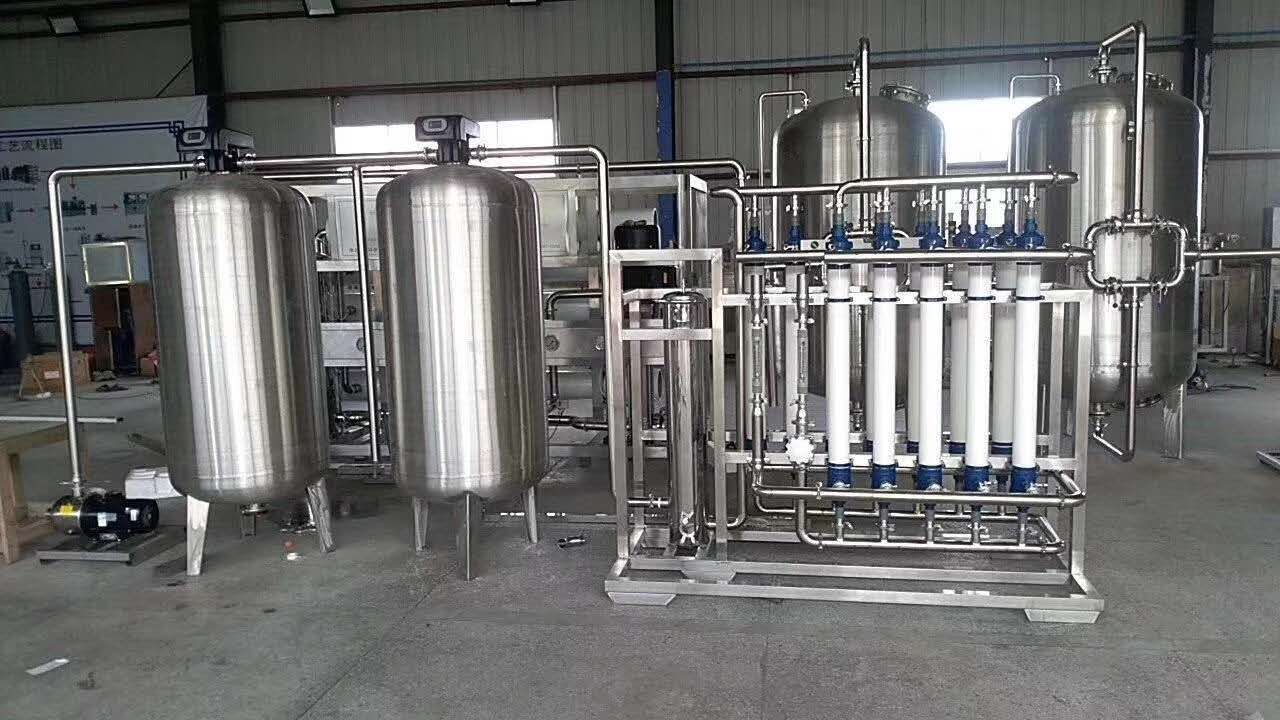
Consider a facility producing 18.9L bottled spring water. The raw water undergoes a dual-membrane NF + UF process to retain minerals while removing contaminants. If the filling hall air quality fluctuates due to inadequate airflow management, the final product—already treated to precise standards—can be re-contaminated during the capping phase.
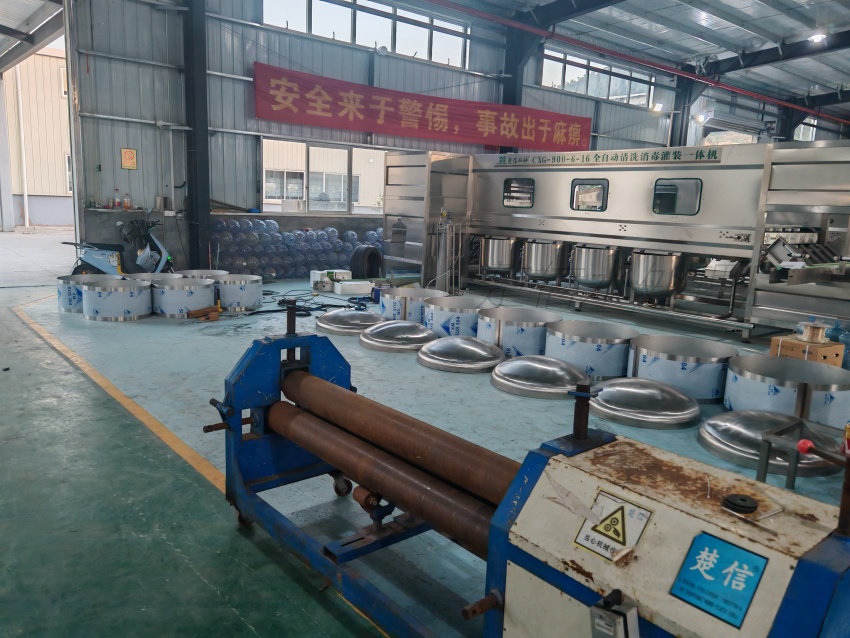
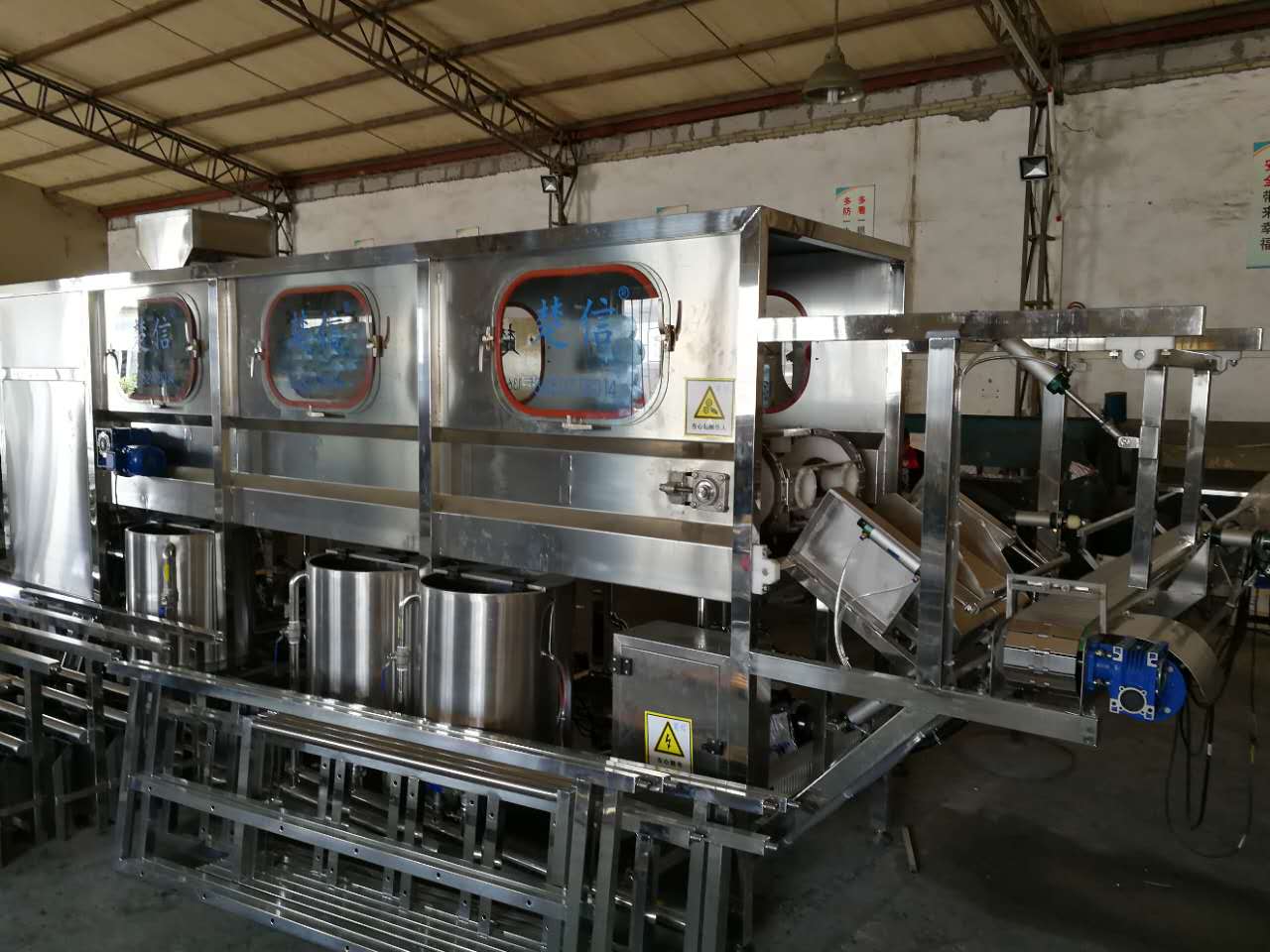
Our Fully Automatic Bottled Spring Water Filling Line integrates bottle washing, filling, and capping into a synchronized workflow. The air purification system must match this rhythm. If the air supply cannot handle the heat load generated by motors or the dust load from bottle handling, the ISO rating becomes theoretical rather than operational.
Scenario: The Purified Water Line
For bottled purified water, the process involves dual-stage RO reverse osmosis combined with ozone and UV sterilization. Here, the air system must prevent external particulates from interfering with the sensitive UV lamps and ozone generators. A static Class 8 design often lacks the real-time diagnostics required to detect pressure drops or filter breaches before they impact the product.
Decision Criteria: When to Upgrade Beyond Class 8
Compliance officers should evaluate their current or planned facilities against these specific triggers. If any apply, a standard ISO Class 8 solution is likely insufficient, and an upgrade to Class 7 or a custom-engineered configuration is necessary.
| Trigger Condition | Risk Implication | Recommended Action |
|---|---|---|
| High-Speed Operations (>1,500 bottles/hr) | Turbulence exceeds standard ventilation recovery rates. | Upgrade to Class 7 (10,000) with enhanced airflow velocity. |
| Complex Bottle Handling (e.g., 18.9L barrels) | High physical interaction increases particulate generation. | Optimize pressure zoning and duct routing specifically for barrel handling zones. |
| Remote Monitoring Requirements | Inability to detect failures until after a batch is compromised. | Select systems with remote-ready interfaces and real-time diagnostics. |
Implementation Boundaries and Service Scope
It is critical to understand the boundaries of what a clean air system provides versus what requires site-specific engineering.
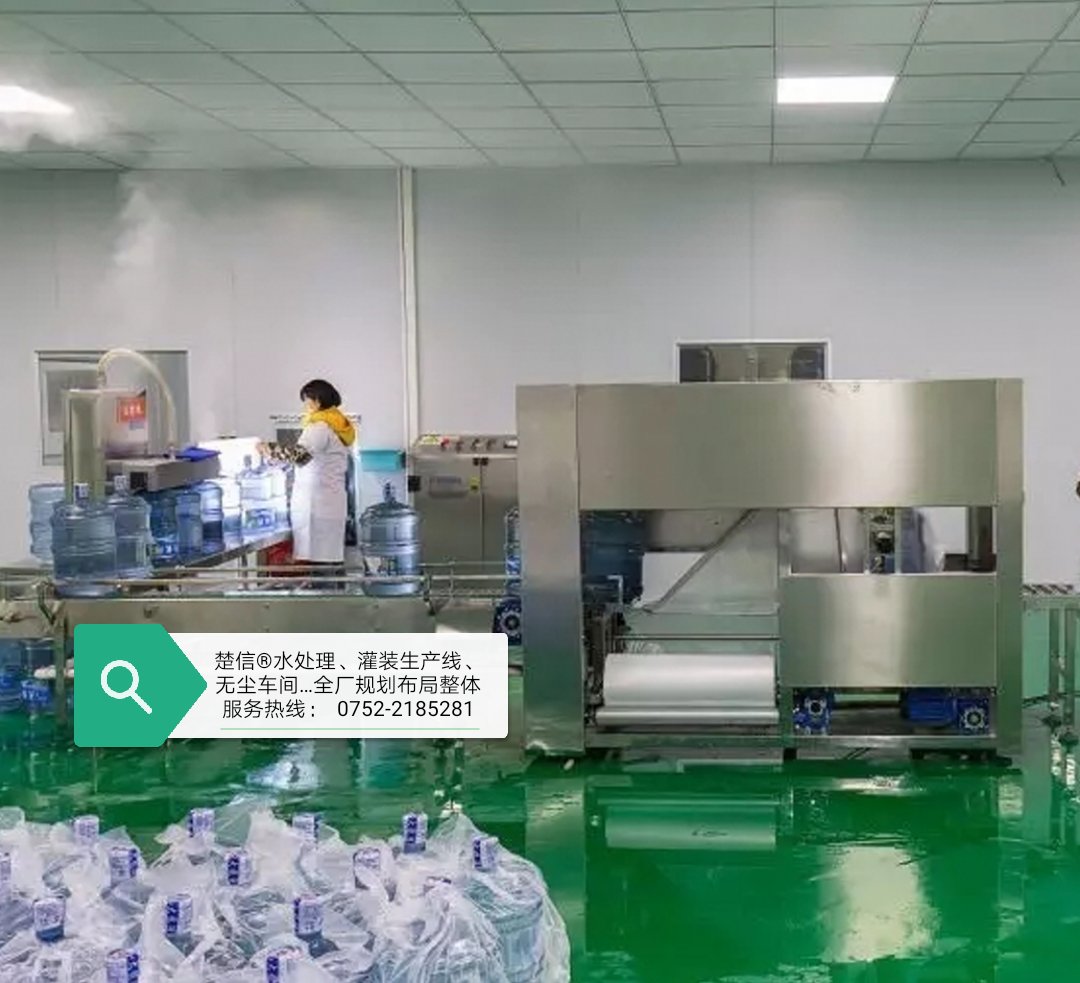
- What We Deliver: Custom-engineered air purification systems featuring H13 HEPA filtration, airflow ranges from 1,500 to 20,000 m³/h, and control systems with PLC + HMI for real-time diagnostics. These systems are designed to integrate seamlessly with your existing water treatment systems and filling lines.
- What Requires Site Engineering: Airflow patterns, duct routing, and pressure zoning are not generic. They must be calculated based on your specific facility layout, equipment placement, and production capacity. A "one-size-fits-all" approach fails here.
- Certification Reality: While we design to ISO 14644-1 Class 8 standards with optional Class 7 configurations, final certification depends on the installation quality and the specific operational environment. We do not fabricate certifications; we engineer systems that enable them.
Next Steps for Compliance and Scale
If your current facility is struggling with compliance audits or if you are planning a scale-up project, do not assume that a standard air filter is sufficient. The risk lies in the gap between static specifications and dynamic reality.
To ensure your bottled spring water or purified water operations meet the highest hygiene standards:
- Audit Your Current Airflow: Evaluate if your current system can handle peak production speeds without compromising pressure zones.
- Define Your Target Class: Determine if ISO Class 8 meets your regulatory needs or if Class 7 is required for your specific product type.
- Request a Site-Specific Design: Engage with our engineering team to map your filling line requirements against air purification capabilities.
Chuxin Mingwei provides end-to-end engineering services, from design to commissioning, ensuring your air systems are not just compliant on paper but robust in operation.
Contact Our Engineering Team
Ready to validate your cleanroom strategy? Contact us to discuss your specific production capacity, bottle types, and hygiene requirements. We will provide a tailored assessment of whether your current setup meets ISO standards or requires an upgrade to ensure long-term stability and compliance.
Contact Us for a Custom Air System Assessment
Recommended
Bottled Spring Water Filling Production Line
Chuxin Mingwei’s customized bottled spring water filling production line is specifically...
Clean Air Purification Systems
Custom-engineered air purification systems for water bottling and barrelled water fillin...
Barrelled Water Sterilization & Filling Production Line
A fully integrated, modular production line for sterilized barrelled water — engineered...