
Strategic Upgrade Checklist: Retrofitting Bottled Water Lines with Automation and Clean Air Systems
Strategic Upgrade Checklist: Retrofitting Bottled Water Lines with Automation and Clean Air Systems
For procurement managers and enterprise owners in the beverage, food, and pharmaceutical sectors, upgrading an existing production line is rarely a simple equipment swap. It is a complex engineering challenge that requires balancing legacy facility constraints with modern automation standards. Whether you are running a bottled spring water production line or a fully automatic bottled purified water filling line, the goal of a retrofit is to enhance stability, ensure regulatory compliance, and maximize throughput without disrupting ongoing operations.
This guide provides a decision checklist for owners planning to replace or upgrade aging infrastructure. It focuses on the specific technical realities of integrating Chuxin Mingwei's custom-engineered solutions into existing sites.
1. Must-Have Criteria: Defining the Scope of Retrofit
Before selecting new machinery, you must define the boundaries of your current facility. A successful upgrade depends on mapping new capabilities to existing physical and operational limits.
A. Facility Constraints and Layout Compatibility
Existing factories often have fixed dimensions, ceiling heights, and utility access points that limit new equipment placement.
- Site-Specific Engineering:*
- Do not assume standard configurations will fit. Upgrades must be engineered based on actual site constraints, including airflow routing, ducting, and pressure zoning.
- Integration Points:*
- New filling lines must synchronize with existing bottle washing stations, upstream water treatment, and downstream packaging (labeling, coding, palletizing). The transition between old and new segments must minimize manual intervention to prevent contamination.
B. Purification Process Matching
The core of any water line upgrade is the purification system. You cannot simply install a generic RO unit; the process must match your source water quality and target product standards.
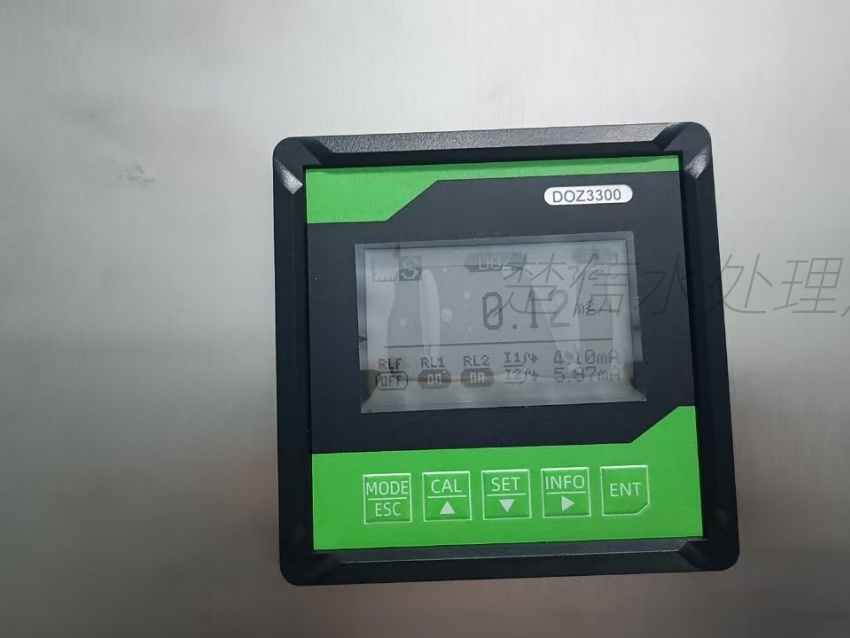
- Spring Water vs. Purified Water:*
- For spring water filling equipment, the priority is retaining natural minerals while ensuring safety. A dual-membrane NF (Nanofiltration) + UF (Ultrafiltration) process is often required to balance purification efficiency with mineral retention.
- Deep Purification Requirements:*
- For bottled purified water, a two-stage RO reverse osmosis process combined with ozone and UV sterilization (254 nm) is the industry standard for deep purification. Ensure the retrofit includes multi-media filtration, activated carbon, and precise dosing systems to protect membrane integrity.
C. Clean Air Compliance
Upgrading the filling line often reveals gaps in environmental control. If your facility targets ISO Class 8 (100,000) or higher standards, the air system must be integrated with the new line.
- Filtration Standards:*
- Verify that the retrofit includes H13 HEPA filtration capable of handling airflow ranges from 1,500 to 20,000 m³/h based on project-specific needs.
- Real-Time Diagnostics:*
- Modern upgrades should include PLC + HMI control systems with real-time diagnostics to monitor pressure differentials and filter status, ensuring continuous compliance.
2. Optional Factors: Enhancing Efficiency and Intelligence
Once the core requirements are met, consider these value-add features to future-proof your investment.
- Intelligent Control Systems:*
- Move beyond basic automation to PLC-based intelligent control systems that offer remote-ready interfaces. This allows for predictive maintenance and faster troubleshooting.
- Flexible Bottle Handling:*
- If your market demands frequent SKU changes, look for lines compatible with multiple bottle sizes (e.g., 18.9 L, 11.3 L, 5 L) with quick-change tooling to reduce downtime during format switches.
- Capacity Scalability:*
- Ensure the rated output capacity (e.g., 200–1,800 bottles/hour for spring water lines) can be scaled or adjusted to meet peak demand without compromising fill accuracy (≤ ±2 mL).
3. Implementation Risks and Boundaries
Retrofitting carries inherent risks that must be managed through rigorous planning.
- Utility Load Balancing:*
- Adding high-capacity pumps, compressors, or air handlers may exceed existing electrical or compressed air capacities. Conduct a full utility audit before installation.
- Process Continuity:*
- During the transition, ensure there is a buffer strategy for raw water storage and finished goods to maintain supply continuity if the old line must remain partially operational.
- Hygiene Integrity:*
- When connecting new filling heads to old conveyors, pay close attention to "dead legs" and cleaningblind spot (cleaning dead zones) where bacteria can accumulate. The new system must support CIP (Clean-in-Place) protocols compatible with your sanitation standards.
4. Long-Term Support and Maintenance
The success of a retrofit is defined by its performance five years down the line.
- Operator Training:*
- New automation requires skilled operators. Ensure the vendor provides comprehensive training on the new PLC interface, fault diagnosis, and routine maintenance procedures.
- Sustained After-Sales Support:*
- Choose a partner who emphasizes delivery execution and sustained post-installation support. This includes spare parts availability, remote diagnostics, and on-site technical assistance.
- Warranty and Service Level Agreements:*
- Clearly define response times and service boundaries in your contract. Avoid vague promises; specify exact support scopes for mechanical, electrical, and software components.
Conclusion
Upgrading an existing production line is a strategic investment that requires more than just buying new machines. It demands a holistic approach that integrates custom water treatment systems, automated filling lines, and clean air support systems tailored to your specific site conditions. By rigorously applying this checklist—focusing on facility constraints, process matching, and long-term support—you can transform an aging line into a stable, compliant, and efficient asset.
At Chuxin Mingwei, we specialize in delivering end-to-end engineering services designed to adapt to your unique challenges. From design to commissioning, our focus remains on stability, applicability, and long-term maintainability.
Next Steps
Ready to evaluate your current line's upgrade potential? Contact our engineering team to discuss your specific facility constraints and water quality data. We will provide a preliminary assessment and a customized solution roadmap.
[Contact Our Engineering Team Today]
When defining the scope of retrofit, it is critical to distinguish between water types, as spring water filling equipment prioritizes retaining natural minerals while ensuring safety, whereas purified water lines require specific purification processes like reverse osmosis. Furthermore, selecting a three-in-one machine for rinsing, filling, and capping requires careful consideration of bottle specifications, cap types (such as plastic, sports, or aluminum), and hygiene controls, as these units are typically designed for non-carbonated waters like pure or mineral water.
Recommended
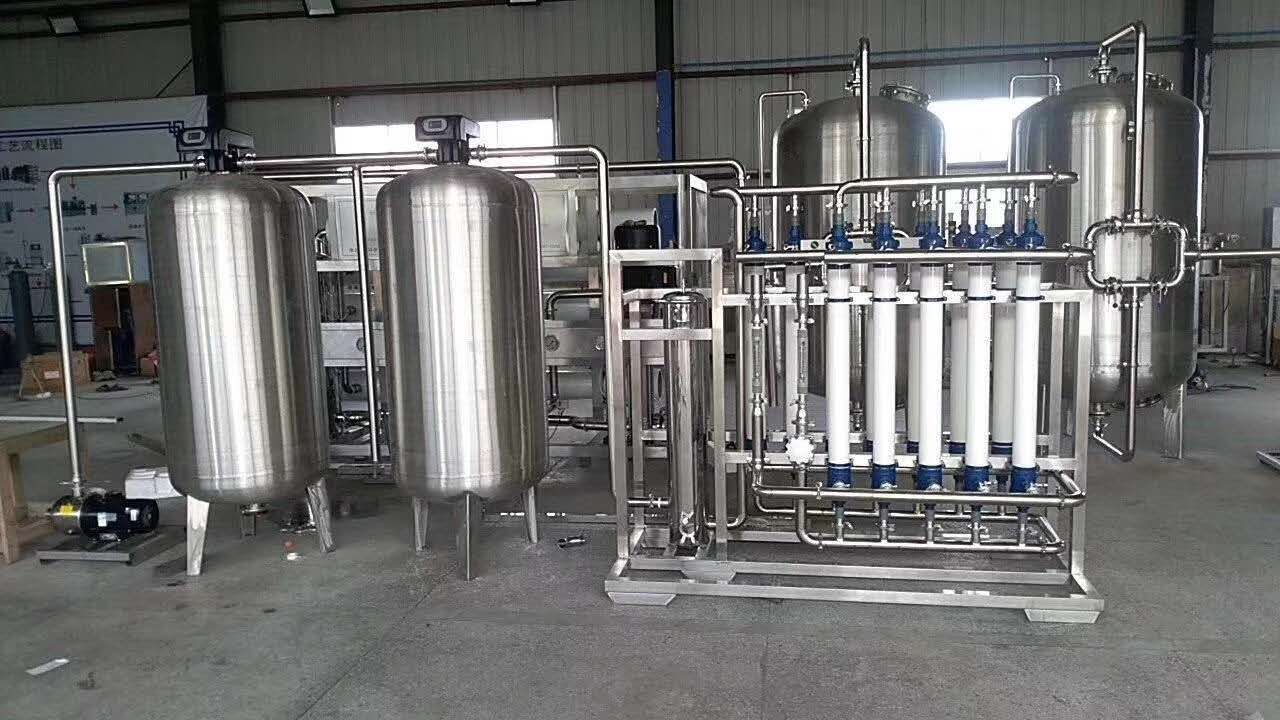
Bottled Spring Water Filling Production Line
Chuxin Mingwei’s customized bottled spring water filling production line is specifically...
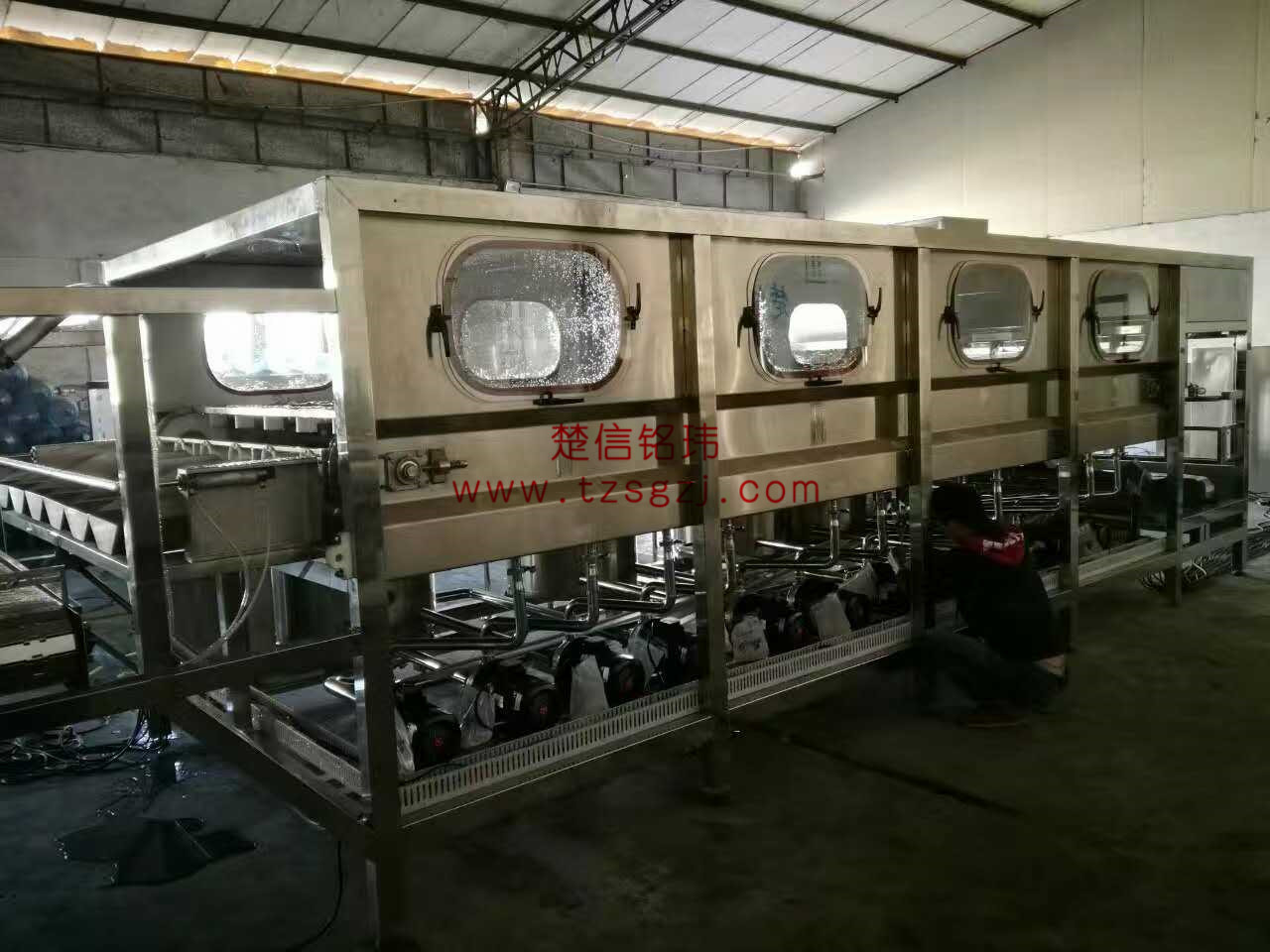
Fully Automatic Bottled Purified Water Filling Production Line
Chuxin Mingwei’s customized fully automatic bottled purified water filling production li...
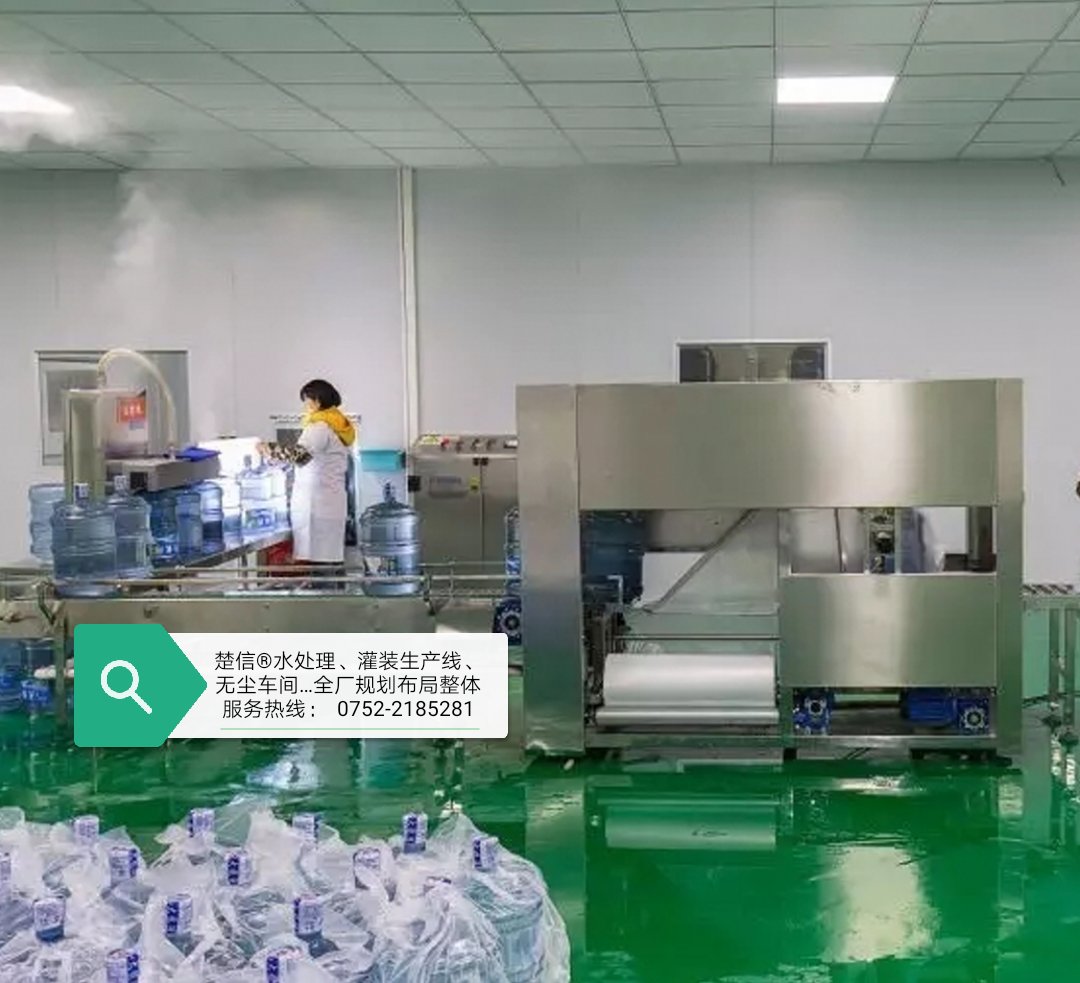
Clean Air Purification Systems
Custom-engineered air purification systems for water bottling and barrelled water fillin...