
How to Evaluate Technical Boundaries and Changeover Costs When Sharing a Filling Line Between Recycled and New Water Bar
Shared Use of Recycled and New Barrels: Conditional Feasibility with Engineering Controls
Operating recycled and new water barrels on the same filling line is technically possible—but only when the system is specifically engineered to manage differences in contamination risk, cleaning intensity, and handling requirements. Without proper zoning and control, shared lines risk cross-contamination, inconsistent fill quality, and operational bottlenecks. The decision must be grounded in physical measurements, process mapping, and production scheduling—not assumed compatibility.
Chuxin Mingwei’s assessment approach focuses on real-world operational data: we verify alignment between container geometry, cleaning protocols, automation capabilities, and facility layout before recommending integration.
Critical Evaluation Criteria for Mixed Container Lines
To determine whether your operation can safely and efficiently run both recycled and new barrels on one line, assess these four technical dimensions:
1. Container Dimensions and Handling Consistency
Recycled and new barrels may vary in height, diameter, wall thickness, or base design due to wear or manufacturing tolerances. These variations impact:
- Conveyor stability and guide rail clearance
- Positioning accuracy at wash, fill, and capping stations
- Sensor detection for jam prevention
Even within the same nominal size (e.g., 18.9 L), used barrels can deform over multiple cycles. A dimensional audit of actual containers—new and post-return—is essential to define acceptable variance ranges. Our Bottled Spring Water Filling Production Line supports configurable handling systems for standard drinking water bottles including 5 L, 11.3 L, and 18.9 L formats, but customization must be specified during engineering design.
2. Washing Process Segregation and Dwell Time
Recycled barrels require more intensive pre-treatment than new ones, including:
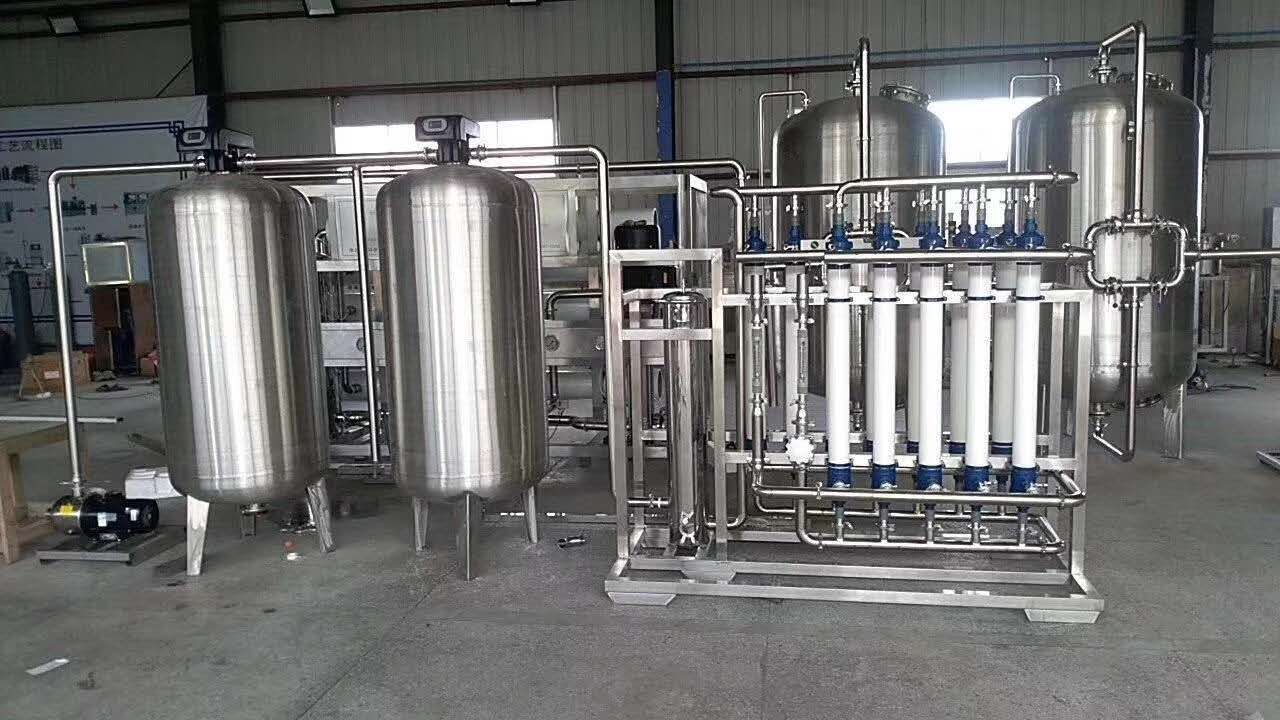
- Cap removal and external brushing
- Multi-stage internal rinsing with chemical or ozonated water
- Extended dwell time for effective sanitation
New barrels, especially pre-sterilized forms, may bypass full wash cycles. Running both types sequentially without isolation risks contaminating sterile inputs or under-processing soiled returns. True co-line operation requires zoned wash zones or dynamic scheduling that separates high-soil from low-soil batches.
3. Filling and Capping Mechanism Compatibility
Filling accuracy and capping reliability depend on consistent neck finish and cap fit. Worn threads on recycled barrels can lead to misalignment, leaks, or capping failure. While servo-adjustable capping heads and dual-diameter nozzles can accommodate variation, they increase mechanical complexity and maintenance frequency. For high-volume or quality-critical applications, dedicated lines reduce variability and improve long-term uptime.
4. Changeover Workflow and Control Logic
PLC-based control systems support recipe-driven adjustments for different container types, allowing operators to switch settings for fill volume, conveyor speed, and sensor thresholds. However, physical retooling—such as adjusting guides or changing nozzles—still requires manual intervention. If changeover takes longer than batch economic thresholds allow, line efficiency declines. Viability depends on minimum batch size, switch frequency, and labor availability.
When Dedicated Lines Are Preferable
Despite technical adaptability, separate lines may offer better performance when:
- One stream dominates production volume
- Recycled barrels have high soil load requiring aggressive cleaning
- Facility layout limits conveyor reconfiguration or zone separation
- Quality standards demand strict process isolation (e.g., pharmaceutical-grade water)
In such cases, parallel processing avoids compromise and simplifies validation.
Recommended Assessment Steps Before Integration
Before modifying or installing a shared-line system:
- Measure actual dimensions of both recycled and new barrels—record outer diameter, height, neck finish, and cap type
- Classify return condition: lightly used vs. heavily soiled
- Define maximum allowable changeover time and minimum viable batch size
- Provide floor plan and utility layout for integrated engineering review
Chuxin Mingwei conducts technical evaluations that map equipment capabilities to real-world operating conditions. We clarify scope boundaries, integration requirements, and support terms—ensuring decisions are based on verifiable parameters, not generalizations.
Contact us to submit your barrel samples and production profile for a feasibility assessment.
Recommended
Bottled Spring Water Filling Production Line
Chuxin Mingwei’s customized bottled spring water filling production line is specifically...
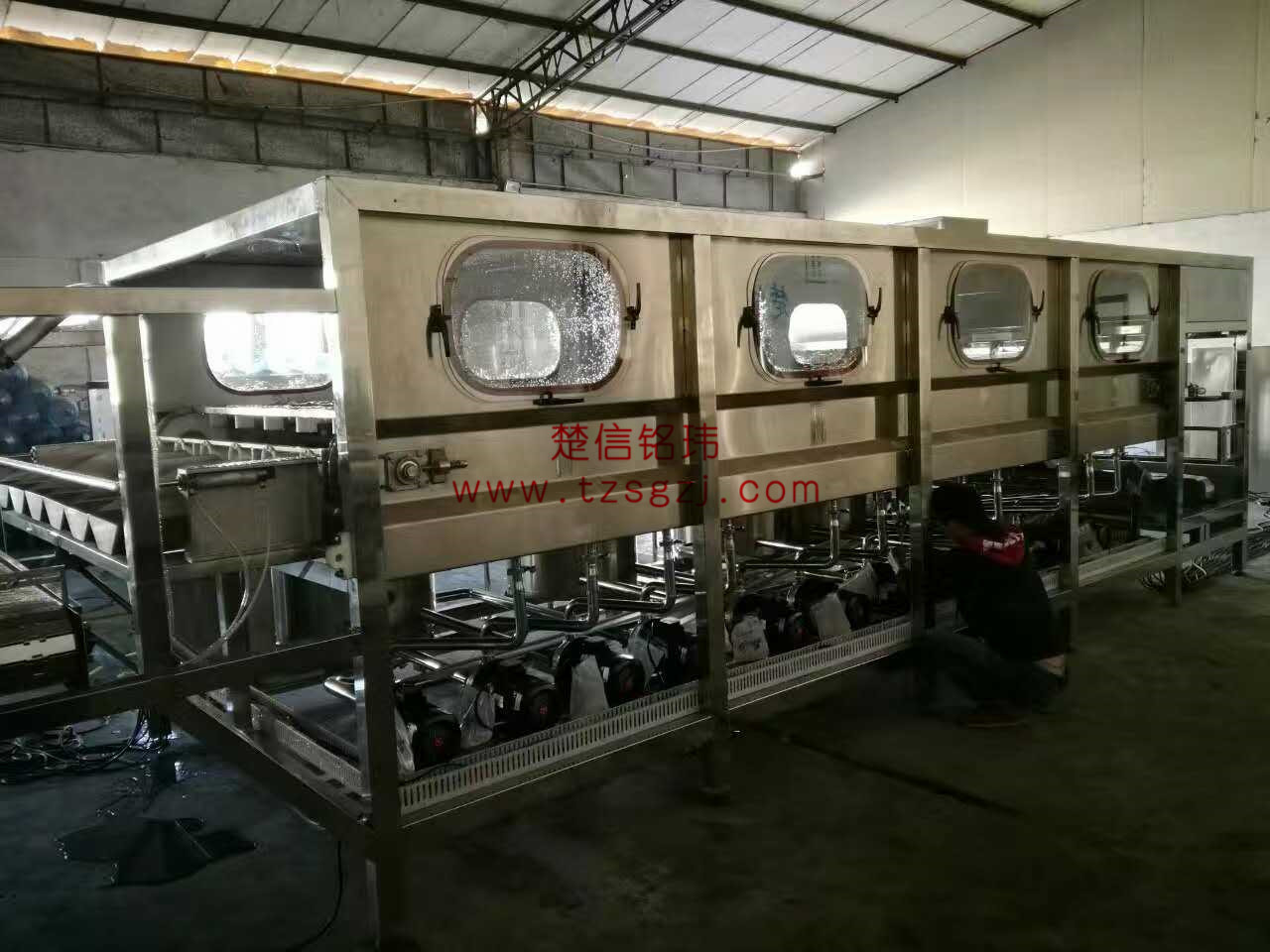
Fully Automatic Bottled Purified Water Filling Production Line
Chuxin Mingwei’s customized fully automatic bottled purified water filling production li...
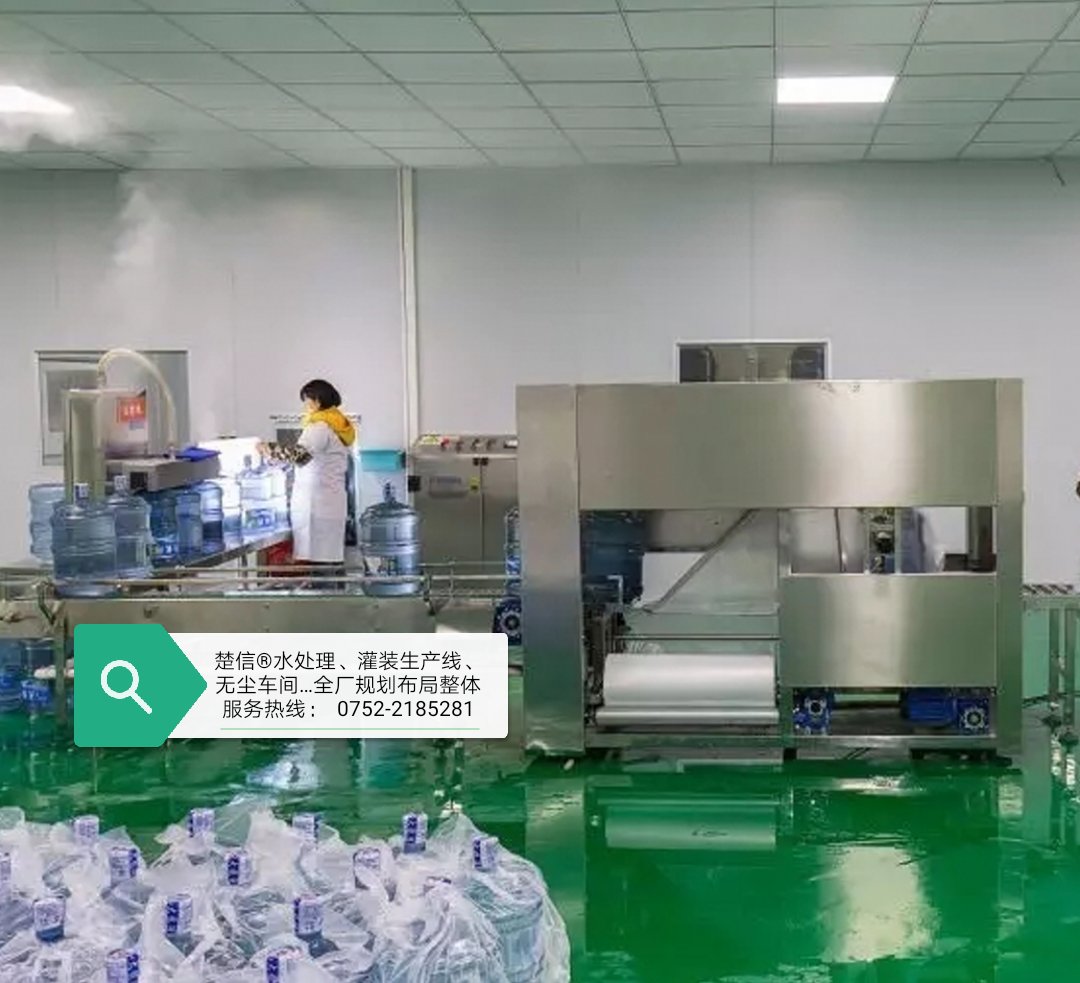
Clean Air Purification Systems
Custom-engineered air purification systems for water bottling and barrelled water fillin...