
Utility Infrastructure Checklist: Pre-Installation Requirements for Water Filling Lines
Utility Infrastructure Checklist: Pre-Installation Requirements for Water Filling Lines
For procurement managers and operations leads in the beverage and pharmaceutical sectors, the success of a new production line depends as much on site readiness as on equipment specifications. Chuxin Mingwei delivers end-to-end engineering services, but stable operation requires that the facility’s utility infrastructure aligns with the technical demands of the installed machinery.
This guide outlines the key utility conditions—power, compressed air, water supply, drainage, and environmental controls—that must be verified prior to installation. These requirements are derived from the operational needs of our Bottled Spring Water Filling Production Line and Fully Automatic Bottled Purified Water Filling Production Line, ensuring that your facility is prepared for seamless commissioning.
1. Electrical Power Supply and Load Stability
Automated filling lines rely on PLC-based intelligent control systems and precise servo drives. Voltage fluctuations or insufficient capacity can lead to frequent fault alarms, reduced filling accuracy, or component damage.
- Voltage & Frequency:*
- Confirm that the site power supply matches the equipment rating (typically 380V/50Hz for standard industrial applications in China, or customized for export markets).
- Load Capacity:*
- Calculate the total connected load, including:
- Main drive motors for conveyor belts and washing/filling/capping units.
- Heating elements for bottle preforms (if blow-molding is integrated).
- Control panels, sensors, and lighting.
- Critical Note:*
- For purified water lines using dual-stage RO, account for the high-pressure pump loads. Ensure the transformer capacity has a safety margin above the peak simultaneous load.
- Grounding & Protection:*
- A reliable grounding system is essential for sensitive electronics and operator safety. Install dedicated distribution boxes with appropriate circuit breakers and surge protection.
2. Compressed Air Quality and Pressure
Compressed air is a critical utility for pneumatic actuators, valve controls, and bottle handling mechanisms. Poor air quality can contaminate products or cause mechanical failures.
- Pressure Requirements:*
- Verify that your compressor can maintain the required pressure range under full load for pneumatic components.
- Air Quality Standards:*
*
- Dryness:*
- Moisture in compressed air can corrode valves and affect capping torque. Install refrigerated dryers or desiccant dryers to achieve appropriate dew point levels.
- Oil-Free:*
- Use oil-free compressors or install high-efficiency oil removal filters to prevent oil contamination in the filling zone, especially for food and pharmaceutical applications.
- Filtration:*
- Install particulate filters at the point of use to remove dust and aerosols.
- Flow Rate:*
- Ensure the air receiver tank and piping diameter are sufficient to handle peak demand spikes during rapid cycling of the integrated bottle washing-filling-capping unit.
3. Water Supply and Drainage Infrastructure
While the core product is treated water, the facility requires raw water for preprocessing and significant volumes of water for cleaning and cooling.
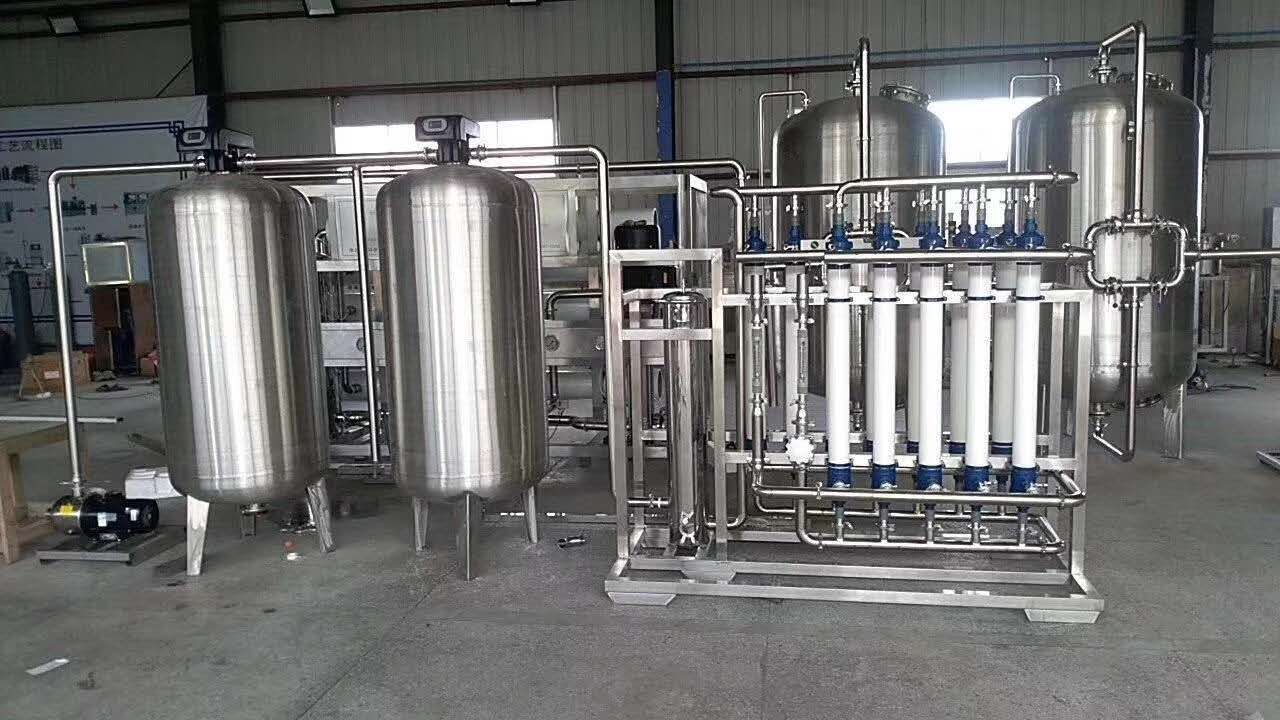
- Raw Water Supply:*
*
- For Bottled Spring Water
- lines, ensure the source water connection meets the flow rate required by the pretreatment system (multi-media + activated carbon filtration).
- For Purified Water
- lines, confirm the availability of municipal or well water with consistent quality to feed the two-stage RO system.
- Cooling Water:*
- If the system includes ozone generators or specific heat exchangers, a closed-loop cooling water supply may be required. Verify temperature and flow rates.
- Drainage Capacity:*
*
- Volume:*
- Account for wastewater from bottle rinsing, CIP (Clean-in-Place) cycles, and floor washing. The drainage system must handle peak discharge rates without backflow.
- Layout:*
- Floor drains should be located near washing and filling stations. Ensure proper slope and trap design to prevent odors and pests from entering the production area.
- Chemical Compatibility:*
- If acidic or alkaline cleaning agents are used, ensure drain pipes and sumps are chemically resistant.
4. Facility Space, Layout, and Environmental Controls
The physical layout must accommodate not only the equipment footprint but also maintenance access, material flow, and hygiene zones.
- Space Allocation:*
*
- Footprint:*
- Refer to the approved layout drawings for exact dimensions. Allow additional space for raw material storage (preforms, caps, labels) and finished goods buffer zones.
- Access:*
- Maintain clear aisles around the PLC-based intelligent control system and moving parts for safe maintenance and troubleshooting.
- Headroom:*
- Ensure sufficient vertical clearance for overhead conveyors, ductwork, and lifting operations during installation.
- Cleanroom Standards:*
*
- For high-hygiene applications, such as those requiring ISO Class 8 (100,000)
- or higher cleanliness, verify that the HVAC system can maintain positive pressure and controlled humidity.
- Chuxin Mingwei’s Clean Air Purification Systems
- can be integrated to meet these standards, but the building envelope must be sealed and compatible with HEPA filtration airflow patterns.
- Floor Loading:*
- Confirm that the concrete slab can support the weight of heavy equipment, particularly water treatment tanks filled with liquid and automated palletizers.
5. Implementation and Acceptance Boundaries
To avoid delays during commissioning, we recommend the following steps:
- Pre-Installation Audit: Share your facility’s utility diagrams (electrical single-line, P&ID for water/air) with our engineering team for review against the equipment specifications.
- Utility Readiness Check: Before equipment arrival, verify that power, air, and water connections are terminated at the designated tie-in points.
- Environmental Verification: Conduct a preliminary check of ambient temperature, humidity, and cleanliness levels if cleanroom compliance is required.
Conclusion
Proper preparation of utility infrastructure is a critical step in ensuring the long-term stability and efficiency of your water treatment and filling production line. By addressing power stability, air quality, water management, and spatial constraints early, you minimize commissioning risks and accelerate time-to-production.
For detailed utility requirement sheets tailored to your specific project capacity and bottle format, please contact our engineering team.
[Contact Us for Technical Consultation]
Recommended
Bottled Spring Water Filling Production Line
Chuxin Mingwei’s customized bottled spring water filling production line is specifically...
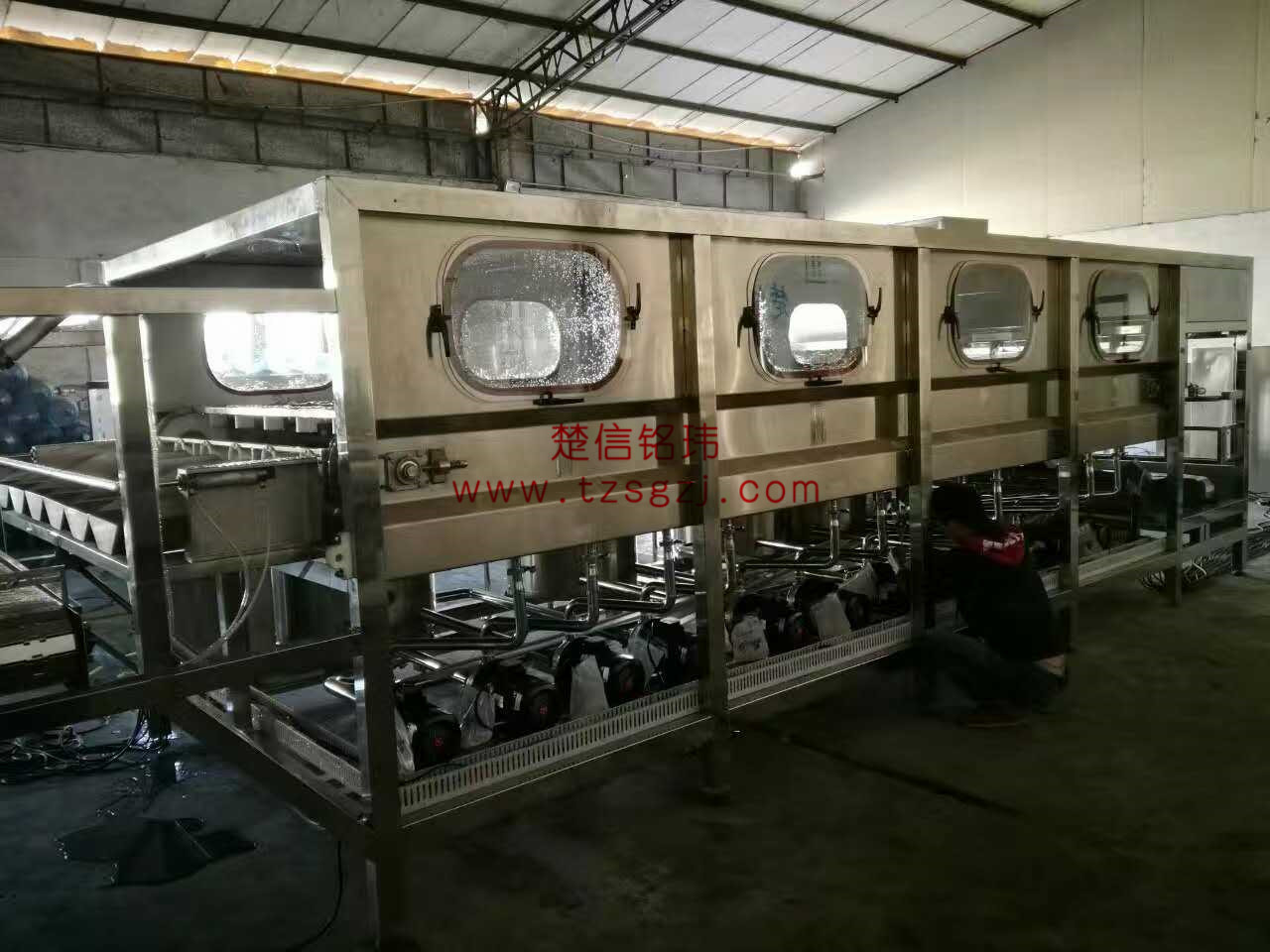
Fully Automatic Bottled Purified Water Filling Production Line
Chuxin Mingwei’s customized fully automatic bottled purified water filling production li...
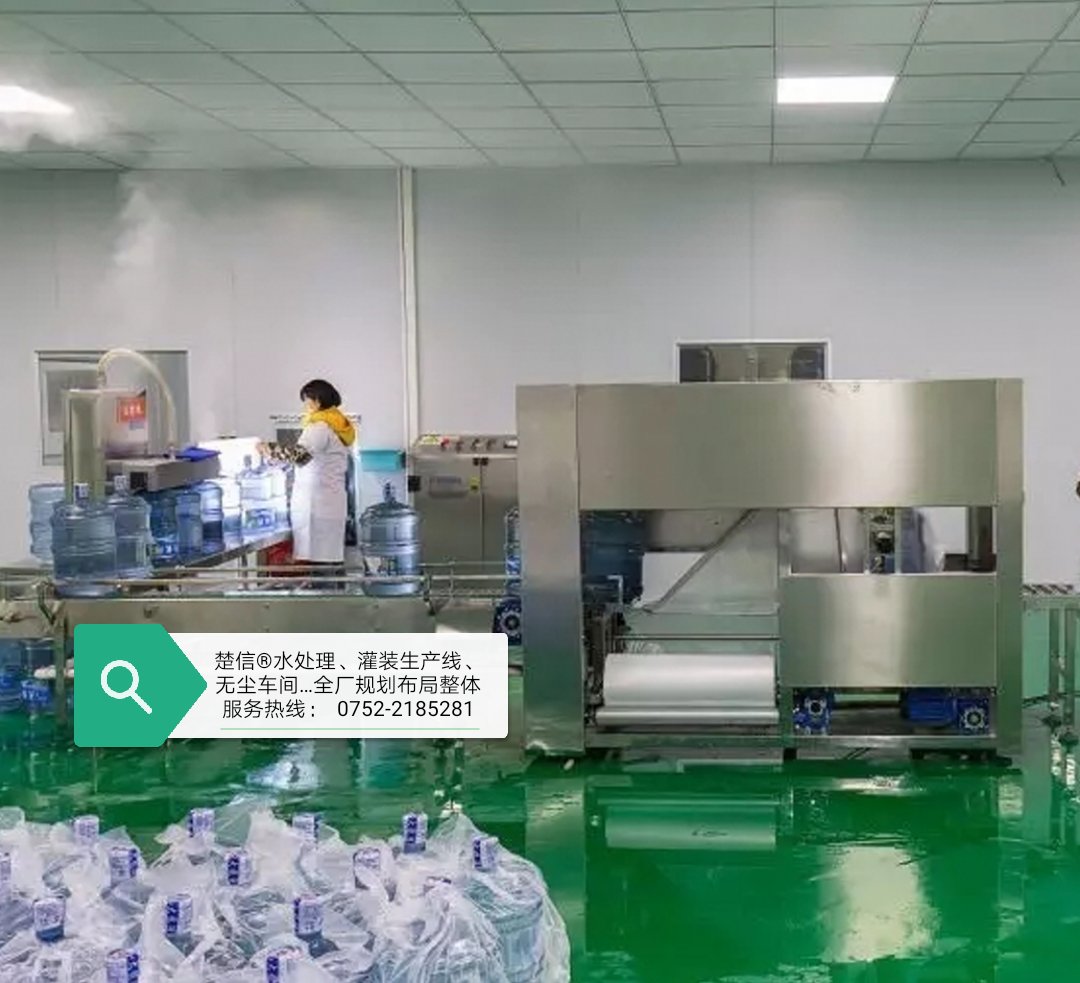
Clean Air Purification Systems
Custom-engineered air purification systems for water bottling and barrelled water fillin...