
Can One 3-in-1 Filler Handle Both Juice and Bottled Water? Critical Parameters and Interface Checks Before Selection
Can One 3-in-1 Filler Handle Both Juice and Bottled Water?
For beverage manufacturers looking to optimize floor space and capital expenditure, the question often arises: Can a single 3-in-1 filling machine handle both still bottled water and hot-fill juice?
The short answer is: Technically possible, but rarely advisable without significant customization and operational compromises. While both products utilize a "rinse-fill-cap" workflow, the underlying engineering requirements for valve mechanics, temperature tolerance, and hygiene protocols differ fundamentally.
As a procurement manager or operations lead, approving a shared line without validating these specific parameters can lead to reduced line speed, compromised seal integrity, or food safety risks. This guide breaks down the critical selection criteria based on actual equipment capabilities and process constraints.
The Core Engineering Conflict: Temperature and Valve Design
The primary barrier to sharing a 3-in-1 filler between water and juice is process temperature.
- Bottled Water Lines:*
- Typically operate at ambient temperatures. The focus is on high-speed efficiency and preventing secondary contamination. Standard PET bottles are used, and the filling valves are designed for low-viscosity, cold liquids.
- Hot-Fill Juice Lines:*
- Require filling temperatures between 85°C and 92°C to ensure microbial stability without post-pasteurization. This demands:
- Heat-Resistant Components:*
- Seals, gaskets, and valve bodies must withstand continuous thermal cycling without degrading.
- Specialized Bottles:*
- PET bottles for hot fill must be heat-set to resist deformation, often requiring different neck finishes and handling systems (e.g., neck gripper conveyors) compared to standard water bottles.
- Vacuum or Gravity Valves:*
- Hot-fill applications often use specific valve types to manage foam and thermal expansion, whereas water lines typically use gravity or low-pressure isobaric valves.
Selection Criterion: If your juice product requires hot filling, a standard water 3-in-1 monoblock is not suitable. You must specify a "Hot-Fill Capable" monoblock with stainless steel grades and sealing materials rated for high temperatures. Even then, switching between cold water and hot juice requires extensive changeover time and thermal stabilization.
Hygiene and CIP (Clean-in-Place) Boundaries
Sugar-based beverages like juice present a higher microbiological risk than purified water. Residual sugar can foster rapid bacterial growth if cleaning is incomplete.
- CIP Complexity:*
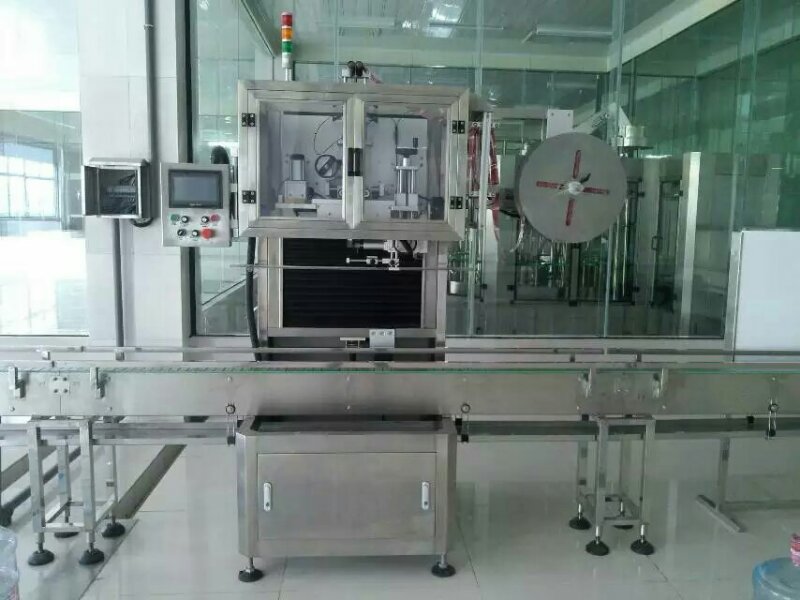
- A line dedicated to water may have a simplified CIP system. A juice-capable line requires a robust, automated CIP system with specific cycles for caustic wash, acid wash, and hot water sterilization to remove sugar residues and prevent biofilm formation.
- Dead Legs and Dead Zones:*
- Equipment designed for water might have structural nuances that are acceptable for low-risk products but become "dead zones" for juice, where product stagnates and spoils.
Risk Alert: Sharing a line increases the complexity of your sanitation schedule. If the equipment was not originally engineered with the aggressive cleaning cycles required for juice in mind, you risk cross-contamination and product spoilage.
Mechanical Compatibility: Bottle Handling and Changeovers
Even if the filling valve can theoretically handle both liquids, the bottle handling system often creates a bottleneck.
- Neck Handling:*
- Modern high-speed lines for both water and hot-fill juice often use neck gripper conveyors to ensure stability and reduce contamination points. However, the specific gripper heads must match the bottle neck finish (e.g., PCO 1810 for water vs. specialized hot-fill necks).
- Changeover Time:*
- Switching from a 500mL water bottle to a 1L juice bottle involves changing star wheels, guide rails, and potentially the capping head torque settings. If your production schedule requires frequent switches (e.g., water in the morning, juice in the afternoon), the downtime for mechanical changeover and CIP may negate the efficiency benefits of a single machine.
Practical Selection Checklist
Before requesting a quote for a multi-purpose 3-in-1 filler, verify the following with your supplier:
- Valve Material & Rating: Are the filling valves rated for continuous operation at >85°C? (Required for juice, optional for water).
- Seal Compatibility: Do the O-rings and gaskets support both ambient and high-temperature cycles without frequent replacement?
- CIP System Design: Does the integrated CIP system cover all product contact points with sufficient flow velocity and temperature for sugar removal?
- Bottle Flexibility: Can the existing neck grippers and star wheels handle the specific neck finishes of both your water and juice bottles without extensive hardware swaps?
- Control Logic: Does the PLC allow for distinct recipe management for temperature, filling volume, and capping torque for different products?
Conclusion and Recommendation
While a single 3-in-1 filler can be engineered to handle both water and juice, it is rarely a "plug-and-play" solution. It requires a hot-fill designated machine that is occasionally used for water, rather than a standard water machine attempting to run juice.
For most facilities, the most reliable approach is to:
- Dedicate lines by process type:*
- Use a hot-fill line for juices/teas and an ambient line for water.
- Or, validate extensively:*
- If space forces a shared line, ensure the supplier provides a factory acceptance test (FAT) specifically demonstrating the changeover and cleaning validation between your specific water and juice SKUs.
At Chuxin Mingwei, we engineer filling solutions based on your specific product matrix. Whether you need a dedicated Fully Automatic Bottled Purified Water Filling Production Line or a specialized hot-fill system, our design process starts with your raw water quality, target capacity, and packaging constraints to ensure long-term stability.
Next Steps
If you are evaluating a multi-product line, do not rely on generic brochures. Share your specific bottle samples, product viscosity, and filling temperature requirements with our engineering team. We will assess the feasibility of a shared line or recommend a dedicated configuration that minimizes your operational risk.
[Request a Solution Consultation] to discuss your specific product mix and facility layout.