
Automatic Barrel-Wrap Packaging: Separating Real ROI from Common Misconceptions in High-Volume Operations
Automatic Barrel-Wrap Packaging: Separating Real ROI from Common Misconceptions in High-Volume Operations
Many enterprise owners assume that adding an automatic barrel-wrap machine to a bottled water line is primarily about reducing labor costs. While staffing efficiency matters, the real operational value emerges only when the machine aligns with your production scale, packaging format, and facility constraints. Misjudging this fit can lead to underutilized assets or unexpected bottlenecks.
The Core Misconception: “Automation = Immediate Cost Savings”
It’s true that manual barrel wrapping—typically involving plastic film, heat guns, and hand-sealing—is labor-intensive and inconsistent at high volumes. But simply installing an automatic wrapper doesn’t guarantee ROI unless your operation meets three conditions:
- Stable output above 800–1,000 barrels per day (e.g., 18.9L or 5-gallon formats)
- Standardized barrel dimensions and cap types across SKUs
- Integrated downstream flow (e.g., labeling, palletizing, warehouse dispatch)
Below these thresholds, semi-automated or batch-mode wrapping may be more cost-effective. Over-automating for low-volume or highly variable SKUs often increases maintenance complexity without proportional throughput gains.
Where Automation Delivers Verified Value
Chuxin Mingwei’s engineering approach treats barrel-wrapping not as a standalone unit, but as part of the end-to-end filling and packaging workflow. For clients running spring or purified water lines at 1,200+ barrels/hour, integration with upstream filling and downstream conveyance ensures:
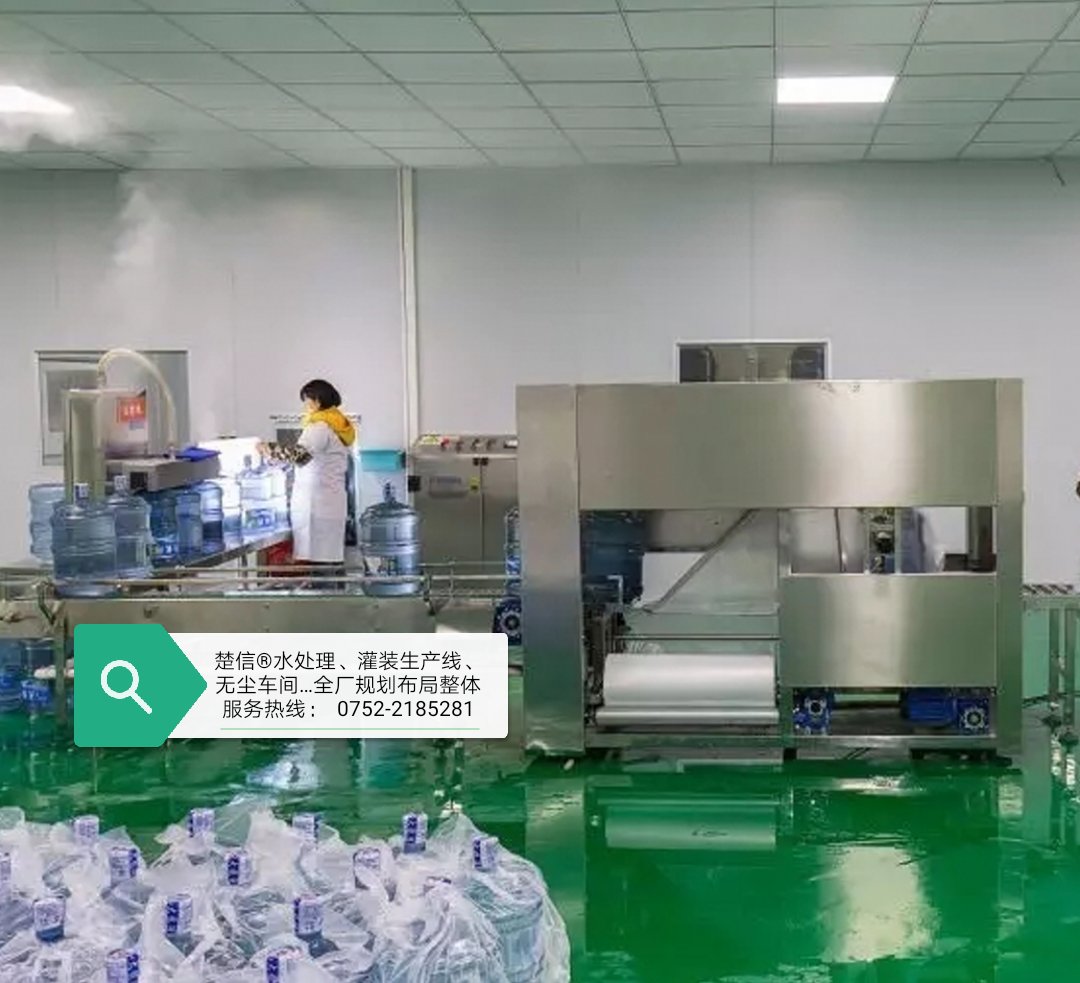
- Consistent film tension and seal integrity (reducing product damage in transit)
- Synchronized cycle times that prevent accumulation between capping and wrapping
- Reduced operator intervention during shift changes or changeovers
This alignment is especially critical for operations using recycled barrels, which require reliable post-filling handling to maintain hygiene and branding standards.
Implementation Boundaries to Confirm Early
Not all barrel-wrapping systems suit every facility. Before shortlisting equipment, verify:
- Barrel compatibility: Does your mix include both 3-gallon and 5-gallon containers? Co-line operation requires adjustable guides and film feed mechanisms.
- Cleanroom zoning: If wrapping occurs inside an ISO Class 8 environment (common for pharmaceutical-grade water), the machine must use non-shedding materials and sealed motors.
- Utility requirements: Automatic wrappers often need compressed air, 380V power, and space for film roll storage—constraints easily overlooked in retrofit projects.
These factors directly impact whether the system integrates smoothly with your existing bottled spring water production line or purified water filling line.
A Practical Next Step for Enterprise Owners
If you’re evaluating scale-up options, start by mapping your current and projected:
- Daily barrel output (by SKU)
- Changeover frequency between formats
- Available floor space after the capping station
Then request a site-specific workflow simulation from your equipment provider—not just a spec sheet. At Chuxin Mingwei, we include this assessment as part of our engineering service scope, ensuring the proposed barrel-wrap solution matches your actual production rhythm and facility layout.
For operations already running automated filling lines (e.g., those using dual-membrane NF/UF for spring water or dual-stage RO for purified water), adding a synchronized wrapping unit often pays back within 14–18 months through reduced film waste, fewer damaged shipments, and lower rework rates.
Note: Performance outcomes depend on source water quality, barrel condition, plant layout, and operator training. Final configuration should be confirmed via project review.
Recommended
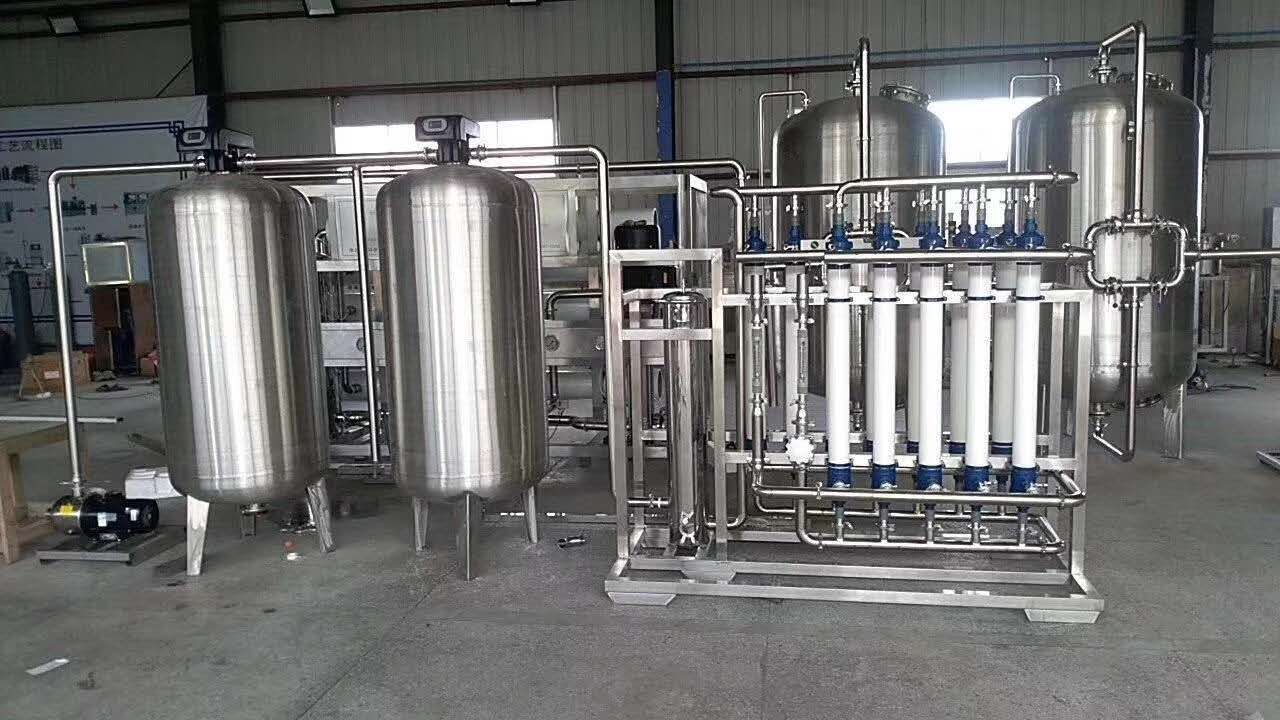
Bottled Spring Water Filling Production Line
Chuxin Mingwei’s customized bottled spring water filling production line is specifically...
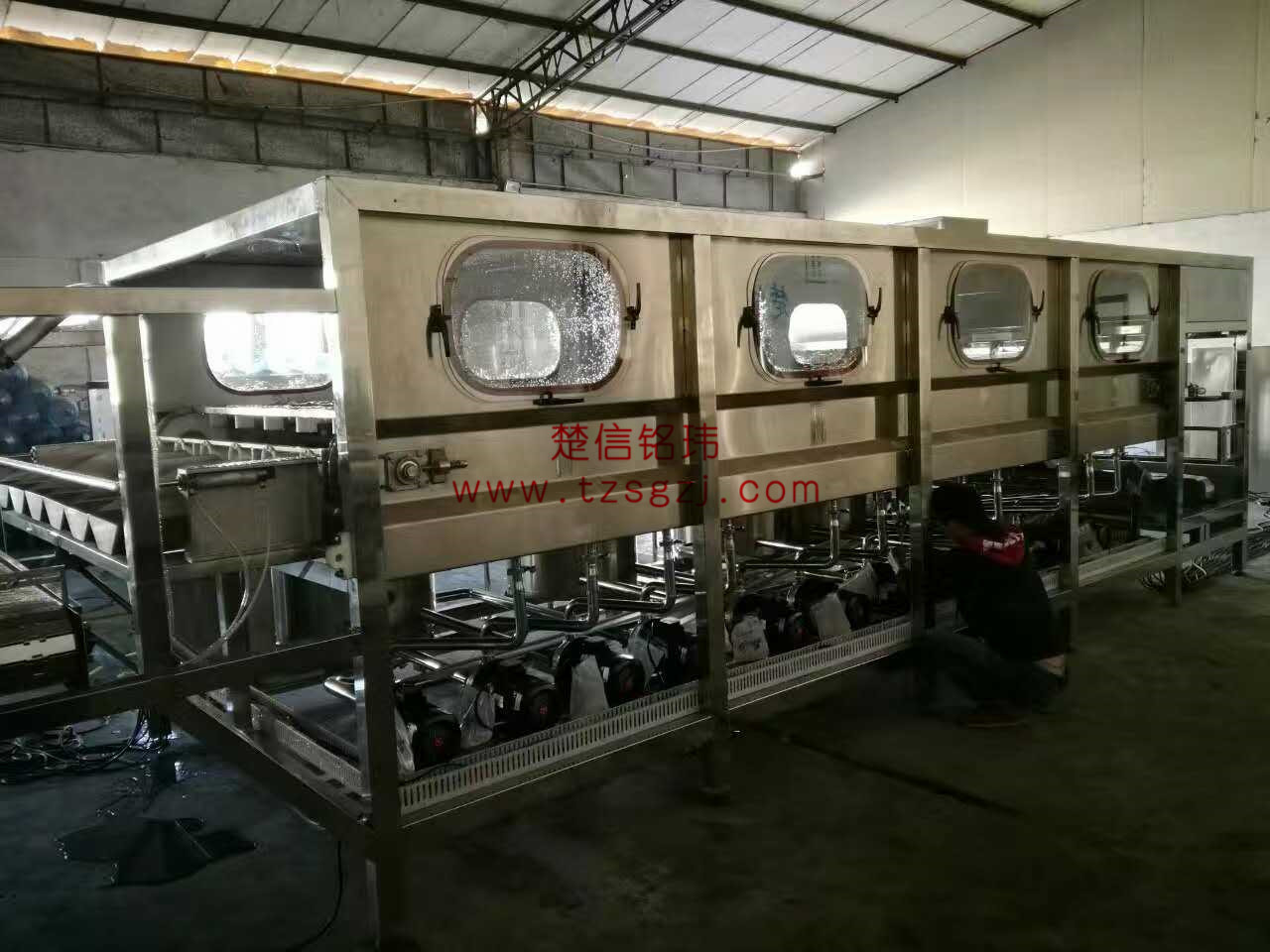
Fully Automatic Bottled Purified Water Filling Production Line
Chuxin Mingwei’s customized fully automatic bottled purified water filling production li...
Clean Air Purification Systems
Custom-engineered air purification systems for water bottling and barrelled water fillin...