
Can a Single Bottled Water Filling Line Handle Both 3-Gallon and 5-Gallon Barrels? Technical Compatibility vs. Practical
The Misconception: "One Line, Two Sizes" Is Always Feasible
Many procurement and operations teams in beverage and bottled water facilities assume that if a filling line is rated for "3–5 gallon barrels", it can switch between them without engineering review or added cost. In practice, this assumption risks production downtime, inconsistent fill accuracy, increased maintenance, and compromised hygiene — especially when scaling from pilot to full deployment.
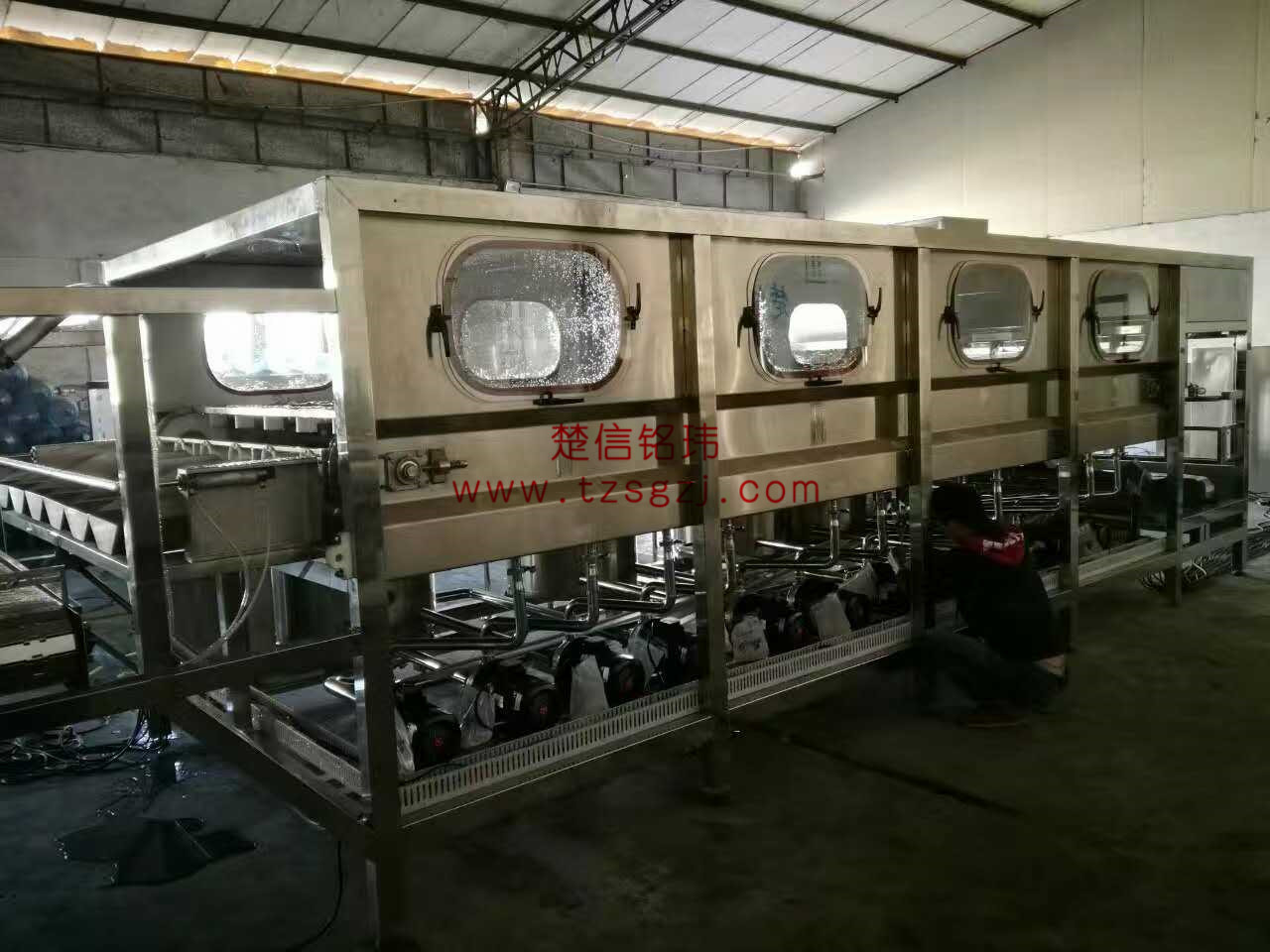
Chuxin Mingwei’s fully automatic bottled purified water filling production line (Product ID: 59) and bottled spring water filling production line (Product ID: 60) are both designed for standard drinking water bottles — including 18.9 L (5-gallon), 11.3 L, and other standard sizes. However, rated compatibility does not equal plug-and-play changeover. The distinction lies in physical interface design, process sequencing, and site-specific validation.
What Actually Determines Dual-Size Feasibility?
Three verified technical boundaries govern whether a single line can reliably handle both 3-gallon (≈11.3 L) and 5-gallon (18.9 L) barrels:
- Mechanical Interface Alignment
- Barrel height, base diameter, and neck geometry differ significantly between 3-gallon and 5-gallon containers. Chuxin Mingwei’s integrated bottle washing-filling-capping units require precise positioning for rinsing nozzles, filling valves, and capping heads. A line configured for 18.9 L may lack the vertical travel range or adjustable gripper stroke needed for stable 11.3 L handling — leading to misalignment, splash loss, or cap torque deviation.
- Process Timing & Flow Balance
- Rated output capacity (e.g., 200–2,500 bottles/hour for Product ID 59) assumes consistent container size and weight. Switching sizes changes conveyor dwell time, rinse volume per cycle, and filling duration. Without PLC reconfiguration and HMI parameter validation, the system may overfill, under-rinse, or trigger false fault alarms — particularly during shift transitions or unplanned changeovers.
- Hygiene & Validation Boundary
- As noted in , Chuxin Mingwei’s engineering begins with actual source water quality, target standards, production capacity, packaging format, and facility constraints. For barrelled water, this includes verifying whether the same cleaning protocol (e.g., alkali wash → acid rinse → sterile final rinse) achieves validated microbial reduction across both barrel volumes and materials (PET vs. polycarbonate). A 3-gallon barrel’s smaller internal surface area and thinner wall may respond differently to the same chemical concentration and contact time used for 5-gallon units.
What Does Chuxin Mingwei’s Delivery Scope Cover — and What Requires Clarification?
Per and the company’s delivery boundary policy, “line” quotations do not automatically include:
- Re-engineering of mechanical tooling (e.g., new bottle grippers, valve spindles, or capping chuck sets);
- Additional FAT (Factory Acceptance Test) cycles for secondary size validation;
- Extended on-site commissioning time for dual-size SOP development and operator training.
These items are scoped separately — and must be confirmed before contract signing, not during installation.
Actionable Steps for Procurement & Operations Teams
Before selecting or upgrading a line:
Confirm physical dimensions: Request dimensional drawings for both 3-gallon and 5-gallon barrels — cross-check against Chuxin Mingwei’s published mechanical envelope for Product ID 59 or 60.
Validate PLC logic scope: Ask whether the standard control system includes pre-loaded recipes for both sizes — and whether recipe switching requires manual HMI input or auto-detection via barcode/RFID.
Review changeover documentation: Confirm whether the quote includes documented changeover procedures, estimated downtime per switch, and spare parts kits for dual-size operation.
Clarify support boundaries: Verify whether post-installation training covers dual-size troubleshooting — and whether remote diagnostics (via PLC + HMI interface, as featured in Clean Air Systems, Product ID 58) extend to size-switching events.
Conclusion: Design Intent ≠ Operational Flexibility
Chuxin Mingwei delivers non-standard, site-specific solutions — not generic multi-size platforms. Its bottled purified water line (ID 59) and spring water line (ID 60) are engineered for stability and long-term maintainability within defined operating envelopes. Supporting both 3-gallon and 5-gallon barrels is technically possible — but only when interface, timing, and hygiene parameters are jointly validated before manufacturing begins.
For procurement managers planning scale-up, the critical question isn’t “Can it handle both?” — it’s “What engineering effort and verification steps are required to make it reliable for both?”
Next Step
Request a free technical alignment review: Share your current barrel specs, target throughput, and facility layout. Chuxin Mingwei will confirm compatibility, identify required adaptations, and clarify scope boundaries — with no obligation.
Contact Engineering Support
Recommended
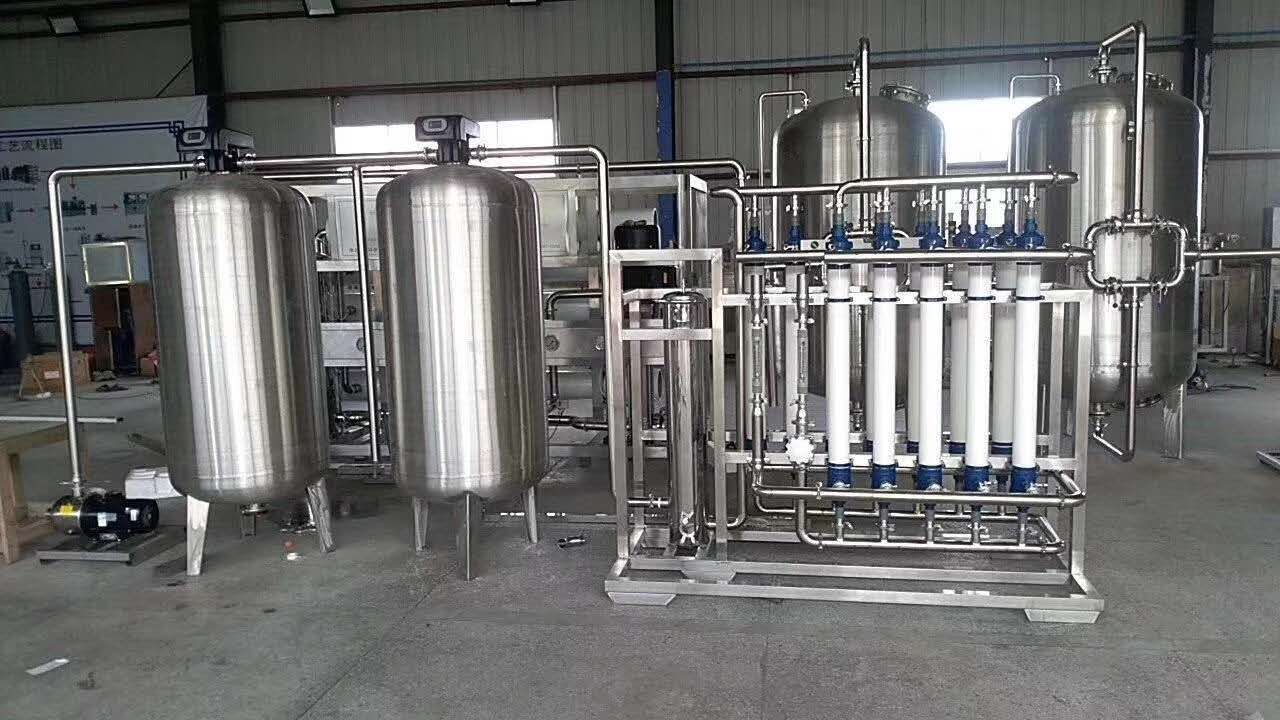
Bottled Spring Water Filling Production Line
Chuxin Mingwei’s customized bottled spring water filling production line is specifically...
Fully Automatic Bottled Purified Water Filling Production Line
Chuxin Mingwei’s customized fully automatic bottled purified water filling production li...
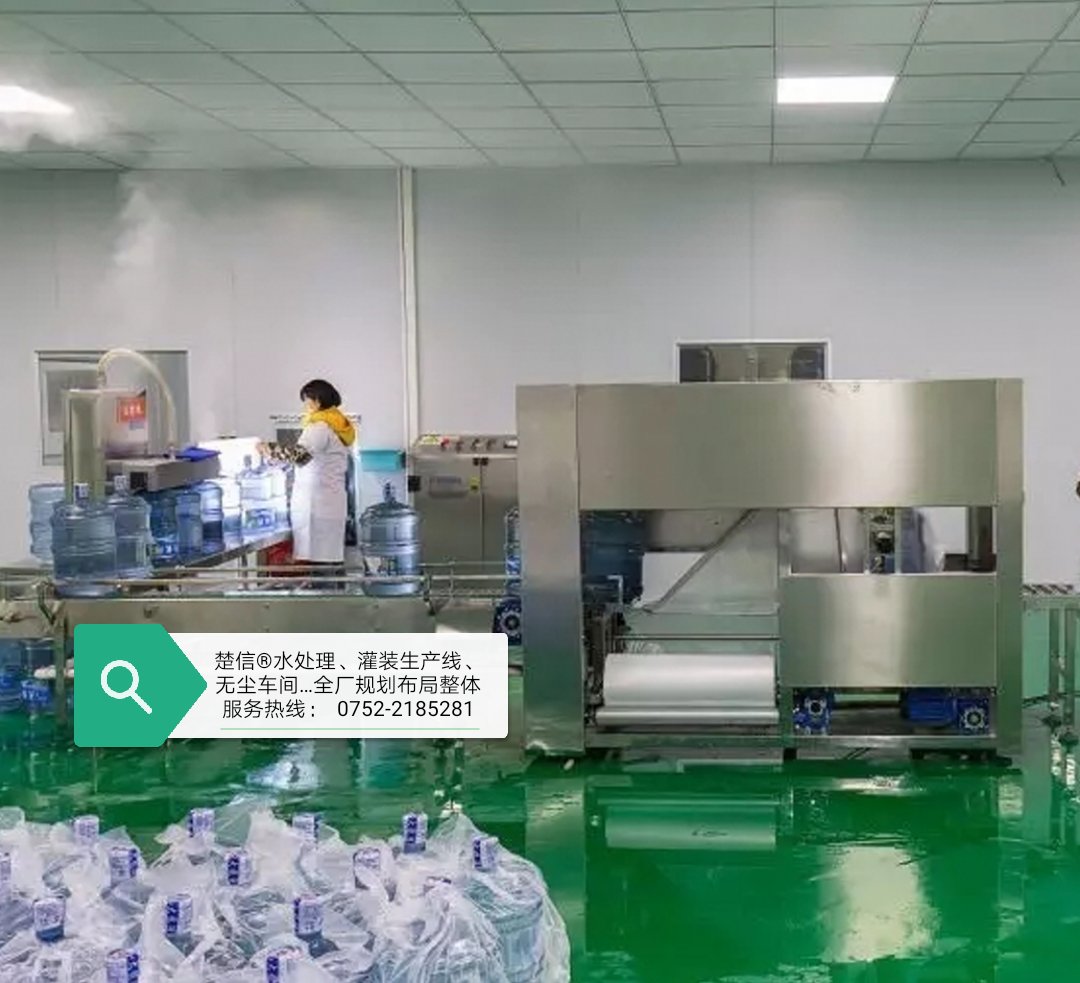
Clean Air Purification Systems
Custom-engineered air purification systems for water bottling and barrelled water fillin...