
Carbonated Beverage Line Pricing: How Pressure System Specs Drive Total Cost
Carbonated Beverage Line Pricing: How Pressure System Specs Drive Total Cost
When evaluating quotations for carbonated beverage production lines, procurement teams often encounter significant price disparities between suppliers offering seemingly similar capacities. The primary driver of these costs is rarely the frame size or motor power; it is the pressure system engineering required to handle dissolved CO₂ safely and accurately.
Unlike still water or juice lines, carbonated beverage fillers must operate under isobaric (counter-pressure) conditions. If the pressure balance between the bottle and the filler valve is lost, product foams, CO₂ levels drop, and fill volumes become inconsistent. Therefore, the pricing of a carbonated line is directly tied to the complexity of its pressure control architecture, valve precision, and gas management systems.
Core Pressure Factors That Determine Equipment Configuration
The cost structure of a carbonated filling line is defined by three critical pressure-related parameters. Understanding these allows buyers to distinguish between a basic machine and one engineered for stable, high-speed production.
1. Isobaric Pressure Range and Valve Precision
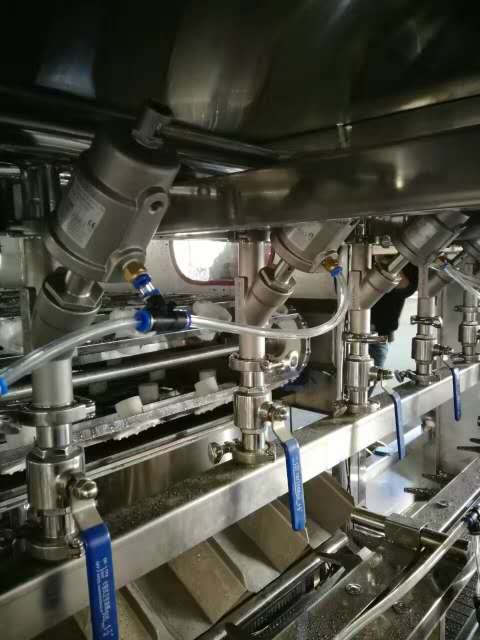
The heart of any carbonated line is the isobaric filling valve. These valves must maintain a precise equilibrium between the tank pressure and the bottle pressure during the entire filling cycle.
- Pressure Rating:*
- Standard soda lines typically operate between 0.3 to 0.6 MPa. However, high-carbonation products (like certain sparkling waters or energy drinks) may require systems rated for higher pressures (up to 0.8 MPa or more). Equipment designed for higher pressure ranges requires thicker vessel walls, reinforced piping, and higher-grade seals, directly increasing material costs.
- Valve Mechanism:*
- Low-cost configurations often use mechanical spring-loaded valves. For premium stability and faster changeovers, electro-pneumatic valves are preferred. These allow digital adjustment of pre-evacuation, filling, and snifting phases without manual tooling changes. The shift from mechanical to electronic control is a major differentiator in line pricing.
- Foaming Control:*
- The valve must manage the "snifting" phase (pressure release) carefully to prevent foaming upon exit. Advanced valves include multi-stage pressure release curves, which are proprietary technologies that add value and cost but reduce product loss.
2. CO₂ Saturation and Mixing Systems
Before filling, the water must be saturated with CO₂ to the exact target volume (e.g., 3.0 to 4.5 volumes). The method used to achieve this saturation impacts both the upfront equipment cost and long-term gas consumption.
- Inline Carbonators vs. Ring Tanks:*
- Simple lines may use basic inline injectors. High-efficiency lines utilize ring tanks or multi-stage saturation columns that maximize gas dissolution while minimizing waste. A system with precise temperature control (chilling water to <4°C before carbonation) and high-efficiency mixers will cost more but significantly lowers operational CO₂ costs.
- De-aeration:*
- Effective removal of oxygen before carbonation is critical for shelf life. Integrated de-aeration towers that operate under vacuum add complexity and cost but are essential for premium product quality.
3. Back-Pressure Stability and Gas Recovery
A often-overlooked cost driver is the system's ability to manage exhaust gas and maintain stable back-pressure during high-speed operation.
- Exhaust Management:*
- During the snifting phase, CO₂-rich gas is released. Advanced lines include gas recovery systems that capture this gas for reuse or safe venting, reducing environmental impact and operational costs. Basic lines simply vent to the atmosphere.
- Pressure Fluctuation Tolerance:*
- High-speed lines (e.g., >20,000 bottles/hour) experience rapid pressure changes. Systems designed with larger buffer tanks and faster-response pressure regulators command a higher price but prevent the "fobbing" (excessive foaming) that halts production.
Selection Criteria: Matching Specs to Your Product
To avoid overpaying for unnecessary features or under-specifying critical ones, evaluate your project against these criteria:
- Target Carbonation Level: Define your maximum required CO₂ volume. If you plan to produce both low-carb soda and highly carbonated sparkling water, specify the valve range for the higher limit to ensure future flexibility.
- Bottle Material and Geometry: PET bottles expand under pressure, while glass does not. Filling lightweight PET requires valves with gentle pressure ramping to prevent bottle deformation. The filler bowl and valve timing must be tuned to the specific rigidity of your container.
- Temperature Sensitivity: Carbonation efficiency drops as temperature rises. Ensure the quotation includes adequate glycol chilling systems for the product tank and filler bowl. A cheaper quote often omits sufficient cooling capacity, leading to poor carbonation stability in summer months.
Implementation Risks and Boundaries
Procurement decisions made solely on initial price often lead to operational failures in carbonated lines. Common risks include:
- Inconsistent Fill Levels:*
- Caused by valves that cannot maintain tight isobaric seals, leading to product give-away or under-filled bottles.
- Excessive CO₂ Consumption:*
- Poor mixer design or lack of gas recovery can increase gas costs by 15–20% annually.
- Foaming and Spillage:*
- Inadequate snifting control results in wet labels, capping failures, and line stoppages.
It is crucial to note that standard still-water filling lines cannot be simply upgraded to handle carbonated products. The fundamental difference in valve technology and pressure vessel design means a complete replacement of the filling block is required.
Next Steps for Your Project
Accurate pricing for a carbonated beverage line requires a detailed analysis of your product specs and container types. Generic quotes based only on "bottles per hour" are insufficient.
To receive a technically valid proposal:
- Define Product Parameters: Specify target CO₂ volumes, product temperature, and brix levels.
- Provide Container Samples: Share your exact bottle preforms or finished bottles for valve compatibility testing.
- Request a Pressure Profile: Ask suppliers to detail their valve's pressure control curve and gas recovery capabilities.
Chuxin Mingwei specializes in engineered filling solutions where pressure stability and product integrity are paramount. While our core expertise lies in water treatment systems and bottled/barrelled water filling lines, we apply the same rigorous engineering standards to evaluate complex beverage projects.
For carbonated applications, we recommend a detailed technical consultation to map your specific pressure requirements against available machine configurations. Contact our engineering team to discuss your product specs and receive a tailored feasibility assessment.
---
Note: This guide focuses on technical selection factors. Final equipment configuration and pricing depend on site-specific surveys and product testing.
While pressure system specifications are the primary cost driver for carbonated lines, it is critical to distinguish these from non-carbonated applications. Unlike still water or juice lines which may utilize negative pressure filling or standard gravity methods, carbonated beverage fillers must operate under isobaric conditions. Equipment designed for still water, such as those handling 300–1,500mL PET bottles or 3–5 gallon barrels, does not require the reinforced vessel walls, high-grade seals, or electro-pneumatic valve mechanisms necessary to maintain equilibrium against dissolved CO₂ pressures ranging from 0.3 to 0.8 MPa. Consequently, quoting a line based on capacity alone without verifying the gas management architecture and valve precision leads to significant performance failures in foaming control and fill volume consistency.