
How to Check for Reduced Carbonation After Filling: A Diagnostic Guide for Carbonated Beverage Lines
Who Should Read This
This guide is for production managers, quality assurance leads, and line supervisors running carbonated beverage filling operations. If you are seeing customer complaints about flat taste, lab results that show a drop in dissolved CO₂ compared to the specification, or inconsistent fizz from bottle to bottle, this article gives you a structured, plant-floor method to diagnose where the carbonation is being lost.
It is particularly relevant for lines handling PET bottles, cans, or glass bottles with counter-pressure or isobarometric fillers, and where the water treatment system, filler parameters, and capping process all need to work together to keep CO₂ stable.
First: How to Quickly Confirm Reduced Carbonation
Before adjusting the carbonator or blaming the filler, run through a practical verification sequence:
- Check inline post-filler pressure retention – If your filler uses a counter-pressure or back-pressure system, monitor the pressure gauge immediately after the capping head. A sudden pressure drop across the crowner or capper can indicate insufficient headspace pressurization or a poor seal.
- Compare tank CO₂ vs. package CO₂ – Measure dissolved CO₂ in the chilled product tank (before filling) and then in the sealed container after 24 hours of cold storage. A difference of more than 0.15–0.20 volumes of CO₂ often points to process losses, not just absorption inefficiency.
- Perform a pressure-gauge shake test – For PET bottles, use a carbonation tester or an air-measurement device to read the equilibrium pressure of the sealed container. Compare with the target pressure curve for your product temperature and CO₂ volume. A lower-than-expected reading suggests under-carbonation, excessive headspace air, or a micro-leak.
- Check headspace oxygen – Elevated O₂ in the headspace after filling often correlates with CO₂ loss through improper purging or air ingress during capping.
- Sample at multiple line points – Draw samples immediately after the filler, after the capper, and after the warmer or pasteurizer (if used). This helps isolate whether the loss is happening at filling, capping, or during downstream thermal processing.
Common Causes — and Where to Look First
1. Filling Equipment and Process Parameters
Carbonated beverages demand different handling than still water or hot-fill products. As noted in detailed engineering specifications for filling systems, "water, hot-fill products, and carbonated products require different approaches to filling valve design, temperature, pressure, and hygiene control." Ignoring these differences leads to systematic carbonation loss.
- Insufficient counter-pressure – If the bowl pressure is too low relative to the product temperature, CO₂ can break out of solution during filling, causing foaming, inconsistent fill levels, and lower final carbonation.
- Filler bowl temperature rise – Even a 1–2°C increase in the bowl reduces CO₂ solubility. An undersized chiller or heat exchanger can let the product arrive warmer than specified.
- Long dwell time in the bowl – Product recirculation or slow filling cycles can strip CO₂, especially if the bowl is not kept under constant pressure.
- Worn or misaligned filling valves – Leaking seals or incorrect valve timing allow air ingress or CO₂ escape.
2. Raw Water Quality and Treatment
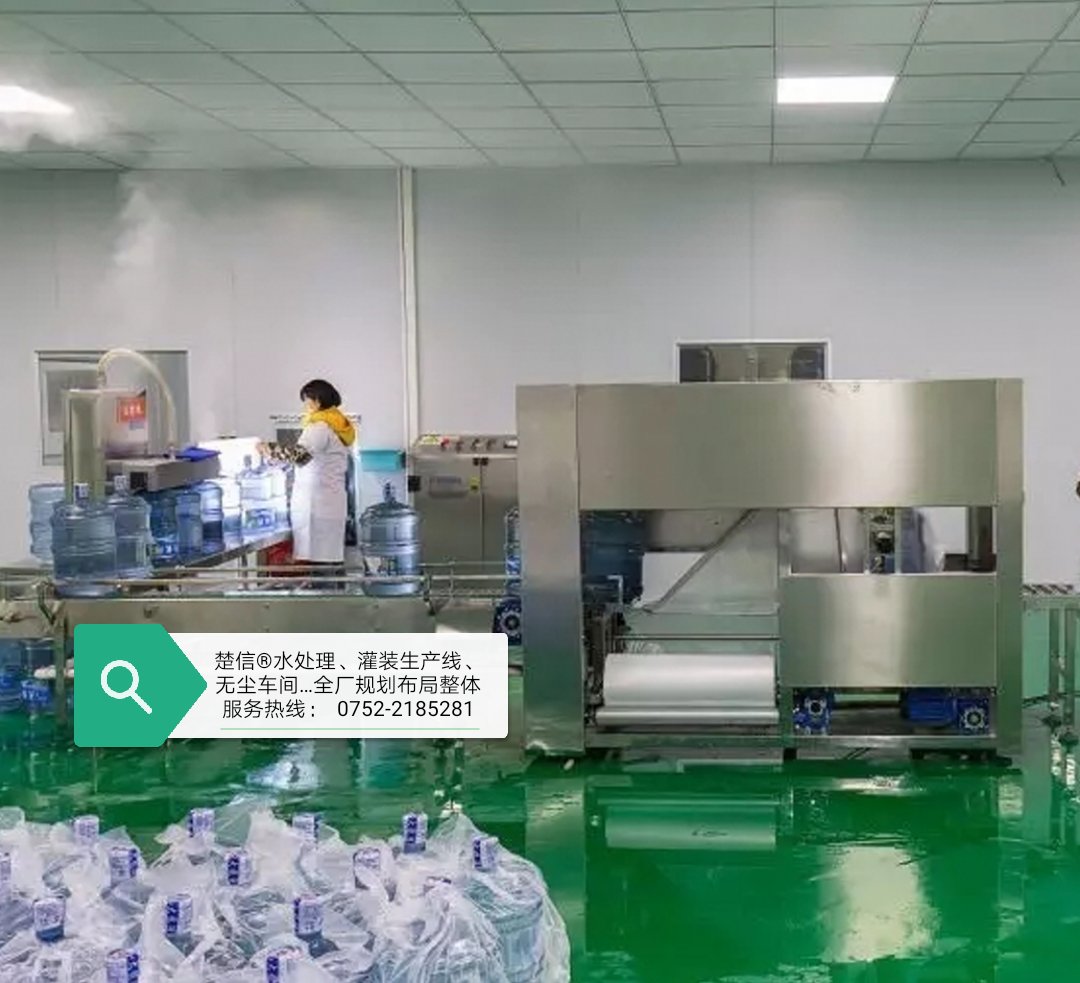
The stability of carbonation in the final beverage starts with the water used for blending. "Raw water from different sources carries different levels of suspended solids, residual chlorine, hardness, iron, manganese, TDS, conductivity, and microbial risks." These factors directly influence how well CO₂ stays dissolved and how the product tastes over time.
- High hardness or alkalinity – Minerals can react with carbonic acid, causing a gradual loss of carbonation and off-flavours.
- Residual chlorine or chloramine – These react with beverage ingredients and alter CO₂ equilibrium. Proper activated carbon pre-treatment is essential.
- Dissolved oxygen in treated water – If the water treatment system does not adequately deaerate the water, oxygen can displace CO₂ after filling and accelerate oxidation.
A properly designed water treatment system — typically combining multi-media filtration, activated carbon, softening or antiscalant dosing, and RO or NF membranes — is the foundation. For carbonated lines, the system must deliver consistent quality not just for regulatory compliance, but to protect CO₂ stability.
Chuxin Mingwei engineers custom water treatment systems based on your raw water report and target water specification, ensuring that the water entering your carbonator does not introduce variables that will erode carbonation.
3. Container and Capping Integrity
- PET bottle preform quality – Variations in wall thickness or crystallinity affect CO₂ permeation rates. Smaller bottles lose CO₂ faster than large ones.
- Closure torque and liner seal – Under- or over-torqued caps compromise the seal. Plastic closures with barrier liners must match the bottle finish precisely.
- Post-capping handling – If bottles are tipped, shaken, or subjected to pressure changes before the cap has fully sealed, CO₂ can escape.
4. Cleanroom and Environmental Conditions
While not a direct cause of immediate carbonation loss, the clean air environment impacts overall product stability and seal integrity. In carbonated beverage filling rooms, Chuxin Mingwei's clean air purification systems are designed to meet ISO Class 8 (100,000) or higher standards, controlling airborne particles that could interfere with capping sanitation or lead to longer-term spoilage.
Structured Verification Steps
Once you have confirmed a carbonation drop, move through these checks in order:
| Step | What to Check | Tools / Methods |
|---|---|---|
| 1. Raw water | pH, alkalinity, hardness, TDS, residual chlorine | Lab analysis, inline meters |
| 2. Treated water | Dissolved oxygen, conductivity, temperature | DO meter, conductivity meter |
| 3. Syrup / carbonation tank | CO₂ volume, temperature, pressure | Carbonation tester, pressure gauge, thermometer |
| 4. Filler bowl | Bowl pressure, product temperature, valve timing | SCADA, manual gauges |
| 5. Capper | Torque, cap alignment, seal inspection | Torque tester, visual check |
| 6. Package CO₂ post-filling | Equilibrium pressure, shake test | Carbonation tester, lab analysis |
When to Involve Your Engineering Partner
If the root cause is not a simple calibration or maintenance adjustment — for example, you need to redesign the filler bowl configuration, upgrade the water treatment system to meet a new CO₂ target, or integrate cleanroom air support for a new carbonated line — it is time to work with an engineering partner who can assess the entire process chain.
Chuxin Mingwei delivers non-standard, site-specific water treatment and filling solutions. For carbonated beverage projects, we start with your source water quality, target CO₂ specification, container type, and production capacity, then engineer a process that keeps carbonation stable from the mixing tank to the sealed package. This includes:
- Custom water treatment (RO, NF, deaeration) matched to your raw water report
- Integration of filling and capping equipment with correct pressure and temperature control loops
- Cleanroom air systems that support the hygiene level required for capping and downstream handling
We do not supply a standalone carbonated filler; instead, we design and deliver the integrated support systems that make your carbonated line perform reliably and consistently.
Boundaries and Limitations
- This guide does not cover specific filling machine models or brands. Always consult the OEM manual for your filler and carbonator.
- If your line uses reusable glass bottles, the inspection and washing processes add additional variables not addressed here.
- Post-pasteurization carbonation loss (e.g., in tunnel pasteurizers) may require a separate thermal analysis and possible re-carbonation steps.
Next Steps
If you are planning a new carbonated beverage line or upgrading an existing one, and you need a partner to engineer the water treatment, process piping, and clean air support to match your filling equipment, contact Chuxin Mingwei. We will help you define the technical requirements and avoid the integration pitfalls that lead to carbonation loss.