
Mechanical and Control Interface Risks When Adding Wrap Packaging to an Existing Bottled Purified Water Filling Line
The Upgrade Scenario: Integrating Wrap Machines into Purified Water Lines
When beverage plants scale output or replace aging downstream equipment, adding or upgrading a shrink-wrap packaging machine on an existing bottled purified water filling line is rarely a plug-and-play operation. For procurement managers and technical evaluators, the primary risk does not lie in the packaging machine itself, but in the interface between the new wrap unit and the legacy filling line.
Chuxin Mingwei engineers custom fully automatic bottled purified water filling production lines built on a two-stage RO reverse osmosis deep purification process. These lines integrate bottle washing, filling, capping, and inspection into a synchronized workflow with minimal manual intervention, supporting 5 L, 11.3 L, and 18.9 L bottles at rated capacities of 200 to 2,500 bottles per hour. When a facility decides to add a wrap packaging unit to this automated sequence, the mechanical conveyance and control logic must align precisely with these existing parameters. Failure to validate these interfaces results in bottle jams, synchronization faults, or compromised sterilization zones.
Mechanical Interface Boundaries: Conveyance and Physical Alignment
The first validation step involves the physical handoff between the filling line discharge and the wrap machine infeed. A complete bottled water line encompasses bottle conveying, washing, filling, capping, light inspection, drying, labeling, coding, film wrapping, carton packing, and palletizing. Inserting a new wrap unit requires verifying several mechanical constraints.
Conveyor Speed Matching: The upstream filling line operates at a specific cadence based on its 200–2,500 bottles/hour capacity. If the new wrap machine’s infeed conveyor cannot match this speed dynamically, bottles will either accumulate—causing tip-overs and scuffing—or gap excessively, triggering false sensors. Technical evaluators must confirm that the wrap machine’s variable frequency drive (VFD) can accept speed reference signals from the main line.
Guide Rail and Bottle Geometry: The existing line handles multiple formats, including 18.9 L (5-gallon), 11.3 L, and 5 L bottles. The wrap machine’s infeed guide rails, grouping mechanisms, and pusher arms must be mechanically adjustable to accommodate the exact diameters and heights of these specific containers. Assuming a single setup fits all formats without verifying changeover mechanics is a common cause of post-upgrade downtime.
Structural Load and Floor Space: Replacement upgrades often involve heavier or wider machinery. Evaluators must verify that the existing floor slab can support the dynamic load of the new wrap unit and that the physical footprint does not obstruct maintenance access to the upstream capping or inspection stations.
Control System Alignment: PLC Integration Risks
Mechanical alignment is only half the integration challenge. Chuxin Mingwei’s bottled purified water filling lines utilize PLC-based intelligent control systems to synchronize the end-to-end workflow. Adding a third-party or upgraded wrap machine introduces significant control interface risks.
Communication Protocol Compatibility: The existing PLC must communicate seamlessly with the wrap machine’s controller. If the filling line uses a specific industrial Ethernet protocol and the new wrap unit relies on hardwired I/O or a different network standard, signal latency can disrupt the synchronized bottle washing-filling-capping-inspection sequence. Evaluators must define whether the integration will use direct I/O mapping, Modbus, Profinet, or another verified protocol.
Fault Propagation Logic: When the wrap machine encounters a jam or film break, it must send an immediate stop or slow-down signal to the upstream filler. Conversely, if the filler stops, the wrap machine must clear its infeed buffer without crushing bottles. The acceptance criteria for the upgrade must include documented fault-matrix testing, ensuring that emergency stops and alarm states propagate correctly across both systems.
HMI Unification: Operators should not need to manage two disconnected screens. The upgrade scope must clarify whether the wrap machine’s operational parameters, diagnostics, and alarms will be integrated into the existing HMI, or if a separate terminal is required. Disconnected interfaces increase operator error during high-speed production.
Environmental and Process Constraints
Upgrading downstream packaging also impacts the broader production environment. Chuxin Mingwei designs clean air purification systems for water bottling facilities to meet ISO Class 8 (100,000) standards, upgradable to Class 7 (10,000). These systems rely on precise airflow ranges (1,500–20,000 m³/h) and pressure zoning.
Introducing a heat-shrink tunnel generates thermal loads and particulate emissions. Technical evaluators must assess whether the new wrap machine’s exhaust requirements conflict with the cleanroom’s positive pressure zoning or HEPA filtration efficiency. If the packaging unit is installed inside or adjacent to the controlled environment, its thermal output must be factored into the HVAC load calculations to prevent compromising the ozone and UV (254 nm) dual sterilization integrity maintained upstream.
Defining Delivery Scope and Acceptance Criteria
Equipment quotations for line modifications must explicitly state delivery boundaries. A host machine quotation might exclude conveying, piping, cable trays, installation, or transport. Furthermore, processing rates and filling speeds may be calculated under different operating conditions; the container type, volume, material, and running environment must be clearly defined.
Before approving a wrap machine integration, procurement teams should require the supplier to provide:
- Detailed Interface Drawings: Mechanical layouts showing exact connection points, conveyor heights, and transition plates.
- I/O List and Signal Definitions: A complete map of digital and analog signals exchanged between the filler PLC and the wrap machine.
- Factory Acceptance Test (FAT) Scope: Clarification on whether FAT includes simulated integration with the existing line’s control logic, or only standalone machine testing.
- Changeover Time Estimates: Documented procedures and time requirements for switching between 5 L, 11.3 L, and 18.9 L bottles on the newly integrated wrap unit.
Next Steps for Technical Evaluators
Replacing or expanding packaging units on a bottled purified water filling line requires rigorous interface validation. Do not evaluate the wrap machine solely on its standalone speed or price. Assess it as a subsystem that must mechanically and digitally conform to your existing RO purification, filling, and clean air infrastructure.
If your team is planning a line expansion or evaluating a replacement upgrade, begin by auditing your current PLC communication protocols, conveyor geometries, and cleanroom pressure maps. Contact Chuxin Mingwei’s engineering team to review your site-specific constraints. Our projects start with water quality testing, capacity calculation, and site condition confirmation, extending through process routing, equipment selection, layout, installation, commissioning, and operator training to ensure the upgraded line maintains long-term stability and maintainability.
Recommended
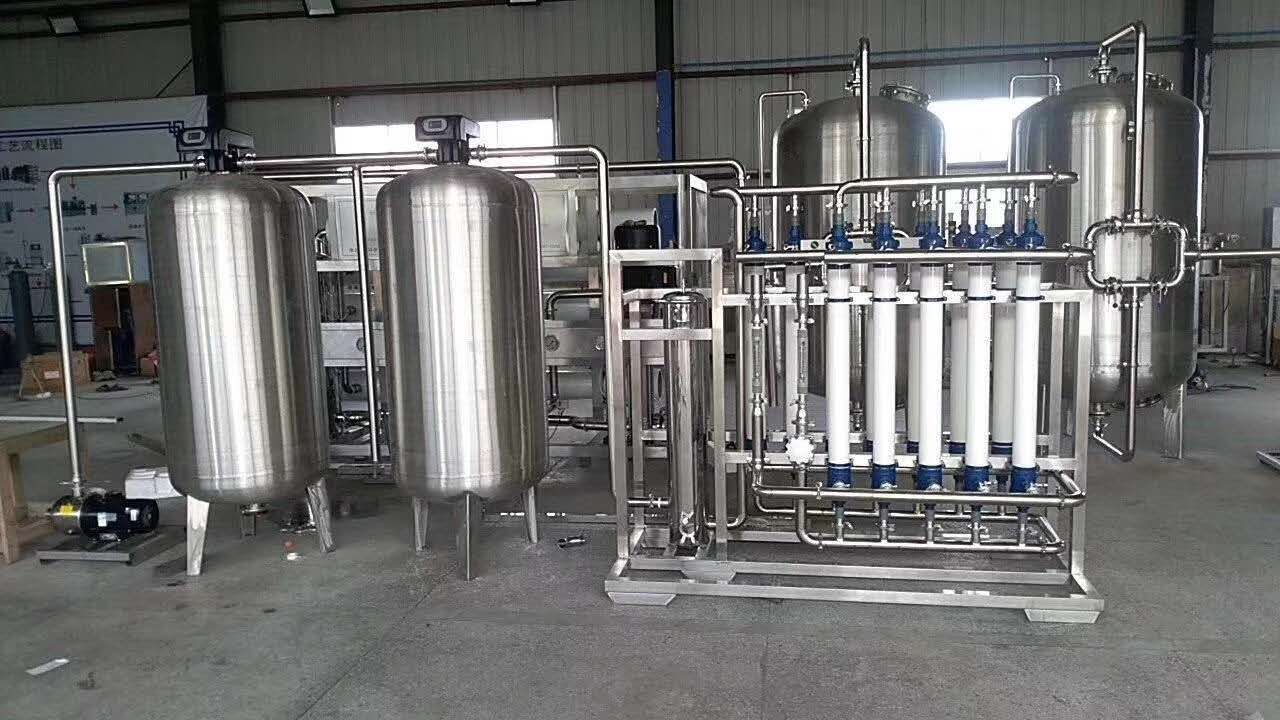
Bottled Spring Water Filling Production Line
Chuxin Mingwei’s customized bottled spring water filling production line is specifically...
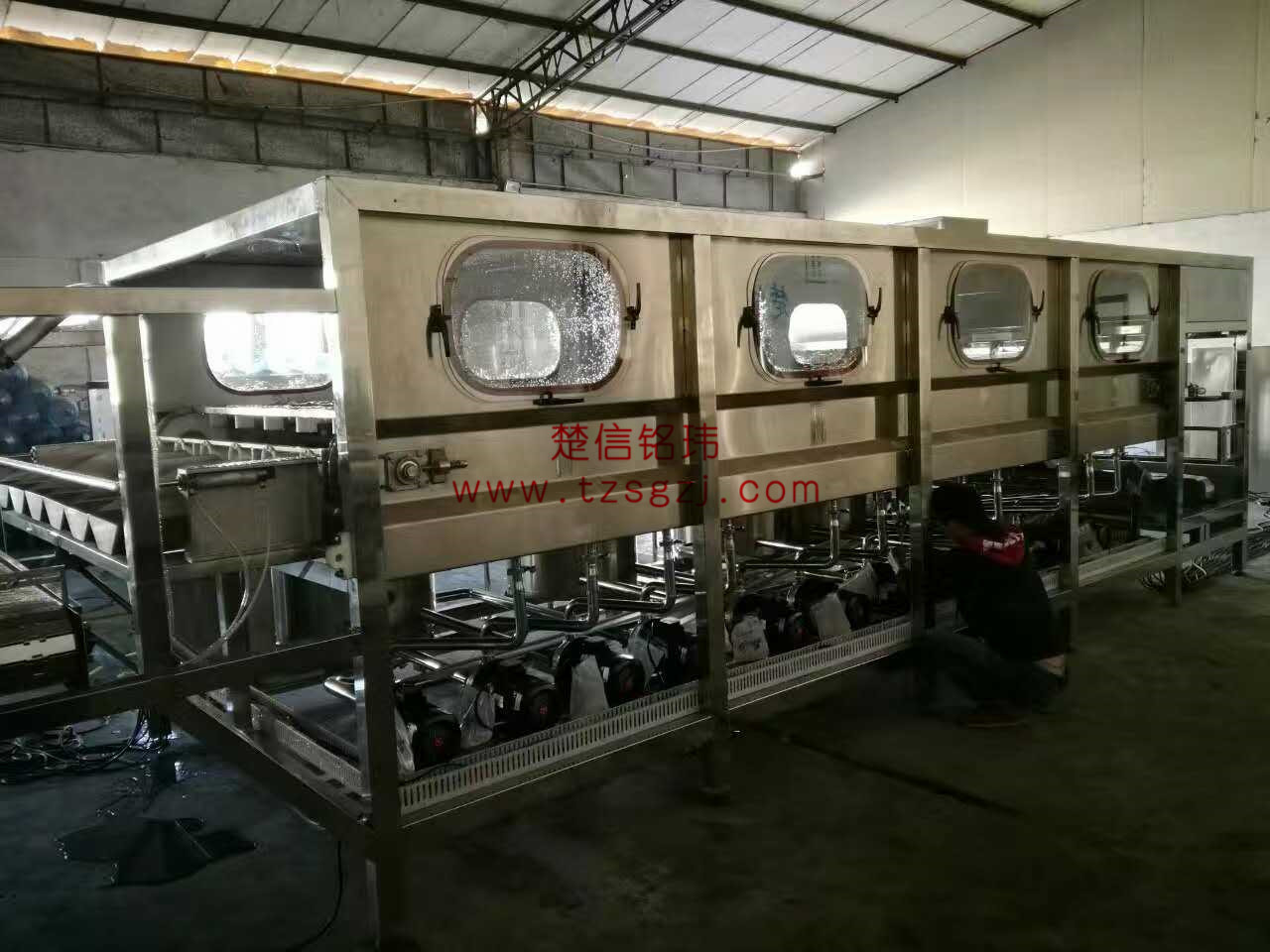
Fully Automatic Bottled Purified Water Filling Production Line
Chuxin Mingwei’s customized fully automatic bottled purified water filling production li...
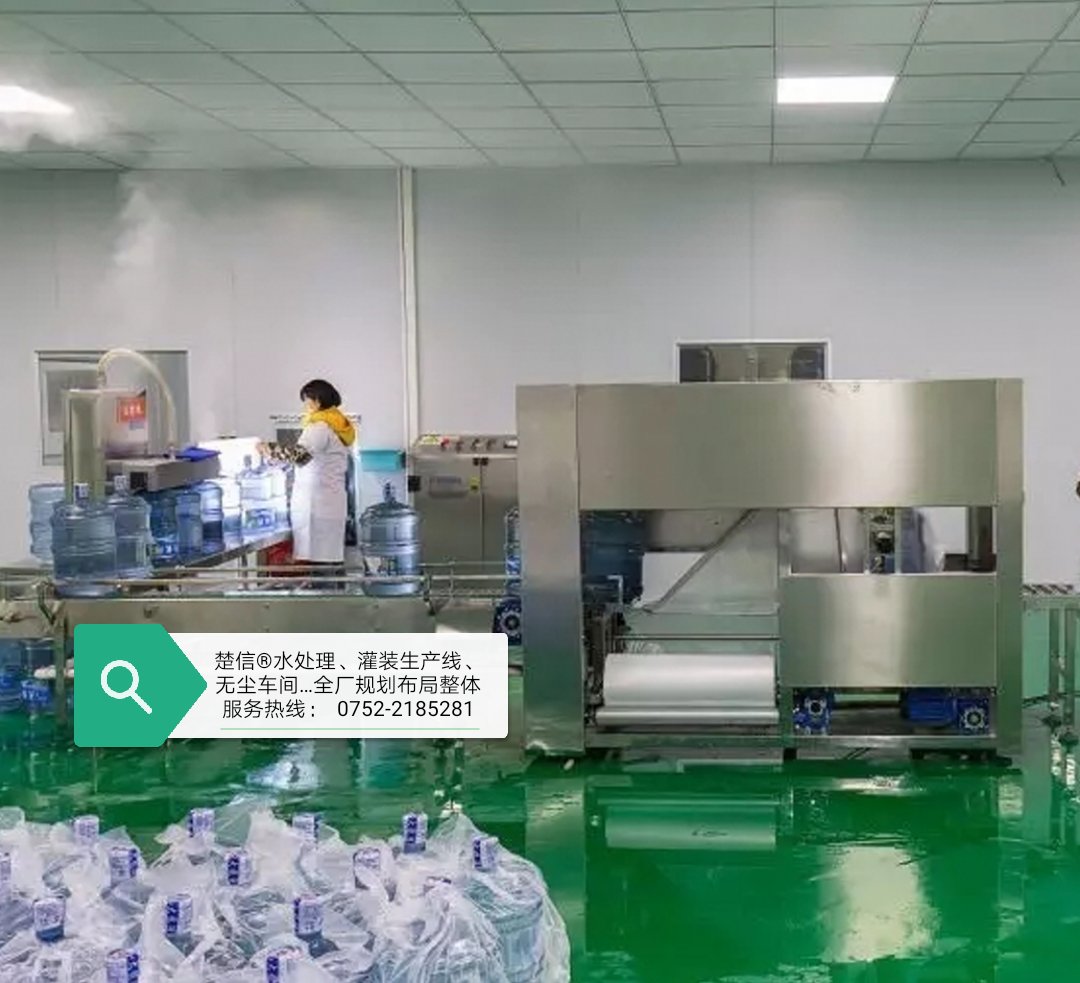
Clean Air Purification Systems
Custom-engineered air purification systems for water bottling and barrelled water fillin...