
Automatic Bottle Washing-Filling-Capping Machine: Pricing Factors & Configuration Guide
Automatic Bottle Washing-Filling-Capping Machine: Pricing Factors & Configuration Guide
When evaluating an automatic bottle washing-filling-capping machine, procurement teams often seek a standard price list. However, in the industrial equipment sector—particularly for water treatment and bottling lines—pricing is not static. It is determined by a complex interplay of source water quality, target output capacity, packaging formats, and hygiene standards.
At Chuxin Mingwei, we engineer non-standard, site-specific solutions. This guide breaks down the key factors that influence the investment required for your bottled or barrelled water production line, helping you align your budget with technical realities.
1. Core Technology: Purification Process Determines Base Cost
The most significant variable in your total project cost is the water treatment system preceding the filler. The choice depends entirely on your raw water source and the final product standard.
- Reverse Osmosis (RO) Systems:*
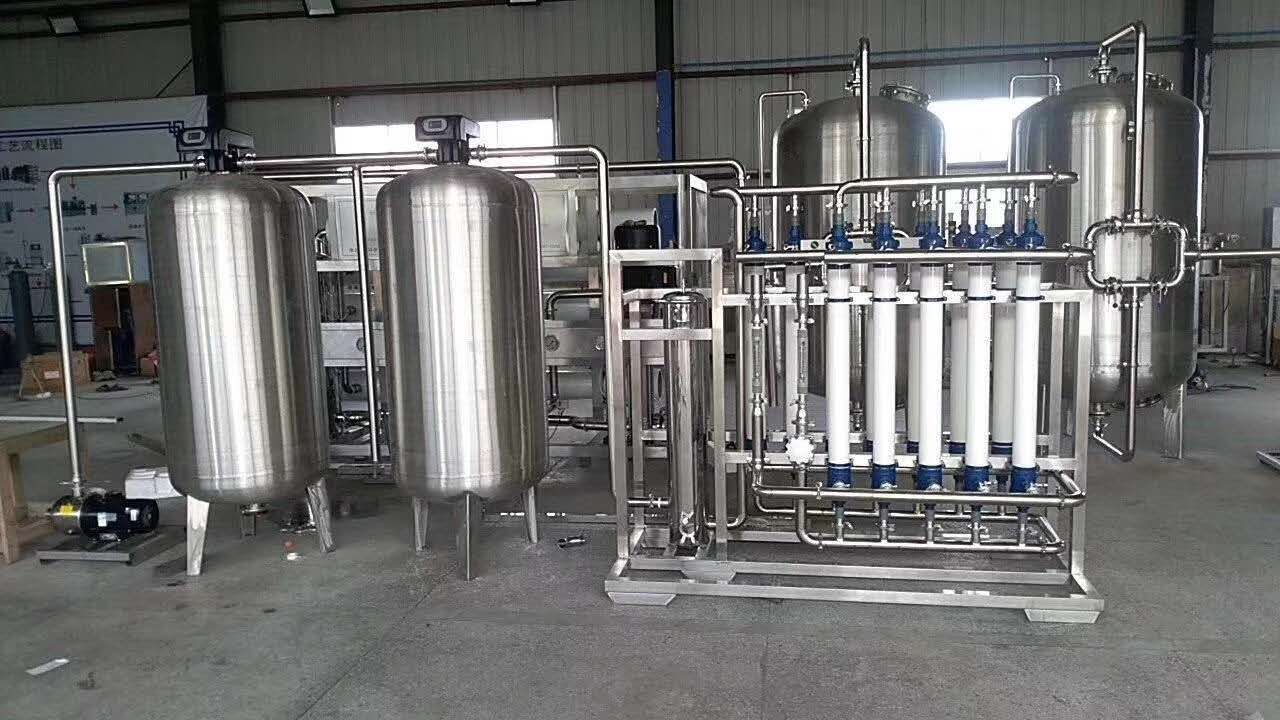
- For purified water, a dual-stage RO process is standard. This involves multi-media filtration, activated carbon, and high-pressure pumps to remove nearly all minerals and impurities. RO systems are robust but require higher energy input and more complex pre-treatment, influencing both equipment and operational costs.
- Nanofiltration (NF) + Ultrafiltration (UF):*
- For natural spring water, preserving minerals while removing contaminants is critical. An NF + UF process balances purification efficiency with mineral retention. While this may reduce certain chemical dosing needs, the membrane technology itself carries specific maintenance and replacement cost considerations.
Decision Point: Do not select a purification method based on equipment price alone. Consider the long-term cost of consumables (membranes, filters) and energy usage relative to your water source analysis.
2. Production Capacity & Bottle Format
Your rated output capacity directly scales the size and complexity of the washing-filling-capping monoblock.
- Capacity Range:*
- Chuxin Mingwei lines typically range from 200 to 2,500 bottles per hour (based on 18.9L barrels) or up to higher speeds for smaller PET bottles. A line designed for 200 bottles/hour will have significantly different pump sizes, valve counts, and conveyor lengths compared to a 2,500 bottles/hour line.
- Bottle Size Compatibility:*
- Handling 18.9L (5-gallon) barrels requires heavy-duty mechanical structures and precise clamping mechanisms, whereas 500mL–1.5L PET bottles require high-speed rotary fillers and delicate handling guides. Switching between formats often requires change parts, which adds to the initial configuration cost if flexibility is required.
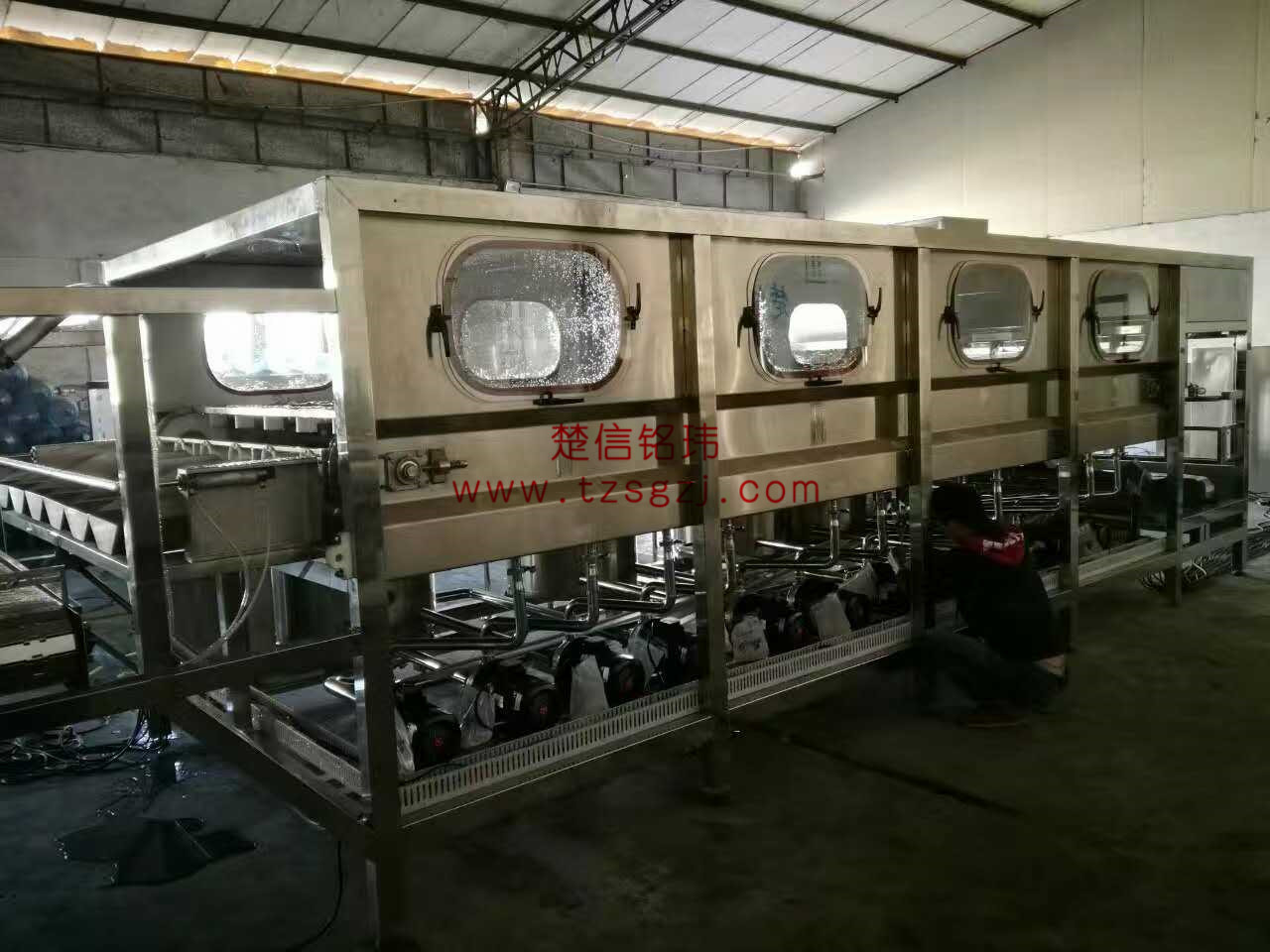
Key Fact: Our fully automatic lines integrate synchronized bottle washing, filling, capping, and inspection processes. Achieving consistent performance at higher speeds requires premium components in the filling valves and capping heads, impacting the unit price.
3. Automation Level & Control Systems
The degree of automation affects labor costs and equipment footprint.
- PLC-Based Intelligent Control:*
- Modern lines use PLCs with HMI (Human-Machine Interface) for real-time diagnostics. Standard configurations include basic monitoring, while advanced options offer remote-ready interfaces for predictive maintenance.
- Integrated Workflow:*
- A true "washing-filling-capping" monoblock minimizes manual intervention. Lower-cost alternatives might separate these stages, increasing floor space requirements and contamination risks. We prioritize integrated units to ensure hygiene and stability.
4. Hygiene Standards & Clean Air Support
For pharmaceutical, food, and premium beverage clients, the environment surrounding the filler is as important as the machine itself.
- Cleanroom Requirements:*
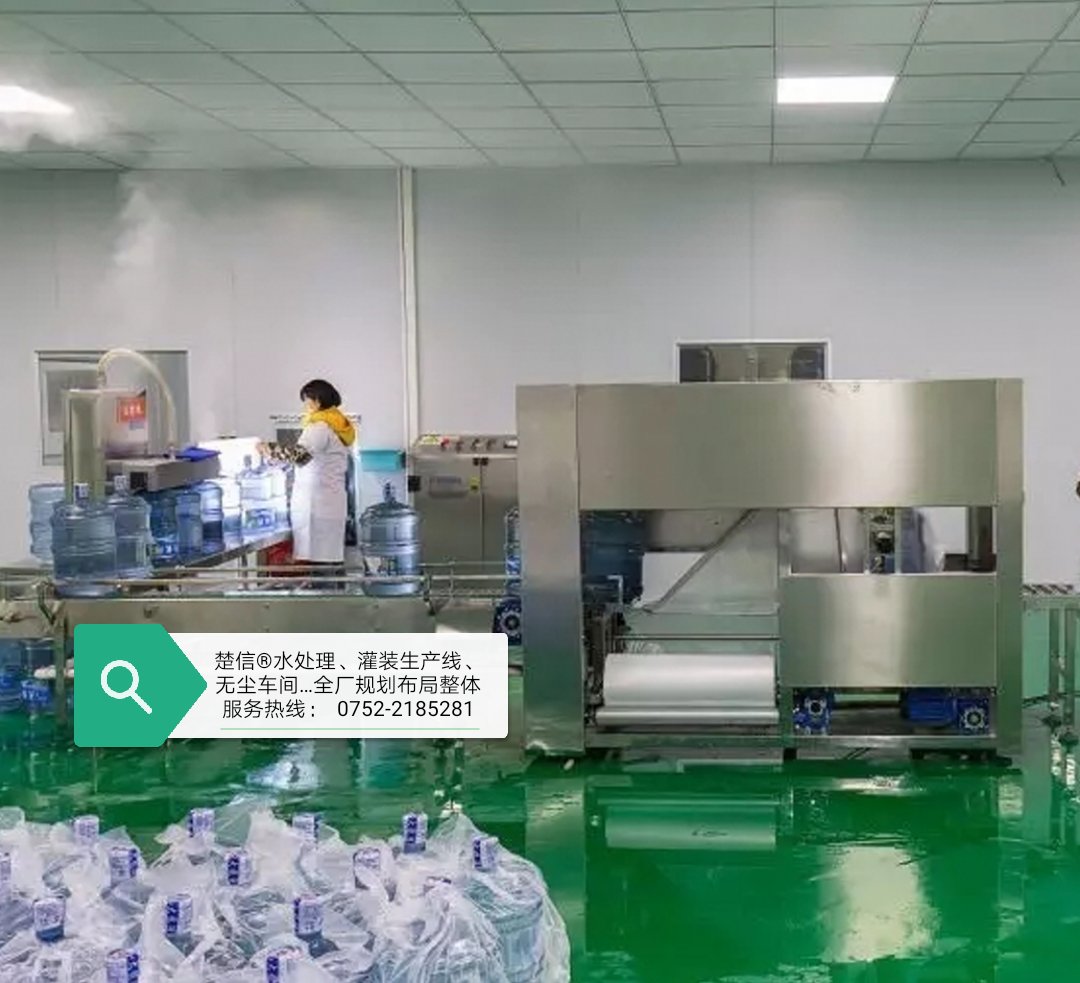
- If your facility requires ISO Class 8 (100,000) or Class 7 (10,000) clean air support, you must budget for HEPA filtration systems (H13 efficiency). These systems are custom-engineered for airflow (1,500 – 20,000 m³/h) and pressure zoning.
- Sterilization Methods:*
- Integration of ozone and UV (254 nm) dual sterilization within the filling loop adds to the capital expenditure but is essential for meeting strict microbiological standards without excessive thermal processing.
5. Service Scope: Beyond Equipment Purchase
A transparent quote should clarify what is included. Chuxin Mingwei delivers end-to-end engineering services:
- Design: Site-specific layout based on facility constraints.
- Manufacturing: Custom fabrication of tanks, frames, and piping.
- Installation & Commissioning: On-site assembly and performance validation.
- Training: Operator training to ensure long-term maintainability.
Warning: Low initial quotes may exclude installation, commissioning, or operator training, leading to hidden costs during project execution.
Conclusion: How to Approach Your Budget
There is no single "price tag" for an automatic bottle washing-filling-capping machine. Your final investment is a function of:
- Water Quality: RO vs. NF/UF technology.
- Throughput: Bottles per hour and bottle size.
- Hygiene: Clean air integration and sterilization methods.
- Service: Inclusion of design, installation, and training.
To receive an accurate quotation, provide your source water analysis report, target daily production volume, and facility layout. This allows our engineers to map equipment capabilities to your real-world operational context, ensuring stability and applicability.
Next Steps
Ready to define your project scope? Contact our engineering team for a preliminary consultation. We will help you balance technical requirements with budget constraints to deliver a sustainable production solution.
[Contact Chuxin Mingwei Engineering Team]
Recommended
Bottled Spring Water Filling Production Line
Chuxin Mingwei’s customized bottled spring water filling production line is specifically...
Fully Automatic Bottled Purified Water Filling Production Line
Chuxin Mingwei’s customized fully automatic bottled purified water filling production li...
Clean Air Purification Systems
Custom-engineered air purification systems for water bottling and barrelled water fillin...