Verifying RO Output Capacity Against Filling Line Throughput for GB19298-2014 Compliance
Verifying RO Output Capacity Against Filling Line Throughput for GB19298-2014 Compliance
For operations leads and procurement managers managing bottled purified water facilities, a common yet critical failure point occurs when the water treatment system cannot sustain the flow rate required by the filling line during peak operation. This mismatch leads to frequent stops, inconsistent fill levels, and potential deviations from GB19298-2014 hygiene standards due to pressure fluctuations in the sterile loop.
This diagnostic guide outlines how to verify that your Fully Automatic Bottled Purified Water Filling Production Line is correctly balanced with its upstream water treatment unit, specifically focusing on the two-stage RO (Reverse Osmosis) process central to Chuxin Mingwei's engineered solutions.
The Core Conflict: Nominal vs. Effective Capacity
A frequent error in daily operations is assuming the nominal flow rate of the high-pressure pump equals the actual purified water output. In reality, the effective capacity of a reverse osmosis system is dynamic. It fluctuates based on raw water temperature, total dissolved solids (TDS), and membrane fouling status.
When a filling line operates at a rated capacity of 200–2,500 bottles/hour (customizable based on 5L, 11.3L, or 18.9L formats), the water demand is instantaneous. If the RO system's recovery rate drops below the consumption rate of the filling valves, the intermediate sterile tank level falls, causing the filler to starve. Conversely, if the RO system is oversized without proper circulation logic, water stagnation can occur, risking microbial regrowth before disinfection.
Critical Validation Parameters
To ensure alignment, operators must validate three specific technical boundaries inherent to the dual-stage RO deep purification combined with ozone and UV (254 nm) dual sterilization architecture:
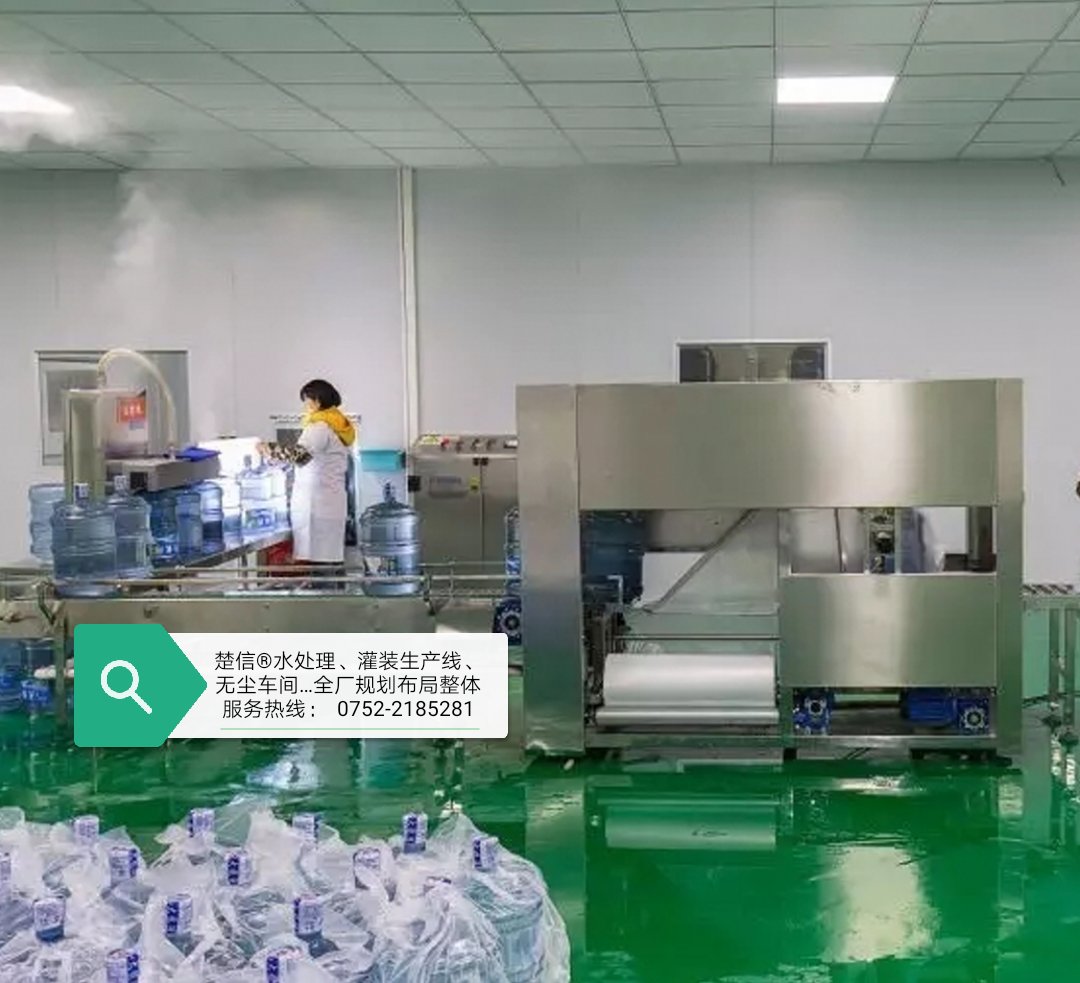
- Recovery Rate Stability: Under standard operating conditions, a two-stage RO system typically achieves a specific recovery percentage. However, as raw water TDS increases or temperature drops (common in winter), the flux decreases. You must verify if your current raw water conditions allow the system to produce enough permeate to keep the sterile tank above the low-level sensor threshold during continuous filling cycles.
- Disinfection Synchronization: The integration of ozone and UV sterilization must match the flow velocity. If the RO output surges beyond the designed contact time for the UV reactor (254 nm), the log reduction value for pathogens may drop, compromising GB19298-2014 compliance. The system must maintain a consistent flow to ensure every liter receives the required dose.
- Pressure Zoning: The transition from the RO skid to the filling machine involves distinct pressure zones. A sudden demand spike from the filler should not cause a pressure collapse in the RO concentrate loop, which can damage membranes.
Operational Diagnosis Steps
For teams running Bottled Purified Water Filling Lines, the following checklist helps identify capacity mismatches before they result in downtime or quality incidents:
- Check Real-Time Conductivity Trends: Monitor the conductivity of the product water immediately after the second RO stage. Spikes during high-speed filling indicate the system is being pushed beyond its optimal recovery limit, potentially forcing lower-quality water through the membranes.
- Verify Sterile Tank Dynamics: Observe the level fluctuation in the sterile storage tank during a full-speed run. If the level consistently hovers near the low-alarm point, the RO production rate is insufficient for the selected filling accuracy (≤ ±2 mL)
- regime.
- Audit Pre-Treatment Performance: Since the core purification process includes multi-media + activated carbon
- filtration, any breakthrough in turbidity or chlorine here will rapidly foul the RO membranes, reducing effective capacity. Ensure pre-filters are changed based on differential pressure, not just a calendar schedule.
Implementation Boundaries and Service Scope
It is important to recognize that off-the-shelf calculations often fail to account for site-specific variables. Chuxin Mingwei's approach emphasizes non-standard, site-specific engineering.
- Source Water Dependency: The actual output of your RO system is strictly bound by your raw water analysis. A system designed for low-TDS municipal water will underperform if switched to high-salinity well water without reconfiguration.
- Packaging Format Impact: Switching between 5 L, 11.3 L, and 18.9 L
- bottles changes the hydraulic demand profile. A line optimized for small bottles may experience different surge patterns when running large 5-gallon containers, requiring adjustments in the PLC control logic to smooth out water demand.
- Delivery Execution: Our engineering services include not just manufacturing but commissioning and operator training. During this phase, we calibrate the interlock between the water treatment skid and the filler to ensure the "stop-start" cycles do not degrade membrane life or water quality.
Next Steps for Optimization
If your current line experiences frequent stops due to water shortage, or if you are planning an upgrade to increase throughput, a generic calculation is insufficient. You need a validation based on your actual source water report and target production mix.
Chuxin Mingwei provides end-to-end engineering services that prioritize stability, applicability, and long-term maintainability. We do not simply sell equipment; we engineer the balance between your water source and your packaging goals.
Contact our technical team to review your current water quality data and production logs. We can assist in verifying whether your existing RO configuration supports your desired filling speed under GB19298-2014 standards or recommend specific modifications to your industrial purification system to eliminate bottlenecks.
Note: Specific performance metrics depend on final equipment configuration, raw water quality, and site conditions. All claims regarding capacity and compliance are subject to verification through on-site commissioning and testing.
Recommended
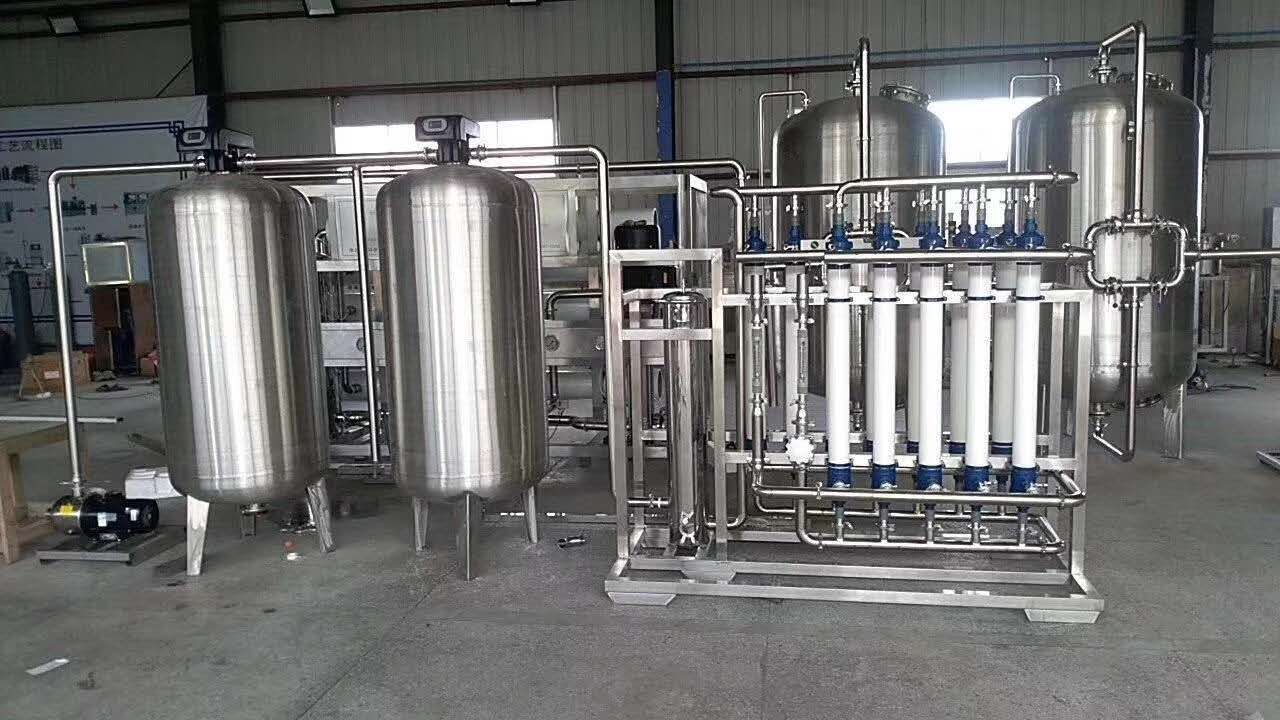
Bottled Spring Water Filling Production Line
Chuxin Mingwei’s customized bottled spring water filling production line is specifically...
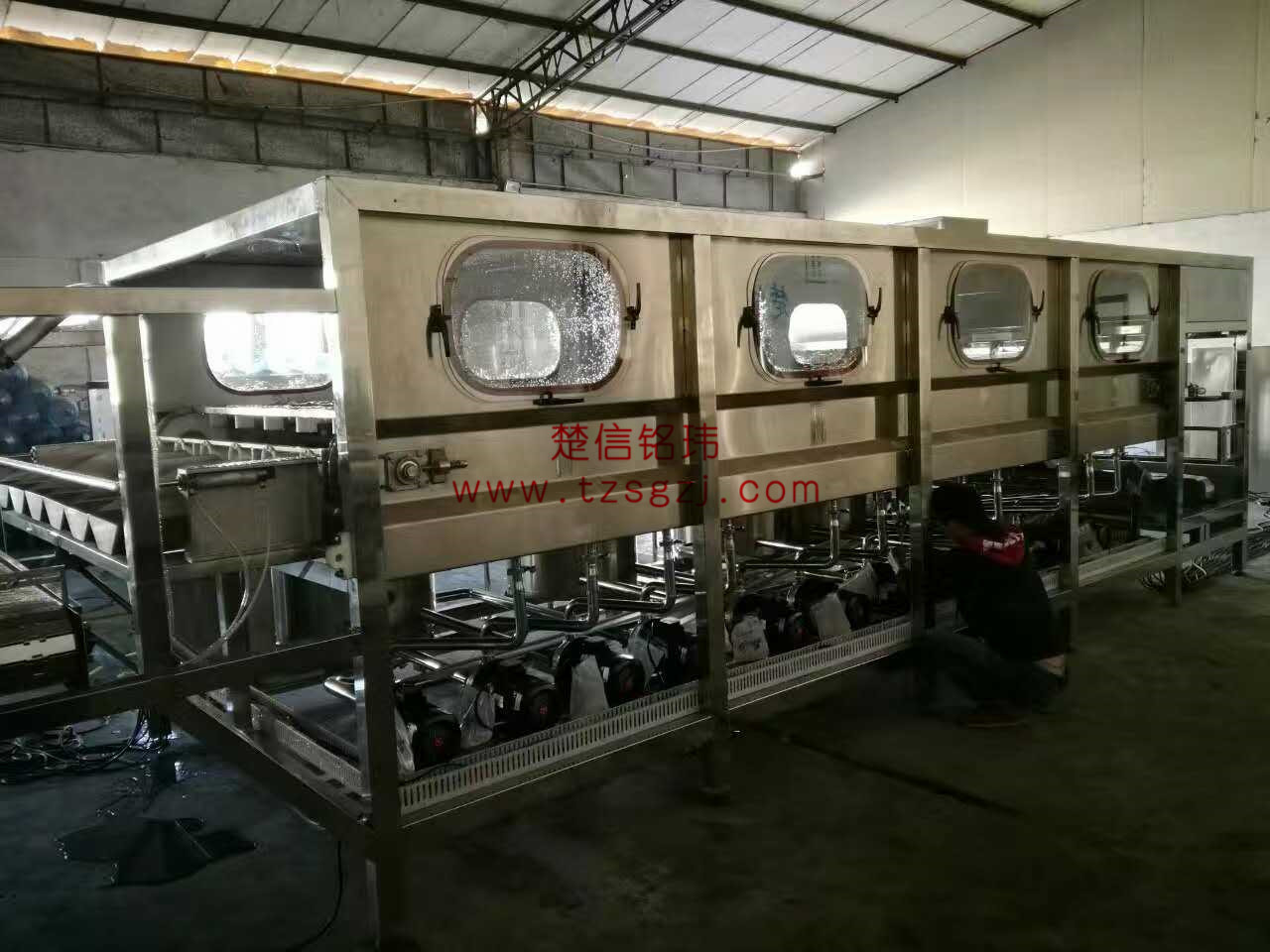
Fully Automatic Bottled Purified Water Filling Production Line
Chuxin Mingwei’s customized fully automatic bottled purified water filling production li...
Clean Air Purification Systems
Custom-engineered air purification systems for water bottling and barrelled water fillin...