How to Troubleshoot Common Faults in Bottled Water Filling Equipment: Causes, Diagnosis & Solutions
Published: 2026-07-27
How to Troubleshoot Common Faults in Bottled Water Filling Equipment: Causes, Diagnosis & Solutions \\[TOC]\\[pagebreak]\n
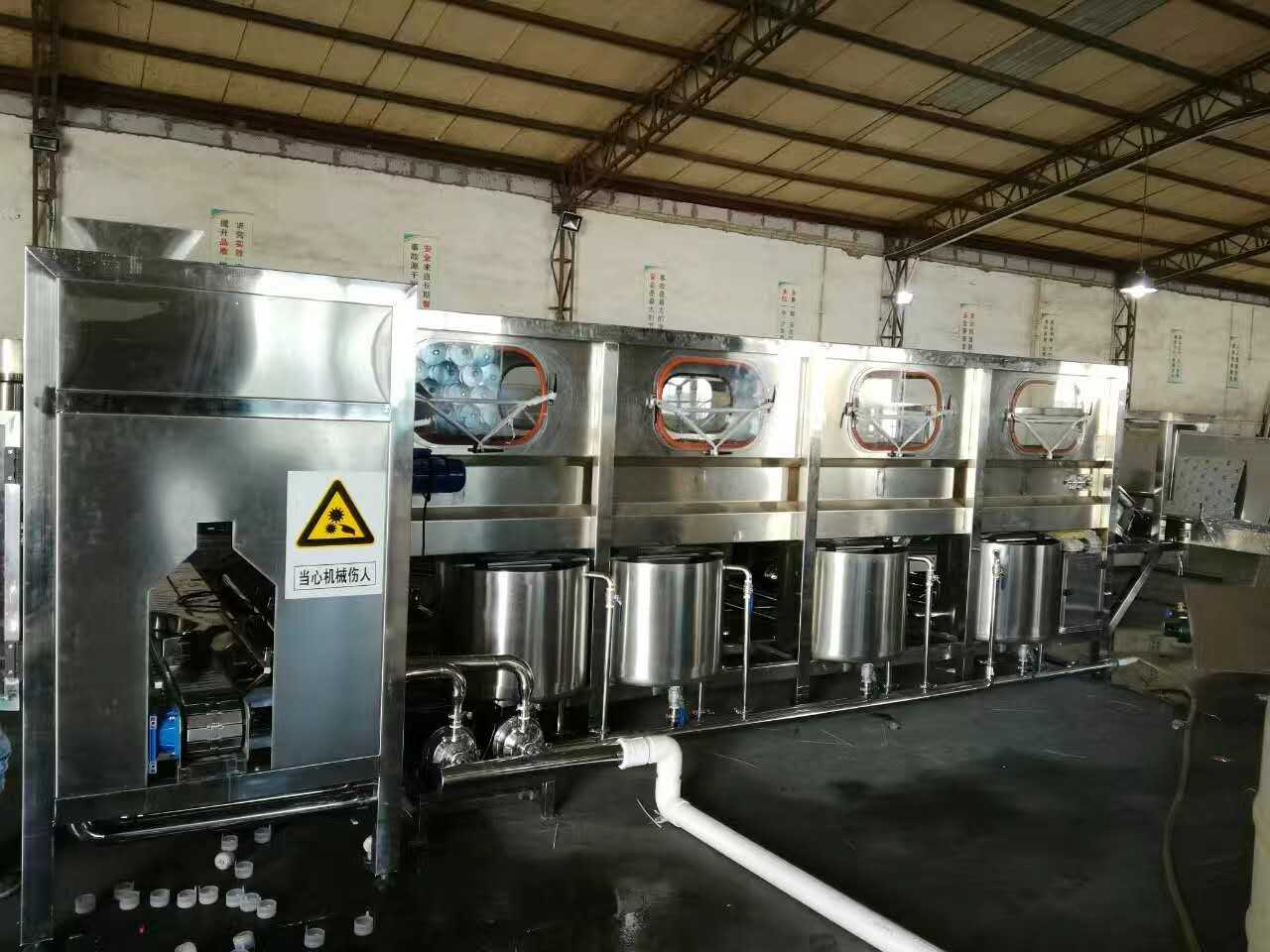
Introduction \\[pagebreak]\nFor procurement managers, operations leads, and digital project teams in the beverage, food, pharmaceutical, and electronics industries, maintaining the efficiency and reliability of bottled water filling equipment is crucial. Chuxin Mingwei provides end-to-end engineering services, including design, manufacturing, installation, commissioning, operator training, and after-sales support. This guide will help you troubleshoot common faults, ensuring minimal downtime and optimal performance. \\[pagebreak]\n
Common Faults and Their Causes \\[pagebreak]\n
1. Inaccurate Filling \\[pagebreak]\nSymptoms: The filled bottles do not contain the correct volume of water. \\[pagebreak]\nCauses:\\\n- Worn or damaged filling nozzles: Over time, nozzles can wear out, leading to inconsistent filling. \\[pagebreak]\n- Incorrect calibration: The filling machine may need recalibration to ensure accurate volume. \\[pagebreak]\n- Air bubbles in the water supply: Air bubbles can interfere with the filling process, causing inaccuracies. \\[pagebreak]\nSolution:\\\n- Inspect and replace nozzles: Regularly check the nozzles for wear and replace them as needed. \\[pagebreak]\n- Recalibrate the machine: Follow the manufacturer's guidelines to recalibrate the filling machine. \\[pagebreak]\n- Check the water supply: Ensure that the water supply is free from air bubbles by checking the filtration and degassing systems. \\[pagebreak]\n
2. Capping Issues \\[pagebreak]\nSymptoms: Caps are not properly sealed, or there is a high rate of cap rejection. \\[pagebreak]\nCauses:\\\n- Worn capping heads: Capping heads can wear out over time, leading to poor sealing. \\[pagebreak]\n- Incorrect cap alignment: Misaligned caps can cause sealing issues. \\[pagebreak]\n- Inadequate cap supply: If the cap supply is not consistent, it can lead to capping problems. \\[pagebreak]\nSolution:\\\n- Replace capping heads: Inspect the capping heads and replace them if they show signs of wear. \\[pagebreak]\n- Adjust cap alignment: Ensure that the caps are correctly aligned before the capping process. \\[pagebreak]\n- Check cap supply: Verify that the cap supply system is functioning correctly and that there are no blockages. \\[pagebreak]\n
3. Bottle Handling Issues \\[pagebreak]\nSymptoms: Bottles are not being handled correctly, leading to jams or breakages. \\[pagebreak]\nCauses:\\\n- Worn conveyor belts: Conveyor belts can wear out, causing bottles to slip or jam. \\[pagebreak]\n- Misaligned guides: Guides that are not properly aligned can cause bottles to misalign or fall. \\[pagebreak]\n- Improper bottle spacing: Incorrect spacing between bottles can lead to jams. \\[pagebreak]\nSolution:\\\n- Inspect and replace conveyor belts: Regularly check the conveyor belts for wear and replace them as needed. \\[pagebreak]\n- Adjust guides: Ensure that all guides are correctly aligned to prevent bottle misalignment. \\[pagebreak]\n- Adjust bottle spacing: Check and adjust the spacing between bottles to prevent jams. \\[pagebreak]\n
Practical Steps for Troubleshooting \\[pagebreak]\n
1. Regular Maintenance \\[pagebreak]\nRegular maintenance is key to preventing common faults. This includes:\\\n- Inspection of critical components: Regularly inspect nozzles, capping heads, and conveyor belts. \\[pagebreak]\n- Cleaning and lubrication: Keep the equipment clean and well-lubricated to ensure smooth operation. \\[pagebreak]\n- Calibration checks: Periodically check and recalibrate the filling and capping systems. \\[pagebreak]\n
2. Operator Training \\[pagebreak]\nEnsure that operators are well-trained and familiar with the equipment. This includes:\\\n- Understanding the equipment: Operators should understand the function and operation of each component. \\[pagebreak]\n- Troubleshooting skills: Train operators to recognize and address common faults. \\[pagebreak]\n- Safety procedures: Ensure that operators follow all safety protocols. \\[pagebreak]\n
3. Documentation and Record-Keeping \\[pagebreak]\nMaintain detailed records of maintenance, repairs, and operator training. This includes:\\\n- Maintenance logs: Keep a log of all maintenance activities, including inspections, repairs, and calibrations. \\[pagebreak]\n- Training records: Document all operator training sessions and certifications. \\[pagebreak]\n- Fault reports: Record any faults, their causes, and the steps taken to resolve them. \\[pagebreak]\n
Conclusion \\[pagebreak]\nBy following these troubleshooting steps and maintaining regular maintenance, you can minimize downtime and ensure the efficient operation of your bottled water filling equipment. Chuxin Mingwei is committed to providing comprehensive after-sales support, including on-site service, remote diagnostics, and ongoing training. For more information or to schedule a service visit, contact our support team. \\[pagebreak]\n
Next Steps \\[pagebreak]\n- Contact our support team: If you encounter any issues, reach out to our support team for assistance. \\[pagebreak]\n- Schedule a maintenance check: Regular maintenance is essential for the longevity and reliability of your equipment. \\[pagebreak]\n- Review our other resources: Explore our other articles and resources for more tips and best practices. \\[pagebreak]
