
Can softening equipment alone meet the requirements for a food-grade water treatment system?
No, water softening alone is insufficient for most food-grade or bottled water applications. While ion-exchange softening effectively reduces hardness by removing calcium and magnesium ions, it does not remove dissolved salts, microorganisms, organic contaminants, or viruses. Relying solely on softening fails to meet the purity standards required for purified water production or strict hygiene protocols in pharmaceutical and beverage sectors.
Why Softening Is Not Enough
Softening is a pre-treatment step, not a final purification solution. It addresses scale prevention but leaves behind total dissolved solids (TDS) and biological risks. For example:
- Purified Water Requirements: Chuxin Mingwei’s Fully Automatic Bottled Purified Water Filling Production Line utilizes a dual-stage RO reverse osmosis deep purification process. This ensures the removal of dissolved salts and impurities that softening cannot address, combined with ozone and UV sterilization for microbiological safety.
- Spring Water Requirements: For natural spring water, the goal is to balance purification with mineral retention. The Bottled Spring Water Filling Production Line employs a Dual-membrane NF (Nanofiltration) + UF (Ultrafiltration) process. This selectively removes contaminants while preserving beneficial minerals, a capability far beyond simple softening.
When Is Softening Appropriate?
Softening is typically used as a pre-treatment stage before RO or NF membranes to prevent scaling and extend membrane life. It may be sufficient only for non-consumable industrial uses where low hardness is the sole requirement, such as certain boiler feed waters or cooling systems, provided no microbial control is needed.
Next Steps for Evaluation
To determine the correct configuration for your facility:
- Analyze Source Water: Provide a full water quality report (including TDS, hardness, and microbial data) to assess if softening is needed as pre-treatment.
- Define Product Standard: Clarify whether you are producing purified water (requiring RO), spring water (requiring NF/UF), or general industrial water.
- Contact Engineering Team: Share your target capacity and packaging format (e.g., 18.9L barrels or PET bottles). Our team will design a site-specific solution that integrates appropriate pre-treatment, core purification, and sterilization stages.
Recommended
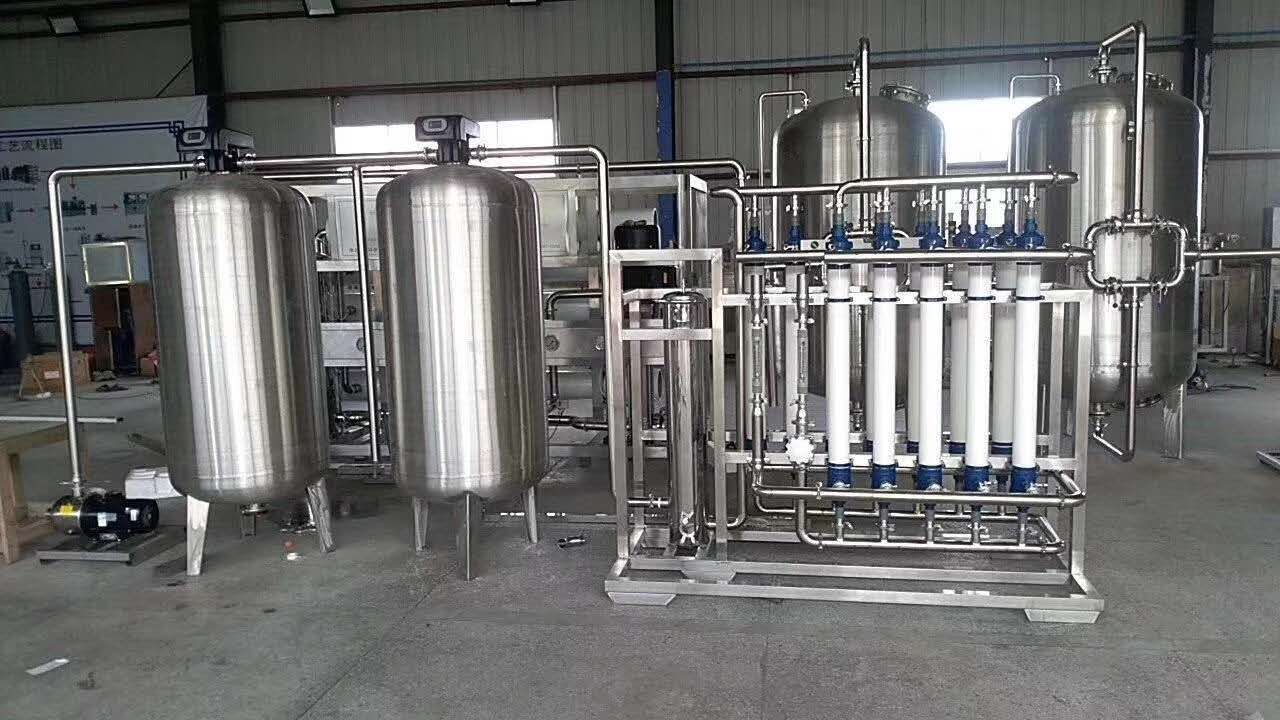
Bottled Spring Water Filling Production Line
Chuxin Mingwei’s customized bottled spring water filling production line is specifically...
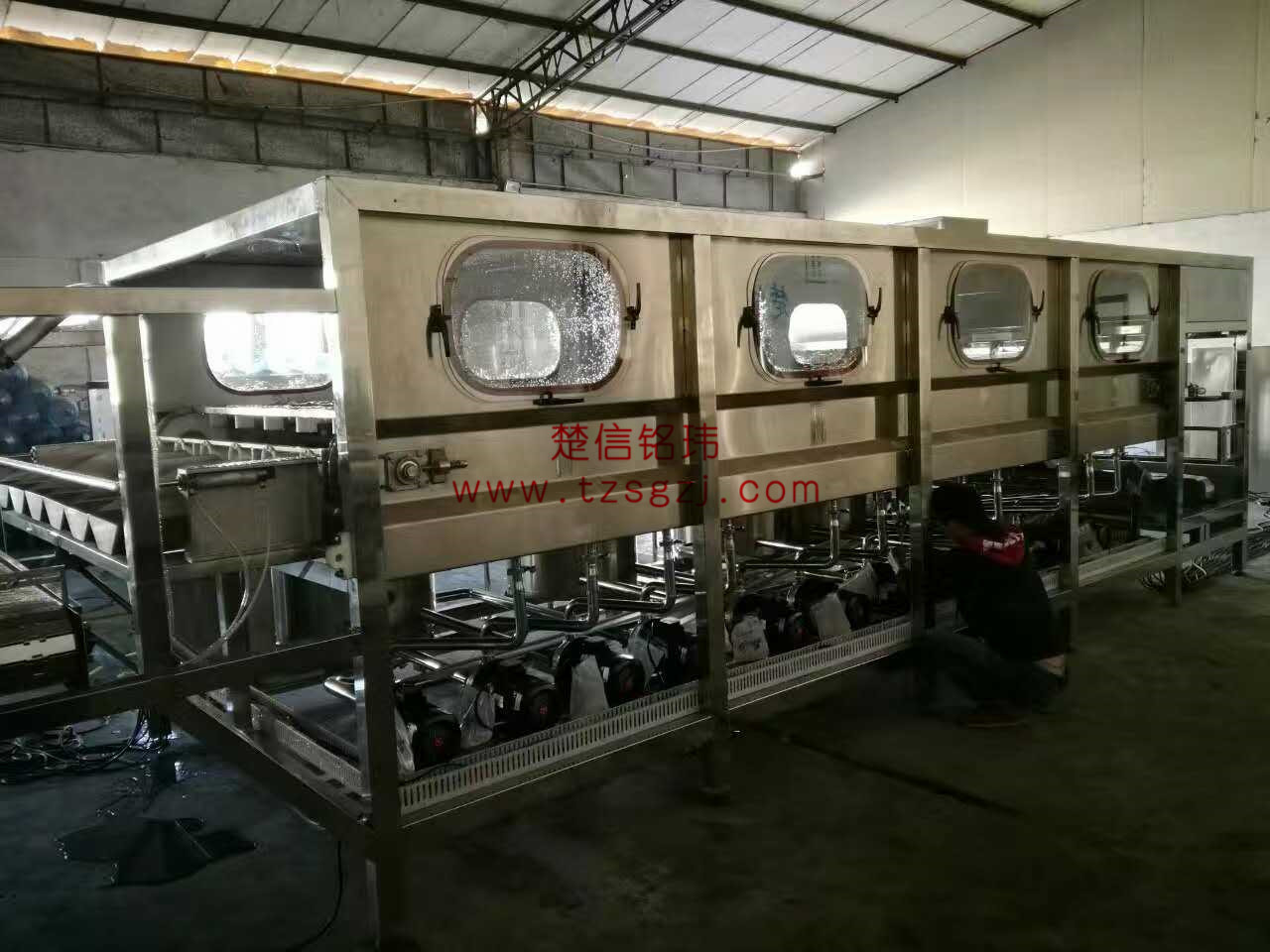
Fully Automatic Bottled Purified Water Filling Production Line
Chuxin Mingwei’s customized fully automatic bottled purified water filling production li...
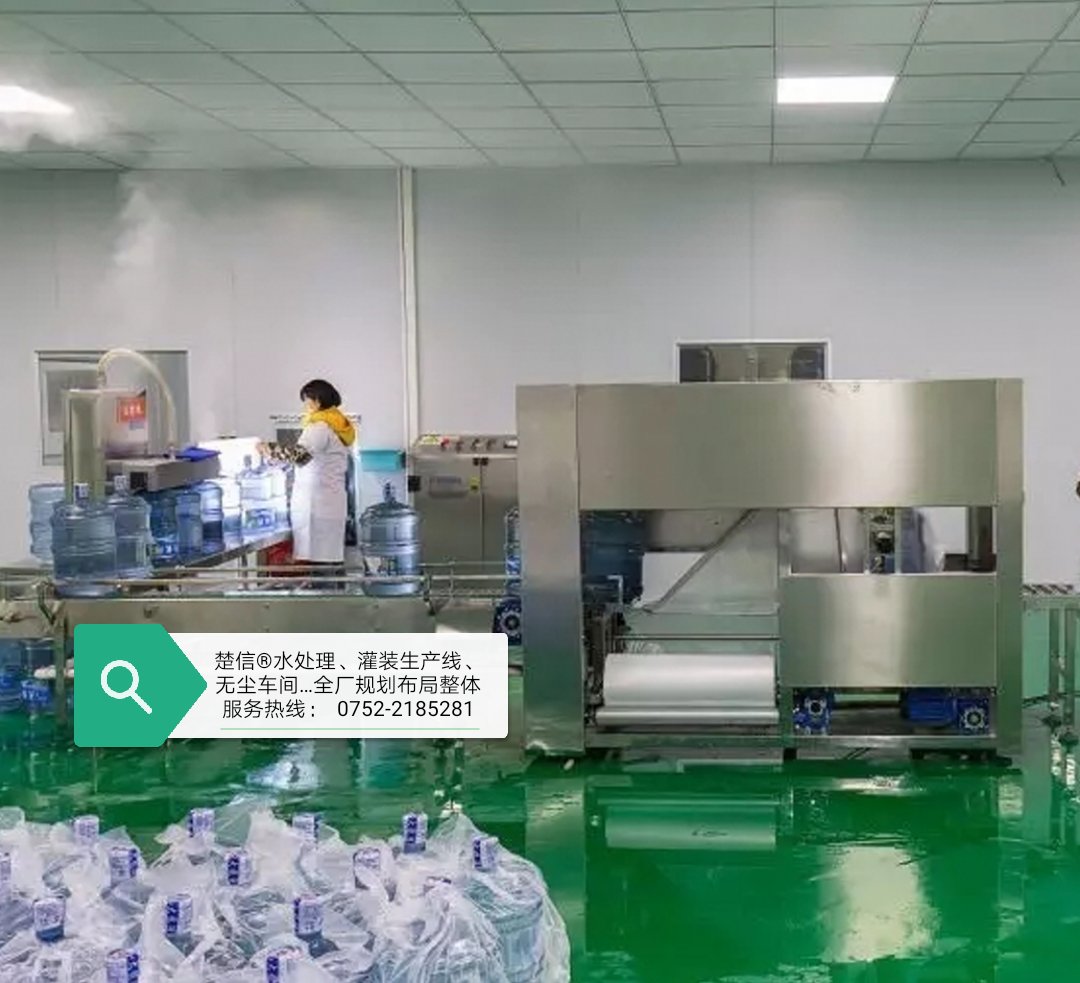
Clean Air Purification Systems
Custom-engineered air purification systems for water bottling and barrelled water fillin...