Choosing the Right Water Treatment Technology: RO, UF, Multi-Media Filtration, and EDI
Choosing the Right Water Treatment Technology: RO, UF, Multi-Media Filtration, and EDI
Introduction
In industrial settings such as beverage, food, pharmaceutical, and electronics manufacturing, selecting the appropriate water treatment technology is crucial. This guide compares Reverse Osmosis (RO), Ultrafiltration (UF), Multi-Media Filtration, and Electrodeionization (EDI) to help you determine the best fit for your facility.
Understanding the Technologies
Reverse Osmosis (RO)
RO systems remove dissolved salts, organic compounds, and other impurities from water. Ideal for applications requiring high-purity water.
Key Applications:
- Pharmaceutical grade water
- Electronics-grade water purification
Ultrafiltration (UF)
UF uses membranes to filter out particles, bacteria, and viruses. Effective for pre-treatment before RO or standalone use in removing suspended solids and microorganisms.
Key Applications:
- Pre-treatment for RO systems
- Beverage industry water purification
Multi-Media Filtration
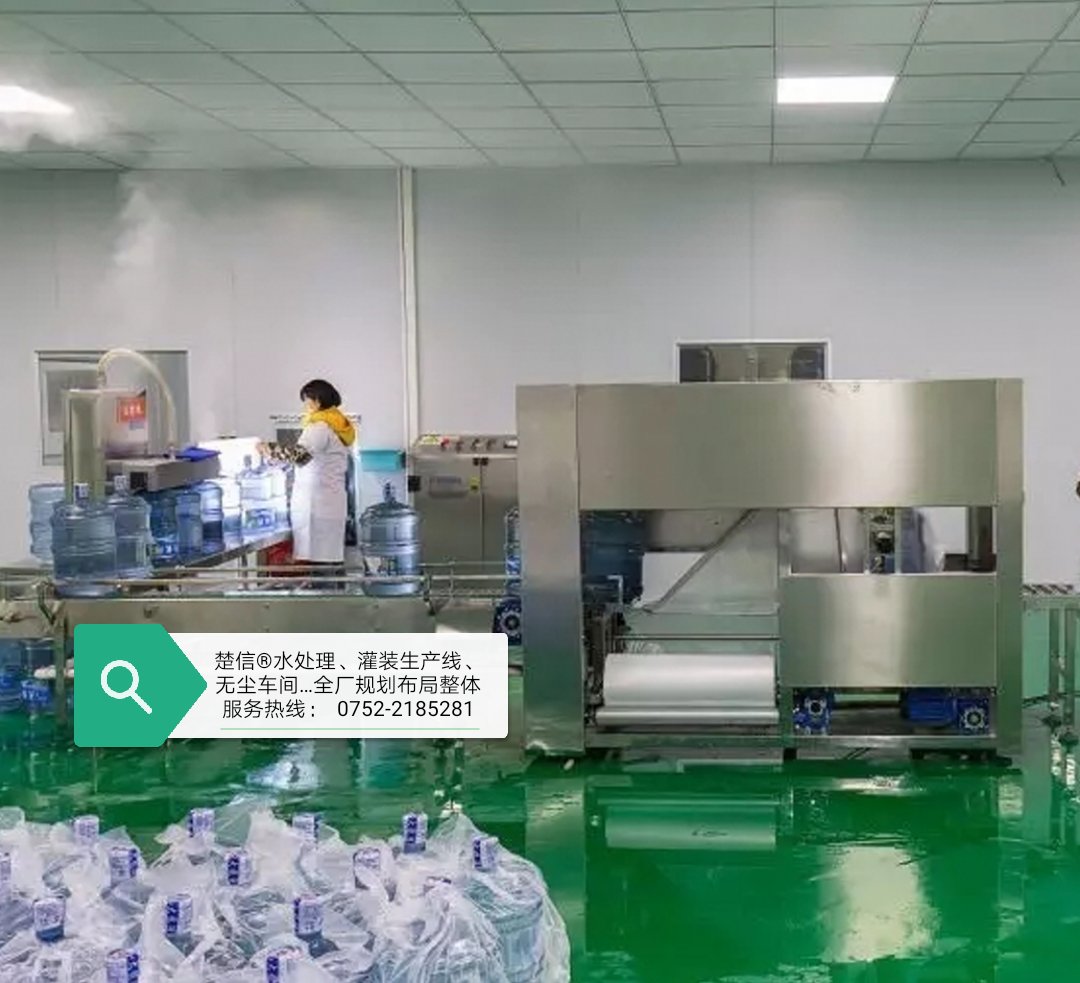
Multi-Media Filtration removes larger particles and contaminants using layers of different media types. Commonly used as a pre-treatment step before finer filtration methods like RO and UF.
Key Applications:
- Pre-treatment for RO and UF systems
- Industrial wastewater treatment
Electrodeionization (EDI)
EDI combines ion exchange resins with electric current to produce high-purity water without chemical regeneration. Suitable for applications demanding consistent water quality.
Key Applications:
- Power plants
- Semiconductor manufacturing
Selection Criteria
When choosing among these technologies, consider the following factors:
Water Quality Requirements
- RO: Best for ultra-pure water needs.
- UF: Suitable for removing bacteria and viruses.
- Multi-Media Filtration: Effective for large particle removal.
- EDI: Ideal for continuous high-purity water production.
Production Capacity
- RO: High capacity but requires significant energy.
- UF: Moderate capacity with lower energy consumption.
- Multi-Media Filtration: High throughput for large-scale operations.
- EDI: Continuous operation with moderate capacity.
Facility Constraints
- Space: Consider the footprint of each system.
- Energy: Evaluate power consumption.
- Maintenance: Assess ongoing operational costs.
Implementation Steps
- Assess Water Quality Needs: Determine the required purity level.
- Evaluate Production Capacity: Match the system to your output demands.
- Consider Facility Constraints: Ensure compatibility with existing infrastructure.
- Consult Experts: Engage with professionals for tailored advice.
Boundaries and Risks
- RO: Higher initial cost and energy usage.
- UF: Limited effectiveness against dissolved solids.
- Multi-Media Filtration: Requires periodic backwashing.
- EDI: Higher upfront investment compared to traditional methods.
Next Steps
For further assistance, contact our technical team. They can provide detailed analysis and recommendations based on your specific requirements.
Key Points
- Understand the unique benefits of each technology.
- Align selection with production needs and facility constraints.
- Seek expert consultation for optimal results.
Conclusion
Selecting the right water treatment technology involves careful consideration of water quality, production capacity, and facility constraints. By understanding the strengths and limitations of RO, UF, Multi-Media Filtration, and EDI, you can make an informed decision that meets your industrial needs.
CTA
Learn more about our mineral water filling machine and how it integrates with these water treatment solutions.