
Enterprise
Water Treatment Technologies

Practical guidance for better product and service decisions.

Dual-Tank Water Softener Manual or Automatic Switch-Over Procedure: Sequence, Interface Requirements & Operational Best

Published: 2026-07-25

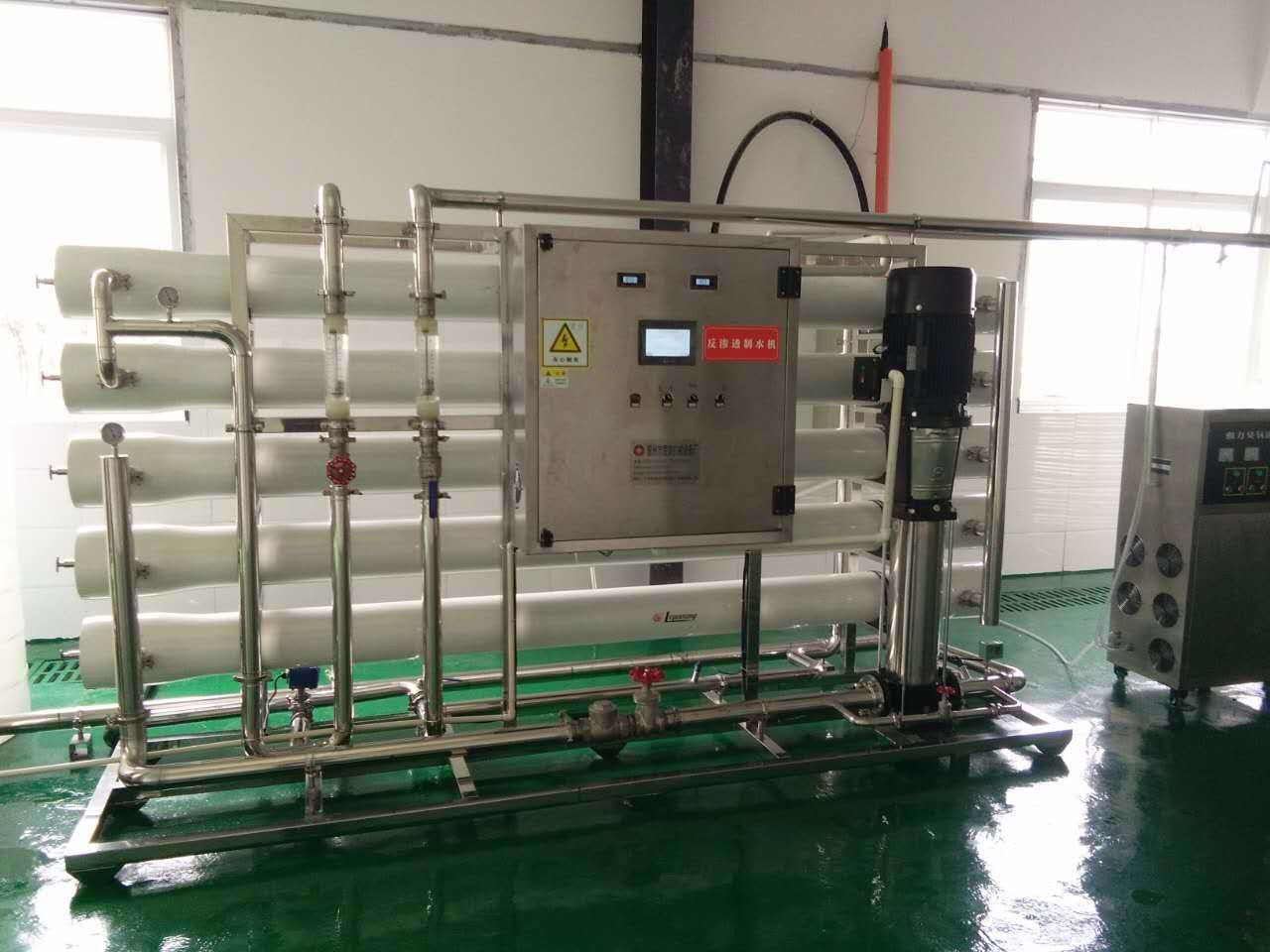
Dual-Tank Water Softener Manual or Automatic Switch-Over Procedure: Sequence, Interface Requirements & Operational Best Practices \\![Hero Image](http://rpidj9qp.saas.cookeji.com/uploads/images/20260714/202607141643293e6060045.jpg) \\Chuxin Mingwei provides engineered water treatment solutions, including dual-tank water softeners, designed for reliability and long-term maintainability.\\n\\n
Dual-Tank Water Softener Manual or Automatic Switch-Over Procedure: Sequence, Interface Requirements & Operational Best

Introduction \\Water softeners are essential in many industrial and commercial settings, where hard water can cause scaling, reduce equipment efficiency, and increase maintenance costs. Dual-tank water softeners offer a continuous supply of softened water by alternating between two tanks. This article will explore the manual and automatic switch-over procedures, their interface requirements, and operational best practices. \\

Key Points \\[1. Manual vs. Automatic Switch-Over: Understanding the differences and when to use each. \\[2. Sequence and Steps: Detailed steps for both manual and automatic switch-over. \\[3. Interface Requirements: Essential components and interfaces for reliable operation. \\[4. Operational Best Practices: Tips to ensure optimal performance and longevity. \\

Manual Switch-Over Procedure \\[Manual switch-over is typically used in smaller systems or during maintenance. Here’s a step-by-step guide: \\[1. Preparation: Ensure the system is in a safe state. Turn off the water supply and drain the tanks if necessary. \\[2. Switching Tanks: Manually switch the valve to direct the flow to the standby tank. \\[3. Regeneration: Initiate the regeneration process for the exhausted tank. This involves backwashing, brine draw, and rinsing. \\[4. Verification: Check the system for any leaks or issues. Ensure the standby tank is now providing softened water. \\[5. Documentation: Record the switch-over and any observations. \\

Automatic Switch-Over Procedure \\[Automatic switch-over is more common in larger, continuous operations. The process is controlled by a programmable logic controller (PLC) and involves the following steps: \\[1. Monitoring: The PLC continuously monitors the hardness level and flow rate. \\[2. Triggering Regeneration: When the hardness level reaches a set threshold, the PLC triggers the regeneration process for the exhausted tank. \\[3. Switching Tanks: The PLC automatically switches the flow to the standby tank. \\[4. Regeneration: The exhausted tank undergoes regeneration, including backwashing, brine draw, and rinsing. \\[5. Verification: The PLC checks the system for any issues and ensures the standby tank is providing softened water. \\[6. Logging: The PLC logs the switch-over and regeneration data for future reference. \\

Interface Requirements \\[For both manual and automatic switch-over, the following interfaces and components are essential: \\[1. Valves: High-quality valves that can handle the pressure and flow rates. \\[2. Sensors: Hardness sensors and flow meters to monitor the system. \\[3. PLC: A reliable programmable logic controller for automatic systems. \\[4. Brine Tank: Adequate brine storage and delivery system. \\[5. Piping and Fittings: Properly sized and installed piping and fittings to prevent leaks and ensure efficient flow. \\

Operational Best Practices \\[To ensure the optimal performance and longevity of your dual-tank water softener, follow these best practices: \\[1. Regular Maintenance: Schedule regular maintenance to check for wear and tear, and replace components as needed. \\[2. Monitor Hardness Levels: Regularly test the hardness levels to ensure the system is functioning correctly. \\[3. Check for Leaks: Inspect the system for any leaks, especially at the valves and fittings. \\[4. Clean Brine Tank: Periodically clean the brine tank to remove any sediment or buildup. \\[5. Update Software: For automatic systems, keep the PLC software up to date to ensure it is running the latest algorithms and security patches. \\

Conclusion \\[Understanding the manual and automatic switch-over procedures for dual-tank water softeners is crucial for maintaining a reliable and efficient water treatment system. By following the detailed steps and best practices outlined in this guide, you can ensure that your system operates optimally and requires minimal downtime. If you need further assistance or have specific questions, feel free to [contact us.](#) \\

Get Started with Your Project \\[Share your water source, target quality, capacity, packaging format, and facility details — we’ll propose a tailored solution. [Request a Solution Consultation today.](#)